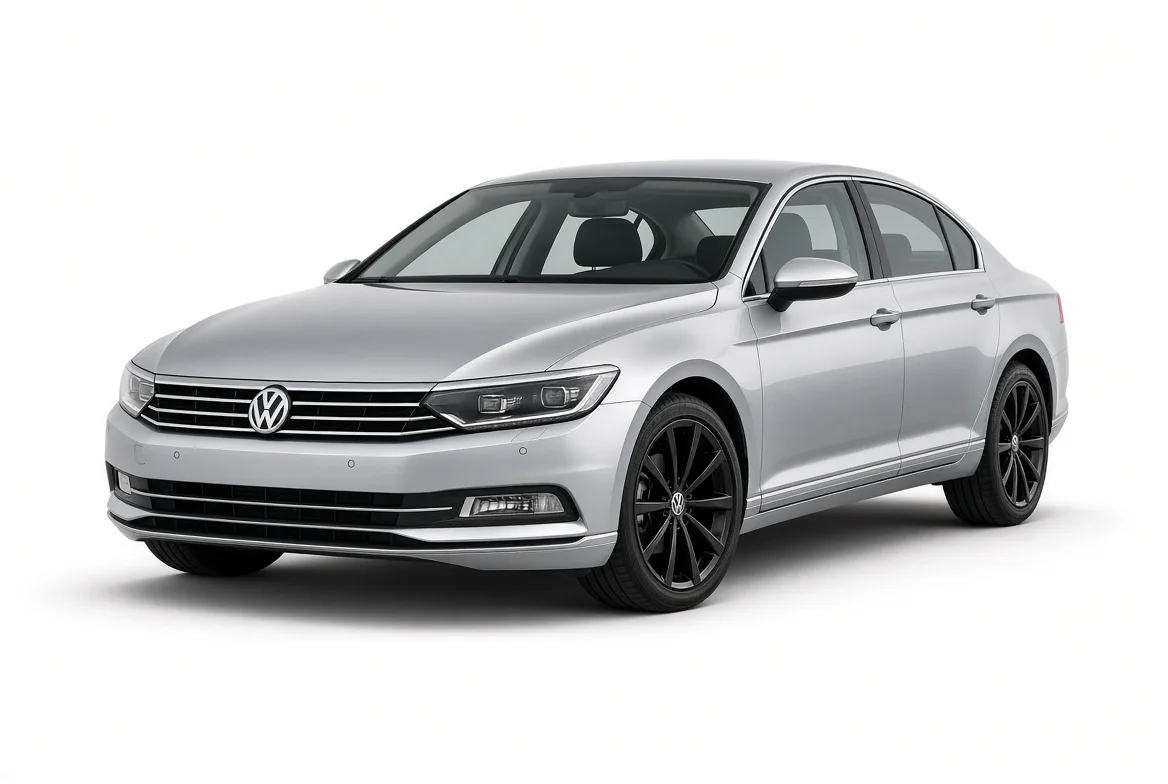
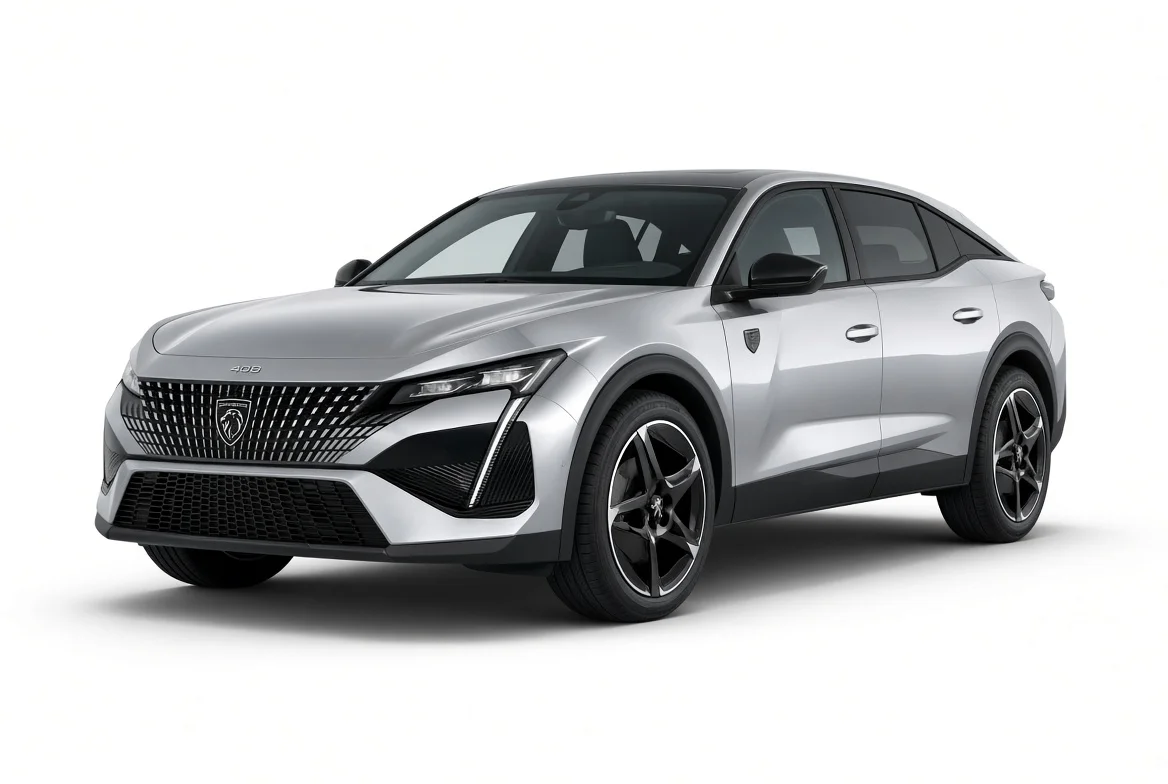
Peugeot 508 R83 vs Skoda Superb MK3
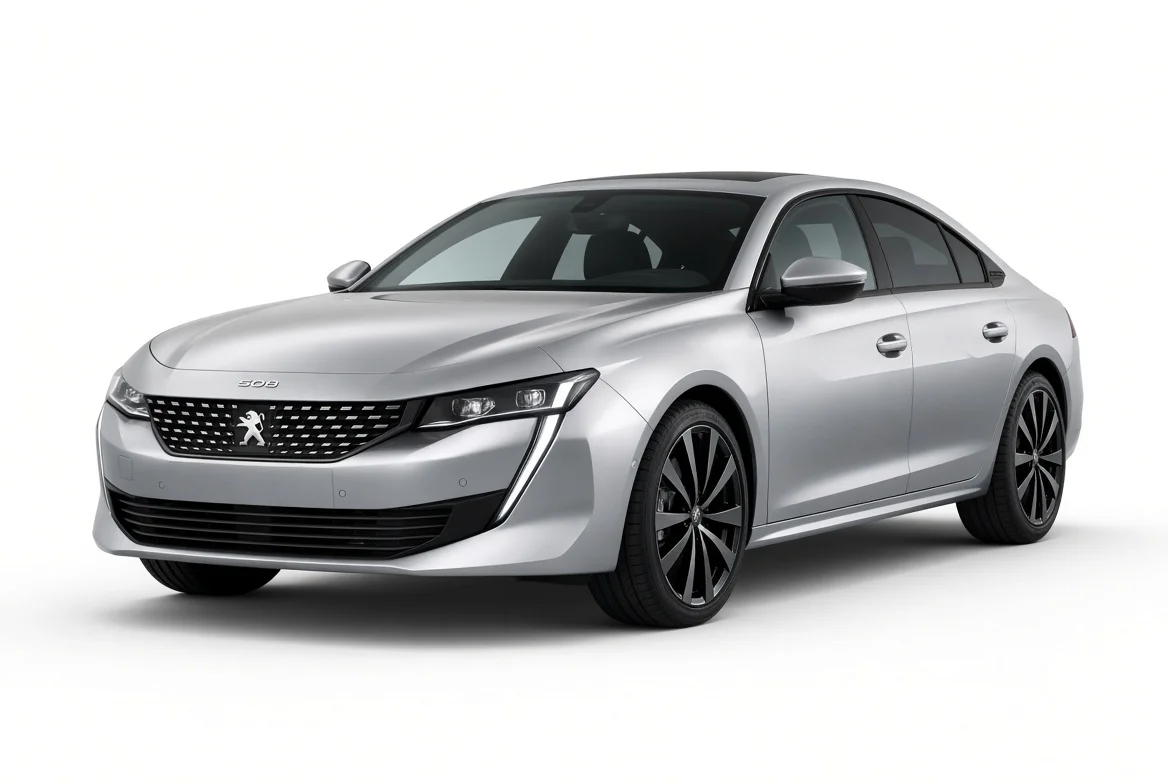
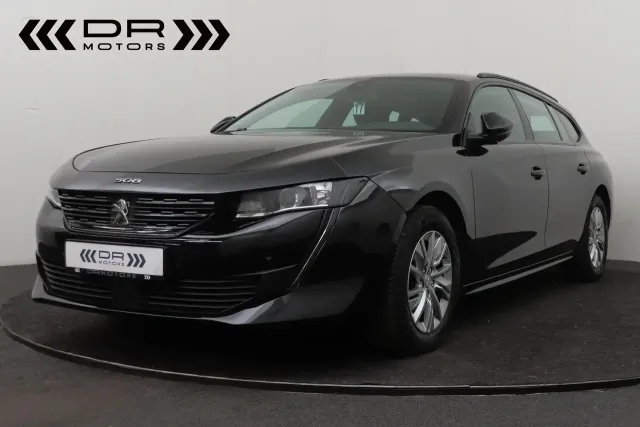
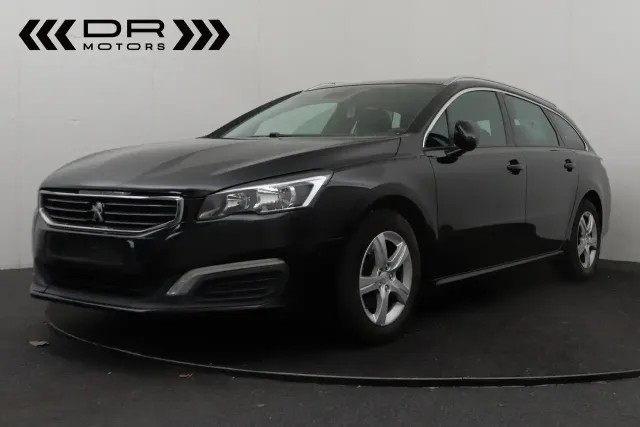
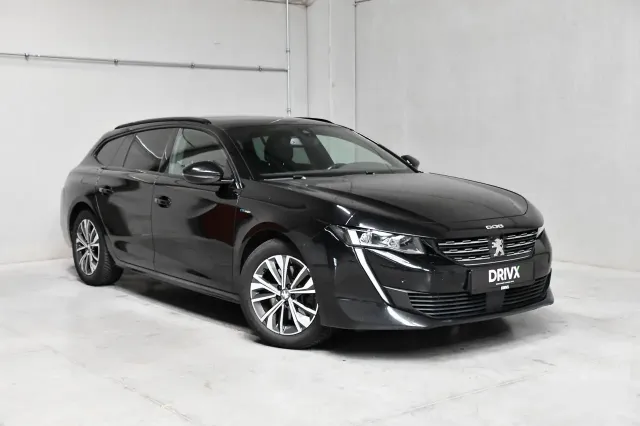
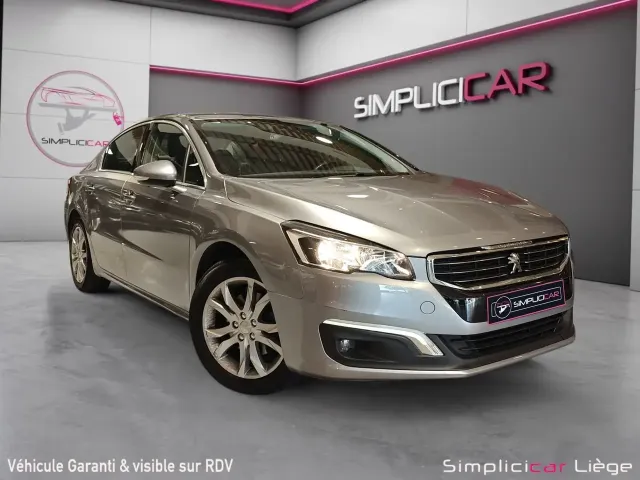
Peugeot 508
R83 · 2018 – 2026
The second 508 (R83), a fastback on EMP2 with PHEV and PSE.
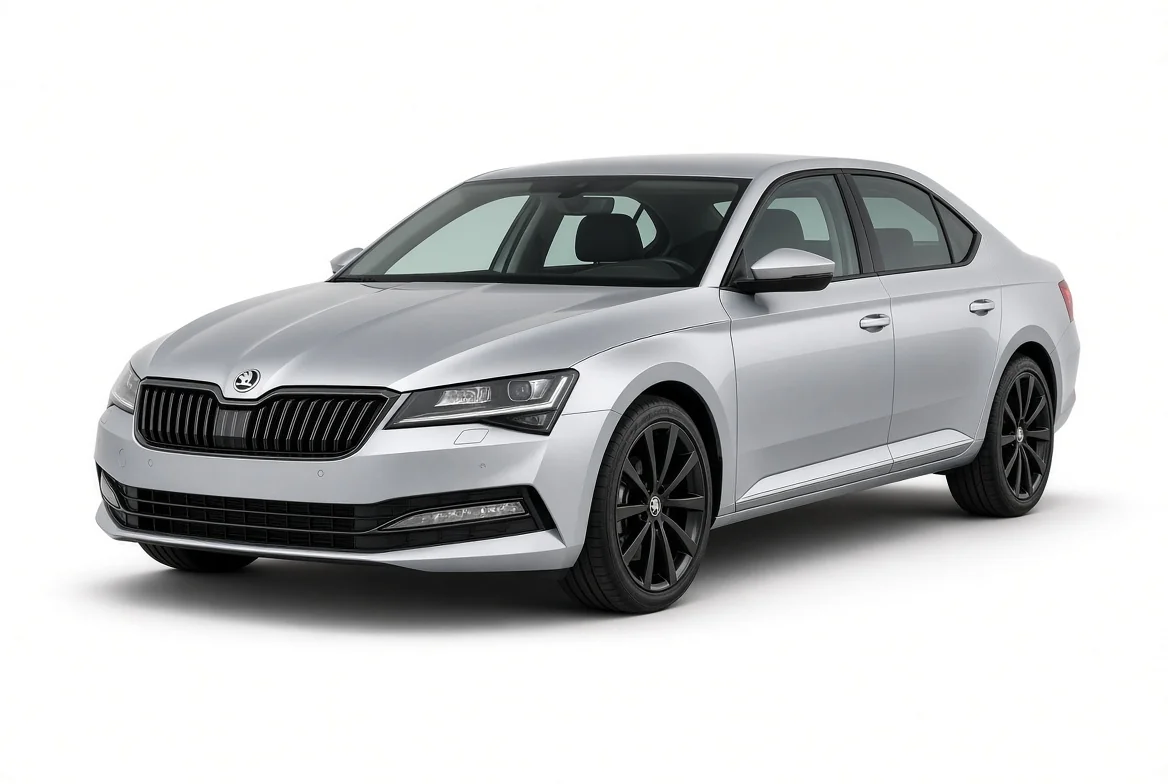
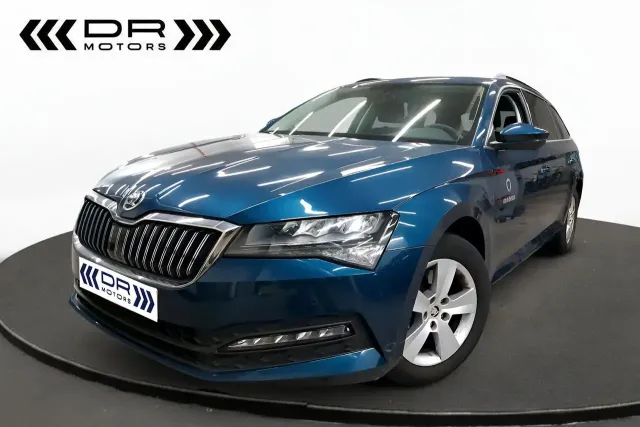
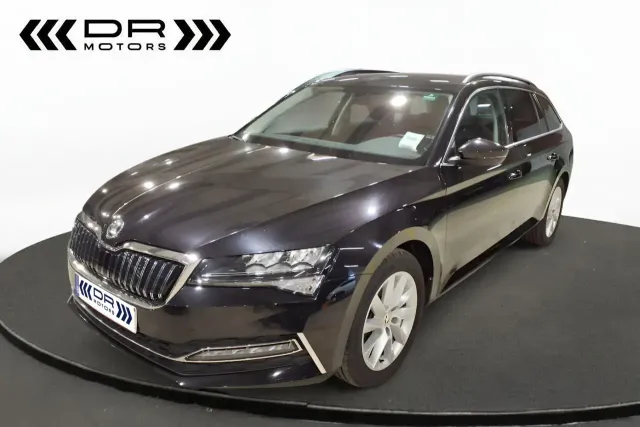
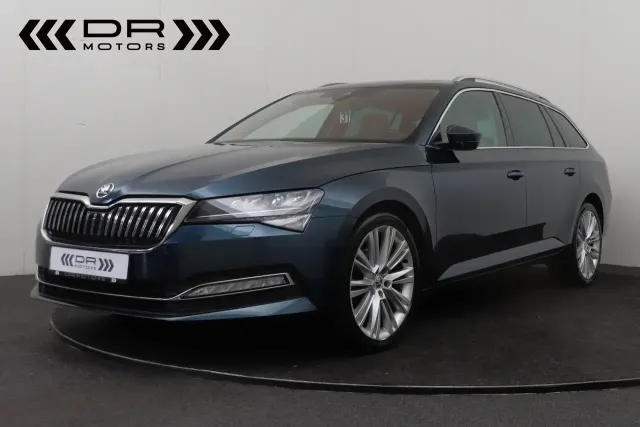
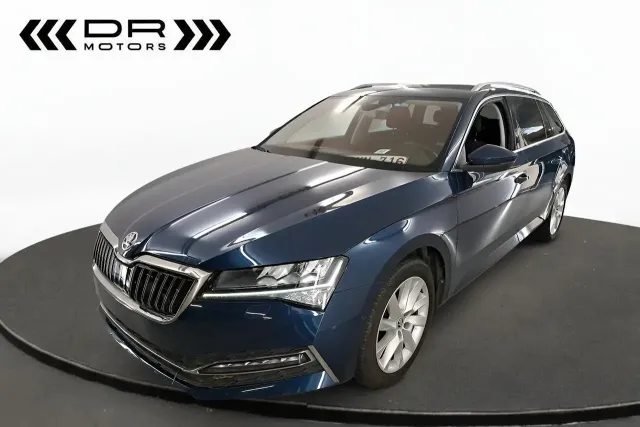
Skoda Superb
MK3 · 2015 – 2023
The third-generation Superb (MK3), on the MQB platform.
Peugeot 508
Pick the R83 for the modern 508 with a sharp fastback design and strong engines.
Skoda Superb
Pick the MK3 for an exceptionally roomy, comfortable family car with a sweet 1.5 TSI or 2.0 TDI.
Performance
1.6 PureTech 225 · Petrol vs 1.5 TSI 150 · Petrol
| Peugeot 508 | Skoda Superb | |
|---|---|---|
| Power |
225 hp
Winner
|
150 hp
|
| Torque |
300 Nm
Winner
|
250 Nm
|
| 0–100 km/h |
7,3 s
Winner
|
9,2 s
|
| Top speed |
250 km/h
Winner
|
220 km/h
|
| Power-to-weight |
158,5 hp/t
Winner
|
104,9 hp/t
|
| CO₂ emissions (WLTP) |
140 g/km
|
133 g/km
Winner
|
| Consumption (WLTP) |
6,0 L/100km
|
5,8 L/100km
Winner
|
Dimensions & space
| Peugeot 508 | Skoda Superb | |
|---|---|---|
| Boot |
487 L
|
625 L
Winner
|
| Boot (seats folded) |
1.537 L
|
1.760 L
Winner
|
| Wheelbase |
2,79 m
|
2,84 m
Winner
|
| Length |
4,75 m
|
4,86 m
|
| Ground clearance |
—
|
13,9 cm
|
| Turning circle |
11,2 m
Winner
|
11,7 m
|
| Towing capacity (braked) |
1.600 kg
|
2.200 kg
Winner
|
Powertrain & tech
| Peugeot 508 | Skoda Superb | |
|---|---|---|
| Platform | EMP2 (modular) | MQB (shared with the VW Passat) |
| Drive | Front-wheel drive · All-wheel drive | Front-wheel drive · All-wheel drive |
| Engine family | 1.2 PureTech · 1.6 PureTech petrol · 1.5/2.0 BlueHDi diesel · Hybrid/PSE PHEV | 1.4/1.5 TSI · 2.0 TSI petrol · 1.6/2.0 TDI diesel · 1.4 TSI iV PHEV |
| Transmission | EAT8 automatic | 6-speed manual · 7-speed DSG |
| Fuel | Petrol | Petrol |
| Euro standard | Euro 6d | Euro 6d |
| LEZ access | Unrestricted access (compliant under current legislation) | Unrestricted access (compliant under current legislation) |
Reliability & watch-outs
Known issues
- 1.2 PureTech: wet timing belt
- 1.5 BlueHDi: AdBlue and chain on early units
- Infotainment software needs updates
- 1.5 TSI: kangarooing on early cars
- DSG: jerkiness at low speed
- 2.0 TDI: DPF/AdBlue
Pros
- Stylish fastback design
- Strong 2.0 BlueHDi diesel
- PHEV and PSE available
- Very roomy boot and rear seats
- Comfortable and practical
- Broad range (including PHEV)
Cons
- Boot smaller than classic saloons
- Low driving position
- Sparse base equipment
- Interior with hard plastics
- Less refined driving feel
Driving experience
Peugeot 508
The R83 wears a four-door coupé suit but rides the EMP2 bones of a family saloon, and that mix defines it. It sits low and wide, so the front axle feels keen and the car tracks calmly through corners, while the long wheelbase keeps it planted on the motorway. The small i-Cockpit wheel and raised dials are the most extreme Peugeot has done and demand a real acclimatisation; once settled, the steering is quick and accurate and body roll stays well held. Most versions ride on a comfort-tuned rear that smothers broken tarmac, though big wheels and firmer GT/PSE damping add some fidget. The 2.0 BlueHDi pulls strongly and quietly, the PSE is properly rapid, and the EAT8 automatic shifts without drama. It is a composed, comfortable fastback, not a sports saloon.
Skoda Superb
Composed and secure for a large family car of its era, with light steering that suits motorway and urban driving. The ride is comfortable on standard wheels, and body roll is present yet managed. Diesels deliver strong low-end torque for motorway use. It prioritises comfort and practicality over sharp dynamics, with good visibility.
Belgian taxes & LEZ