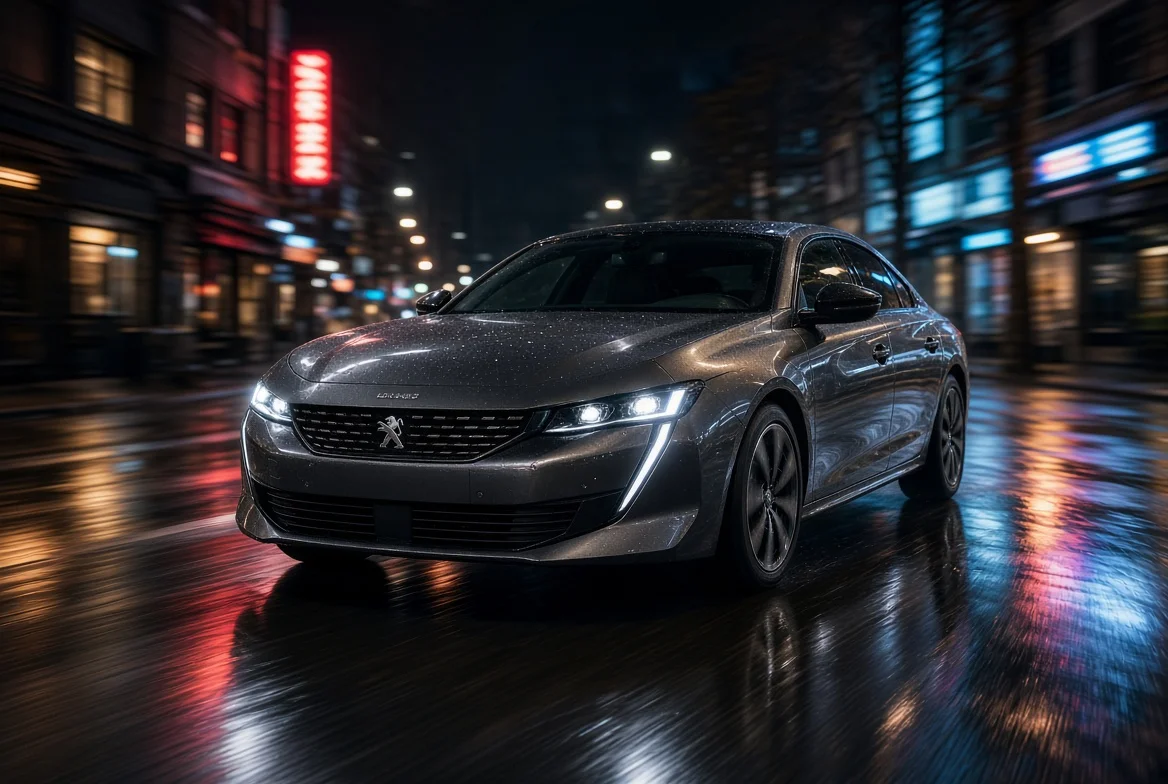

Peugeot 508 II (R83) — complete buyer's guide
The complete reference for the second-generation Peugeot 508 (R83, 2018–present): the EMP2 platform, dimensions, every petrol, diesel, plug-in hybrid and PSE powertrain, the 2023 facelift, known issues and a used-buyer checklist.
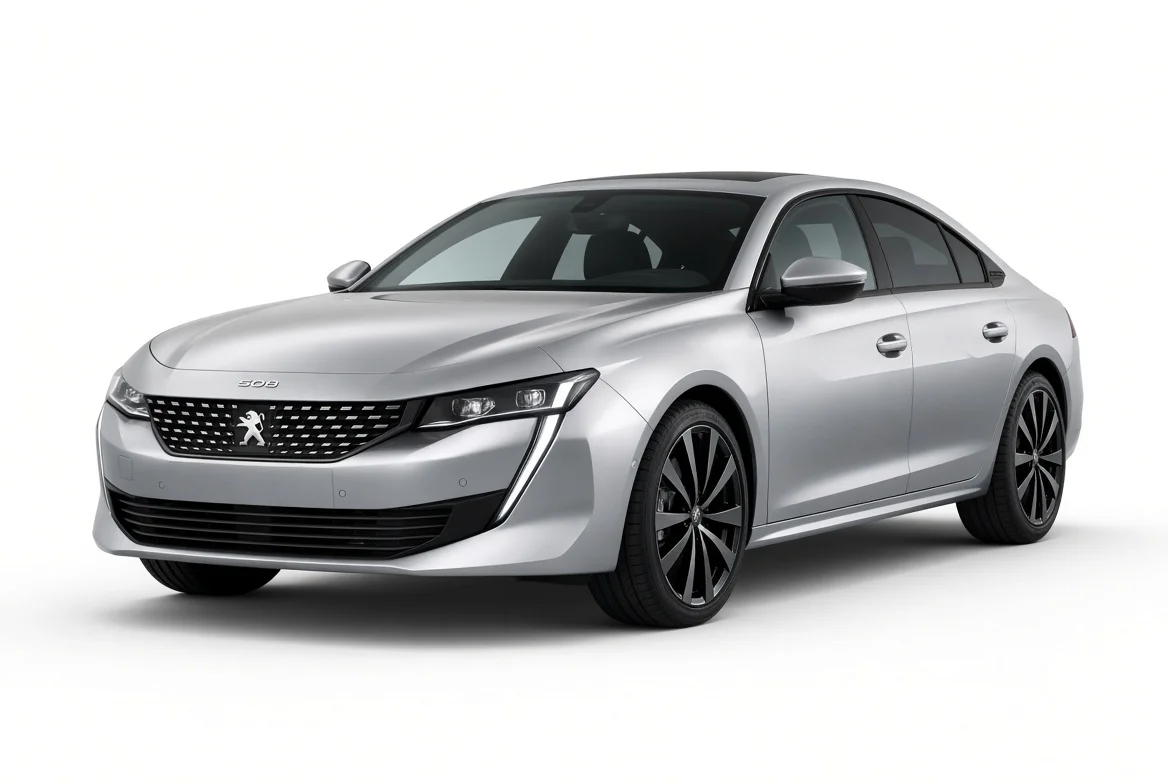
Production and platform
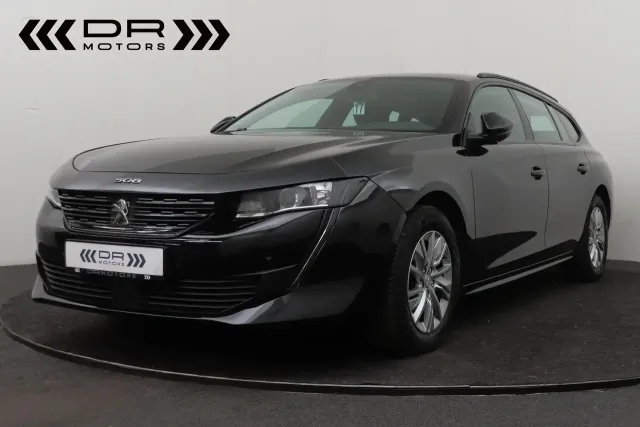
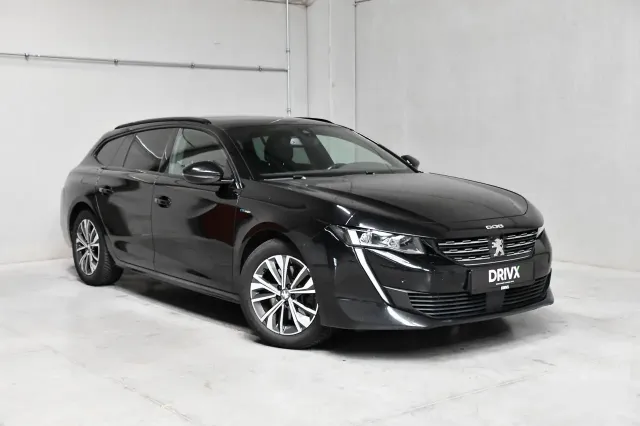
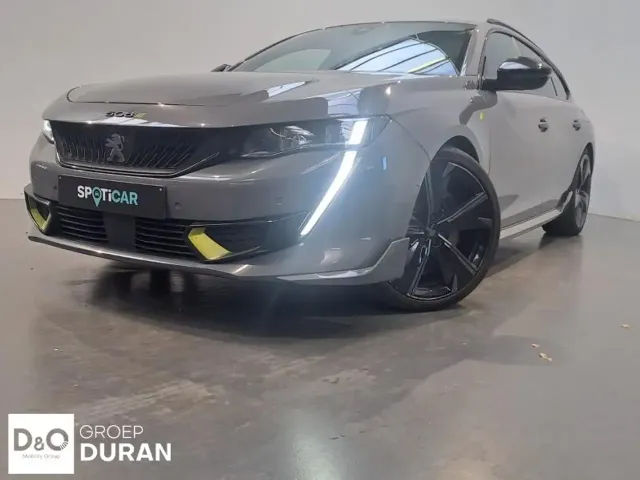
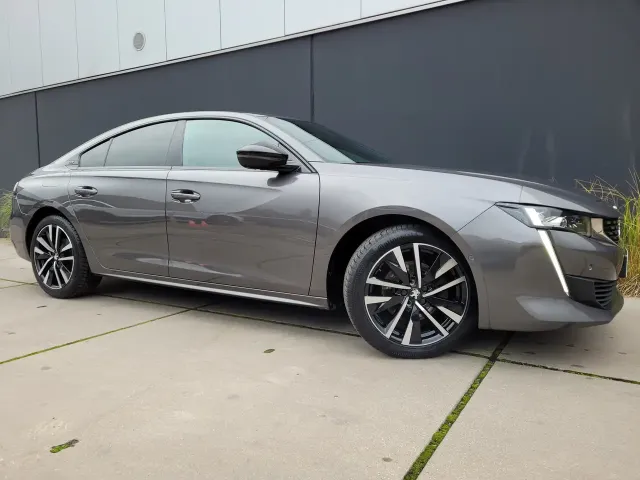
Second-generation 508, internally coded R83. Produced from 2018 (still in production as of late 2026 in some markets). Built on the EMP2 modular platform. Fastback (liftback) and SW (estate). Front-wheel drive (some PHEV variants with a rear electric motor for AWD). Facelifted in 2023 (updated styling, lighting and equipment). Available as petrol, diesel, plug-in hybrid and performance hybrid (PSE). Related to the 508 I in name only; modernised design and technology.
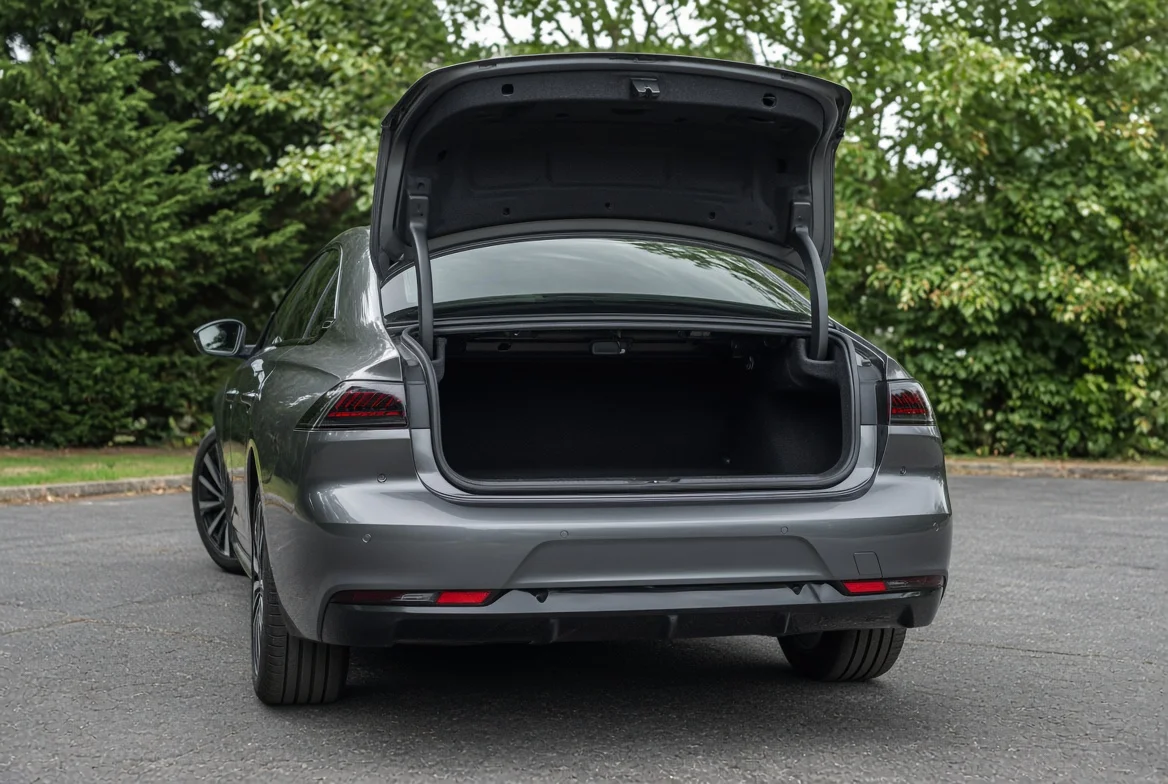
Dimensions and practicality
Fastback: length about 4,750 mm, width about 1,859 mm, height about 1,403 mm, wheelbase 2,793 mm. Boot about 487 litres (up to about 1,537 litres with the rear seats folded). Fuel tank about 55–62 litres (petrol/diesel); smaller on the PHEV. SW: length about 4,770 mm, height about 1,420 mm, boot about 530–550 litres (up to about 1,780 litres with the rear seats folded). A practical executive-style fastback. The boot is competitive for the class. The rear seat is usable for adults. The cabin is modern and well finished with the characteristic i-Cockpit (small steering wheel, raised instruments) and a large touchscreen. The ride is generally comfortable; higher-spec versions on larger wheels can be firmer.
Driving experience
The R83 wears a four-door coupé suit but rides the EMP2 bones of a family saloon, and that mix defines it. It sits low and wide, so the front axle feels keen and the car tracks calmly through corners, while the long wheelbase keeps it planted on the motorway. The small i-Cockpit wheel and raised dials are the most extreme Peugeot has done and demand a real acclimatisation; once settled, the steering is quick and accurate and body roll stays well held. Most versions ride on a comfort-tuned rear that smothers broken tarmac, though big wheels and firmer GT/PSE damping add some fidget. The 2.0 BlueHDi pulls strongly and quietly, the PSE is properly rapid, and the EAT8 automatic shifts without drama. It is a composed, comfortable fastback, not a sports saloon.
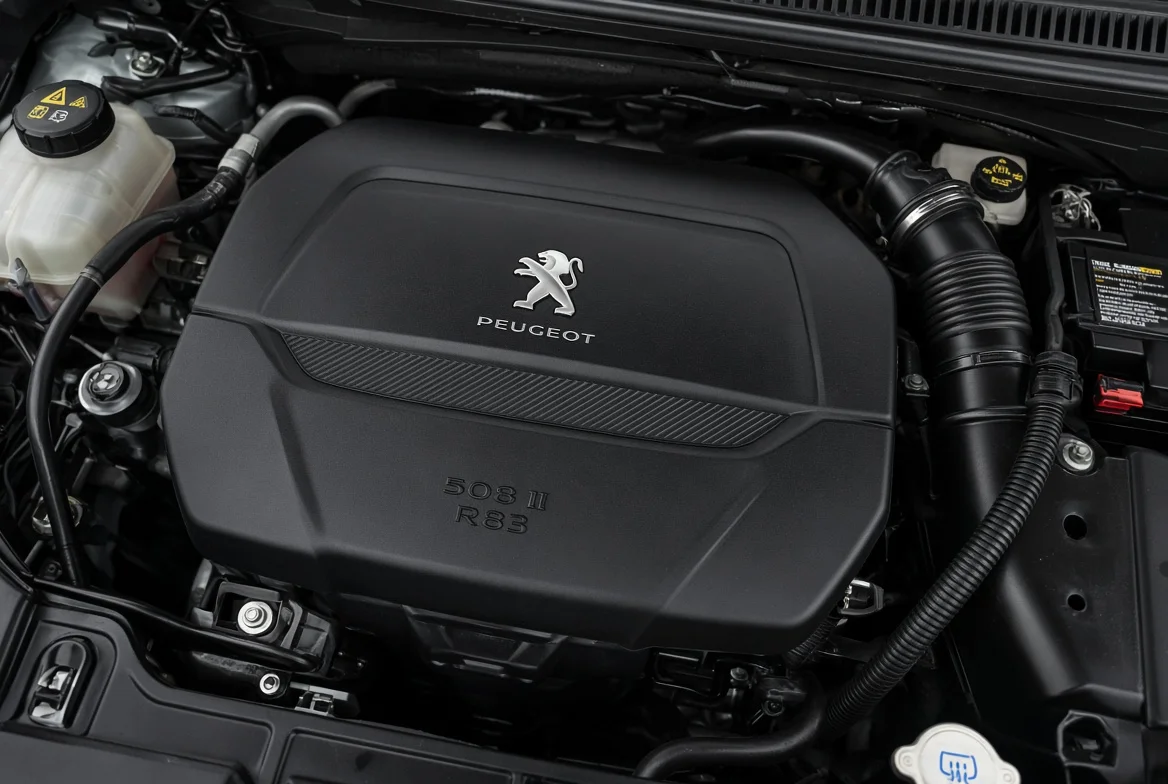
Engines
Petrol
| Engine | Power | Torque | 0–100 km/h | |
|---|---|---|---|---|
| 1.2 PureTech 130 Less common · wet timing belt | 1.2 L · 3-cyl turbo (EB2) | 130 hp96 kW | 230 Nm | ~10 s |
| 1.6 PureTech 180 / 225 Common | 1.6 L · 4-cyl turbo | 180–225 hp132–165 kW | 250–300 Nm | ~7–8 s |
Diesel
| Engine | Power | Torque | 0–100 km/h | |
|---|---|---|---|---|
| 1.5 BlueHDi 130 AdBlue · chain issues on some early units | 1.5 L · 4-cyl diesel | 130 hp96 kW | 300 Nm | ~9–10 s |
| 2.0 BlueHDi 160 / 180 AdBlue | 2.0 L · 4-cyl diesel | 160–180 hp118–133 kW | 370–400 Nm | ~8–9 s |
Plug-in hybrid
| Engine | Power | Torque | 0–100 km/h | |
|---|---|---|---|---|
| Hybrid 180 / 225 | 1.6 L · 4-cyl + e-motor | 180–225 hp132–165 kW | ~360 Nm | ~7–8 s |
| PSE Hybrid4 AWD | 1.6 L · 4-cyl + 2 e-motors | ~360 hp~265 kW | ~520 Nm | ~5 s |
Transmissions and drive
Front-wheel drive as standard; the PSE Hybrid4 is all-wheel drive. 6-speed manual (limited) or 8-speed automatic (EAT8).
Common issues and weak points
1.2 PureTech 130
- Wet timing belt: the belt runs in oil and can degrade (oil contamination, belt debris in the oil system). Premature wear can lead to oil-pressure loss or engine damage. Oil consumption reported. Carbon build-up. Replace the belt earlier than the original interval. Later chain versions are better. Prefer cars with a recent belt service and frequent oil changes.
1.5 BlueHDi
- Camshaft/timing-chain wear on some early units (7 mm chain). AdBlue system issues. Prefer later or upgraded examples (post-early 2023 with 8 mm chain).
1.6 PureTech
- Generally more reliable than the 1.2. Some turbo and oil-system issues reported on higher-mileage examples. Prefer well-serviced cars.
PHEV
- Onboard charger (OBC) issues reported on some early cars. 12V battery and winter range reduction. Check charging history and any related campaigns. Battery health on higher-mileage examples.
Other
- Infotainment (NAC) can be slow or buggy on earlier cars. Electronics and sensor issues reported. Suspension components can wear with age/mileage. Some VIN-specific recalls (chain campaigns, NOx software, fuel lines, etc.).
- Prefer later examples (post-2023 facelift) with full history, especially chain-driven PureTech, mild-hybrids or electric. Avoid high-mileage PureTech without recent belt work. Diesels need AdBlue and chain verification. PHEVs need charger and battery checks.
What to check when buying
- Confirm the exact engine, year (pre- or post-facelift) and powertrain. Full service history and Car-Pass essential.
- Verify all recalls have been completed (VIN check), especially chain, NOx, fuel-line and oil-system campaigns.
- On PureTech: ask for a recent timing-belt replacement (if pre-chain) and evidence of regular oil changes. Check for oil consumption or a history of low oil pressure.
- On BlueHDi: check AdBlue system function and any chain upgrade.
- On PHEV: check charging history, OBC function and battery health if possible.
- Inspect the suspension for knocks. Check tyre wear and brakes.
- Test all electronics, the air conditioning and gearbox smoothness.
- Listen for unusual engine noises (cold-start rattle, chain/belt noise). Prefer unmodified cars with complete history.
- Take a test drive and watch for chassis feel and any warning lights.
Running costs
Indicative costs for normal Belgian/EU use (approximate 2026 figures). Actual figures vary by region, driving style and service location.
Fuel / energy consumption
- Petrol (1.6 PureTech): typically 7–9.5 L/100 km mixed.
- Diesel (BlueHDi): typically 4.5–6.5 L/100 km mixed.
- PHEV: highly dependent on charging frequency; can be very low when charged regularly.
- PSE: typically 8–11 L/100 km mixed depending on use.
Maintenance
Low to moderate for an executive car when well maintained. The timing belt (PureTech), AdBlue system (diesel) and suspension are the main potential cost items. Independent specialists help keep bills down. PHEV versions have lower routine maintenance but higher battery/charger costs if issues arise. Budget higher on high-mileage or neglected examples.
Road tax / registration (Belgium)
Varies by engine, power, CO₂ and region. Lower-powered and later diesel versions are generally more favourable. Electric and PHEV versions can be advantageous depending on region. Calculate for the specific variant.
Insurance
Reasonable for the class. Higher-powered and PHEV versions cost more.
LEZ / low-emission zones
Later Euro 6/6d versions and the PHEV are unrestricted in Belgian/EU low-emission zones. Earlier Euro 5/6 cars may face restrictions in stricter zones — check the exact Euro norm. Electric cars are fully compliant.
Market position
An increasingly available used executive fastback. Well-maintained later PureTech examples with belt/chain service, mild-hybrids, PHEVs and PSE versions are the most sought-after. Early high-mileage PureTech and AdBlue-problematic diesels are cheaper but riskier. The best examples have full history, moderate mileage and evidence of careful ownership. A sorted R83 offers good style, comfort and practicality for the segment, but engine selection is critical.
Summary
This generation is a modern, practical and efficient executive fastback when the right powertrain is chosen and service history is complete. The 1.2 PureTech needs careful attention to the wet timing belt on earlier cars; BlueHDi diesels need AdBlue and chain monitoring. Post-2023 cars with full history (especially chain versions, mild-hybrids or electric) are preferred. Ownership costs are generally moderate, but neglected examples can become expensive.
Belgian taxes & LEZ