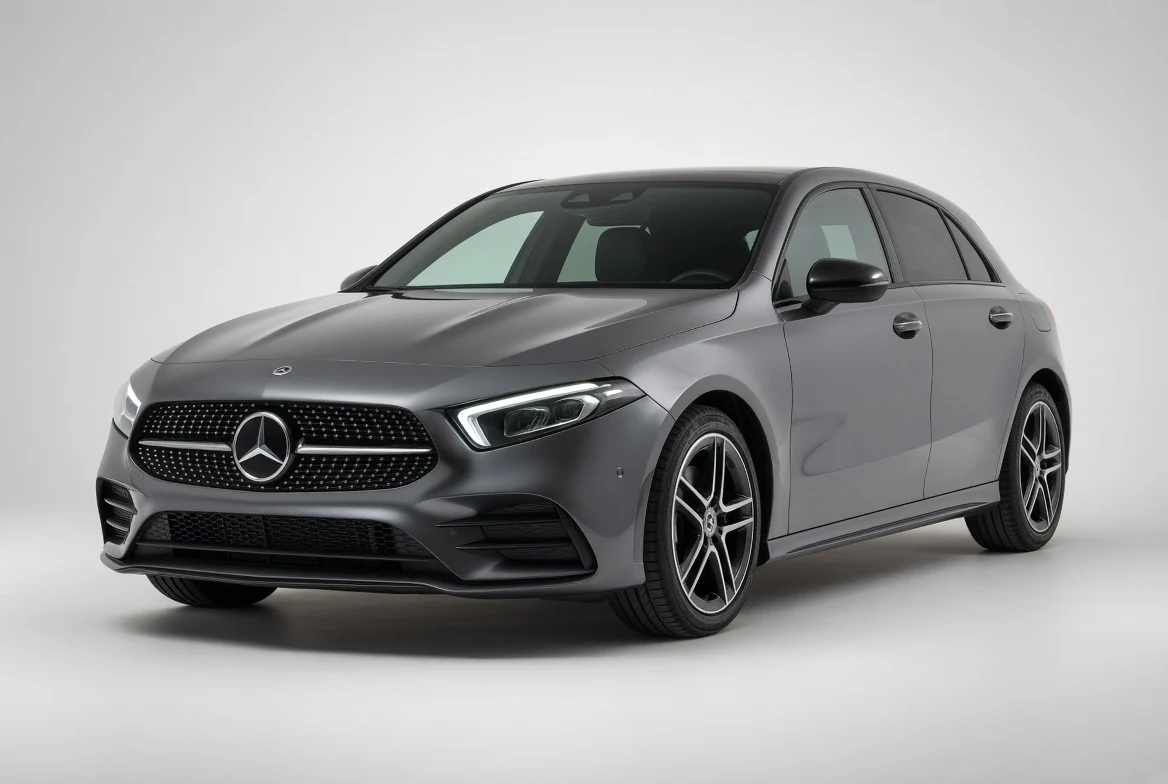
Peugeot 308 T9 vs Renault Megane MK5
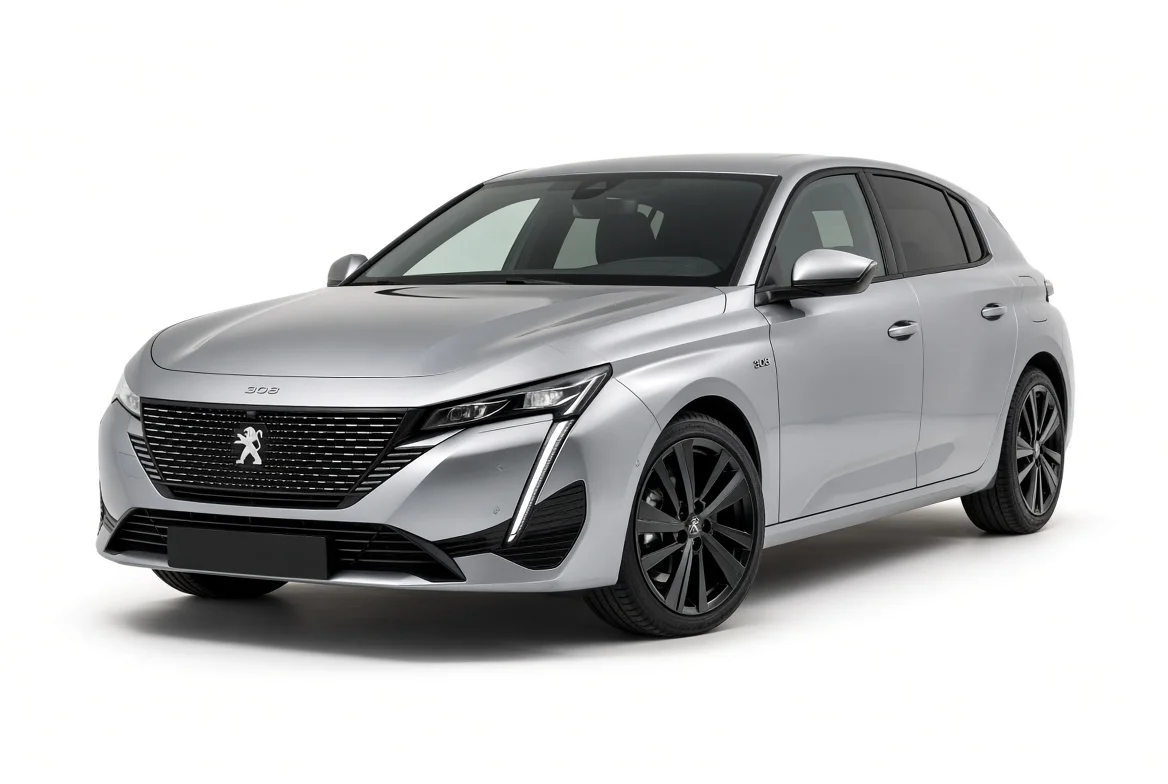
Peugeot 308
T9 · 2013 – 2021
The second 308 (T9), 2014 European Car of the Year on EMP2.
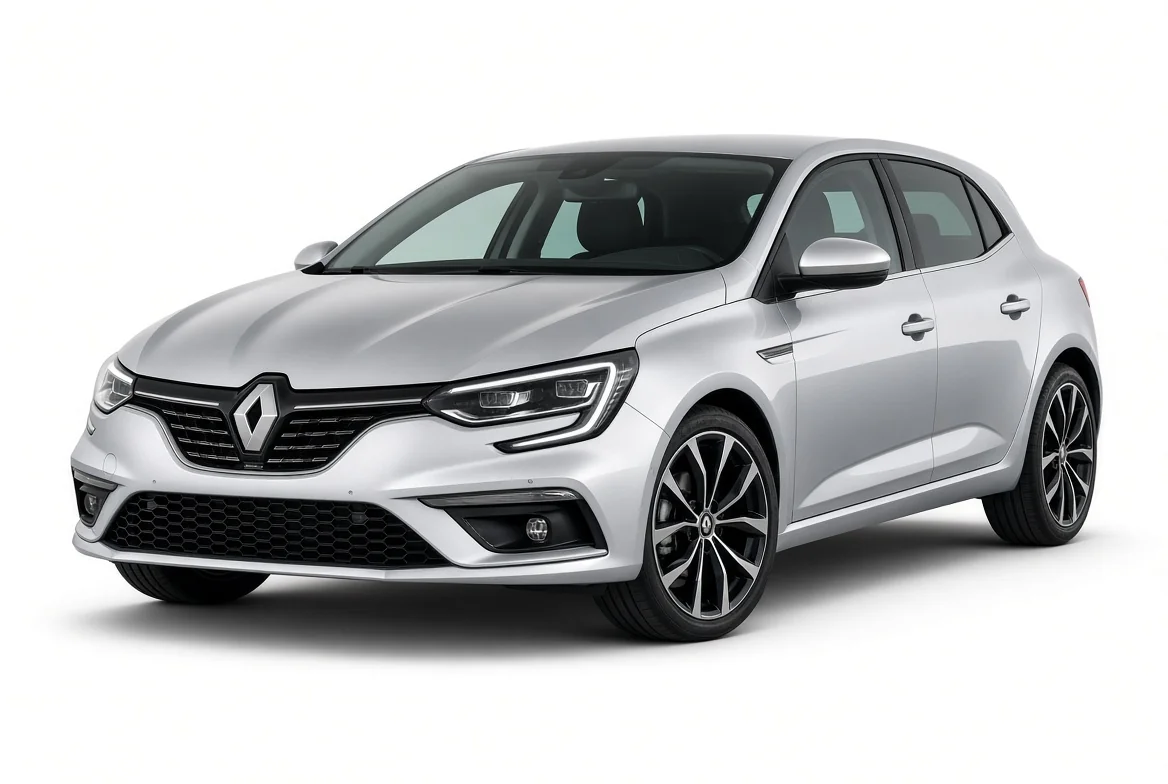
Renault Megane
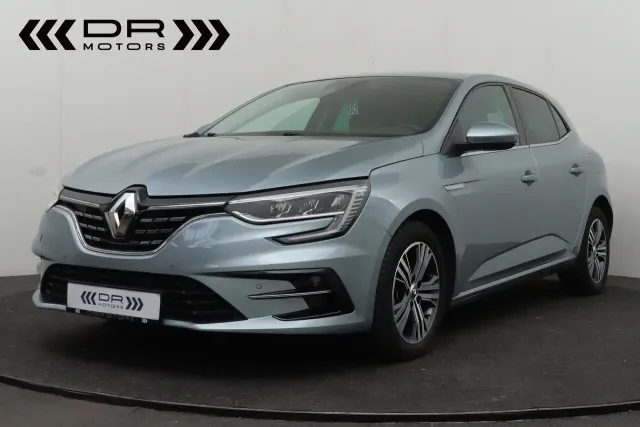
MK5 · 2022 – 2026
The fifth Mégane (MK5), fully electric on the CMF-EV / AmpR Medium platform.
Peugeot 308
Pick the T9 for the best-balanced 308: light, refined and cheap to run — with the right engine.
Renault Megane
Pick the MK5 for an electric Mégane with sharp design and a long range on the 60 kWh battery.
Performance
1.2 PureTech 130 · Petrol vs E-Tech EV60 220 · Electric
| Peugeot 308 | Renault Megane | |
|---|---|---|
| Power |
130 hp
|
220 hp
Winner
|
| Torque |
230 Nm
|
300 Nm
Winner
|
| 0–100 km/h |
9,6 s
|
7,4 s
Winner
|
| Top speed |
205 km/h
Winner
|
160 km/h
|
| Power-to-weight |
112,1 hp/t
|
134,5 hp/t
Winner
|
| CO₂ emissions (WLTP) |
105 g/km
|
0 g/km
Winner
|
| Consumption (WLTP) |
4,7 L/100km
|
—
|
Dimensions & space
| Peugeot 308 | Renault Megane | |
|---|---|---|
| Boot |
420 L
|
440 L
Winner
|
| Boot (seats folded) |
1.270 L
|
1.332 L
Winner
|
| Wheelbase |
2,62 m
|
2,69 m
Winner
|
| Length |
4,25 m
|
4,20 m
|
| Ground clearance |
—
|
—
|
| Turning circle |
10,4 m
Winner
|
10,5 m
|
| Towing capacity (braked) |
1.500 kg
Winner
|
900 kg
|
Powertrain & tech
| Peugeot 308 | Renault Megane | |
|---|---|---|
| Platform | EMP2 (modular) | CMF-EV / AmpR Medium |
| Drive | Front-wheel drive | Front-wheel drive |
| Engine family | 1.2 PureTech · 1.6 THP/PureTech petrol · 1.5/1.6/2.0 BlueHDi diesel | E-Tech 130 (40 kWh) · E-Tech 220 (60 kWh) |
| Transmission | 6-speed manual · EAT6 | Single-speed automatic |
| Fuel | Petrol | Electric |
| Euro standard | Euro 6d | N/A (electric) |
| LEZ access | Unrestricted access (compliant under current legislation) | Unrestricted access (compliant under current legislation) |
Reliability & watch-outs
Known issues
- 1.2 PureTech: wet timing belt
- BlueHDi: AdBlue/SCR and DPF
- 1.5 BlueHDi: timing chain on early units
- 12V battery: drain and “charging impossible” messages
- Front footwell moisture (pre-Oct 2022)
- Software and parking-brake actuator recalls
Pros
- Light thanks to EMP2: agile and efficient
- Refined interior with i-Cockpit
- Strong BlueHDi diesels and smooth EAT6/EAT8
- Sharp design and a modern interior
- Roomy 440 L boot for an EV
- Up to ~470 km range (60 kWh)
Cons
- 1.2 PureTech: wet timing belt needs strict intervals
- Rear seat tight for the class
- Limited range with the 40 kWh version
- Infotainment can be slow to respond
Driving experience
Peugeot 308
The T9's party trick is its weight: EMP2 made it roughly 140 kg lighter than the old 308, and you feel it through the steering and damping. The small i-Cockpit wheel and raised dials need a short adjustment period, then the front axle feels quick and accurate while the body stays flat and settled. Most versions run a comfort-tuned torsion-beam rear, so the car rolls absorbently over Belgian cobbles and resists roll in bends without turning harsh. The 1.2 PureTech is eager, the 1.5/2.0 BlueHDi pull strongly and quietly, and the EAT6/EAT8 automatic shifts without fuss. A composed, everyday compact; only the 225 GT and GTi sharpen it into something more urgent.
Renault Megane
Instant torque and quiet operation are the defining traits. The 220 hp version accelerates strongly (0–100 km/h in around 7.4 seconds) and feels responsive in daily driving. Steering is light and direct at lower speeds, ride quality is generally comfortable for an EV of this weight, though larger wheels make it firmer, and body control is competent. The front-wheel-drive layout can show some wheelspin under hard acceleration in the wet, and regenerative braking has multiple levels. Top speed is limited to 150–160 km/h. Overall a refined, easy-to-drive compact EV rather than a performance car.
Belgian taxes & LEZ
For sale at dealers
Peugeot 308
41 for sale · from € 3.850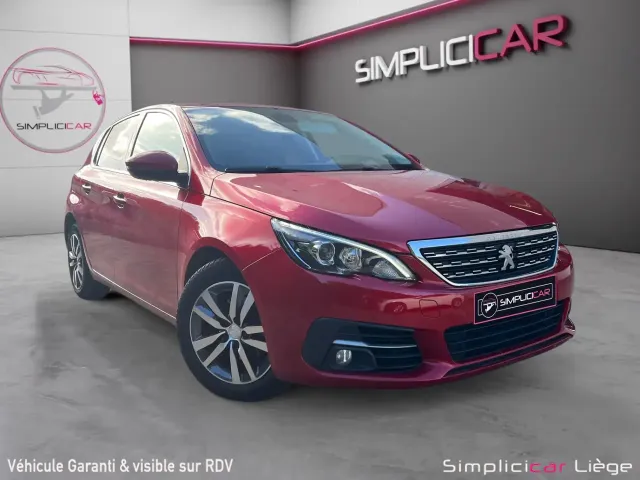
Peugeot 308 1.2 PureTech · Allure
 Simplici Car Liège
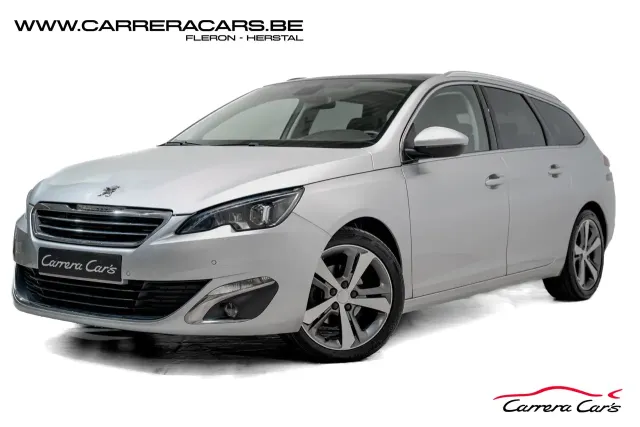
Peugeot 308 GT-Line · Panoramic roof · Navigation · LED
 Garage Carrera Cars
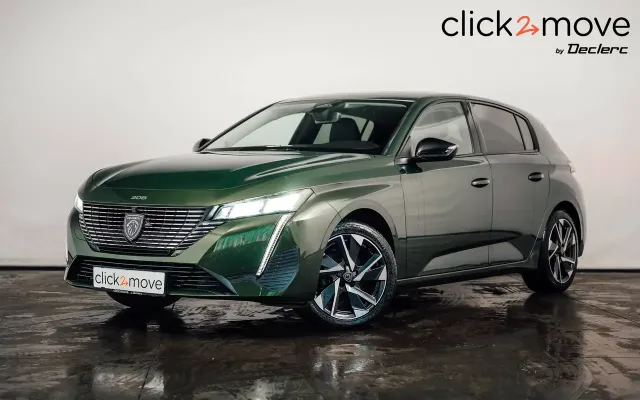
Peugeot 308 Allure · 360° camera · CarPlay · LED
 click2move by Declerc
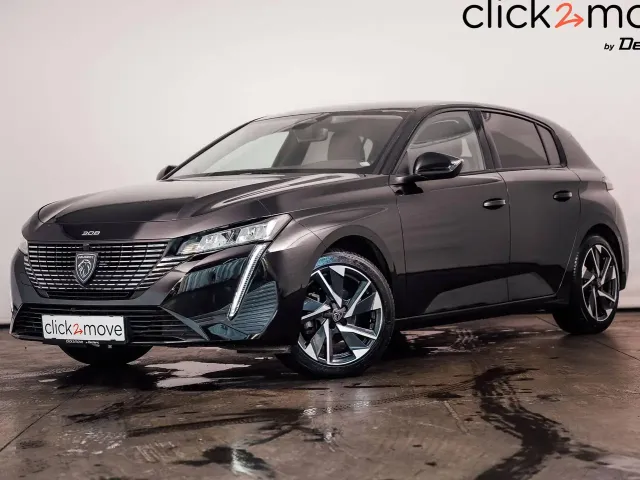
Peugeot 308 Allure · 360° camera · CarPlay · LED
click2move by Declerc