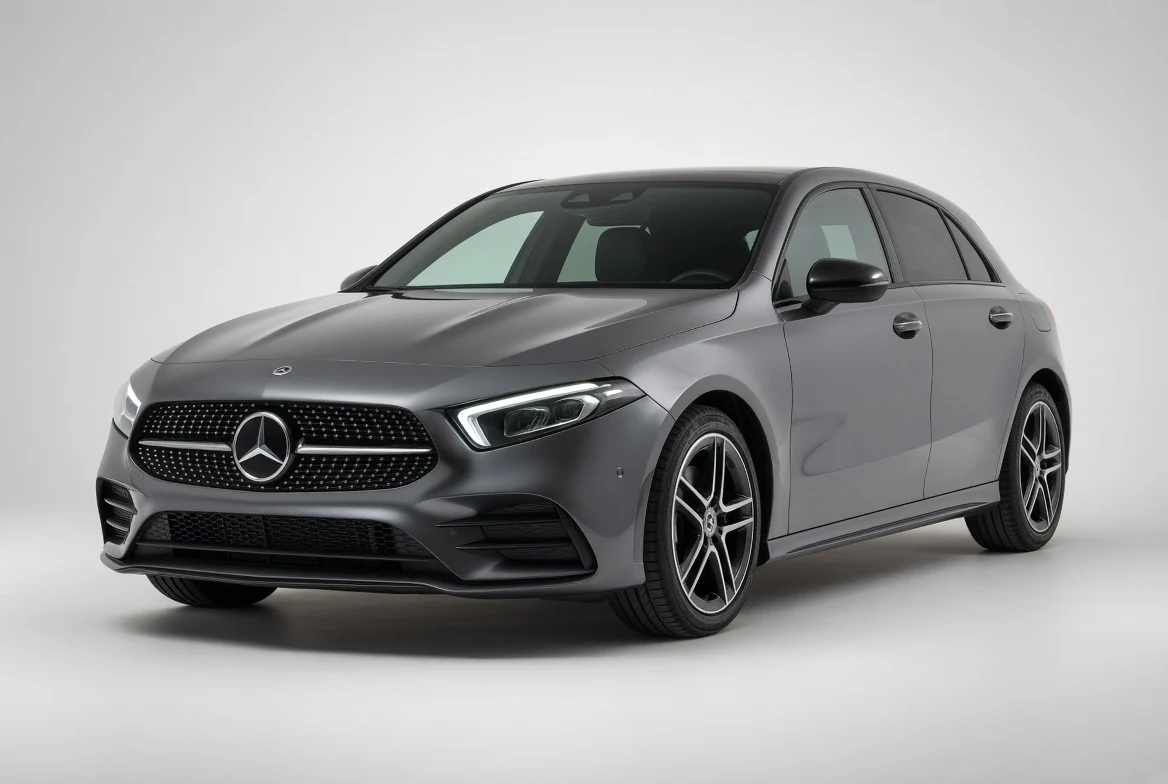
Peugeot 308 P51 vs Renault Megane MK4
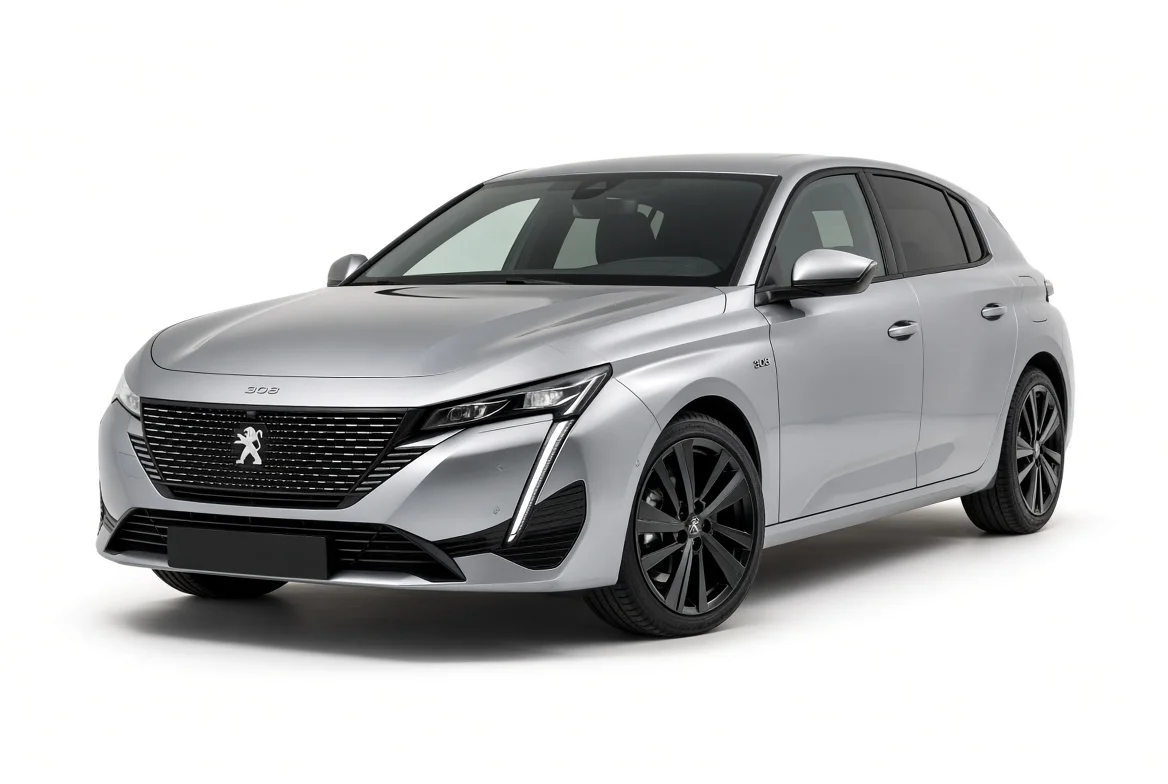
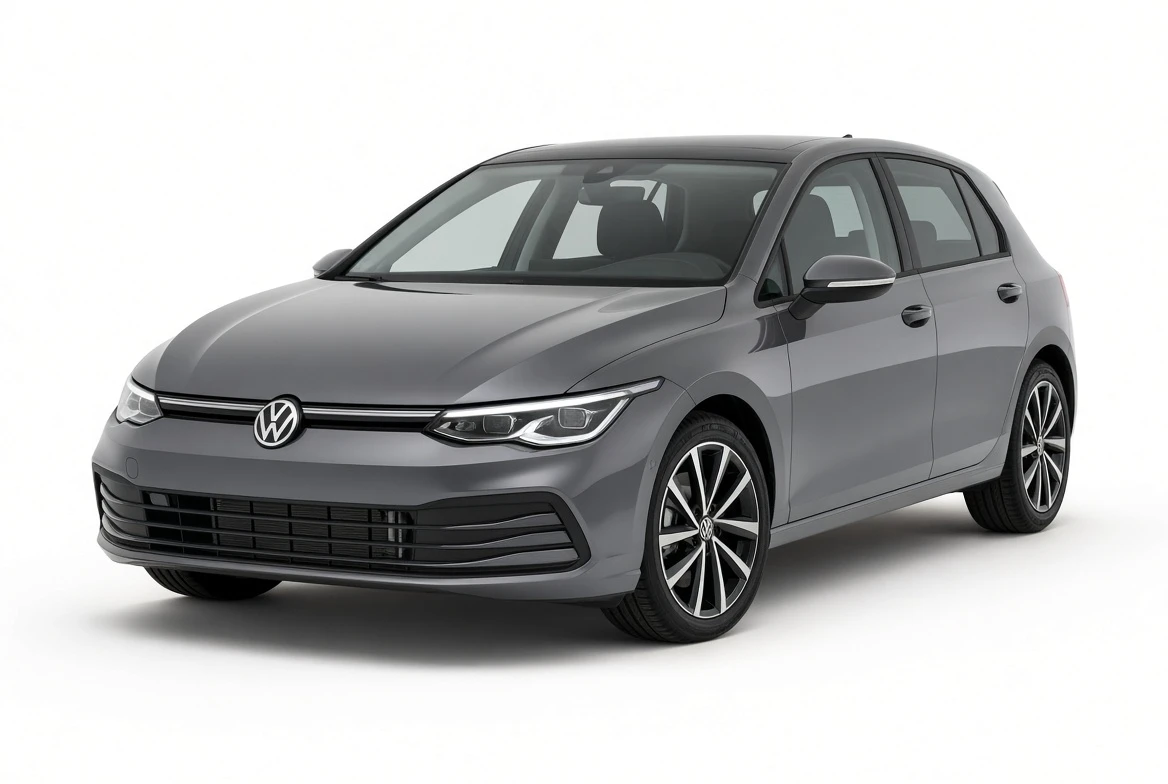
Peugeot 308
P51 · 2021 – 2026
The third-generation 308 (P51), with i-Cockpit, hybrids and the all-electric e-308.
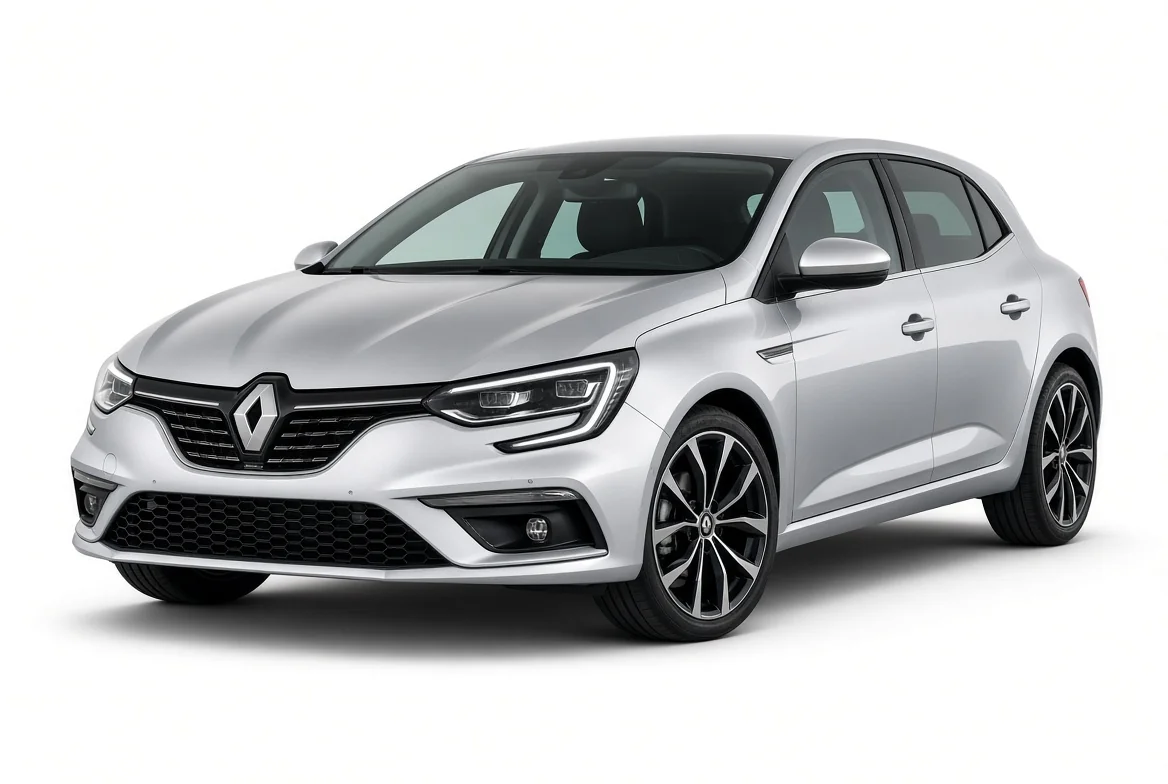
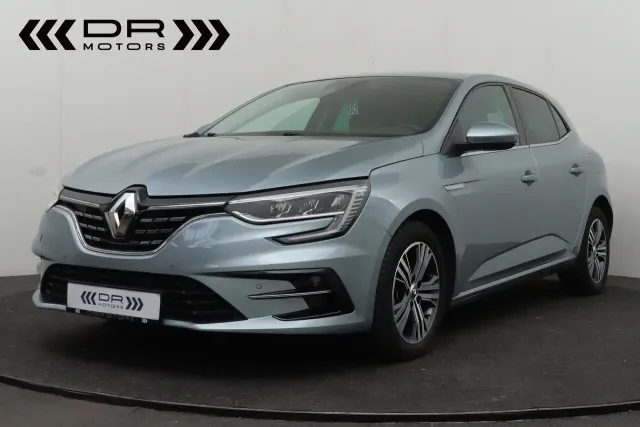
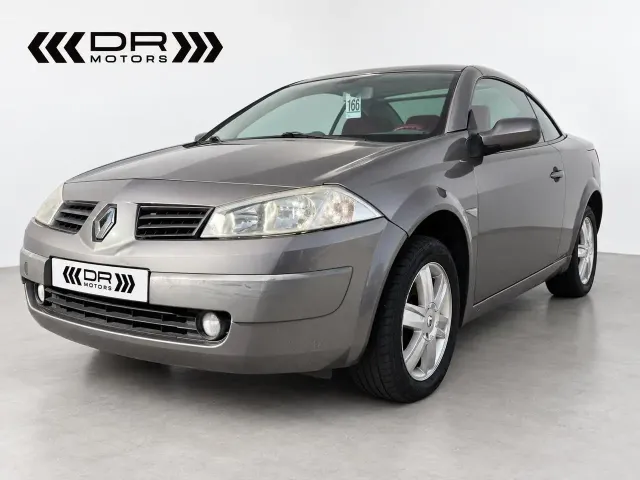
Renault Megane
MK4 · 2016 – 2022
The fourth Mégane (MK4), on the CMF-CD platform with a comfort-focused ride.
Peugeot 308
Pick the P51 for the most modern 308 with the widest powertrain range, from efficient hybrids to the electric e-308.
Renault Megane
Pick the MK4 for the comfortable, roomy Mégane with a proven and efficient engine range.
Performance
1.2 PureTech 130 · Petrol vs 1.3 TCe 140 · Petrol
| Peugeot 308 | Renault Megane | |
|---|---|---|
| Power |
130 hp
|
140 hp
Winner
|
| Torque |
230 Nm
|
240 Nm
Winner
|
| 0–100 km/h |
9,4 s
Winner
|
9,5 s
|
| Top speed |
205 km/h
|
205 km/h
|
| Power-to-weight |
104,8 hp/t
|
109,4 hp/t
Winner
|
| CO₂ emissions (WLTP) |
118 g/km
Winner
|
119 g/km
|
| Consumption (WLTP) |
5,0 L/100km
Winner
|
5,6 L/100km
|
Dimensions & space
| Peugeot 308 | Renault Megane | |
|---|---|---|
| Boot |
412 L
Winner
|
402 L
|
| Boot (seats folded) |
1.270 L
Winner
|
1.240 L
|
| Wheelbase |
2,68 m
Winner
|
2,67 m
|
| Length |
4,37 m
|
4,36 m
|
| Ground clearance |
—
|
—
|
| Turning circle |
10,4 m
Winner
|
11,1 m
|
| Towing capacity (braked) |
1.500 kg
|
1.500 kg
|
Powertrain & tech
| Peugeot 308 | Renault Megane | |
|---|---|---|
| Platform | EMP2 (modular) | CMF-CD |
| Drive | Front-wheel drive | Front-wheel drive |
| Engine family | 1.2 PureTech · 1.2 Hybrid (48V) · 1.5 BlueHDi · Hybrid PHEV · e-308 (EV) | 1.2 TCe · 1.3 TCe · 1.6 TCe (GT) · 1.5 Blue dCi · 1.6 dCi · E-Tech PHEV |
| Transmission | 6-speed manual · EAT8 | 6-speed manual · EDC7 |
| Fuel | Petrol | Petrol |
| Euro standard | Euro 6d | Euro 6d |
| LEZ access | Unrestricted access (compliant under current legislation) | Unrestricted access (compliant under current legislation) |
Reliability & watch-outs
Known issues
- 1.2 PureTech: wet belt on early cars
- 1.5 BlueHDi: AdBlue and chain
- Infotainment software needs updates
- 1.2 TCe (H5F, pre-2018): oil consumption and timing chain
- EDC6: jerky shifts at low speed
- Electronics and infotainment: freezes
Pros
- Modern design and i-Cockpit with a big screen
- Widest powertrain range: from diesel to electric
- All-electric e-308 (~400+ km WLTP)
- Comfortable, well-balanced ride
- Roomy boot for the class (384–402 L)
- Proven 1.3 TCe and efficient 1.5 Blue dCi
Cons
- 1.2 PureTech (early cars) carries the wet belt
- Boot smaller than class leaders
- 1.2 TCe (early years): oil consumption and chain risk
- EDC automatic can be juddery
Driving experience
Peugeot 308
The P51 leans on the same EMP2 bones as the old 308 but wears a sharper suit. It stays light and low, so the front axle turns in keenly and the car flows through corners without fuss, while the long wheelbase keeps it planted on the motorway. The small i-Cockpit wheel and raised dials are even more pronounced here and take a real acclimatisation; once settled, the steering feels quick and accurate and body roll stays well held. Most versions ride on a comfort-tuned rear that shrugs off broken tarmac, though big wheels firm things up. The 1.2 PureTech 130 is eager, the e-308 is near-silent and instant, and the EAT8 automatic shifts without drama. It is a composed, easy compact, not a hot hatch.
Renault Megane
Competent and composed for the compact class, with steering that is light but accurate enough for daily use. Body control is improved over the previous generation, with a comfortable ride on normal roads that becomes firmer on larger wheels. The 1.3 TCe and 1.5 Blue dCi feel responsive for everyday driving; the early 1.2 TCe is adequate when healthy but less refined. Manual gearboxes are straightforward, and the EDC dual-clutch is smooth at speed but can show low-speed hesitation or judder on some examples. RS versions are significantly firmer and more focused. Overall a refined, easy-to-drive compact rather than a driver's car.
Belgian taxes & LEZ
For sale at dealers
Peugeot 308
41 for sale · from € 3.850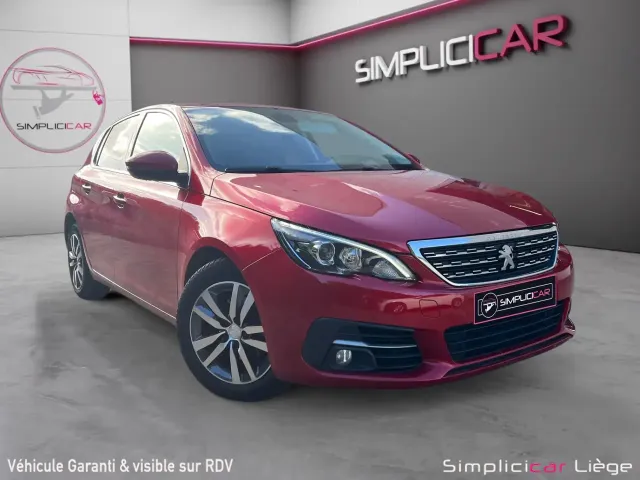
Peugeot 308 1.2 PureTech · Allure
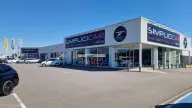 Simplici Car Liège
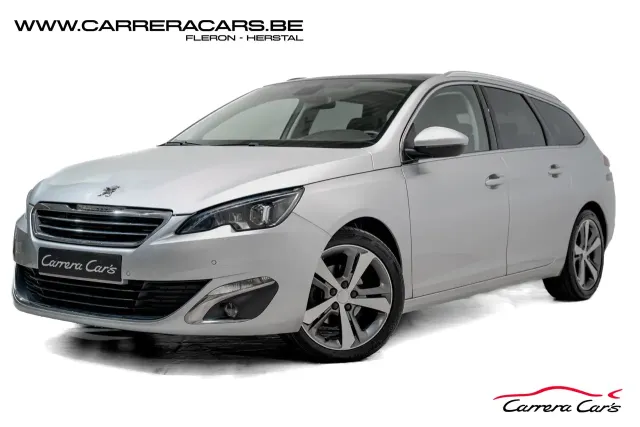
Peugeot 308 GT-Line · Panoramic roof · Navigation · LED
 Garage Carrera Cars
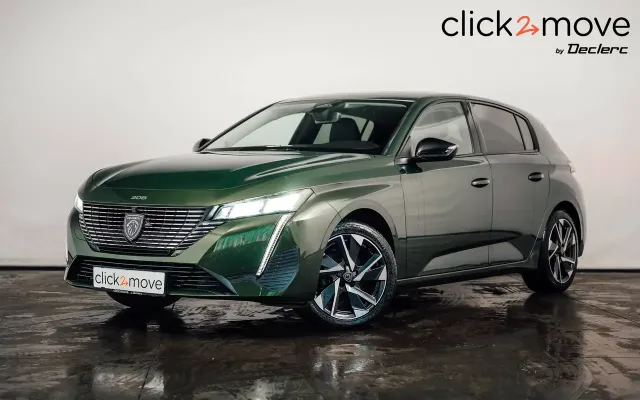
Peugeot 308 Allure · 360° camera · CarPlay · LED
 click2move by Declerc
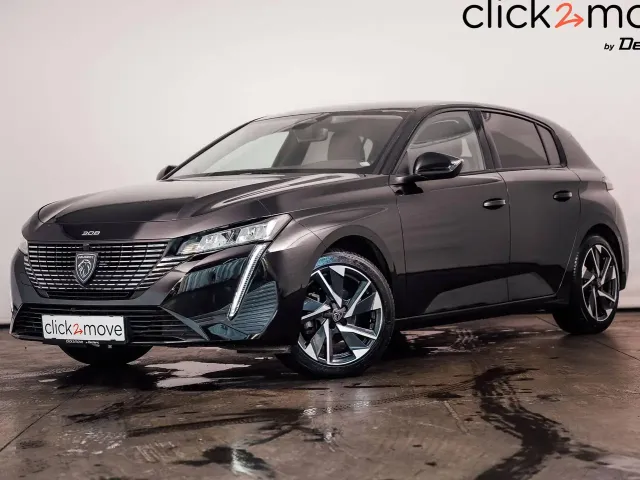
Peugeot 308 Allure · 360° camera · CarPlay · LED
click2move by Declerc