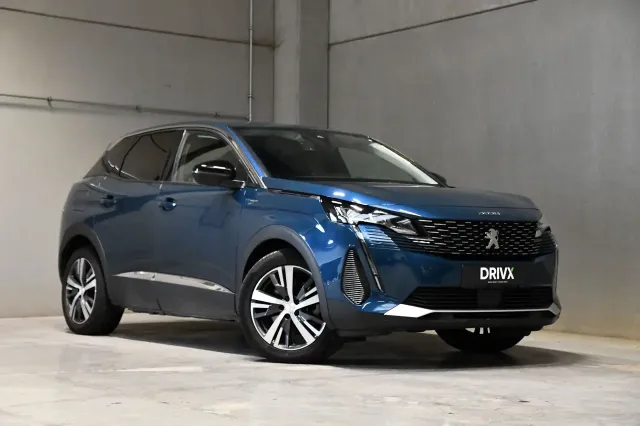
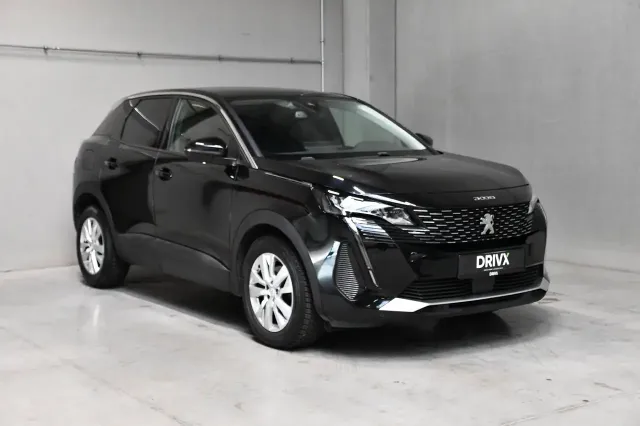
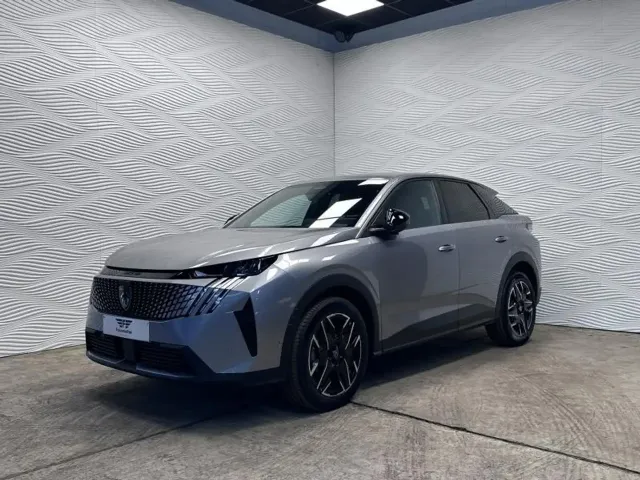
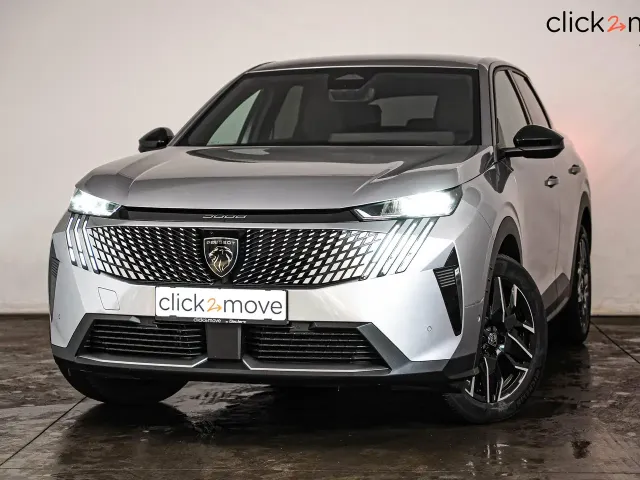
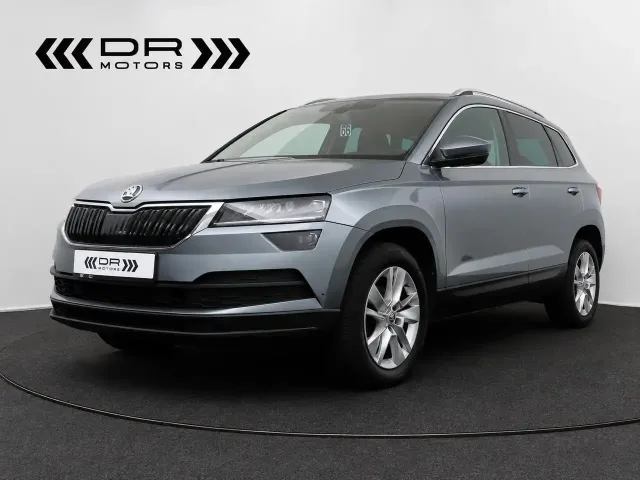
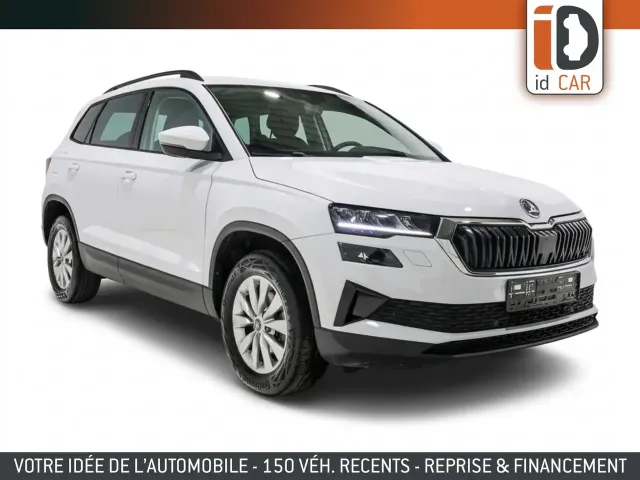
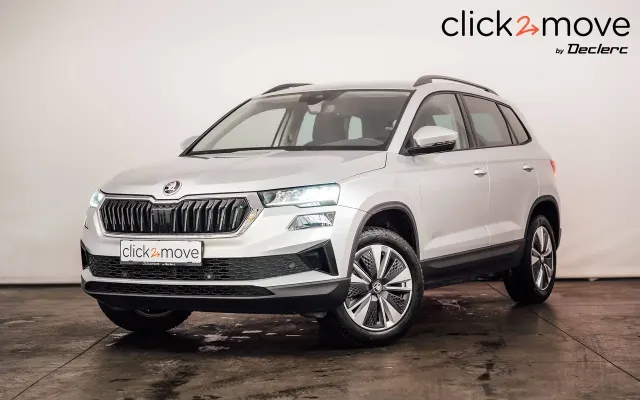
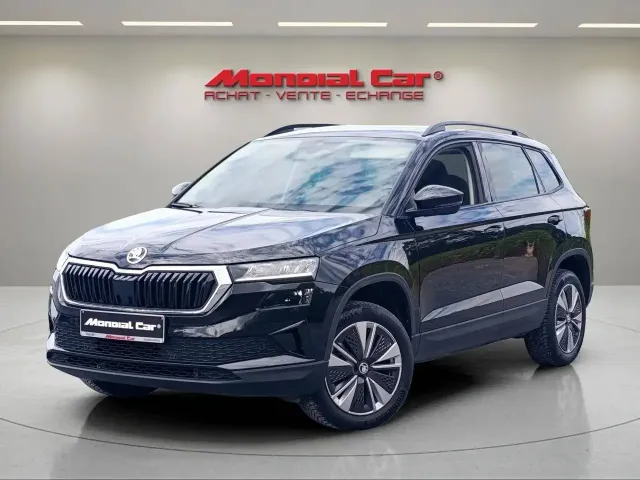
Peugeot 3008 P84 vs Skoda Karoq MK1
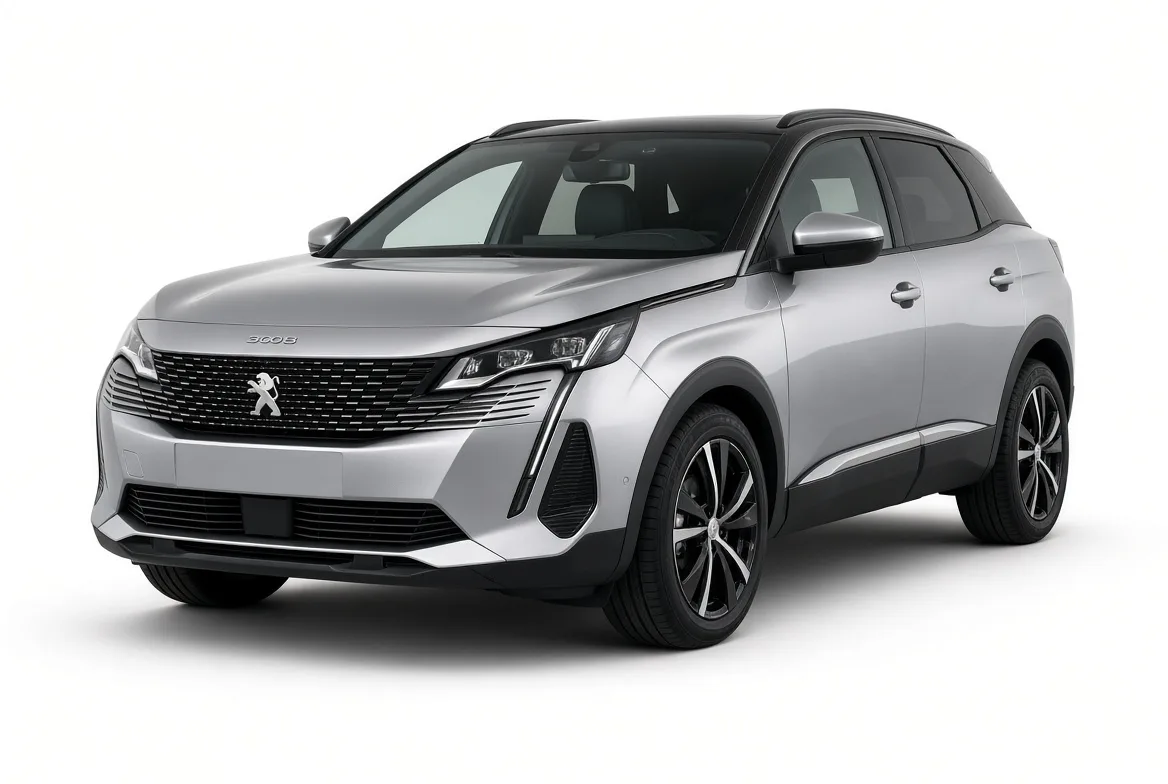
Peugeot 3008
P84 · 2016 – 2023
The second 3008 (P84), 2017 European Car of the Year on EMP2.
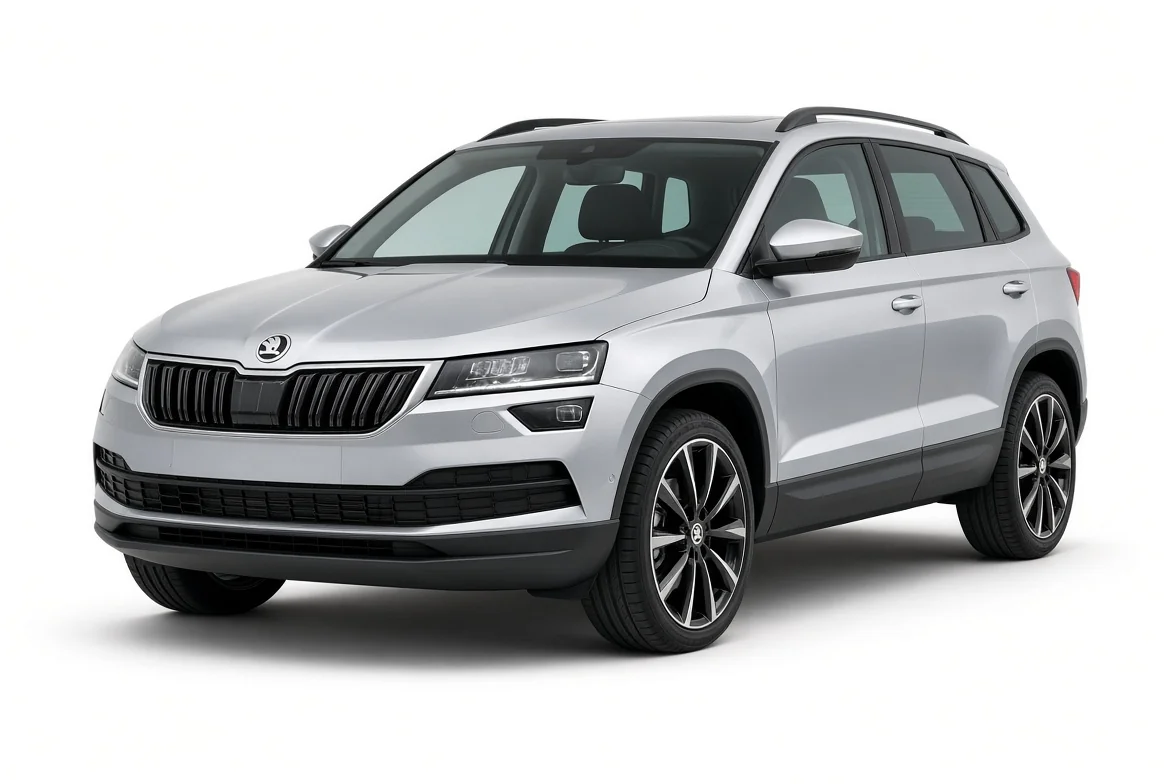
Skoda Karoq
MK1 · 2017 – 2026
The Karoq (MK1), on the MQB-A1 platform.
Peugeot 3008
Pick the P84 for the best all-round 3008: stylish, roomy and comfortable, with a strong diesel or PHEV choice.
Skoda Karoq
Pick the MK1 for a roomy, practical and comfortable family SUV with a sweet 1.5 TSI or strong 2.0 TDI.
Performance
1.2 PureTech 130 · Petrol vs 1.5 TSI 150 · Petrol
| Peugeot 3008 | Skoda Karoq | |
|---|---|---|
| Power |
130 hp
|
150 hp
Winner
|
| Torque |
230 Nm
|
250 Nm
Winner
|
| 0–100 km/h |
9,6 s
|
8,9 s
Winner
|
| Top speed |
205 km/h
|
205 km/h
|
| Power-to-weight |
98,5 hp/t
|
111,9 hp/t
Winner
|
| CO₂ emissions (WLTP) |
120 g/km
Winner
|
130 g/km
|
| Consumption (WLTP) |
5,2 L/100km
Winner
|
5,6 L/100km
|
Dimensions & space
| Peugeot 3008 | Skoda Karoq | |
|---|---|---|
| Boot |
520 L
Winner
|
479 L
|
| Boot (seats folded) |
1.480 L
|
1.605 L
Winner
|
| Wheelbase |
2,68 m
Winner
|
2,64 m
|
| Length |
4,45 m
|
4,38 m
|
| Ground clearance |
—
|
18,3 cm
|
| Turning circle |
10,7 m
Winner
|
11,3 m
|
| Towing capacity (braked) |
1.500 kg
|
2.000 kg
Winner
|
Powertrain & tech
| Peugeot 3008 | Skoda Karoq | |
|---|---|---|
| Platform | EMP2 (modular) | MQB-A1 (shared with the VW Tiguan) |
| Drive | Front-wheel drive · All-wheel drive | Front-wheel drive · All-wheel drive |
| Engine family | 1.2 PureTech · 1.6 PureTech petrol · 1.5/1.6/2.0 BlueHDi diesel · Hybrid/Hybrid4 PHEV | 1.0 TSI · 1.5 TSI · 2.0 TSI petrol · 1.6 TDI · 2.0 TDI diesel |
| Transmission | 6-speed manual · EAT6 | 6-speed manual · 7-speed DSG |
| Fuel | Petrol | Petrol |
| Euro standard | Euro 6d | Euro 6d |
| LEZ access | Unrestricted access (compliant under current legislation) | Unrestricted access (compliant under current legislation) |
Reliability & watch-outs
Known issues
- 1.2 PureTech: wet timing belt (until ~2021)
- BlueHDi: AdBlue/SCR and DPF
- 1.5 BlueHDi: timing chain on early units
- 1.5 TSI: kangarooing on early cars
- DSG: jerkiness at low speed
- 2.0 TDI: DPF/AdBlue and timing belt
Pros
- Slick i-Cockpit and quality interior
- Roomy boot (520 litres)
- Strong diesels and efficient PHEVs
- Roomy boot and variable rear seats
- Comfortable and practical
- Strong 2.0 TDI
Cons
- 1.2 PureTech: wet belt until ~2021
- Rear bench tight for three adults
- Sparse base equipment
- Interior with hard plastics
- Not focused on sharp dynamics
Driving experience
Peugeot 3008
The P84 drives more like a raised hatchback than a tall SUV. It sits on the same EMP2 bones as the 308, so it stays light on its feet, and the high-set i-Cockpit gives a commanding view without dulling the steering. The small wheel and raised dials take a short acclimatisation, then the front end feels quick and accurate while body roll stays contained. Most versions use a comfort-tuned torsion-beam rear that soaks up broken tarmac cleanly; big wheels and firmer GT damping add a touch of fidget. The 1.2 PureTech is eager, the 2.0 BlueHDi pulls strongly and quietly, and the EAT8 automatic shifts without drama. It is an easy, comfortable family crossover, not a sharp one.
Skoda Karoq
Composed and secure for a compact SUV of its era, with light steering that suits motorway and urban driving. The ride is comfortable on standard wheels, and body roll is present yet managed. Diesels deliver strong low-end torque for motorway use. It prioritises comfort and practicality over sharp dynamics, with good visibility.
Belgian taxes & LEZ