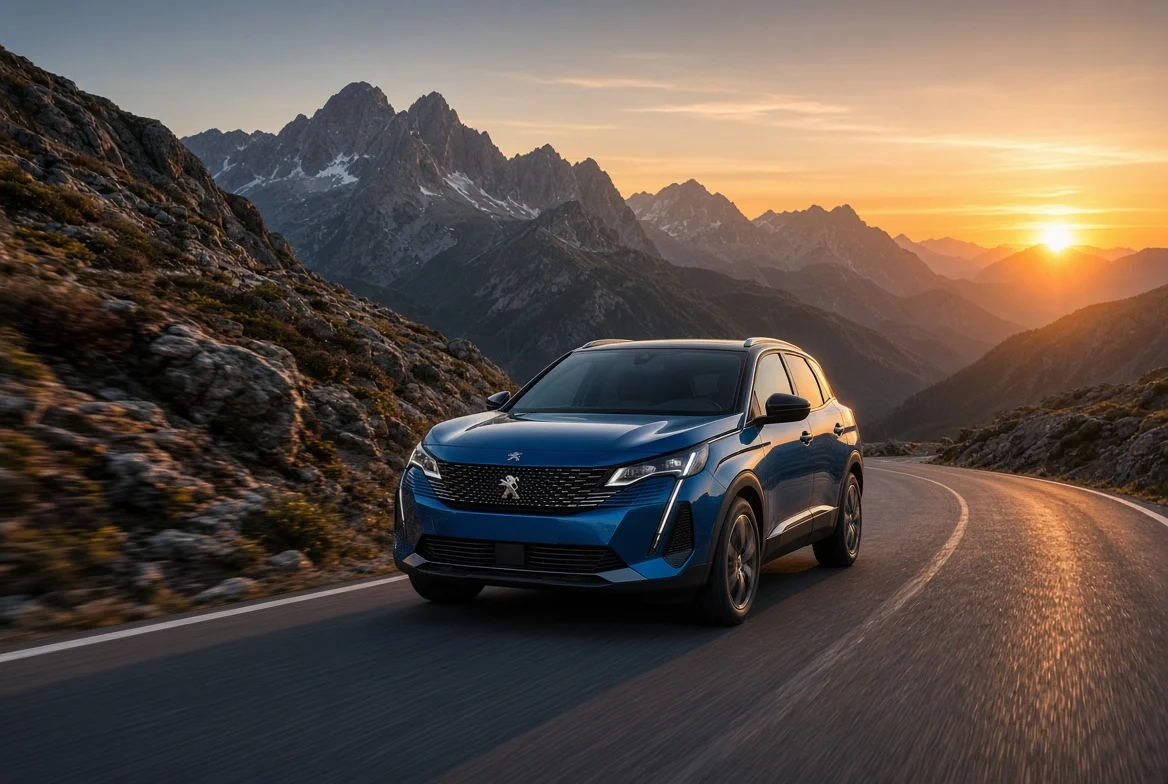

Peugeot 3008 III (P64) — complete buyer's guide
The complete reference for the third-generation Peugeot 3008 (P64, 2023–present): the STLA Medium platform, dimensions, every mild-hybrid, plug-in hybrid and electric powertrain, known issues and a used-buyer checklist.
Production and platform
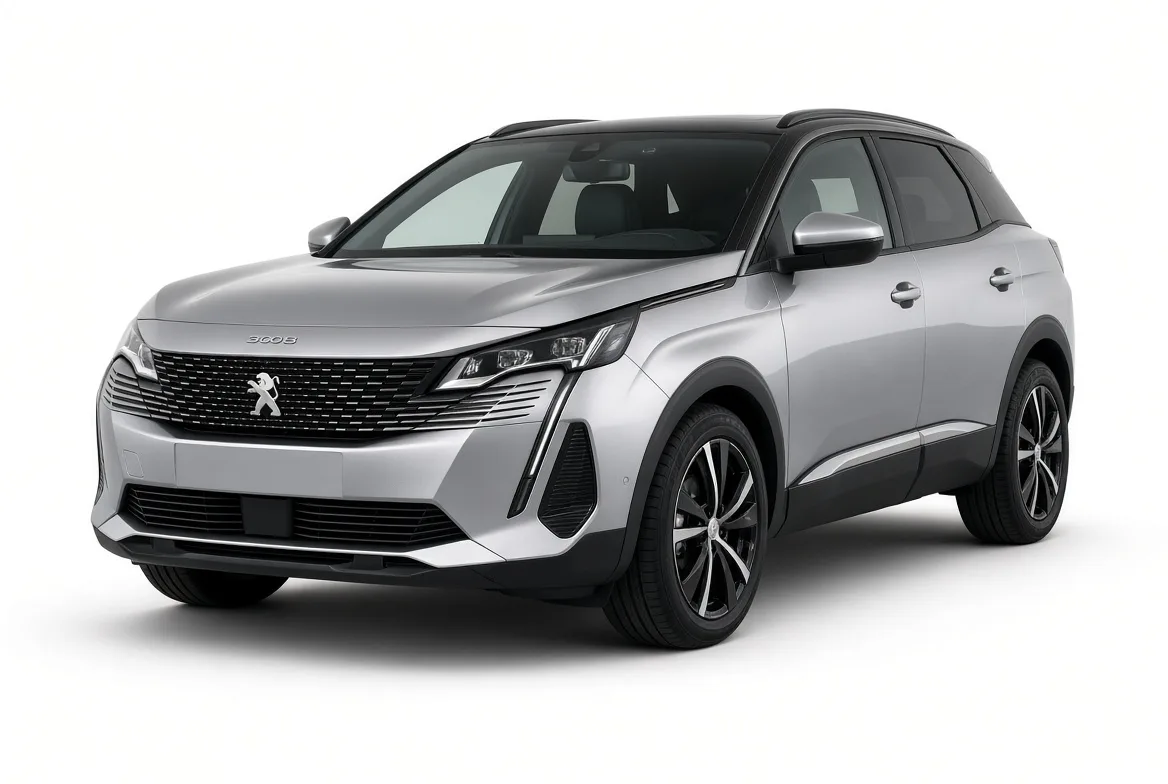
Third-generation 3008, internally coded P64. Produced from 2023/2024–present. Built on the STLA Medium platform (shared with the 5008 III and related models). Compact crossover/SUV. Front-wheel drive (some dual-motor AWD electric variants). Available as mild-hybrid petrol, plug-in hybrid and fully electric (e-3008). Related to the 5008 III in the range; more crossover-oriented than pure MPV.
Dimensions and practicality
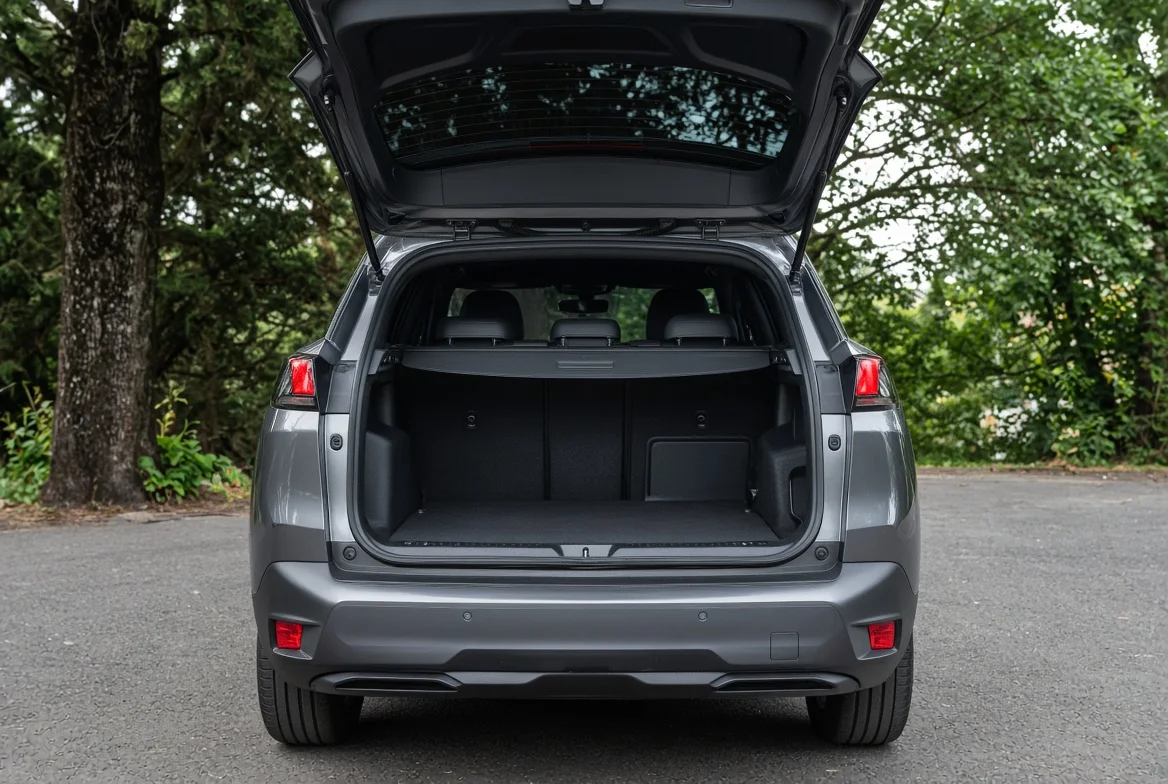
Length about 4,542 mm, width about 1,895 mm, height about 1,641 mm, wheelbase 2,739 mm. Boot about 520 litres (up to about 1,480 litres with the rear seats folded). Fuel tank about 55 litres (hybrid/PHEV); battery capacity varies (electric). A practical compact crossover. The boot is adequate for the class. The rear seat is usable for adults. The cabin is modern with i-Cockpit. The ride is generally comfortable; higher-spec versions on larger wheels can be firmer.
Driving experience
The P64 is the 3008 that moved to a dedicated electric-first platform, and it drives with a calm, planted feel. Built on the STLA Medium bones shared with the 5008 III, it carries its battery low, so the body stays stable through corners and the ride shrugs off broken tarmac. The small i-Cockpit wheel and raised dials need a short acclimatisation, then the steering feels accurate and the car settles into an easy rhythm. The 1.2 Hybrid is eager, the e-3008 delivers instant, near-silent torque, and the e-DCS7 automatic shifts smoothly. It is a comfortable, easy crossover, not a sporty one.
Engines
Mild-hybrid petrol
| Engine | Power | Torque | 0–100 km/h | |
|---|---|---|---|---|
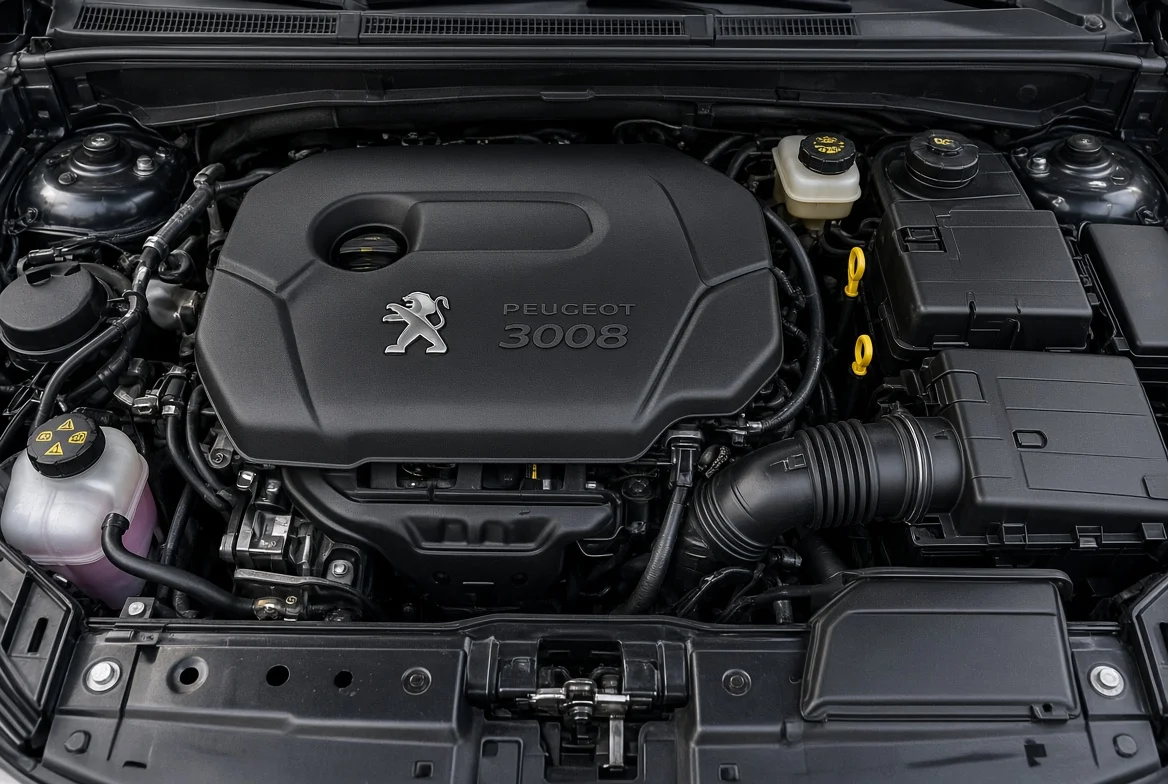
| 1.2 Hybrid 136 / 145 Timing chain | 1.2 L · 3-cyl turbo + e-motor (48V) | 136–145 hp100–107 kW | ~230 Nm | ~10 s |
Plug-in hybrid
| Engine | Power | Torque | 0–100 km/h | |
|---|---|---|---|---|
| 1.6 PHEV 195 | 1.6 L · 4-cyl turbo + e-motor | ~195 hp~143 kW | ~360 Nm | ~7–8 s |
Electric (e-3008)
| Engine | Power | Torque | 0–100 km/h | |
|---|---|---|---|---|
| Electric 210 FWD | Electric motor · ~73 kWh | 210–213 hp~155 kW | ~345 Nm | ~8–9 s |
| Electric 230 Long Range FWD | Electric motor · ~97–99 kWh | 230–231 hp~169 kW | ~345 Nm | ~8–9 s |
| Dual Motor 320 / 325 AWD | 2 electric motors · ~73 kWh | 320–325 hp~235–239 kW | ~509 Nm | ~6 s |
Transmissions and drive
Front-wheel drive as standard; the electric Dual Motor is all-wheel drive. 6-speed dual-clutch (e-DCS6) or 7-speed dual-clutch (e-DCS7) for hybrids; single-speed for electric.
Common issues and weak points
1.2 Hybrid
- Timing chain (improved over the previous wet-belt PureTech). Early e-DCS6 gearbox issues reported (selection mechanism, software). Prefer later examples with software updates.
PHEV
- Hybrid system and battery checks essential. High-voltage components require specialist diagnostics.
Electric (e-3008)
- Battery health and charging system need verification. Software updates are important.
Other
- Suspension components (control-arm bushes) can wear. Electronics and infotainment bugs reported on early cars. Some VIN-specific recalls (gearbox, suspension, etc.).
- Prefer later examples with full history and completed software updates. Avoid very early production cars without evidence of updates. Hybrid/PHEV cars need system verification.
What to check when buying
- Confirm the exact powertrain (mild-hybrid, PHEV or electric) and year. Full service history and Car-Pass essential.
- Verify all recalls have been completed (VIN check), especially gearbox and suspension campaigns.
- On Hybrid: check gearbox smoothness and any software-update history.
- On PHEV: check the hybrid system and battery health.
- On Electric: check battery state of health and charging history.
- Inspect the suspension for knocks. Check tyre wear and brakes.
- Test all electronics, the air conditioning and gearbox smoothness.
- Listen for unusual noises. Prefer unmodified cars with complete history.
- Take a test drive and watch for chassis feel and any warning lights.
Running costs
Indicative costs for normal Belgian/EU use (approximate 2026 figures). Actual figures vary by region, driving style and service location.
Fuel / energy consumption
- Mild-hybrid (1.2 Hybrid): typically 5.5–7 L/100 km mixed.
- PHEV: highly dependent on charging; can be very low when charged regularly.
- Electric: typically 15–20 kWh/100 km mixed (varies by conditions).
Maintenance
Low to moderate for a compact crossover when well maintained. The hybrid system and dual-clutch gearbox are the main potential cost items. Independent specialists help keep bills down. Electric versions have lower mechanical maintenance but higher battery/system costs if issues arise. Budget higher on high-mileage or neglected examples.
Road tax / registration (Belgium)
Varies by engine, power, CO₂ and region. Lower-powered and electric versions are generally more favourable. Calculate for the specific variant.
Insurance
Reasonable for the class. Higher-powered versions cost more.
LEZ / low-emission zones
All versions are unrestricted in Belgian/EU low-emission zones (Euro 6).
Market position
A plentiful and affordable used compact crossover. Well-maintained later mild-hybrid and electric examples are the most sought-after. Early production cars without updates are cheaper but riskier. The best examples have full history, moderate mileage and evidence of careful ownership. A sorted P64 offers good style, comfort and efficiency for the segment, but powertrain selection and software status are critical.
Summary
This generation is a practical, stylish and efficient compact crossover when the right powertrain is chosen and service history is complete. The 1.2 Hybrid uses a timing chain (improved over previous generations); early e-DCS6 gearboxes need verification. Electric versions require battery health checks. Later cars with full history and software updates are preferred. Ownership costs are generally moderate, but neglected examples can become expensive.
Belgian taxes & LEZ
Used Peugeot 3008 for sale
View all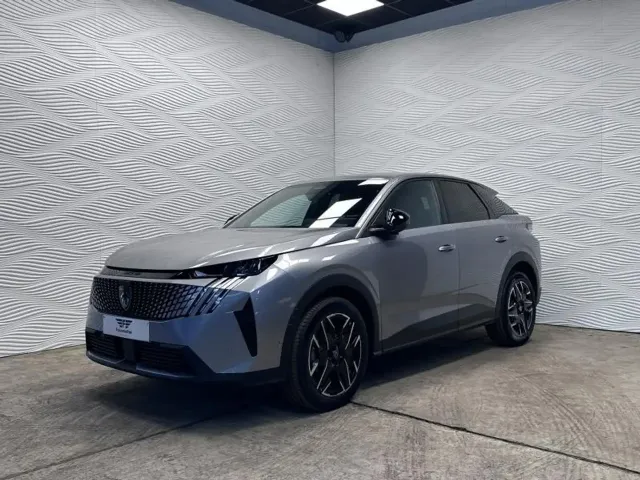
Peugeot 3008 360° camera · CarPlay · LED
 Falcomotive
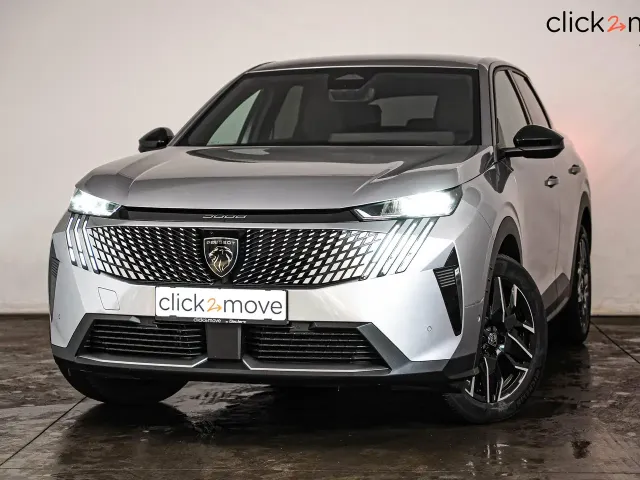
Peugeot 3008 plug-in hybrid · Allure · Camera · CarPlay · LED
 click2move by Declerc
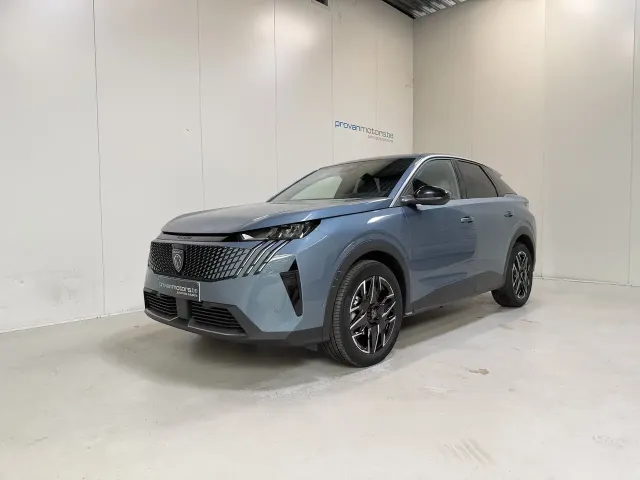
Peugeot 3008 360° camera · CarPlay · LED
 Provan Motors
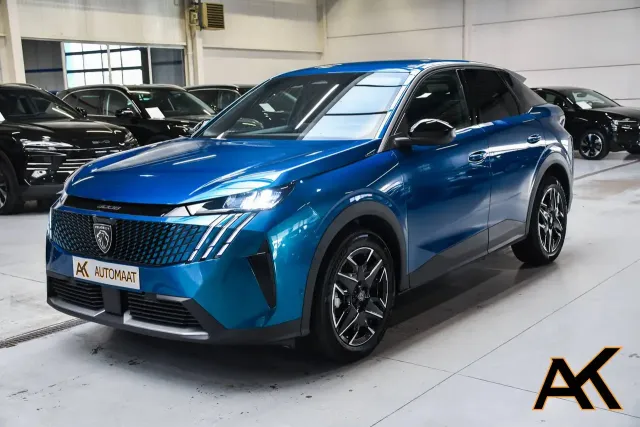
Peugeot 3008 plug-in hybrid · Allure · 360° camera · CarPlay · Navig…
 Auto's Kris nv