Peugeot 208 A9 vs Peugeot 208 P21
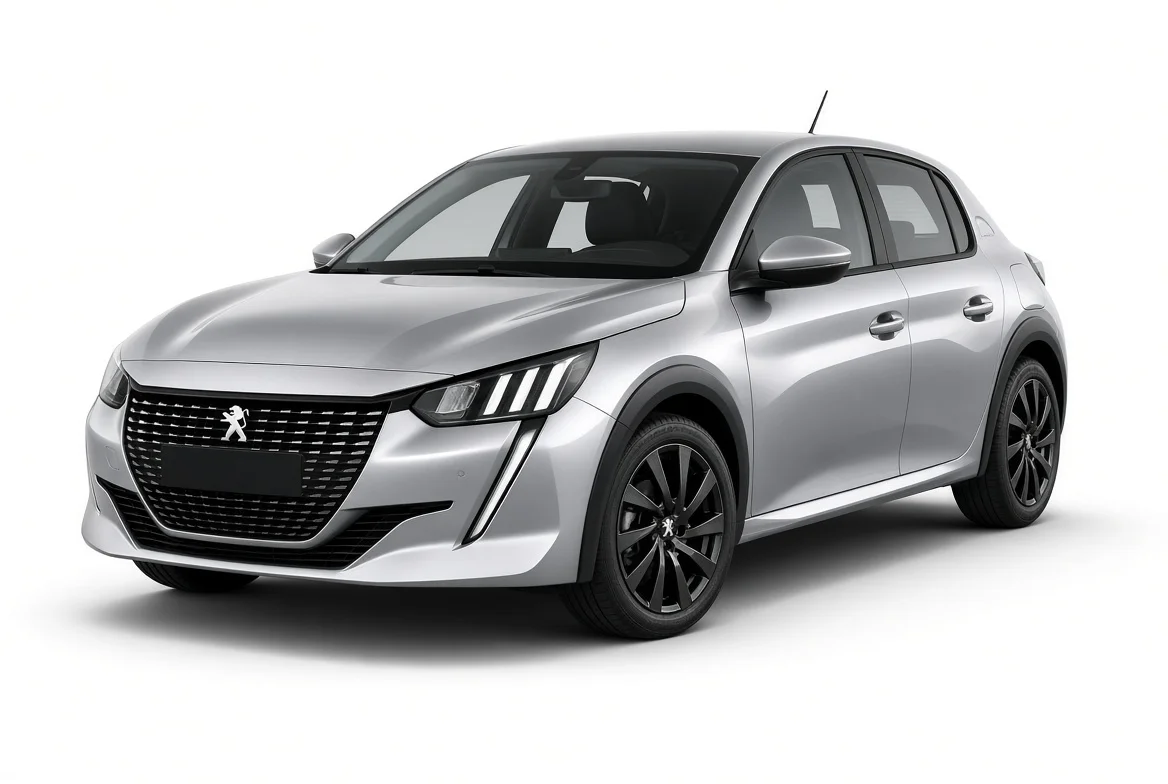
Peugeot 208
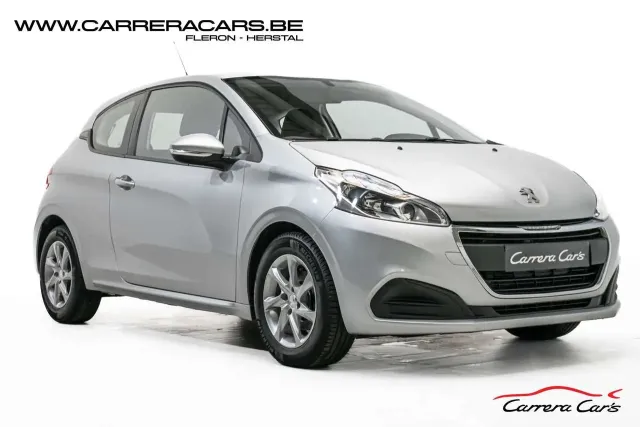
A9 · 2012 – 2019
The first 208 (A9), a supermini on PF1.
Peugeot 208
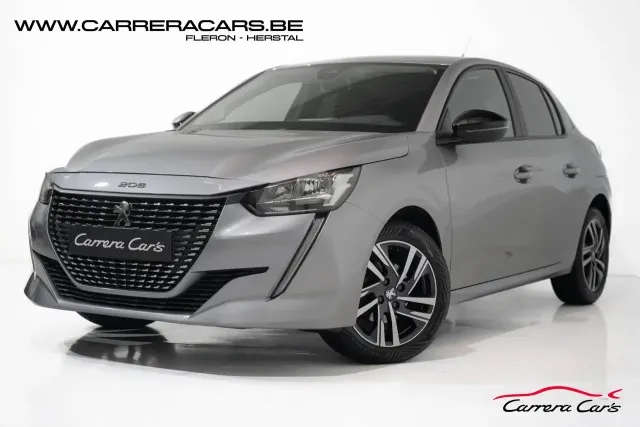
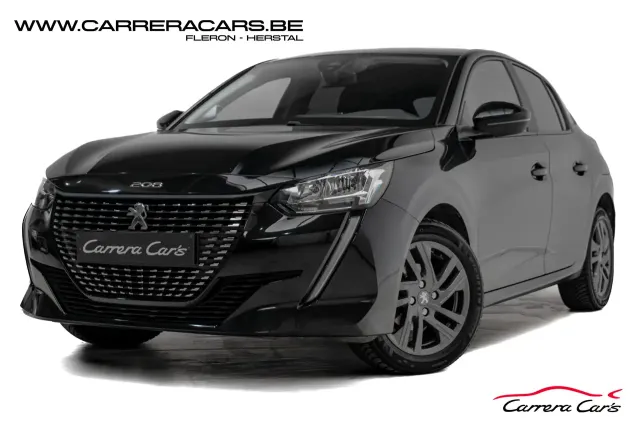
P21 · 2019 – 2026
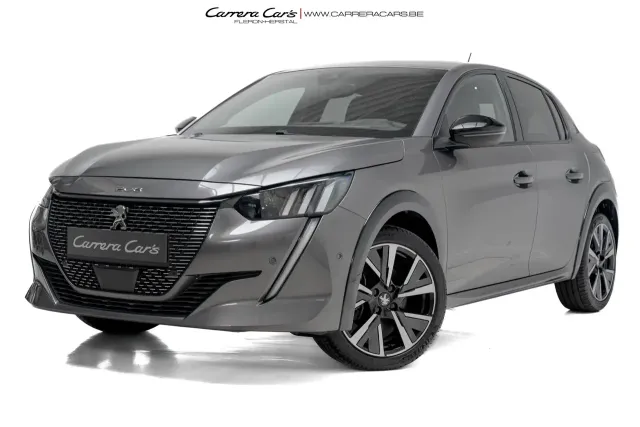
The second 208 (P21), on the CMP platform with the electric e-208.
Peugeot 208
Pick the A9 for an affordable, stylish early 208 with a roomy boot for its class.
Peugeot 208
Pick the P21 for the modern 208 with sharp design and the electric e-208.
Performance
1.2 PureTech 110 · Petrol vs 1.2 PureTech 100 · Petrol
| Peugeot 208 | Peugeot 208 | |
|---|---|---|
| Power |
110 hp
Winner
|
100 hp
|
| Torque |
205 Nm
|
205 Nm
|
| 0–100 km/h |
10,5 s
|
9,5 s
Winner
|
| Top speed |
190 km/h
Winner
|
188 km/h
|
| Power-to-weight |
104,8 hp/t
Winner
|
90,9 hp/t
|
| CO₂ emissions (WLTP) |
105 g/km
Winner
|
108 g/km
|
| Consumption (WLTP) |
4,8 L/100km
|
4,8 L/100km
|
Dimensions & space
| Peugeot 208 | Peugeot 208 | |
|---|---|---|
| Boot |
311 L
Winner
|
309 L
|
| Boot (seats folded) |
1.152 L
Winner
|
1.035 L
|
| Wheelbase |
2,54 m
|
2,54 m
Winner
|
| Length |
3,96 m
|
4,06 m
|
| Ground clearance |
—
|
—
|
| Turning circle |
10,4 m
|
10,4 m
|
| Towing capacity (braked) |
1.150 kg
|
1.200 kg
Winner
|
Powertrain & tech
| Peugeot 208 | Peugeot 208 | |
|---|---|---|
| Platform | PF1 | CMP |
| Drive | Front-wheel drive | Front-wheel drive |
| Engine family | 1.0/1.2 PureTech · 1.4/1.6 VTi · 1.6 THP petrol · 1.4/1.5/1.6 HDi/BlueHDi diesel | 1.2 PureTech · 1.2 Hybrid (48V) · 1.5 BlueHDi · e-208 (EV) |
| Transmission | 5-speed manual | 6-speed manual |
| Fuel | Petrol | Petrol |
| Euro standard | Euro 6 | Euro 6d |
| LEZ access | Unrestricted access (compliant under current legislation) | Unrestricted access (compliant under current legislation) |
Reliability & watch-outs
Known issues
- 1.2 PureTech: wet timing belt
- 1.6 THP: timing chain and tensioner
- HDi: DPF/EGR at high mileage
- 1.2 PureTech: wet timing belt (until ~2022–23)
- 1.5 BlueHDi: AdBlue and chain on early units
- Infotainment software needs updates
Pros
- Sharp design with i-Cockpit
- Affordable with a large used supply
- Compact and agile
- Modern i-Cockpit with digital cluster
- All-electric e-208 (~400 km WLTP)
- Smooth and efficient engines
Cons
- 1.2 PureTech carries the wet belt
- Small boot
- 1.2 PureTech: wet belt until ~2022–23
- Tight rear seat
Driving experience
Peugeot 208
The A9 is the 208 that made Peugeot fun again. Built on the ageing PF1 platform, it stays small and light, so the front axle darts into corners and the car feels keen without ever being nervous. The tiny steering wheel (an early i-Cockpit cue on higher trims) and low-set dials take a moment to get used to, then the steering feels quick and the body stays tidy through bends. Most versions ride on a comfort-tuned rear that copes well with city tarmac, though bigger wheels firm things up. The 1.2 PureTech is lively, the 1.6 BlueHDi is frugal and relaxed, and the GTi is genuinely quick. It is a nimble, easy supermini, not a hot hatch in most trims.
Peugeot 208
The P21's trick is how light and eager it feels. Built on the CMP platform shared with the 2008 and Corsa, it keeps mass down, so the front axle changes direction keenly and the car shrinks around you in town. The small i-Cockpit wheel and raised digital dials take a short acclimatisation, then the steering feels fast and accurate while body roll stays tidy. Most versions run a comfort-tuned rear that copes well with broken city tarmac, and the ride stays settled for such a small car. The 1.2 PureTech 100 is lively, the e-208 is near-silent and instantly responsive, and the EAT8 automatic shuffles smoothly. It is an easy, stylish supermini, not a hot hatch.
Belgian taxes & LEZ