Peugeot 208 vs Volkswagen Polo
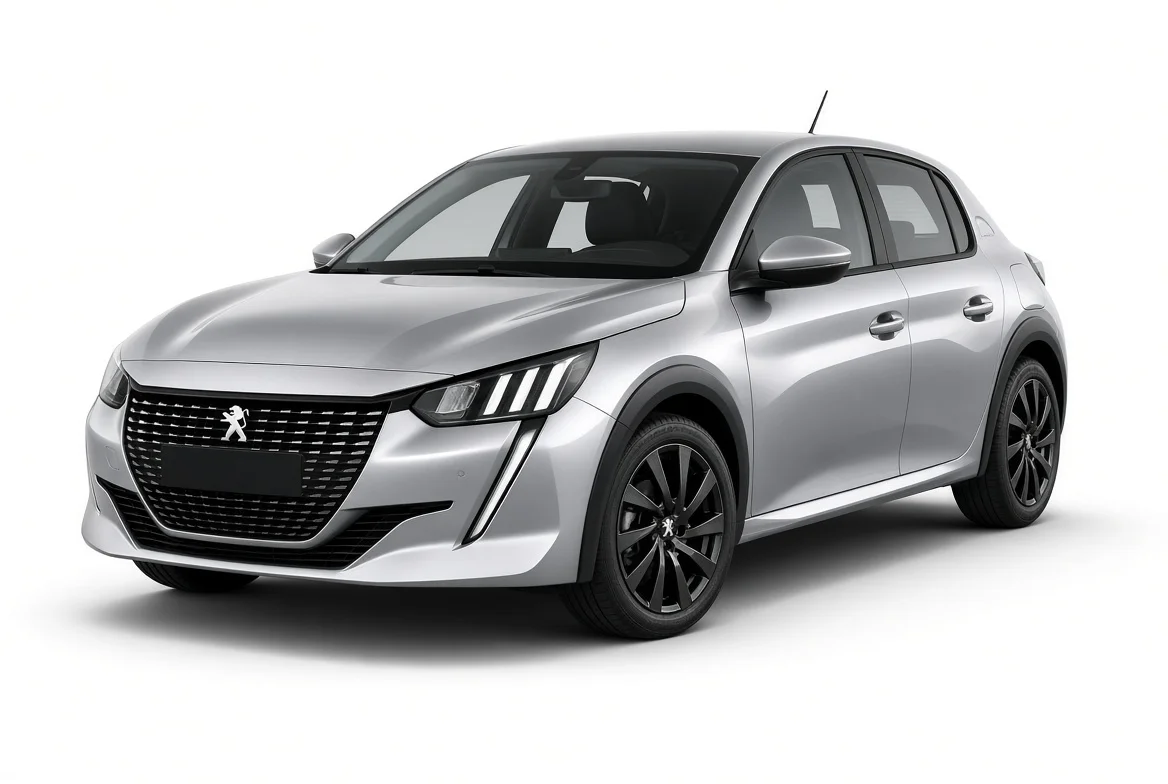
Peugeot 208
Peugeot’s sharp-design supermini.
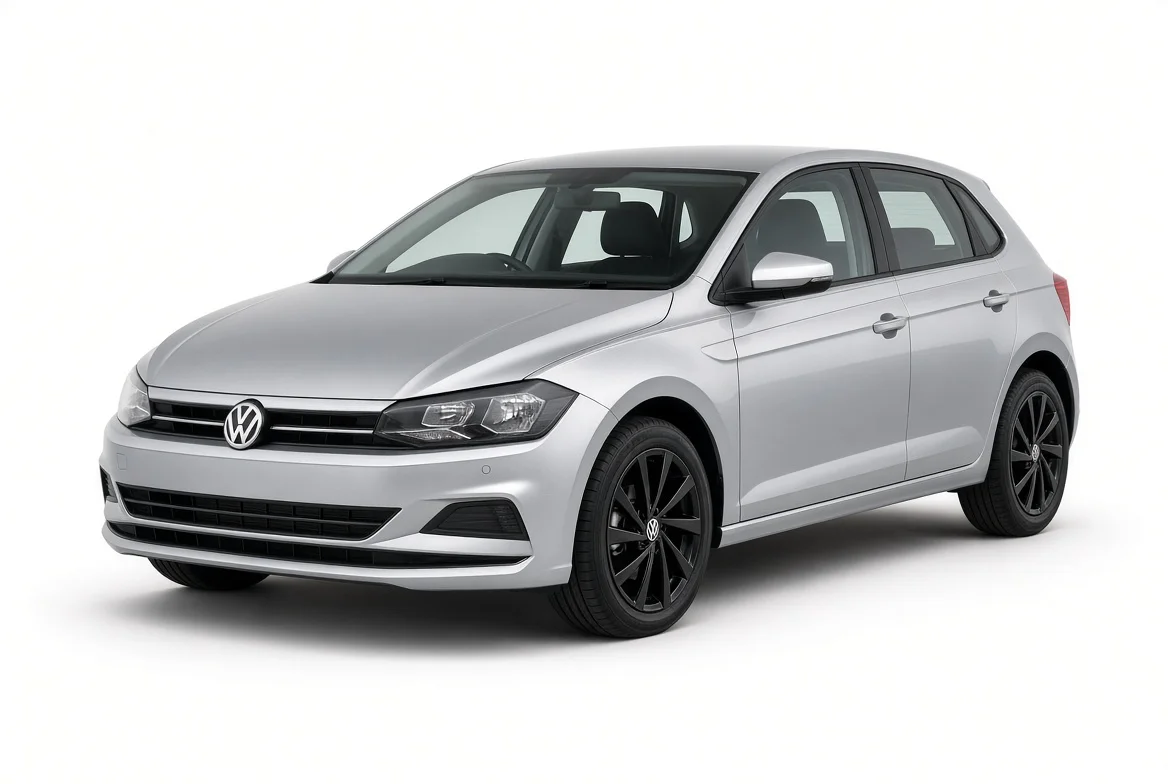
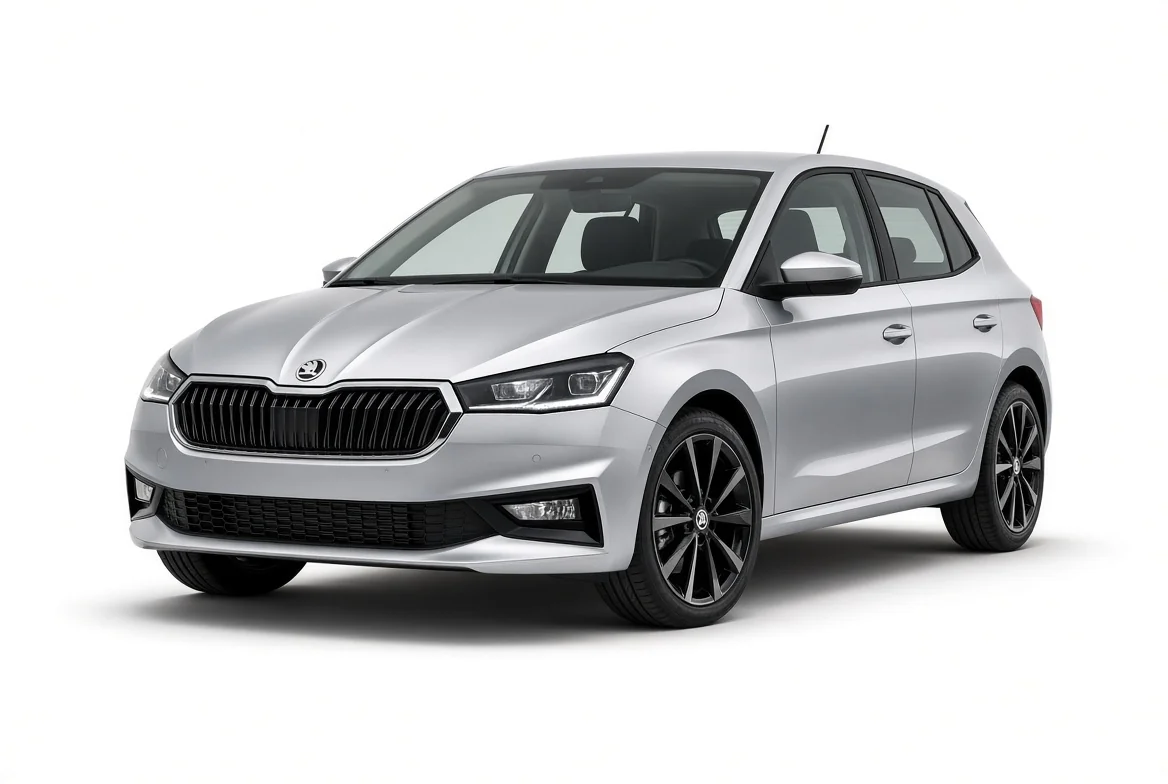
Volkswagen Polo
Volkswagen’s supermini.
Peugeot 208
Pick the 208 for a compact, stylish supermini with an efficient and wide powertrain range.
Volkswagen Polo
Pick the Polo for a mature, thrifty supermini with low running costs and solid build quality.
Performance
1.2 PureTech 100 · Petrol vs 1.0 TSI 110 · Petrol
| Peugeot 208 | Volkswagen Polo | |
|---|---|---|
| Power |
100 hp
|
110 hp
Winner
|
| Torque |
205 Nm
Winner
|
200 Nm
|
| 0–100 km/h |
9,5 s
Winner
|
10,0 s
|
| Top speed |
188 km/h
|
196 km/h
Winner
|
| Power-to-weight |
90,9 hp/t
|
97,3 hp/t
Winner
|
| CO₂ emissions (WLTP) |
108 g/km
Winner
|
113 g/km
|
| Consumption (WLTP) |
4,8 L/100km
Winner
|
5,0 L/100km
|
Dimensions & space
| Peugeot 208 | Volkswagen Polo | |
|---|---|---|
| Boot |
309 L
|
351 L
Winner
|
| Boot (seats folded) |
1.035 L
|
1.125 L
Winner
|
| Wheelbase |
2,54 m
|
2,55 m
Winner
|
| Length |
4,06 m
|
4,07 m
|
| Width |
1,75 m
|
1,75 m
|
| Height |
1,43 m
|
1,45 m
|
| Seats |
5
|
5
|
Powertrain & tech
| Peugeot 208 | Volkswagen Polo | |
|---|---|---|
| Platform | PF1 (A9) · CMP (P21) | PQ25 (6R) · MQB A0 (AW) |
| Drive | Front-wheel drive | Front-wheel drive |
| Engine family | 1.2 PureTech · 1.6 THP · 1.5 BlueHDi · 1.2 Hybrid · e-208 | EA111/EA211/EA211 Evo petrol · EA888 (GTI) · EA189/EA288 diesel |
| Fuel | Petrol · Diesel · Electric | Petrol · Diesel |
| Transmission | 5/6-speed manual · EAT6/EAT8 automatic · e-DSC6 | 5/6-speed manual · 7-speed DSG |
| Euro standard | Euro 5/6 (A9) · Euro 6/6d (P21) · N/A (e-208) | Euro 5 (early) · Euro 6/6d (later) |
| LEZ access | Euro 6/6d petrol/diesel and the e-208 allowed in the LEZ | Euro 6 petrol/diesel allowed in the LEZ (Brussels/Antwerp/Ghent) |
Reliability & watch-outs
Known issues
- 1.2 PureTech: wet timing belt (until ~2022–23)
- 1.5 BlueHDi: AdBlue and chain on early units
- 1.6 THP (GTi): timing chain
- DQ200 DSG shift quality (dry clutch)
- EA111 chain on early 6R TSI (pre-2014)
- Timing belt + water pump (EA211)
Pros
- Sharp design and i-Cockpit
- Efficient, wide engine range (up to e-208)
- Compact and agile
- Compact, agile and easy to park
- Low running costs and insurance
- Solid build quality and residuals
Cons
- Tight rear seat
- Boot smaller than class leaders
- Tight rear bench on long trips (three adults)
- Base trims are sparsely equipped
Driving experience
Peugeot 208
The P21's trick is how light and eager it feels. Built on the CMP platform shared with the 2008 and Corsa, it keeps mass down, so the front axle changes direction keenly and the car shrinks around you in town. The small i-Cockpit wheel and raised digital dials take a short acclimatisation, then the steering feels fast and accurate while body roll stays tidy. Most versions run a comfort-tuned rear that copes well with broken city tarmac, and the ride stays settled for such a small car. The 1.2 PureTech 100 is lively, the e-208 is near-silent and instantly responsive, and the EAT8 automatic shuffles smoothly. It is an easy, stylish supermini, not a hot hatch.
Volkswagen Polo
Bigger, more comfortable and closer to a Golf in feel. The AW rides with noticeably better isolation and body control than the 6R, steers accurately with decent weighting, and stays quiet at speed for a supermini. The 1.0 TSI is the sensible pick — smooth and economical — the GTI adds real pace, and the 1.6 TDI is the long-distance choice. The DSG is smooth; the manual is light and precise. It is a more grown-up, more premium-feeling small car than the 6R, with a maturity close to the Golf in a smaller package.
Compare specific generations
Belgian taxes & LEZ
For sale at dealers
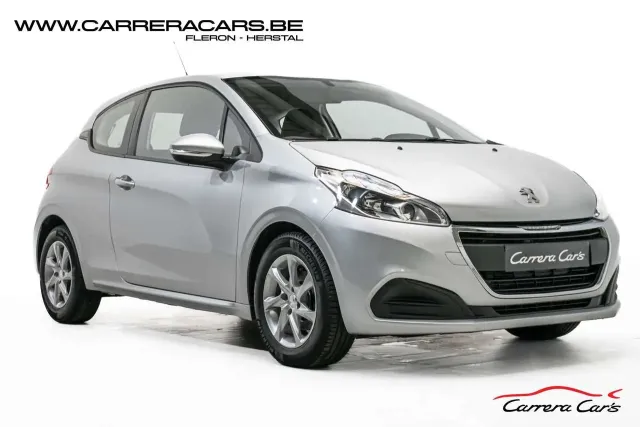
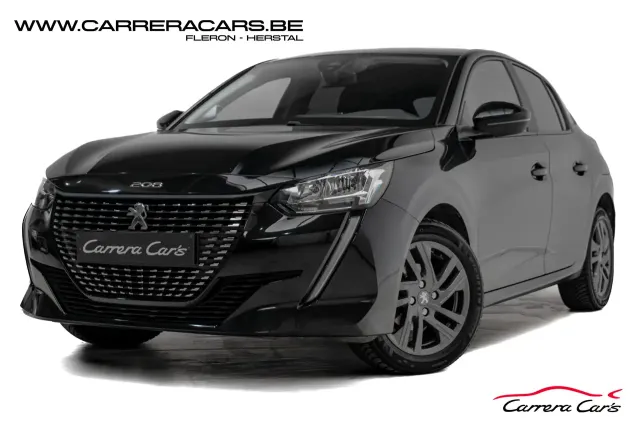
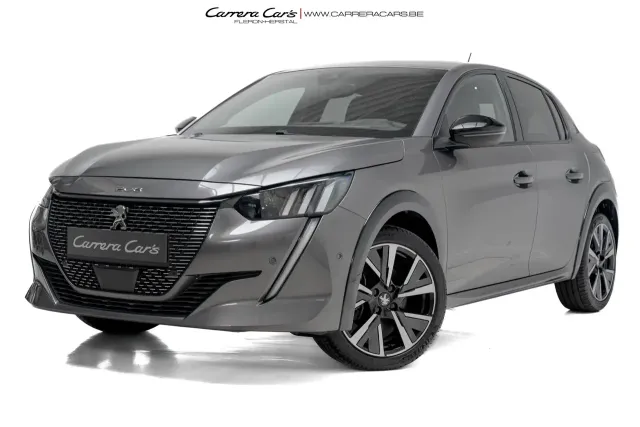
Peugeot 208
44 for sale · from € 2.990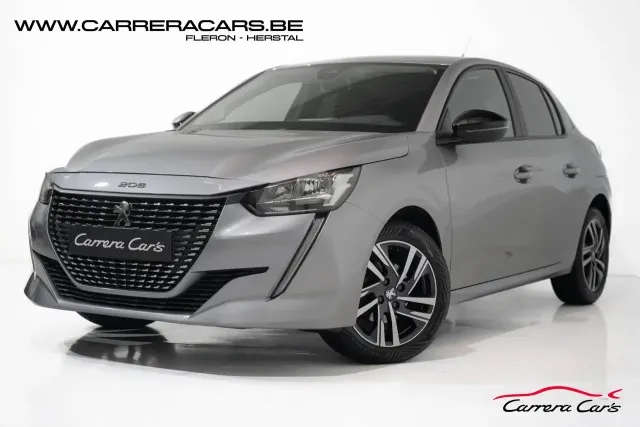
Volkswagen Polo
45 for sale · from € 1.150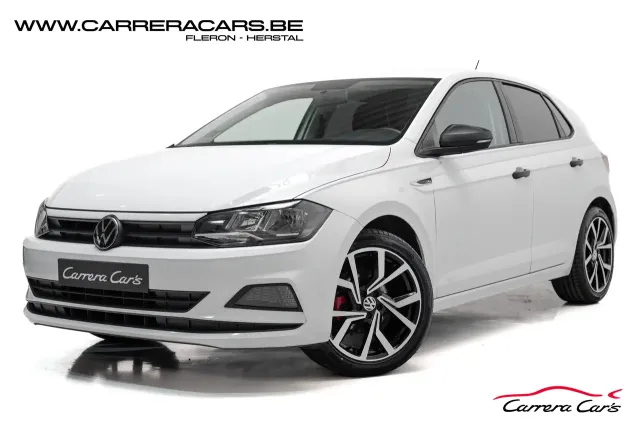
Volkswagen Polo R-Line · CarPlay · LED · Leather
 Garage Carrera Cars
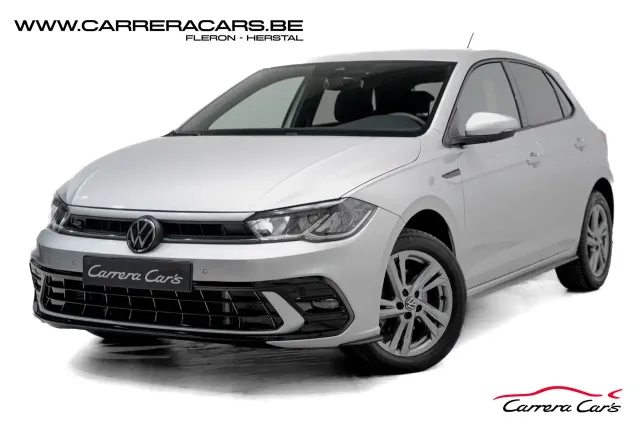
Volkswagen Polo 1.0 TSI · R-Line · Camera · CarPlay · LED
Garage Carrera Cars
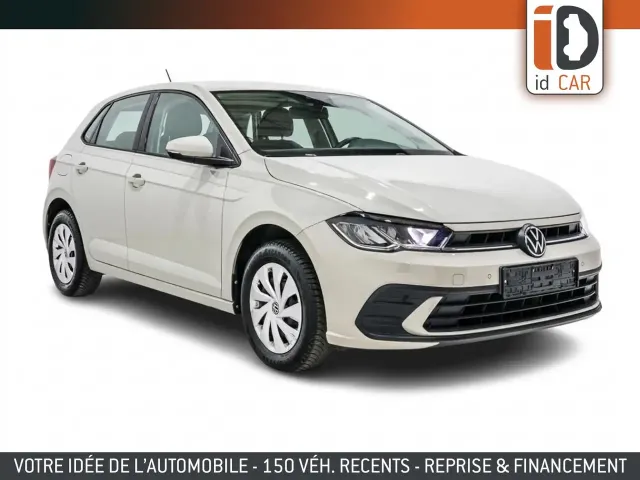
Volkswagen Polo 1.0 TSI · CarPlay · LED · Leather
 idCAR
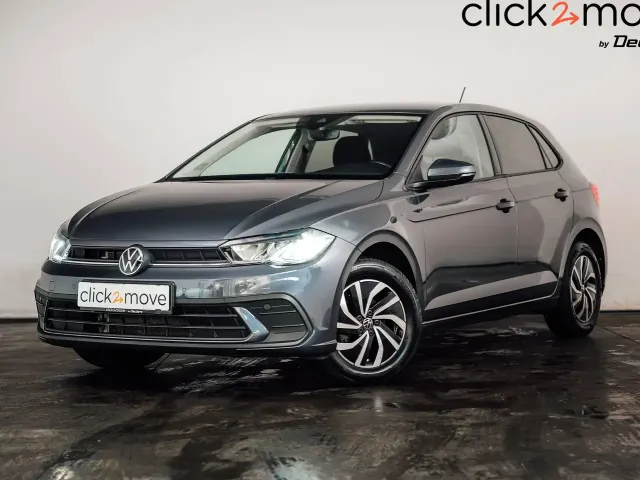
Volkswagen Polo 1.0 TSI · Camera · CarPlay · LED
 click2move by Declerc