BMW iX1 vs Volkswagen T-Roc
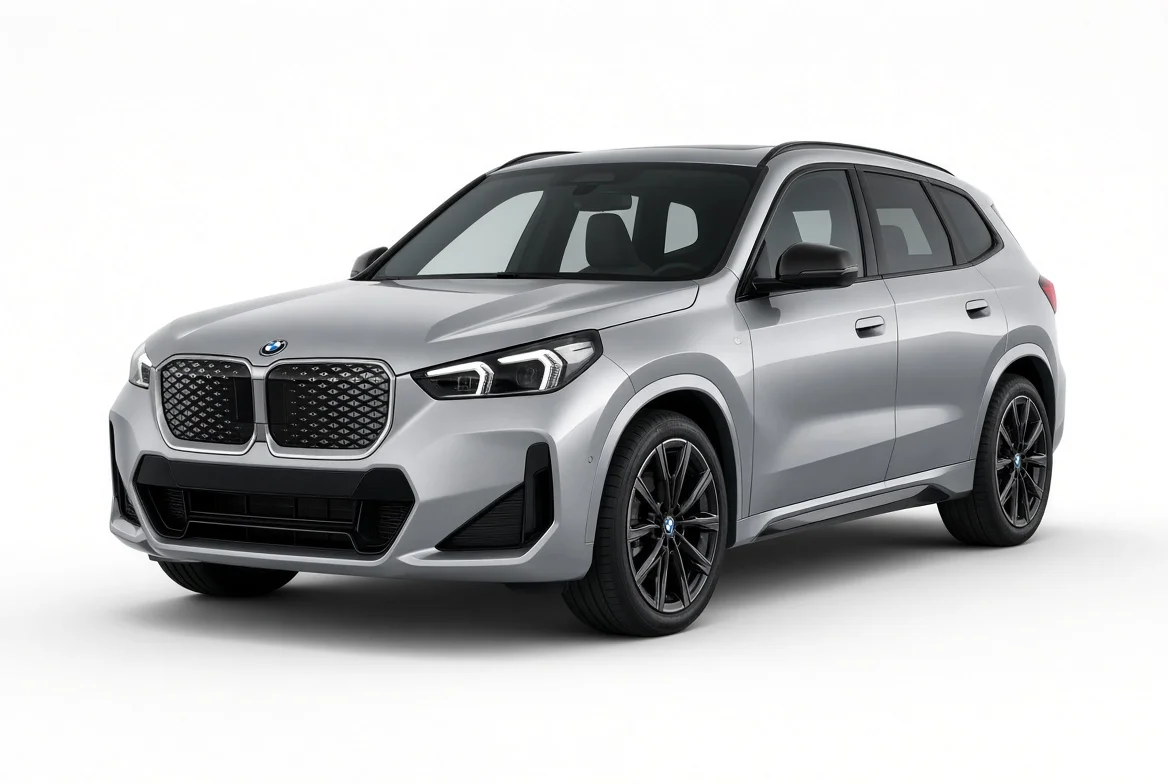
BMW iX1
BMW’s fully electric compact SUV.
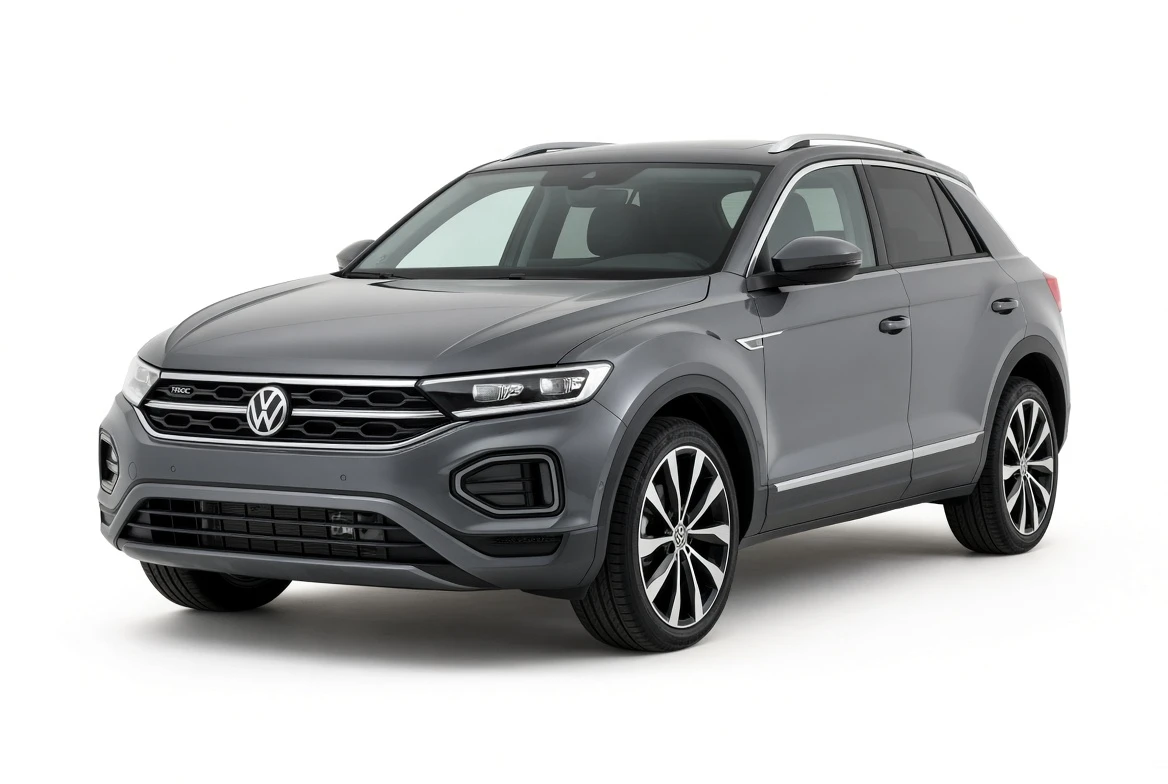
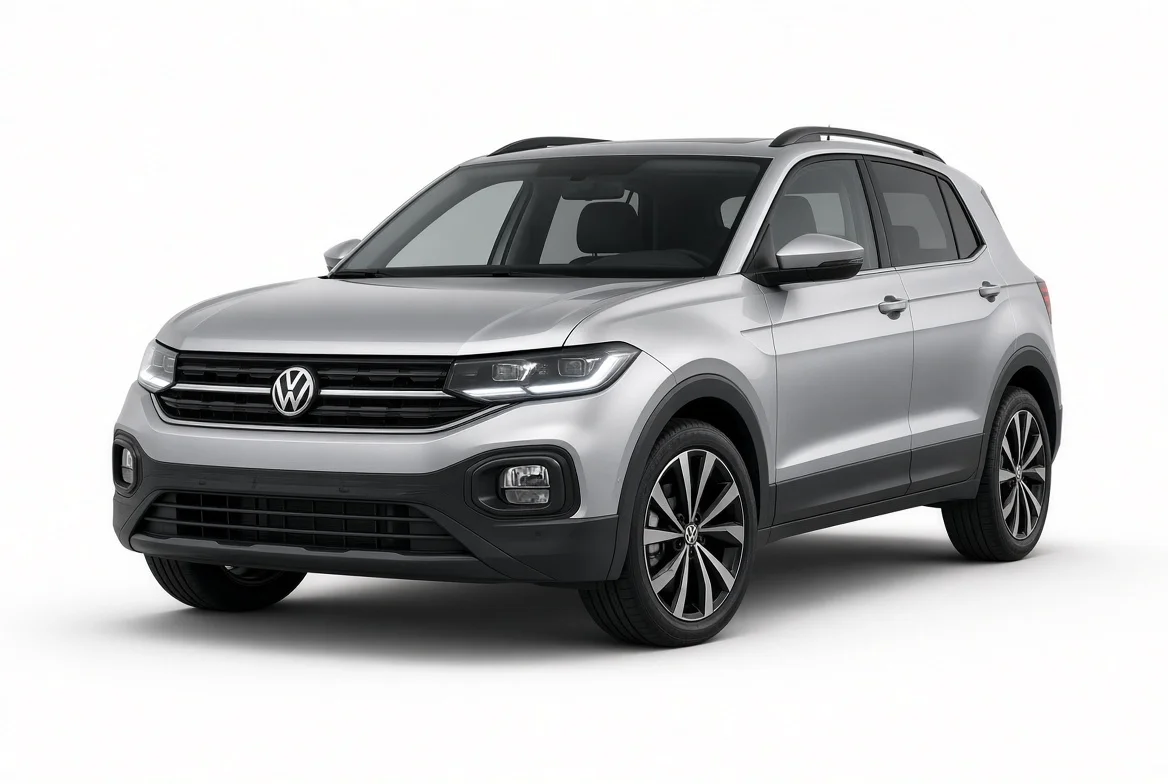
Volkswagen T-Roc
Volkswagen’s compact crossover SUV.
BMW iX1
Pick the iX1 for zero-emission driving in a practical compact premium SUV with modern iDrive tech and a punchy xDrive30.
Volkswagen T-Roc
Pick the T-Roc for a bold crossover look with an elevated seat and city-friendly dimensions.
Performance
xDrive30 · Electric vs 1.5 TSI 150 · Petrol
| BMW iX1 | Volkswagen T-Roc | |
|---|---|---|
| Power |
313 hp
Winner
|
150 hp
|
| Torque |
494 Nm
Winner
|
250 Nm
|
| 0–100 km/h |
5,6 s
Winner
|
8,5 s
|
| Top speed |
180 km/h
|
205 km/h
Winner
|
| Power-to-weight |
150,1 hp/t
Winner
|
118,6 hp/t
|
| CO₂ emissions (WLTP) |
0 g/km
Winner
|
128 g/km
|
| Consumption (WLTP) |
—
|
5,6 L/100km
|
Dimensions & space
| BMW iX1 | Volkswagen T-Roc | |
|---|---|---|
| Boot |
490 L
Winner
|
445 L
|
| Boot (seats folded) |
1.495 L
Winner
|
1.290 L
|
| Wheelbase |
2,69 m
Winner
|
2,59 m
|
| Length |
4,50 m
|
4,23 m
|
| Width |
1,85 m
|
1,82 m
|
| Height |
1,62 m
|
1,57 m
|
| Seats |
5
|
5
|
Powertrain & tech
| BMW iX1 | Volkswagen T-Roc | |
|---|---|---|
| Platform | FAAR (front-drive base, shared with the X1 U11) | MQB A1 (transverse, shared with the Audi Q2) |
| Drive | Front-wheel drive · All-wheel drive | Front-wheel drive · All-wheel drive |
| Engine family | Single or dual electric motors (fifth-generation eDrive) | EA211/EA211 Evo petrol · EA888 petrol · EA288 diesel |
| Fuel | Electric | Petrol · Diesel |
| Transmission | Single-speed automatic (fixed ratio) | 6-speed manual · 7-speed DSG |
| Euro standard | N/A (electric) | Euro 6 (early) · Euro 6d (later) |
| LEZ access | Zero-emission — unrestricted access in all LEZ zones | Euro 6 petrol/diesel allowed in the LEZ (Brussels/Antwerp/Ghent) |
Reliability & watch-outs
Known issues
- Software/iDrive (early OS8/OS9 builds)
- Integrated brake system (IBS) recall (2022–2024)
- 12V battery can drain when parked
- DSG shift quality or fluid-service neglect
- 1.5 TSI cold-start hesitation/"kangarooing" (early)
- AdBlue/DPF on diesels (short trips)
Pros
- Zero-emission and brisk in traffic thanks to instant torque
- Practical compact SUV with adult rear seats and a 490 L boot
- Quiet, refined ride, typically electric
- Elevated seating and a usable boot
- Agile and compact in town
- Wide, efficient TSI/TDI range
Cons
- Firm ride, especially on larger wheels and M Sport
- Battery pack slightly reduces boot versus the X1
- Smaller boot on 4MOTION versions (~392 l)
- Harder interior plastics
Driving experience
BMW iX1
Quiet, refined and responsive in typical EV fashion. Instant torque makes it feel brisk in traffic. Steering is accurate and reasonably weighted for a crossover; body control is good and the car feels planted. The xDrive30 (dual motor) is notably quicker and more secure in poor conditions; the eDrive20 (front-drive) is lighter and more efficient. Regenerative braking is strong in Efficient mode and takes some getting used to. Adaptive suspension (where fitted) helps, but the car can feel firm on poor Belgian roads, especially with larger wheels. Overall a capable, composed electric crossover rather than a pure driver’s car.
Volkswagen T-Roc
Easy, comfortable and a little more involving than most crossovers. The T-Roc steers accurately with decent weighting, rides well enough, and handles tidily for a car of its height, with the 2.0 TSI R version adding genuine pace. Front-drive is the default; 4MOTION adds traction in poor conditions. The 1.5 TSI is the sensible pick — smooth and efficient — the 2.0 TDI is the distance choice, and the 1.0 TSI is adequate for town work. The DSG is smooth; the manual is light. It is a well-rounded compact crossover that feels closer to a Golf than its tall body suggests.
Compare specific generations
Belgian taxes & LEZ
For sale at dealers
BMW iX1
13 for sale · from € 34.390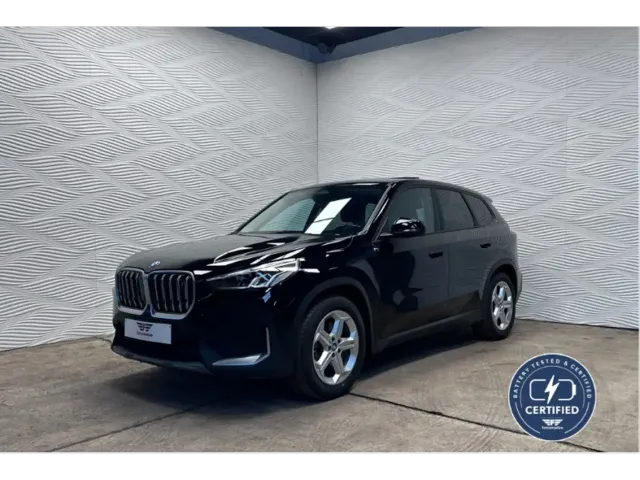
BMW iX1 xDrive30 · electric · Panoramic roof · Camera · CarPlay…
 Falcomotive
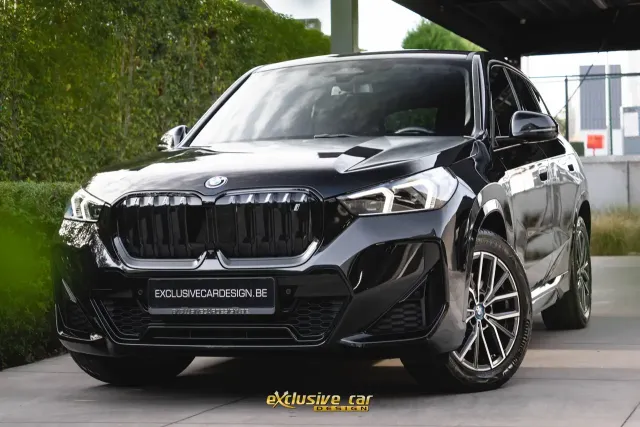
BMW iX1 xDrive30 · electric · M-Sport · 360° camera · CarPlay ·…
 Exclusive Car Design BV
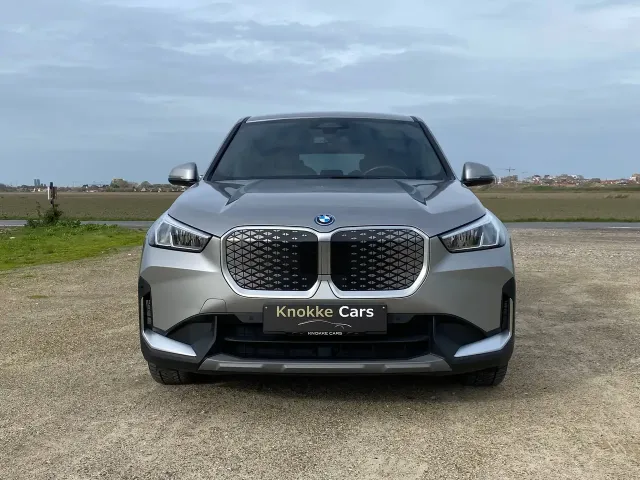
BMW iX1 electric · Camera · CarPlay · LED
 Knokke Cars bv
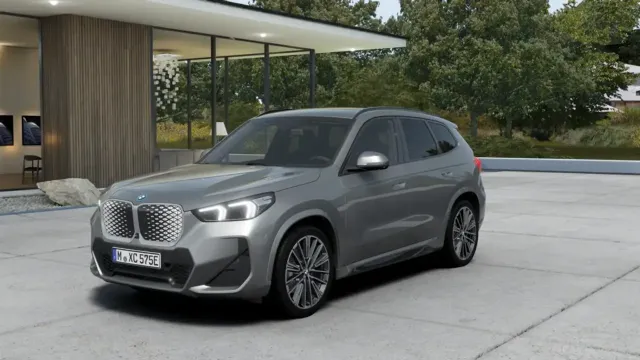
BMW iX1 eDrive20 · electric · M-Sport · Camera · CarPlay · LED …
 EV Blue Automobile
Volkswagen T-Roc
73 for sale · from € 11.290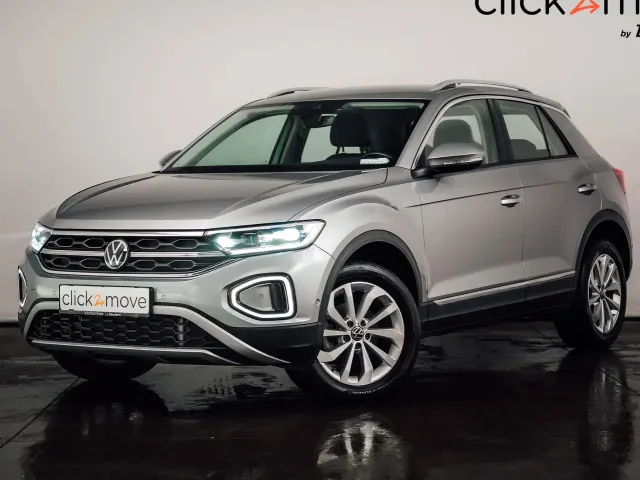
Volkswagen T-Roc 1.5 TSI · Camera · CarPlay · LED
 click2move by Declerc
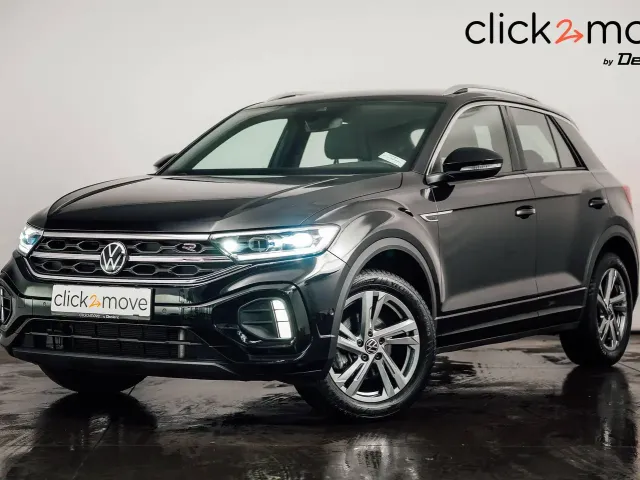
Volkswagen T-Roc 1.5 TSI · R-Line · CarPlay · LED · Leather
click2move by Declerc
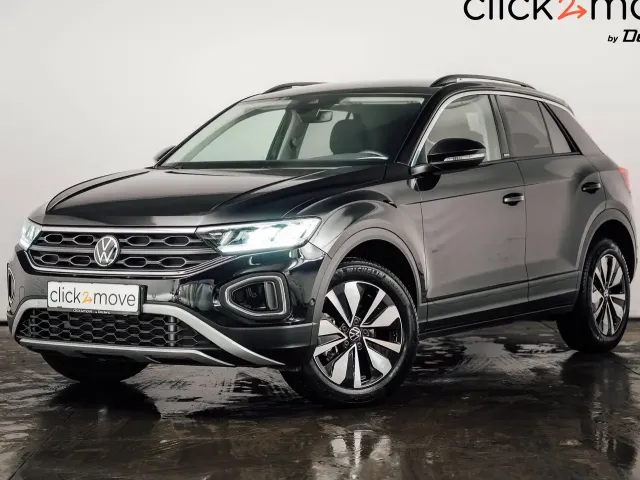
Volkswagen T-Roc 1.5 TSI · Camera · CarPlay · LED
click2move by Declerc
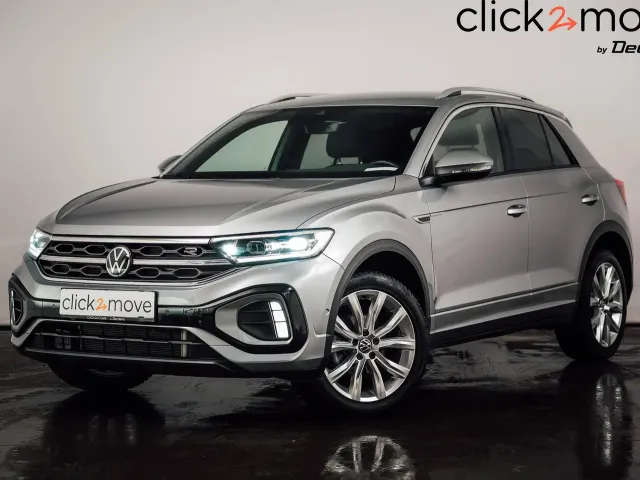
Volkswagen T-Roc 1.5 TSI · R-Line · Camera · CarPlay · LED
click2move by Declerc