BMW iX1 vs Renault Austral
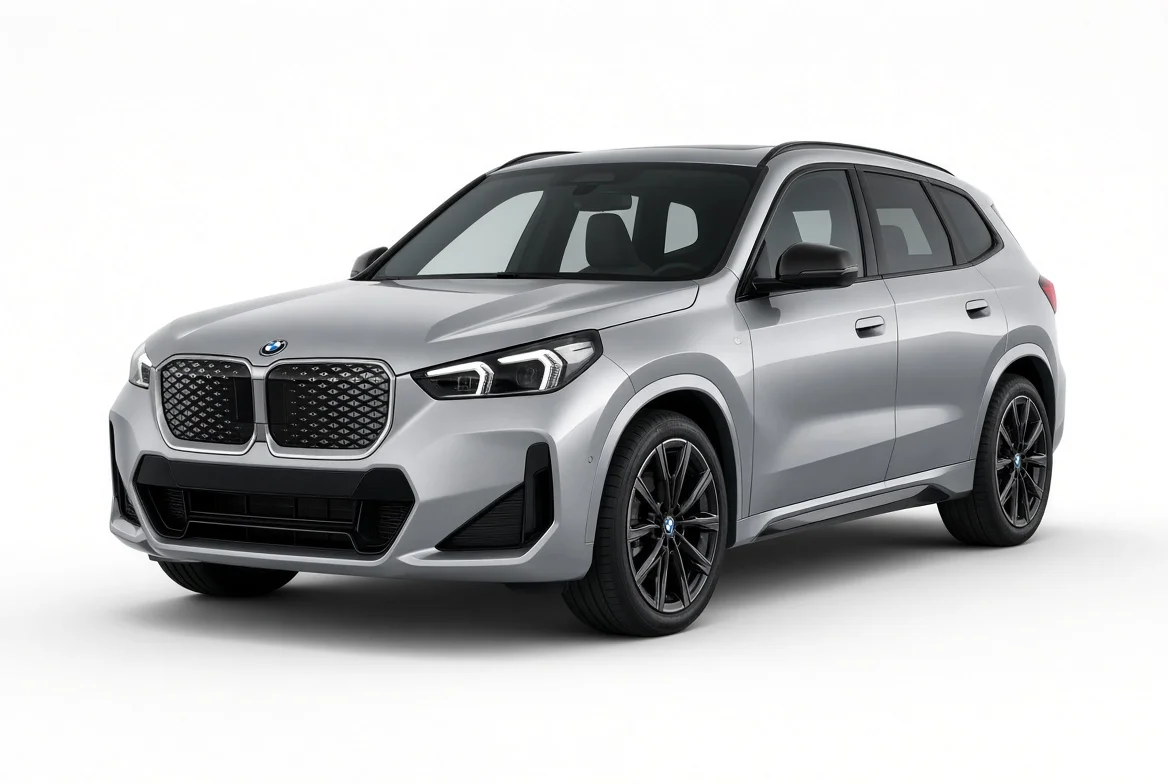
BMW iX1
BMW’s fully electric compact SUV.
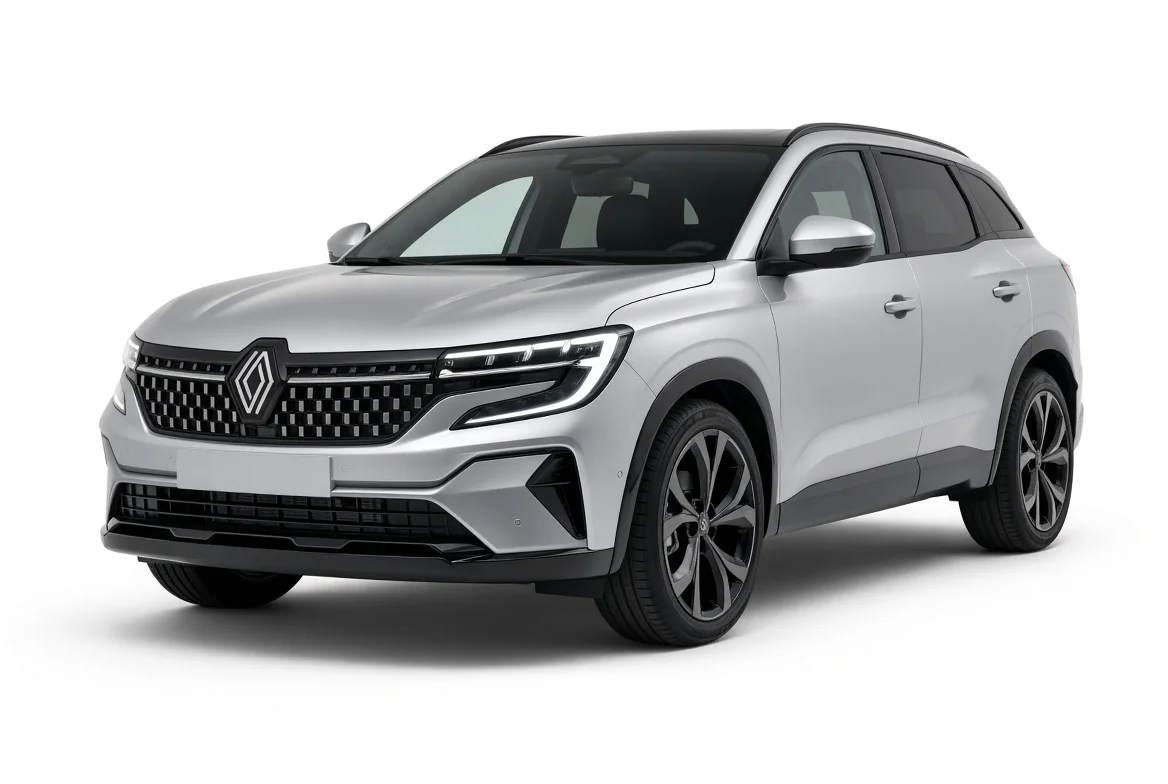
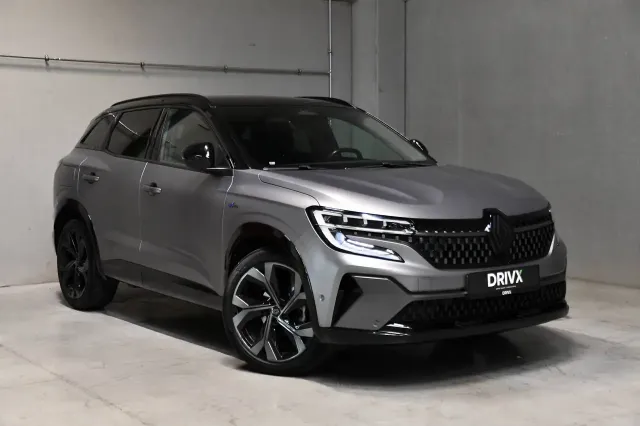
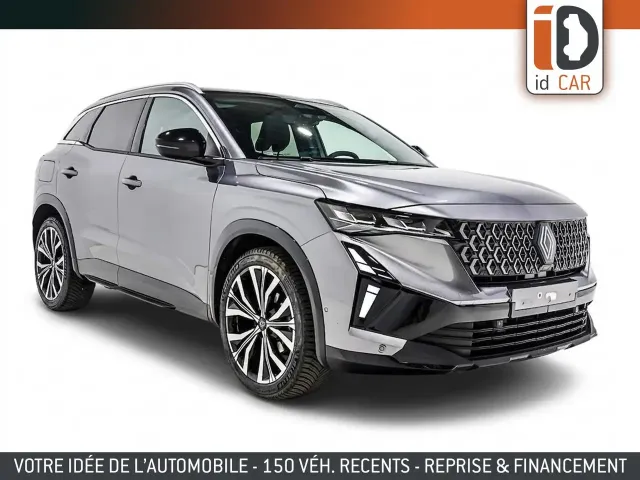
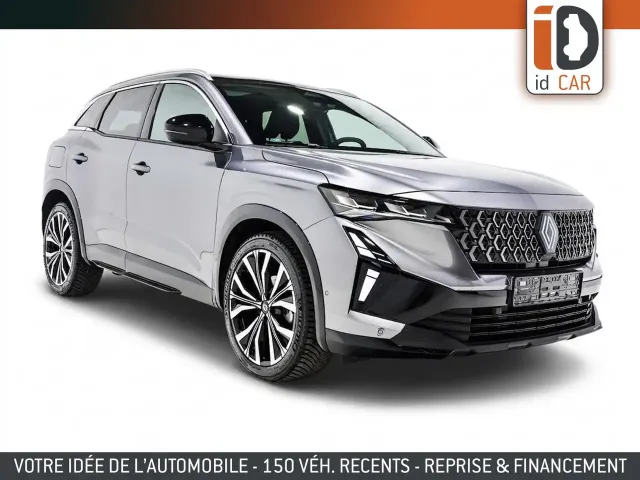
Renault Austral
Renault’s modern compact SUV.
BMW iX1
Pick the iX1 for zero-emission driving in a practical compact premium SUV with modern iDrive tech and a punchy xDrive30.
Renault Austral
Pick the Austral for a modern compact SUV with an efficient E-Tech hybrid.
Performance
xDrive30 · Electric vs 1.2 E-Tech 200 · Hybrid
| BMW iX1 | Renault Austral | |
|---|---|---|
| Power |
313 hp
Winner
|
200 hp
|
| Torque |
494 Nm
|
—
|
| 0–100 km/h |
5,6 s
Winner
|
8,4 s
|
| Top speed |
180 km/h
Winner
|
175 km/h
|
| Power-to-weight |
150,1 hp/t
Winner
|
128,2 hp/t
|
| CO₂ emissions (WLTP) |
0 g/km
Winner
|
108 g/km
|
| Consumption (WLTP) |
—
|
4,7 L/100km
|
Dimensions & space
| BMW iX1 | Renault Austral | |
|---|---|---|
| Boot |
490 L
Winner
|
430 L
|
| Boot (seats folded) |
1.495 L
|
1.525 L
Winner
|
| Wheelbase |
2,69 m
Winner
|
2,67 m
|
| Length |
4,50 m
|
4,51 m
|
| Width |
1,85 m
|
1,83 m
|
| Height |
1,62 m
|
1,62 m
|
| Seats |
5
|
5
|
Powertrain & tech
| BMW iX1 | Renault Austral | |
|---|---|---|
| Platform | FAAR (front-drive base, shared with the X1 U11) | CMF-CD3 |
| Drive | Front-wheel drive · All-wheel drive | Front-wheel drive |
| Engine family | Single or dual electric motors (fifth-generation eDrive) | 1.2 TCe · 1.3 TCe · E-Tech Full Hybrid 200 |
| Fuel | Electric | Petrol · Hybrid |
| Transmission | Single-speed automatic (fixed ratio) | 6-speed manual · EDC7 · E-Tech automatic |
| Euro standard | N/A (electric) | Euro 6d |
| LEZ access | Zero-emission — unrestricted access in all LEZ zones | Euro 6d allowed in the LEZ |
Reliability & watch-outs
Known issues
- Software/iDrive (early OS8/OS9 builds)
- Integrated brake system (IBS) recall (2022–2024)
- 12V battery can drain when parked
- Infotainment software needs updates
- Electrical gremlins on early cars
- E-Tech hybrid: 12V battery drain
Pros
- Zero-emission and brisk in traffic thanks to instant torque
- Practical compact SUV with adult rear seats and a 490 L boot
- Quiet, refined ride, typically electric
- Modern interior with a big screen
- Efficient E-Tech Full Hybrid 200
- Roomy, modular boot (430–527 L)
Cons
- Firm ride, especially on larger wheels and M Sport
- Battery pack slightly reduces boot versus the X1
- No diesel offered
- Infotainment takes getting used to
Driving experience
BMW iX1
Quiet, refined and responsive in typical EV fashion. Instant torque makes it feel brisk in traffic. Steering is accurate and reasonably weighted for a crossover; body control is good and the car feels planted. The xDrive30 (dual motor) is notably quicker and more secure in poor conditions; the eDrive20 (front-drive) is lighter and more efficient. Regenerative braking is strong in Efficient mode and takes some getting used to. Adaptive suspension (where fitted) helps, but the car can feel firm on poor Belgian roads, especially with larger wheels. Overall a capable, composed electric crossover rather than a pure driver’s car.
Renault Austral
A refined long-distance cruiser rather than a dynamic driver's car, helped by optional rear-axle steering (4Control) that tightens the turning circle in town. Steering is light but accurate enough for daily use, with Sport mode adding more weight. The ride is firmer than many rivals, especially on larger wheels, and can feel unsettled over sharp bumps, though body control is reasonable. The E-Tech full hybrid feels responsive in mixed driving and can cover short distances on electric power alone, while the 1.3 mild hybrid is adequate once moving. Low-speed transmission behaviour can show hesitation or judder on early hybrid examples.
Compare specific generations
Belgian taxes & LEZ
For sale at dealers
BMW iX1
13 for sale · from € 34.390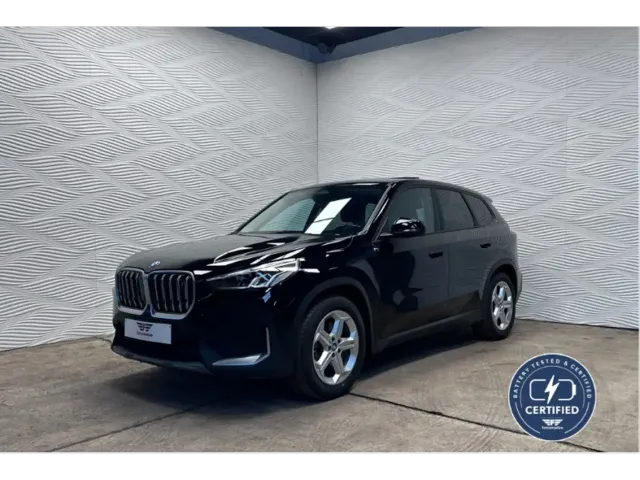
BMW iX1 xDrive30 · electric · Panoramic roof · Camera · CarPlay…
 Falcomotive
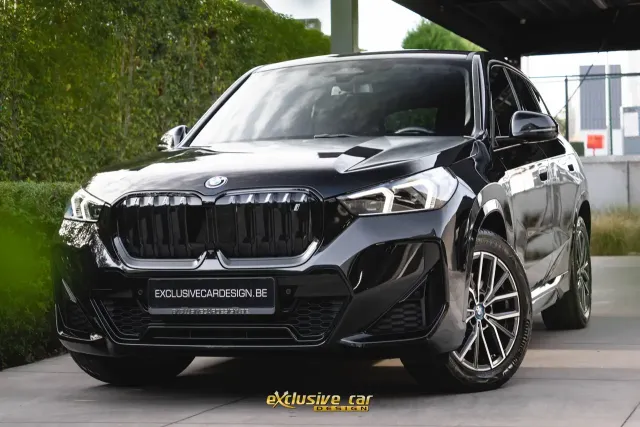
BMW iX1 xDrive30 · electric · M-Sport · 360° camera · CarPlay ·…
 Exclusive Car Design BV
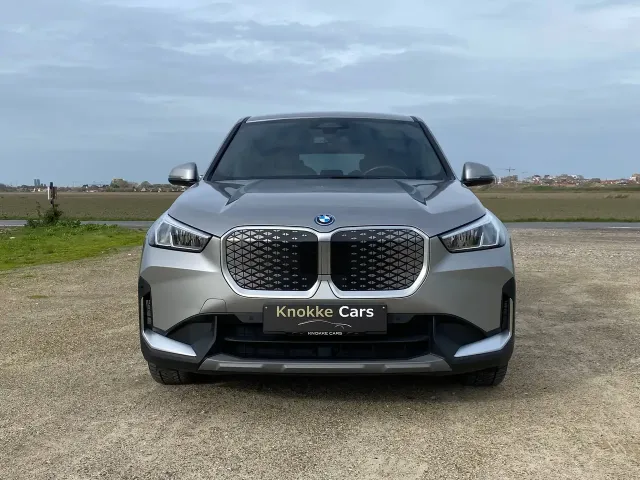
BMW iX1 electric · Camera · CarPlay · LED
 Knokke Cars bv
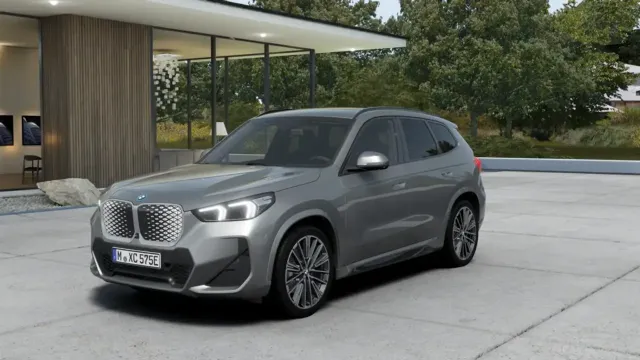
BMW iX1 eDrive20 · electric · M-Sport · Camera · CarPlay · LED …
 EV Blue Automobile