
Renault Kadjar (KAD) — complete buyer's guide
The complete reference for the Renault Kadjar (KAD, 2015–2022): the CMF platform, dimensions, every petrol and diesel powertrain, the 2018 facelift, known issues and a used-buyer checklist.
Production and platform
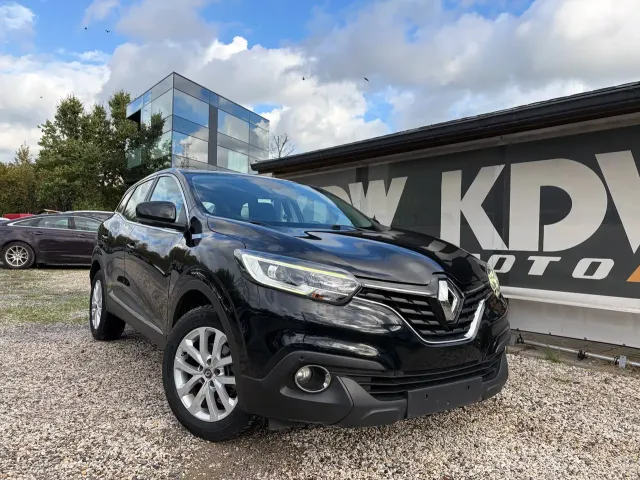
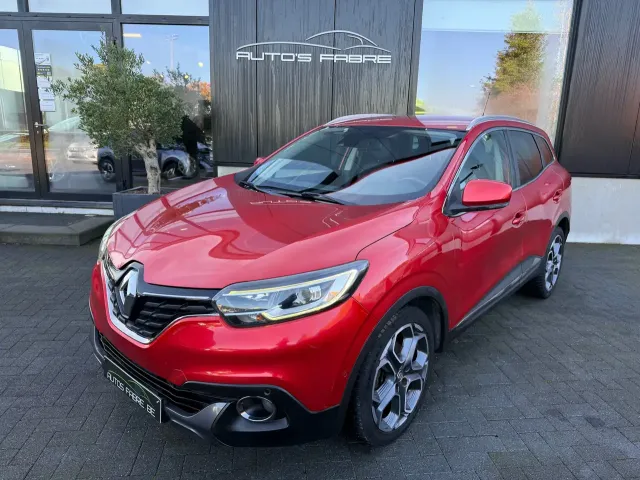
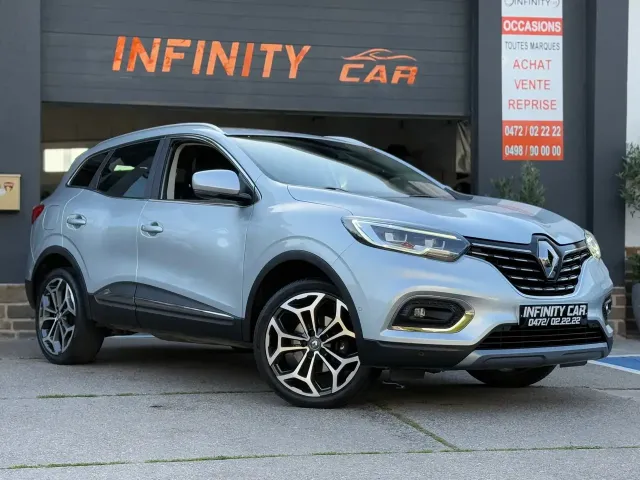
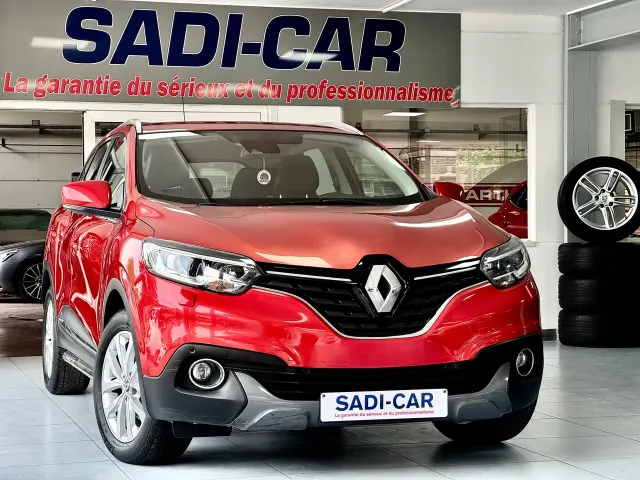
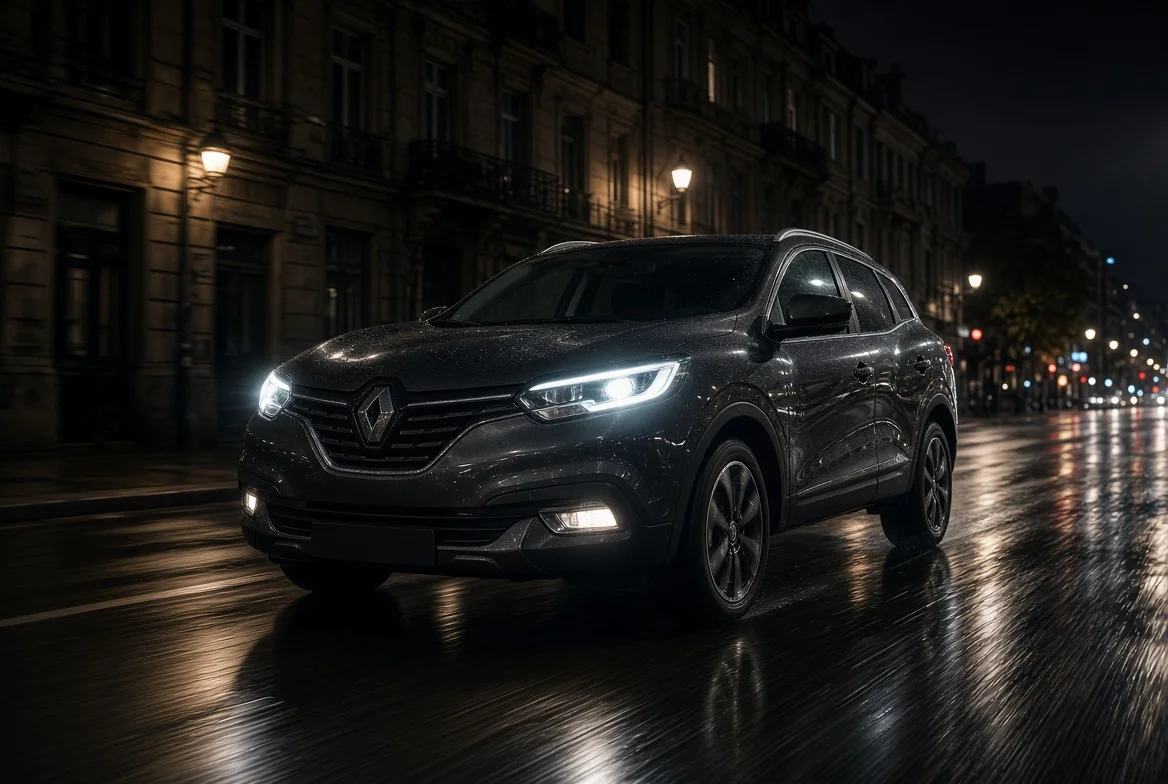
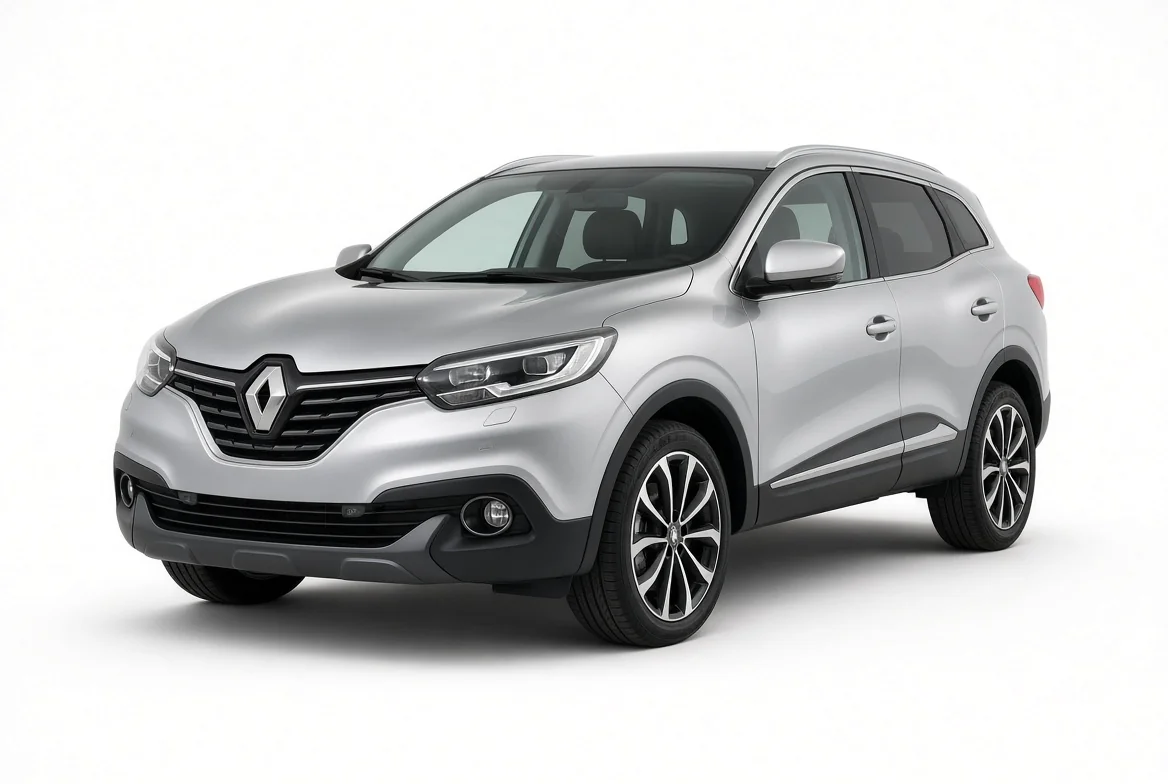
Compact family SUV introduced in 2015 as a sister model to the Nissan Qashqai (shared platform and many components). Built on the CMF platform. Available as a five-door SUV with front-wheel drive or optional all-wheel drive on certain diesel versions. The 2018 facelift brought revised styling (new lights, grille and bumpers), the 1.3 TCe petrol engines in place of the 1.2 TCe, updated diesels and interior changes. Production ended in 2022 when the Austral replaced it. Produced mainly in Spain.
Dimensions and practicality
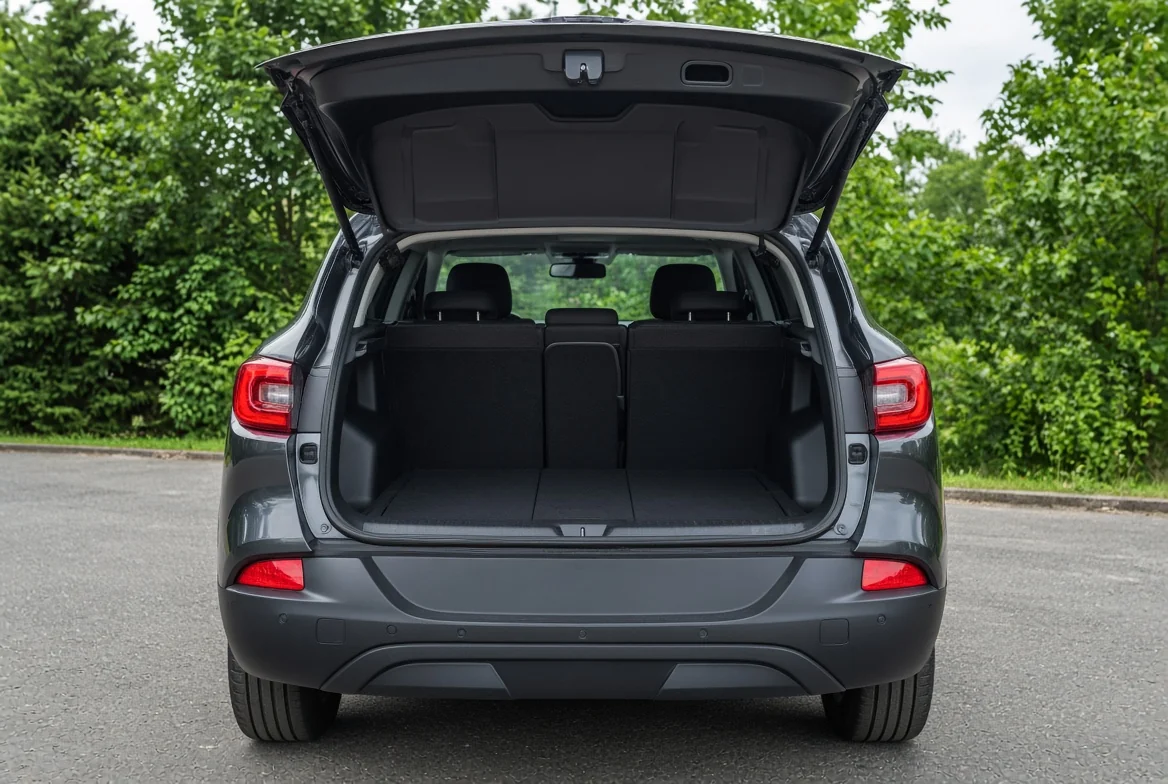
Length approximately 4,449 mm (pre-facelift) to 4,489 mm (facelift); width around 1,836–1,840 mm (excluding mirrors); height around 1,600–1,617 mm; wheelbase 2,646 mm. Boot volume is about 472–527 litres, expanding to roughly 1,478 litres with the seats folded. Fuel tank capacity is 55 litres (65 litres on some early AWD diesel versions). Ground clearance is around 200 mm. Front and rear space is good for the class; the boot is one of the more usable in the segment. Easy Break levers allow the rear seats to be folded from the boot.
Driving experience
A relaxed long-distance cruiser rather than a dynamic driver's car. Steering is light and accurate enough for daily use, ride quality is generally compliant on smaller wheels and becomes firmer on 19-inch alloys, and body control is adequate. The 1.3 TCe feels responsive once moving, while the diesels are refined and strong for motorway use. The EDC dual-clutch is smooth at higher speeds but can show low-speed hesitation or judder, especially on early cars and in town. AWD versions add a modest amount of traction in slippery conditions.
Engines
Petrol
| Engine | Power | Torque | 0–100 km/h | |
|---|---|---|---|---|
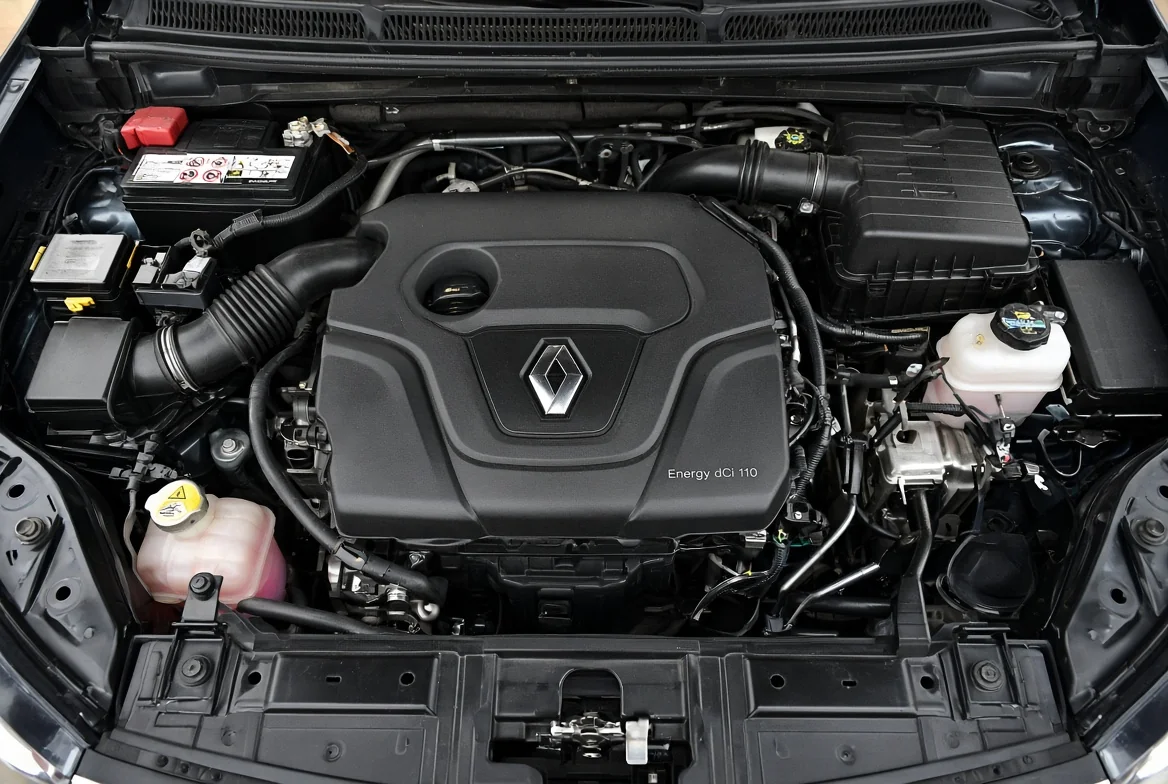
| 1.2 TCe Manual or EDC · FWD (2015–2018) | 1.2 L · 4-cyl turbo (H5Ft) | 130 hp96 kW | 205 Nm | ~10.1 s |
| 1.3 TCe Manual or 7-speed EDC · FWD (from 2018) | 1.3 L · 4-cyl turbo | 140–160 hp103–118 kW | 240–270 Nm | ~9.3–10.4 s |
| 1.6 TCe Manual · FWD (limited) | 1.6 L · 4-cyl turbo | 163–165 hp120–121 kW | 240 Nm | ~9.2 s |
Diesel
| Engine | Power | Torque | 0–100 km/h | |
|---|---|---|---|---|
| 1.5 dCi / Blue dCi Manual or EDC · FWD | 1.5 L · 4-cyl turbo diesel (K9K) | 110–115 hp81–85 kW | 250–260 Nm | ~11.5–11.9 s |
| 1.6 dCi Manual · FWD or AWD | 1.6 L · 4-cyl turbo diesel | 130 hp96 kW | 320 Nm | ~9.9–10.5 s |
| 1.7 Blue dCi Manual · AWD available | 1.7 L · 4-cyl turbo diesel | 150 hp110 kW | 340 Nm | ~11.2 s |
Transmission and drive
Front-wheel drive on most versions; all-wheel drive optional on certain diesels. A manual gearbox or an EDC dual-clutch, depending on engine. All European versions are Euro 6. The 1.5 dCi / Blue dCi and post-facelift 1.3 TCe are the most common in the used market.
Common issues
- 1.2 TCe (H5Ft): well-documented excessive oil consumption (often over 1 L/1,000 km) that can lead to engine damage or failure, especially on 2015–2017 cars. Timing-chain wear and cold-start rattle are also common. Avoid if service history is incomplete or oil consumption is not documented as low.
- 1.3 TCe: more reliable overall. Thermostat housing leaks, carbon build-up on intake valves with short-trip use, and occasional camshaft phaser or high-pressure fuel pump issues reported on earlier examples.
- Diesels: generally solid. Occasional turbo, injector or DPF issues on high-mileage urban cars; AdBlue system faults on later Blue dCi versions.
- EDC dual-clutch: low-speed judder, hesitation and rough shifts, especially on early cars and in town use. Clutch wear is accelerated by frequent stop-start driving.
- R-Link / R-Link 2 infotainment: freezes, slow response or connectivity issues (often improved by software updates).
- Brake disc corrosion and premature wear, particularly on cars used for short trips.
- 12-volt battery drain linked to the stop-start system on some examples.
- Suspension bush and control arm wear at higher mileage (clunks over bumps).
What a buyer should check
- Full service history, including regular oil changes (especially critical on the 1.2 TCe).
- Oil level and any evidence of high consumption or blue smoke on the 1.2 TCe.
- Cold-start engine noise and any power loss under load.
- Transmission behaviour from cold and in low-speed traffic (smooth engagement on EDC).
- Infotainment system function and software version.
- Coolant level and thermostat housing condition on the 1.3 TCe.
- DPF regeneration history and AdBlue system on diesels.
- Brake disc condition and any uneven wear.
- 12-volt battery condition.
- Suspension noises and tyre wear.
- Confirmation that any software or technical campaigns have been completed (check by VIN).
Running costs
Typical fuel consumption is 4.0–6.5 L/100 km depending on engine and driving style; diesels are the most economical for higher-mileage use. Maintenance costs are moderate for the class. Post-2018 examples are Euro 6d and unrestricted in Belgian low-emission zones. Earlier diesels may face restrictions depending on local rules.
Fuel consumption
- Petrol (1.3 TCe): ~5.5–6.5 L/100 km depending on driving style.
- Diesel (1.5 dCi / Blue dCi): ~4.0–5.0 L/100 km, most economical for high-mileage use.
Maintenance
Moderate for the class. Independent specialists keep bills reasonable; the petrols and diesels are well supported.
Road tax and registration (Belgium)
Varies by region, power and CO₂. Lower-powered versions are cheapest.
Insurance
Generally moderate.
LEZ / low-emission zones
Post-2018 examples are Euro 6d and unrestricted in Belgian low-emission zones. Earlier diesels may face restrictions depending on local rules.
Market position
The Kadjar is a common compact SUV in the Belgian used market. The 1.5 dCi / Blue dCi and post-facelift 1.3 TCe dominate listings. It competes with the Nissan Qashqai, Peugeot 3008 and Volkswagen Tiguan of the same era. Clean, low-mileage cars with full history remain easy to sell. Pre-facelift 1.2 TCe examples carry significant risk if service records are incomplete. The practical boot and straightforward mechanical layout help residual values relative to more complex rivals.
Summary
The Kadjar shares its base with the Nissan Qashqai and offers lots of space, but the early 1.2 TCe (H5F) carries the same oil/chain risk as the Megane. The 1.3 TCe (from 2018) and the 1.6 dCi are the best choices. Check the EDC, the suspension and underside corrosion.
Belgian taxes & LEZ