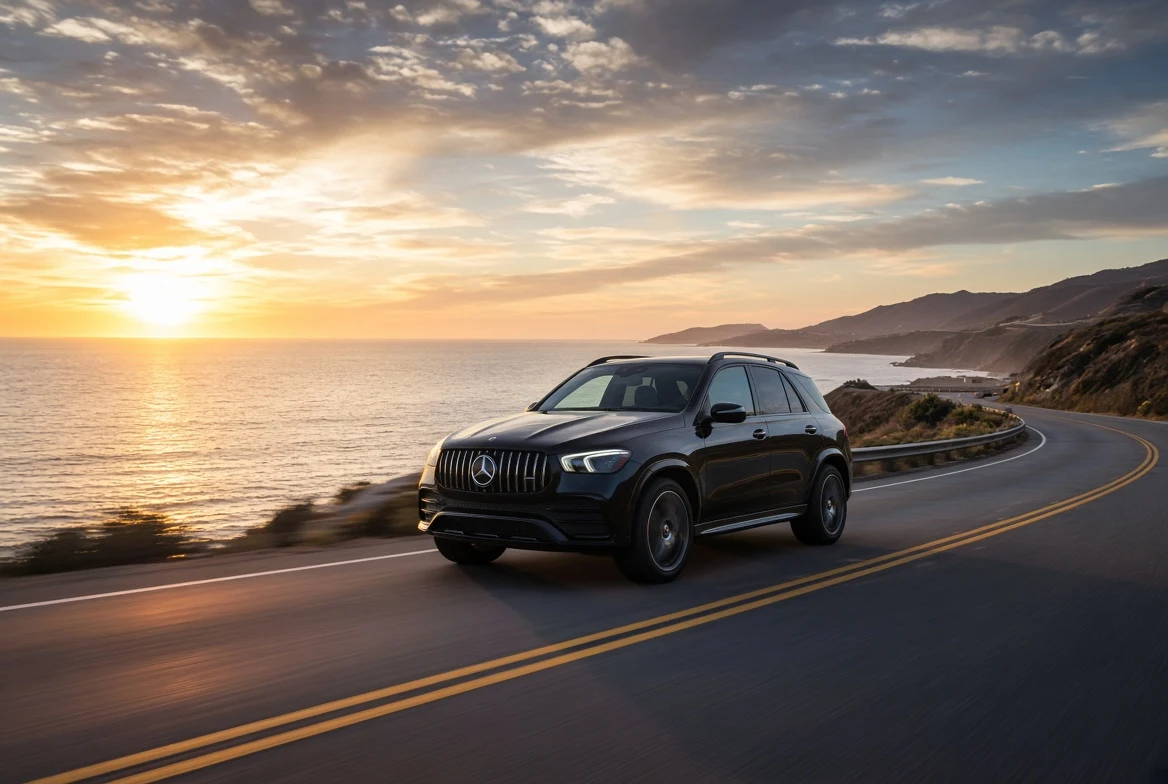

Mercedes-Benz GLE (W167) — complete buyer's guide
The complete reference for the fourth-generation Mercedes-Benz GLE (W167/V167, 2018–present): platform, dimensions, every engine, the 2023 facelift, known issues and a used-buyer checklist.
Production and platform
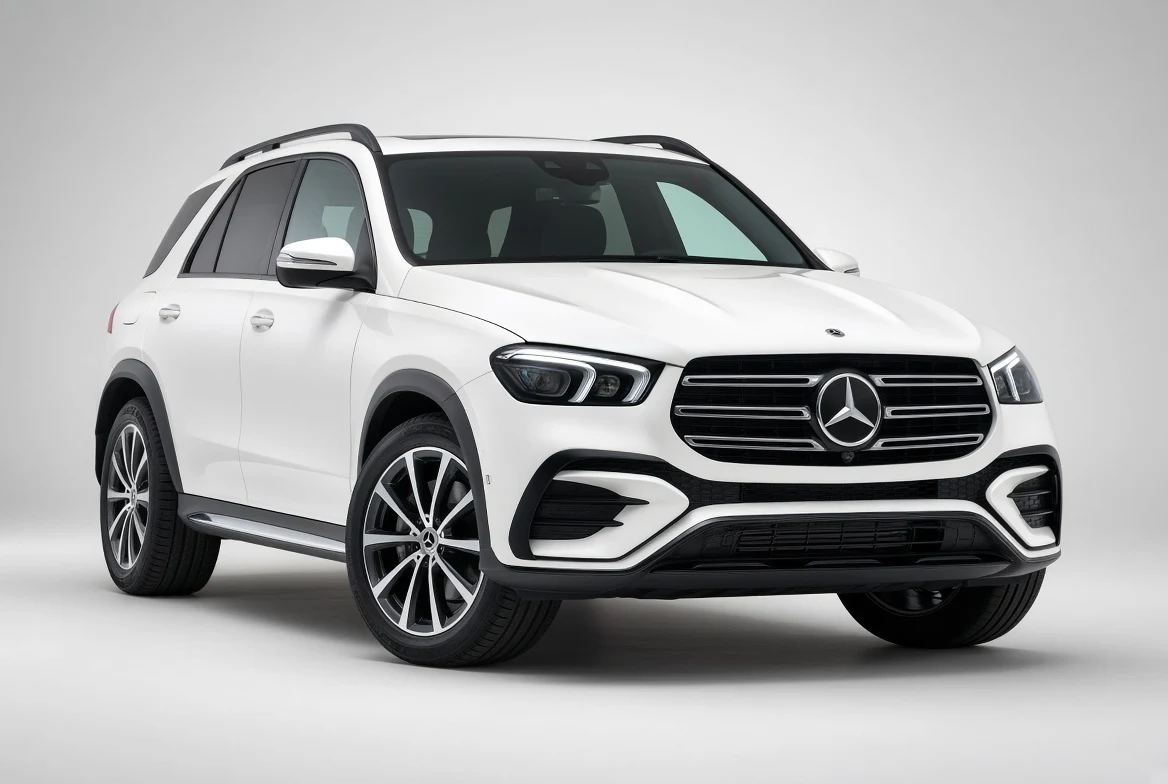
Produced from late 2018 / early 2019 to present. Fourth generation of the GLE (successor to the W166). Available as a five-door SUV (W167) and long-wheelbase version (V167). Coupé body style also offered. Built on the MHA platform. 4MATIC all-wheel drive standard on most versions. Facelift introduced in 2023. Related models include AMG GLE 53 and GLE 63 / 63 S. Primary assembly in Vance, Alabama (USA), with additional production in other markets. Still in production as of 2026.
Driving experience
Serene, isolating and quietly opulent. Steering is light and relaxed, the ride hushed and composed, and the GLE smothers rough roads and motorway miles alike. 4MATIC adds unflappable all-weather security without asking anything of the driver. AIRMATIC air suspension, where fitted, glides over poor surfaces with real polish. The M256 inline-six is silky with its 48-volt assist, the OM654/OM656 diesels pull strongly and stay quiet, and the GLE 400 e plug-in glides on electric power. The 9G-Tronic shifts almost imperceptibly. Overall a calm, tech-rich luxury SUV built to isolate, not involve.
Engines
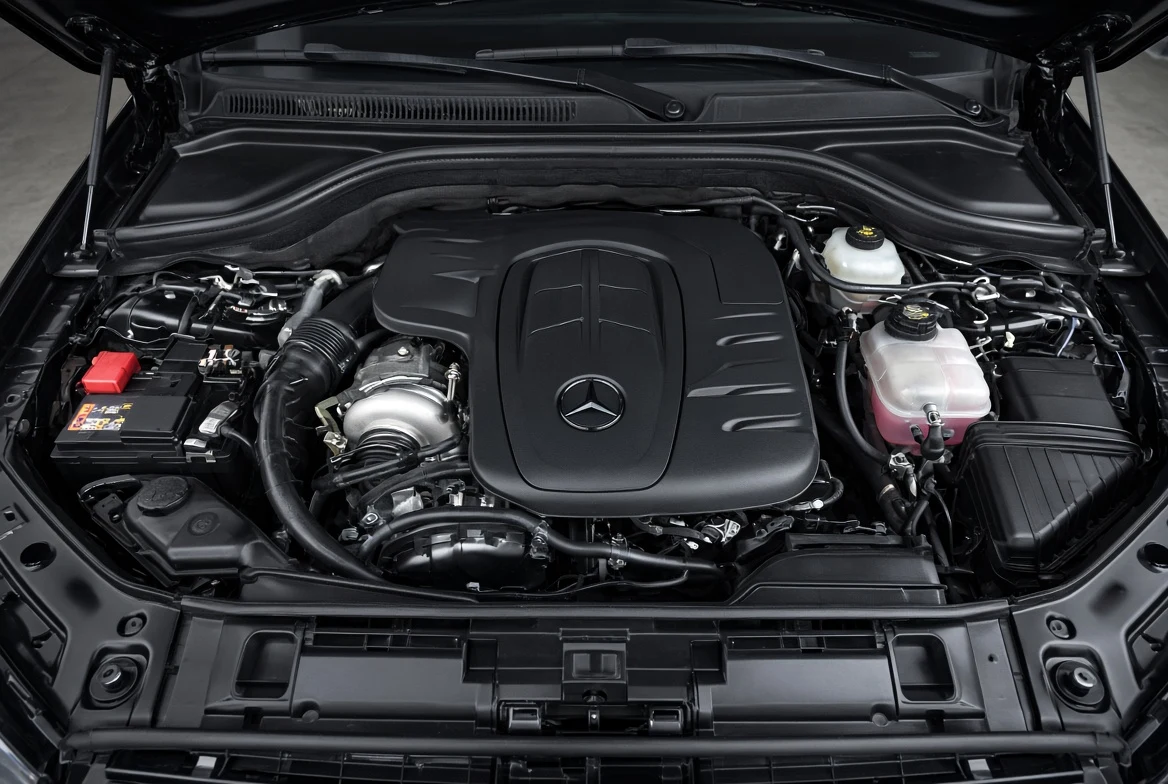
Petrol (M274 / M256 / M176 / M177)
| Engine | Power | Torque | 0–100 km/h | |
|---|---|---|---|---|
| GLE 350 / GLE 350 4MATIC | 2.0 L · 4-cyl (M274) | 258 hp190 kW | 370 Nm | 7.2–7.4 s |
| GLE 450 4MATIC | 3.0 L · I6 (M256) + EQ Boost | 367 hp270 kW | 500 Nm | 5.6–5.7 s |
| AMG GLE 53 4MATIC+ | 3.0 L · I6 (M256) + EQ Boost | 435 hp320 kW | 520 Nm | 5.0–5.3 s |
| GLE 580 4MATIC | 4.0 L · V8 (M176) + EQ Boost | 489 hp360 kW | 700 Nm | 4.6–4.9 s |
| AMG GLE 63 4MATIC+ | 4.0 L · V8 (M177) | 571 hp420 kW | 750 Nm | 4.0 s |
| AMG GLE 63 S 4MATIC+ | 4.0 L · V8 (M177) | 612 hp450 kW | 850 Nm | 3.8–3.9 s |
Diesel (OM654 / OM656)
| Engine | Power | Torque | 0–100 km/h | |
|---|---|---|---|---|
| GLE 300 d 4MATIC | 2.0 L · 4-cyl (OM654) | 245–269 hp180–198 kW | 500–550 Nm | 6.8–7.2 s |
| GLE 350 d 4MATIC | 2.9/3.0 L · I6 (OM656) | 272 hp200 kW | 600 Nm | 6.2–6.6 s |
| GLE 400 d 4MATIC | 2.9/3.0 L · I6 (OM656) | 330 hp243 kW | 700 Nm | 5.7 s |
Plug-in hybrid (de / e)
| Engine | Power | Torque | 0–100 km/h | |
|---|---|---|---|---|
| GLE 350 de / GLE 400 e | 2.0 L · 4-cyl + e-motor | 306–381 hp225–280 kW | 650–750 Nm | 6.1–6.9 s |
Transmissions
9G-Tronic automatic (AMG models use AMG Speedshift). All engines longitudinal. Mild hybrid (48-volt) on many petrol versions. Euro 6d compliance standard on later cars.
Dimensions and practicality
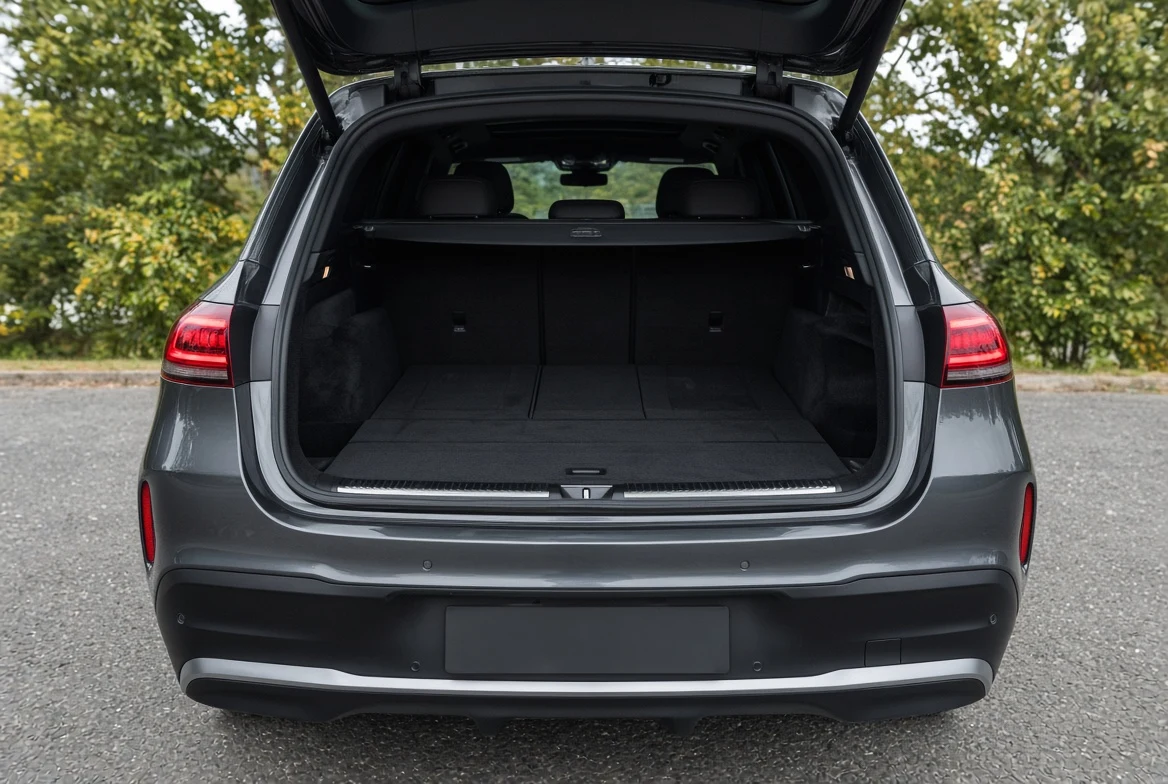
Length approximately 4,924 mm. Width around 1,947–2,010 mm. Height around 1,772–1,797 mm. Wheelbase 2,995 mm (longer on LWB). Boot volume approximately 630 litres (seats up; some sources cite 630–690 litres depending on measurement), expanding to roughly 2,055 litres with seats folded. Plug-in hybrid versions reduced (around 490 litres in some cases). Fuel tank capacity typically 65–85 litres. Optional third-row seating on some markets (first GLE generation with proper seven-seat option). Compared with the previous W166: longer wheelbase, more modern packaging, and improved rear space. Practicality is strong for the premium large SUV class, with good rear space, high towing capacity (up to 3,500 kg on some versions), and load volume.
Facelift (2023)
Introduced in 2023. Main changes: revised exterior styling (grille, lighting, bumpers); updated interior and MBUX software; engine refinements and efficiency updates; equipment and driver-assistance improvements; continued mild-hybrid and plug-in hybrid options.
Differences from the previous generation (W166)
Larger overall dimensions and longer wheelbase. Switch to the MHA platform with improved refinement, technology (MBUX dual screens), and driver aids. New engine family (M256 inline-six, OM654/OM656 diesels, mild hybrids). More advanced air suspension options (including E-Active Body Control). Better interior quality and packaging. First GLE with optional third-row seats. Overall more modern and capable than the W166.
Known issues and weak points
Air suspension (AIRMATIC / E-Active Body Control)
- Leaking air springs, compressor failures, and software faults reported. Corner sagging is a common symptom.
- E-Active Body Control hydraulic system has additional pump and filter issues. High repair costs.
48-volt mild-hybrid system (EQ Boost)
- 48V battery, ISG (integrated starter-generator), and related electrical faults possible (warnings, start issues, reduced performance).
- Software updates resolve some cases; component replacement is expensive. Specific fire-risk recalls on ground cables.
Diesel (OM654 / OM656)
- Timing chain and coolant pump recalls on certain OM654 production periods (verify by VIN).
- DPF clogging and AdBlue / NOx sensor faults more common on short-trip use.
- Valve train / rocker arm wear patterns reported on some OM654 examples.
Petrol (M264 / M256 / M176 / M177)
- Oil consumption and related issues possible on some four-cylinder and six-cylinder examples.
- High-pressure fuel system and cooling system attention needed on higher-output engines.
- Valve cover and other gasket leaks reported.
Transmission (9G-Tronic)
- Occasional harsh or delayed shifts if fluid is neglected. Software updates available. Generally robust with regular service.
Other
- Electrical and sensor glitches (MBUX, driver aids) more common on early cars; mostly software-related.
- Suspension bush and component wear possible at higher mileage.
- Multiple recalls (airbags, 48-volt system, fuel system, steering, software). Always verify full VIN status.
- Brake wear can be faster under heavy use.
What a buyer should check
- Full service history, including air suspension operation and any 48-volt system interventions.
- VIN-specific recall and service campaign status (48-volt ground cables, coolant pump, timing chain, airbags, software).
- Air suspension function: all corners level after overnight parking, no sagging, ride height adjustment works.
- 48-volt system warnings or start behaviour on mild-hybrid models.
- Transmission behaviour from cold and in traffic (smooth shifts).
- For diesels: AdBlue system function, DPF regeneration history, cold-start noise.
- Oil consumption history and cooling system condition.
- Suspension condition and any unusual noises.
- Full electronic function, including MBUX screens and driver aids.
- Signs of water ingress or interior wear.
Running costs
Indicative costs for the Mercedes-Benz GLE W167 in normal Belgian/EU use (approximate 2026 figures). Actual figures vary by region, driving style and service location.
Fuel consumption
- GLE 350 / 450 (M256 3.0): typically 8.0–11.0 L/100 km.
- GLE 300 d / 350 d (OM654/OM656): typically 6.5–8.0 L/100 km; AdBlue consumption low.
- GLE 400 d (OM656): typically 7.0–8.5 L/100 km.
- GLE 400 e PHEV: highly dependent on charging; can be very low if mostly electric, or similar to petrol if not charged.
Maintenance
Mercedes service is premium-priced. Oil service typically €180–350. 9G-Tronic automatic fluid service every ~60,000 km is recommended. Tyres and brakes add up. AdBlue consumption on the diesel is low. AIRMATIC air suspension can be expensive to repair. Independent Mercedes specialists keep bills more reasonable than dealers.
Road tax / registration (Belgium)
Highly region-dependent (Flanders more CO₂-oriented; Wallonia/Brussels influenced by power/CV and mass). Four- and six-cylinder engines sit in higher brackets; higher AMG versions are more expensive. Expect roughly €400–1,800+/year depending on engine, exact CO₂, region and any ongoing reforms. One-off BIV/TMC on first Belgian registration is also engine- and age-sensitive.
Insurance and LEZ
Higher than mainstream large SUVs. AMG and higher-spec versions cost more. Full comprehensive is expensive on higher-value examples. LEZ: all engines fully Euro 6d compliant and unrestricted in Belgian/EU low-emission zones.
Belgian/EU market notes
The GLE sits in the large premium SUV segment competing with the BMW X5 and Audi Q7. High towing capacity (up to 3,500 kg on stronger versions) and optional seven-seat configurations make it relevant for buyers needing space for larger families or towing (caravans, trailers). Plug-in hybrid versions (GLE 350 de / 400 e) with approximately 90–110 km WLTP electric range attracted attention for company-car tax treatment due to the usable electric range. Road tax and registration tax (BIV) are relatively high because of vehicle weight, power, and CO2 figures; regional differences apply (Flanders, Wallonia, Brussels). Car-Pass documentation is required for Belgian sales. Many examples show company-fleet mileage with full service histories. The standard SUV is far more common than the Coupé. Facelift examples (2023–) generally benefit from later software refinements. Early production (2019–2021) requires closer scrutiny of 48-volt system campaigns and air suspension condition.
Summary
This generation offers strong space, technology, towing capability, and refinement for the premium large SUV class, provided the known cost items (AIRMATIC air suspension, 48-volt mild-hybrid system, diesel AdBlue/DPF and specific OM654 campaigns, and full VIN recall status) are verified. Cars with steel spring suspension (where available) avoid the highest air suspension repair risks. Later production years are generally more stable.
Belgian taxes & LEZ
Used Mercedes-Benz GLE for sale
View all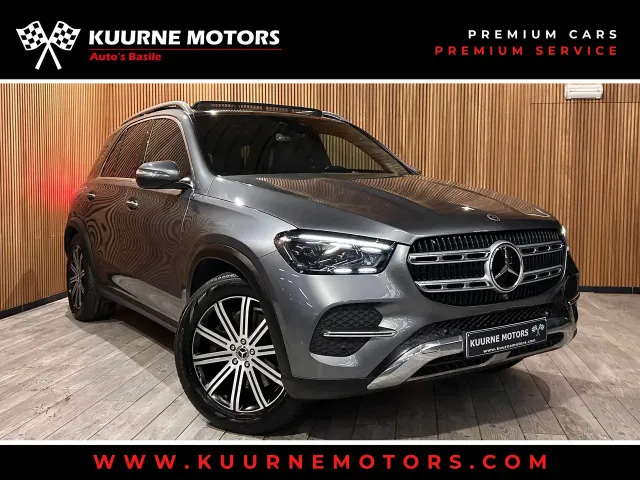
Mercedes-Benz GLE 350 electric · Panoramic roof · 360° camera · CarPlay
 Auto's Basile - Kuurne motors
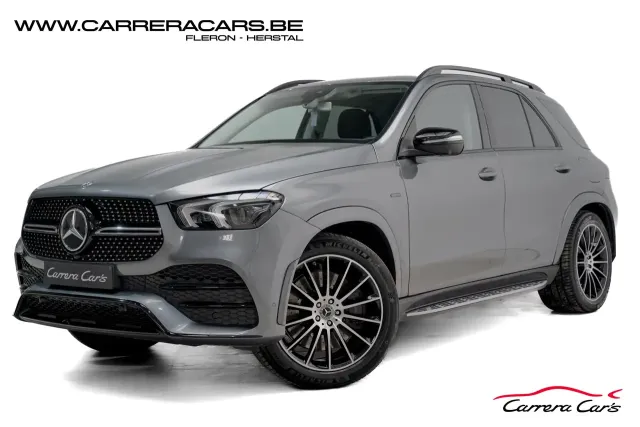
Mercedes-Benz GLE 350 plug-in hybrid · AMG · 360° camera · CarPlay · Navigati…
 Garage Carrera Cars
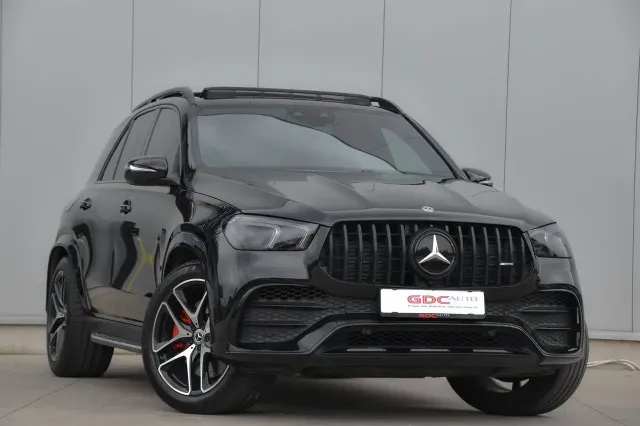
Mercedes-Benz GLE 53 AMG Panoramic roof · 360° camera · CarPlay
 GDCauto
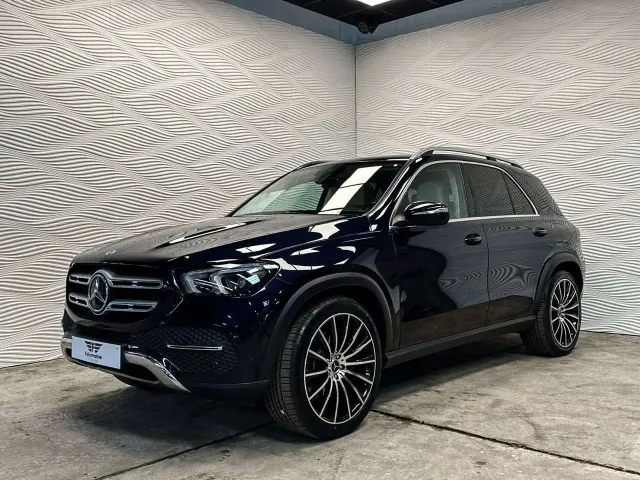
Mercedes-Benz GLE 350 4MATIC · plug-in hybrid · Camera · CarPlay · LED
 Falcomotive