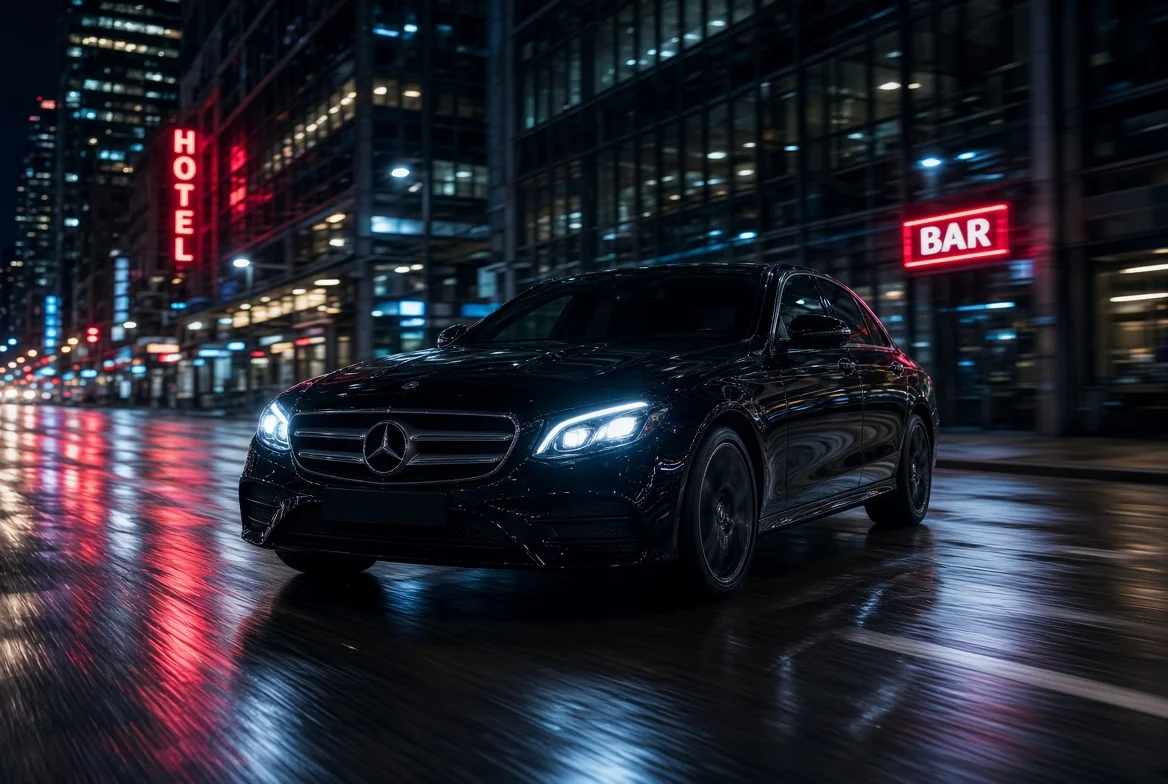
Mercedes-Benz E-Class (W213) — complete buyer's guide
The complete reference for the fifth-generation Mercedes-Benz E-Class (W213/S213/C238/A238, 2016–2023): platform, dimensions, every engine, the 2020 facelift, known issues and a used-buyer checklist.
Production and platform
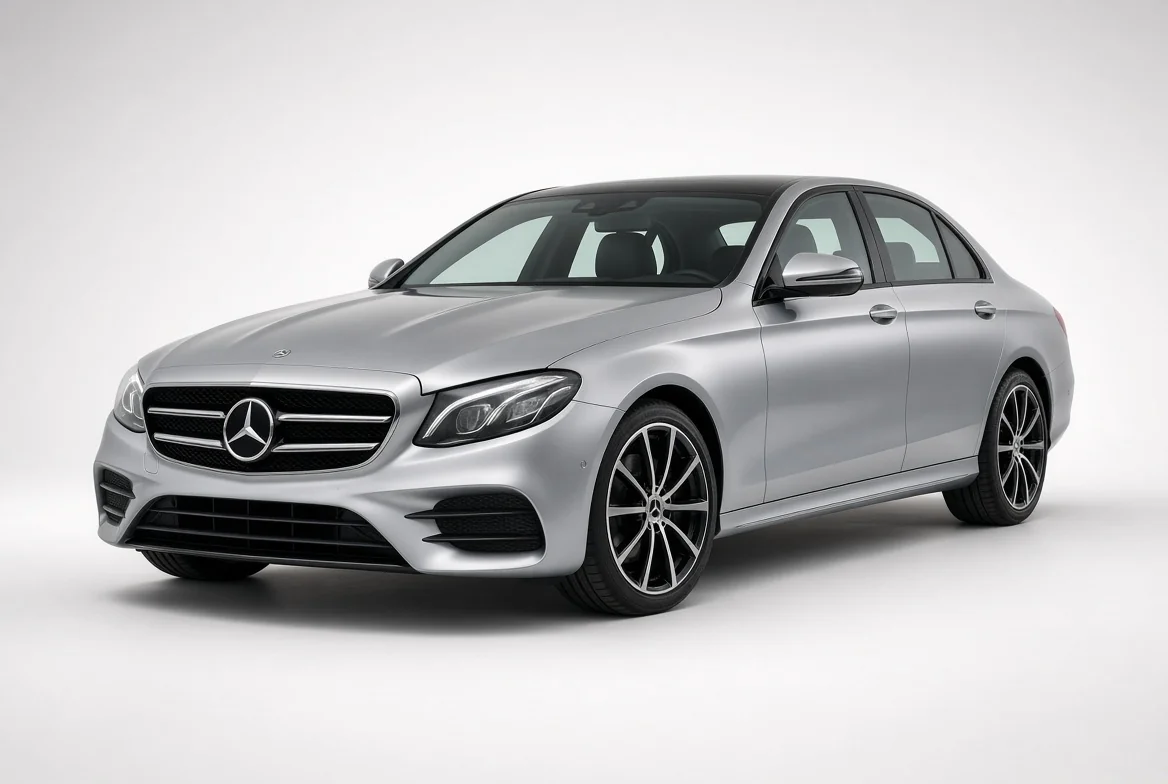
Produced from early 2016 to 2023. Fifth generation of the E-Class. Available as a four-door sedan (W213), five-door estate (S213), two-door Coupé (C238), and Cabriolet (A238). Long-wheelbase sedan (V213) mainly for China. Built on the MRA platform (related to the C-Class W205). Rear-wheel drive standard; 4MATIC all-wheel drive available on most versions. Facelift introduced in 2020. Related models include AMG E 43 / E 53 / E 63 / E 63 S. Primary assembly in Sindelfingen and Bremen, Germany. Replaced by the W214 from 2023.
Driving experience
Serene, isolating and effortlessly luxurious. Steering is light and accurate, the ride hushed and composed, and the E-Class swallows motorway miles without a trace of stress. 4MATIC adds all-weather security, though the character stays comfort-first rather than sporting. AIRMATIC air suspension, where fitted, irons out rough roads beautifully. The petrols are smooth and eager with 48-volt assistance, the OM654/OM656 diesels pull strongly and stay quiet, and the E 300 e plug-in glides on electric power. The 9G-Tronic shifts seamlessly, rarely drawing attention to itself. Overall a calm, tech-rich executive saloon built for distance, not drama.
Engines
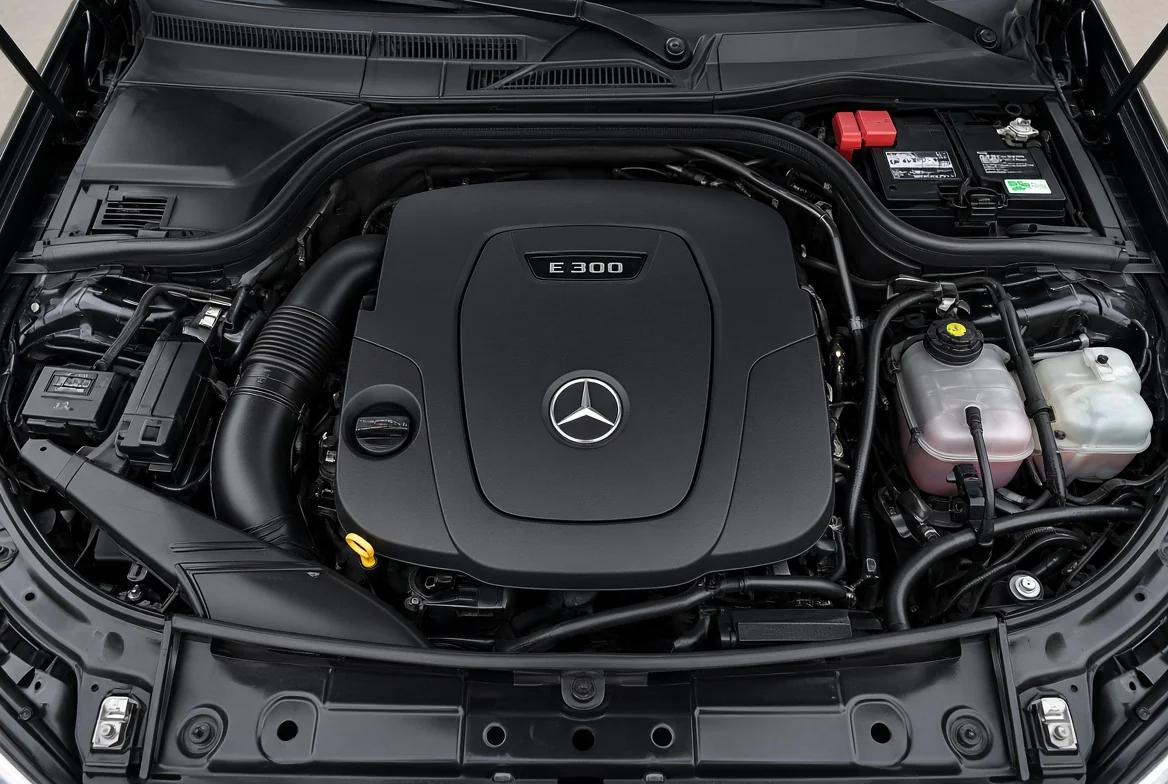
Petrol (M274 / M264 / M256 / M276 / M177)
| Engine | Power | Torque | 0–100 km/h | |
|---|---|---|---|---|
| E 200 / E 200 4MATIC | 2.0 L · 4-cyl (M274 / M264) | 184–197 hp135–145 kW | 300–320 Nm | 7.5–7.9 s |
| E 300 / E 350 | 2.0 L · 4-cyl (M264) | 258–286 hp190–211 kW | 370–400 Nm | 6.0–6.9 s |
| E 450 4MATIC | 3.0 L · I6 (M256) + EQ Boost | 367 hp270 kW | 500 Nm | 5.0 s |
| AMG E 43 / E 53 4MATIC+ | 3.0 L · V6/I6 (M276 / M256) + EQ Boost | 401–435 hp295–320 kW | 520 Nm | 4.4–4.5 s |
| AMG E 63 / E 63 S 4MATIC+ | 4.0 L · V8 (M177) | 571–612 hp420–450 kW | 750–850 Nm | 3.4–3.5 s |
Diesel (OM654 / OM656)
| Engine | Power | Torque | 0–100 km/h | |
|---|---|---|---|---|
| E 200 d / E 220 d / E 220 d 4MATIC | 2.0 L · 4-cyl (OM654) | 150–194 hp110–143 kW | 360–400 Nm | 7.3–8.4 s |
| E 300 d / E 350 d / E 400 d 4MATIC | 2.0/2.9 L · I6 (OM654 / OM656) | 245–330 hp180–243 kW | 500–700 Nm | 4.9–6.3 s |
Plug-in hybrid (e / de)
| Engine | Power | Torque | 0–100 km/h | |
|---|---|---|---|---|
| E 300 e / E 350 e / E 300 de | 2.0 L · 4-cyl (M274 / OM654) + e-motor | 286–320 hp210–235 kW | 550–700 Nm | 5.6–6.2 s |
Transmissions
9G-Tronic automatic (AMG models use AMG Speedshift). All engines longitudinal. Mild hybrid (48-volt) on many later petrol versions. Euro 6d compliance standard on later cars.
Dimensions and practicality
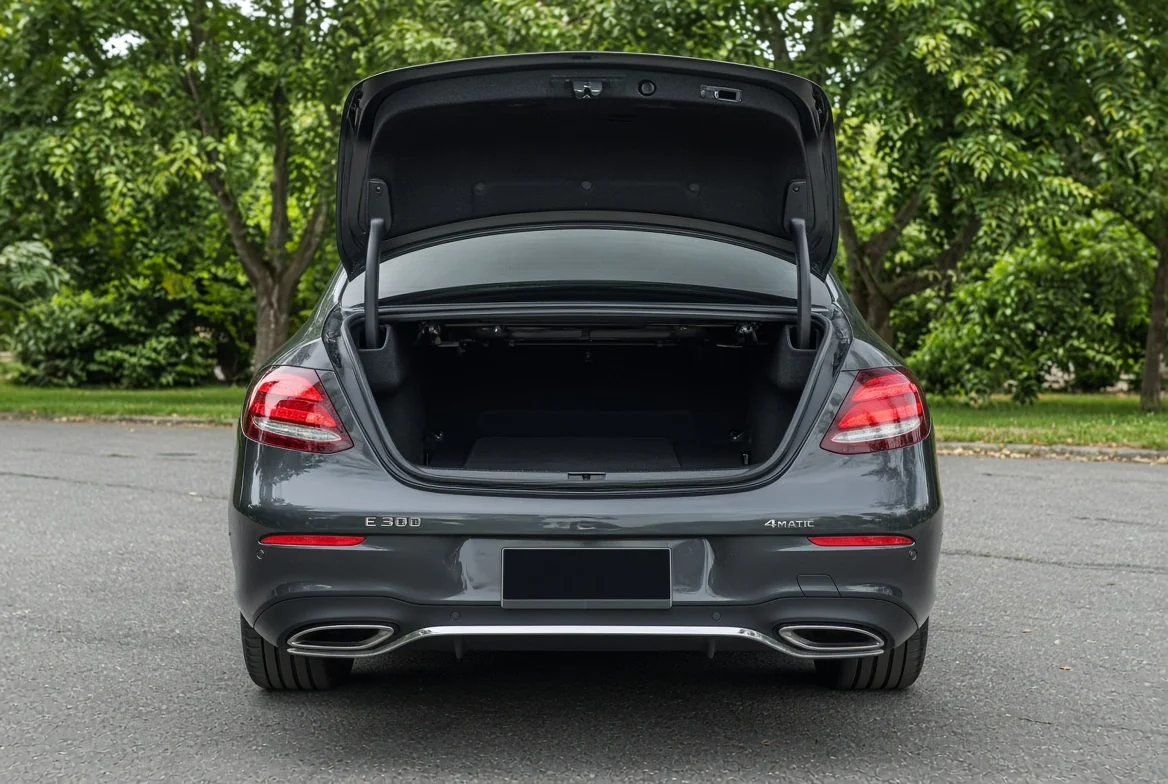
Sedan length approximately 4,923–4,940 mm. Width around 1,852 mm. Height around 1,460–1,481 mm. Wheelbase 2,939 mm. Boot volume approximately 540 litres (sedan). Estate (S213) boot approximately 640–670 litres (seats up), expanding to roughly 1,820 litres with seats folded. Plug-in hybrid versions reduced (around 370–480 litres depending on body). Fuel tank capacity typically 50–66 litres. All-Terrain estate variant offered with raised suspension. Compared with the previous W212: improved interior space, technology, and refinement. Practicality is strong for an executive sedan/estate, with the estate offering excellent load volume for the class.
Facelift (2020)
Introduced in 2020. Main changes: revised exterior styling (grille, lighting, bumpers); updated interior and MBUX software (dual screens more prominent); engine refinements and efficiency updates (more mild-hybrid options); equipment and driver-assistance improvements; continued plug-in hybrid options with improved electric range on some versions.
Differences from the previous generation (W212)
Improved refinement, interior quality, and technology (MBUX, driver aids). New engine family (OM654 diesel, M264 petrol, M256 inline-six). Better packaging and space. Introduction of more advanced mild-hybrid and plug-in hybrid systems. Overall more modern and efficient than the W212.
Known issues and weak points
Diesel (OM654 / OM656)
- Early OM654 (2016–2018/19): rocker arm and camshaft lobe wear possible (ticking, rough running). Timing chain and electric coolant pump recalls on certain production periods (verify by VIN).
- AdBlue / NOx sensor faults and DPF clogging more common on short-trip use.
- Injector issues reported on some early examples.
Petrol (M274 / M264 / M256 / M177)
- M264: exhaust valve seat / guide wear reported on some units (misfires, oil consumption).
- 48-volt mild-hybrid (EQ Boost) electrical issues possible (ISG, battery warnings, start problems).
- Oil leaks and cooling system attention needed on higher-output engines.
- M177 (AMG): standard high-performance maintenance requirements.
Transmission (9G-Tronic)
- Occasional harsh or delayed shifts on early cars if fluid is neglected or software is outdated. Software updates available. Generally robust with regular service.
Air suspension (AIRMATIC, where fitted)
- Leaking air springs and compressor failures possible at higher mileage. Corner sagging is a typical symptom. Higher repair costs on estates and higher-spec cars.
Other
- MBUX / COMAND screen freezes or software glitches (mostly resolved by updates).
- Suspension bush and control arm wear (clunks) at higher mileage.
- Multiple recalls (timing chain, coolant pump, airbags, software, fuel system). Always verify full VIN status.
- Interior rattles reported on some early cars.
What a buyer should check
- Full service history, including oil change intervals and any AdBlue/DPF interventions.
- VIN-specific recall and service campaign status (OM654 timing chain / coolant pump, airbags, software, 48-volt system).
- Cold-start engine noise and any ticking (rocker arm wear on early OM654).
- Transmission behaviour from cold and in traffic (smooth shifts).
- Air suspension function (if fitted): all corners level after overnight parking.
- For diesels: AdBlue system function, DPF regeneration history, and smoke on hard acceleration.
- 48-volt system warnings or start behaviour on mild-hybrid models.
- Full electronic function, including MBUX screens and driver aids.
- Suspension condition and any unusual noises.
- Signs of oil leaks or cooling system issues.
Running costs
Indicative costs for the Mercedes-Benz E-Class W213 in normal Belgian/EU use (approximate 2026 figures). Actual figures vary by region, driving style and service location.
Fuel consumption
- E 200 / E 300 (M264/M274): typically 6.5–9.0 L/100 km.
- E 350 (M276 V6): typically 8.5–11.0 L/100 km.
- E 220 d (OM654 2.0): typically 5.0–6.5 L/100 km; AdBlue consumption low.
- E 300 d / E 400 d (OM656): typically 6.0–7.5 L/100 km.
- E 300 e PHEV: highly dependent on charging; can be very low if mostly electric, or similar to petrol if not charged.
Maintenance
Mercedes service is premium-priced. Oil service typically €150–300. 9G-Tronic automatic fluid service every ~60,000 km is recommended. Tyres and brakes add up. AdBlue consumption on the diesel is low. AIRMATIC air suspension can be expensive to repair. Independent Mercedes specialists keep bills more reasonable than dealers.
Road tax / registration (Belgium)
Highly region-dependent (Flanders more CO₂-oriented; Wallonia/Brussels influenced by power/CV and mass). Four-cylinder engines sit in moderate brackets; the V6 E 350 and six-cylinder diesels are more expensive. Expect roughly €300–1,300+/year depending on engine, exact CO₂, region and any ongoing reforms. One-off BIV/TMC on first Belgian registration is also engine- and age-sensitive.
Insurance and LEZ
Higher than mainstream executive saloons. AMG and higher-spec versions cost more. Full comprehensive is expensive on higher-value examples. LEZ: all engines fully Euro 6d compliant and unrestricted in Belgian/EU low-emission zones.
Belgian/EU market notes
The E-Class W213 is a core executive car in the Belgian market, competing with the BMW 5 Series and Audi A6. The E 220 d diesel was a very frequent company-car choice due to fuel economy, torque, and tax treatment. Estate versions (S213) are particularly relevant for buyers needing practicality and higher load volume. Plug-in hybrid models (E 300 e / E 300 de) gained traction later for company-car tax advantages with usable electric range. Road tax and registration tax vary by region, power, and CO2. Car-Pass documentation is required for Belgian sales. Many examples show moderate-to-higher company-fleet mileage with full service histories. Facelift cars (2020–2023) generally benefit from refined engines and software. Early production (2016–2018) requires closer scrutiny of specific OM654 campaigns. The sedan is more common than the estate or Coupé/Cabriolet in the used market.
Summary
This generation offers strong refinement, technology, and practicality for an executive sedan/estate, provided the known cost items (early OM654 rocker arm and specific recalls, 48-volt mild-hybrid system on later petrols, AIRMATIC where fitted, AdBlue/DPF on diesels, and full VIN recall status) are verified. Facelift examples are generally more stable. The E 220 d with full service history remains a common and practical used choice in the Belgian market.
Belgian taxes & LEZ
Used Mercedes-Benz E-Class for sale
View all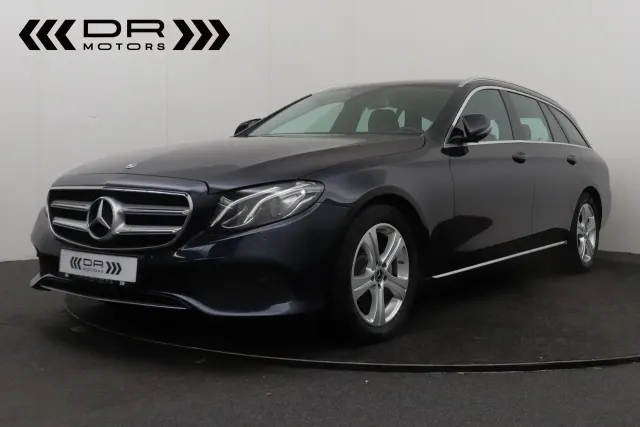
Mercedes-Benz E 200 Camera · CarPlay · Navigation
 DR Motors
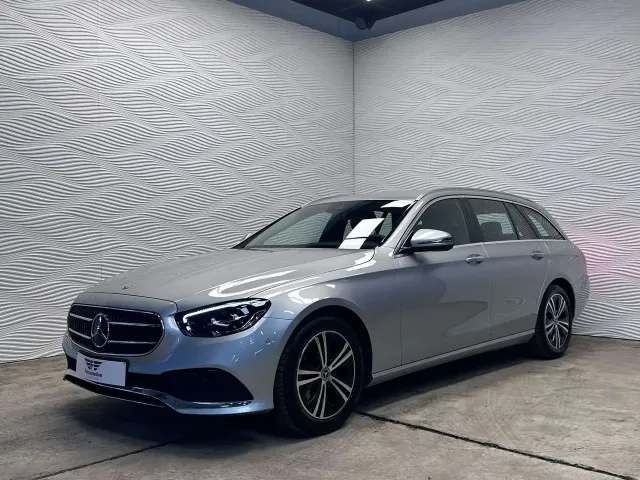
Mercedes-Benz E 200 Avantgarde · Camera · Navigation · Leather
 Falcomotive
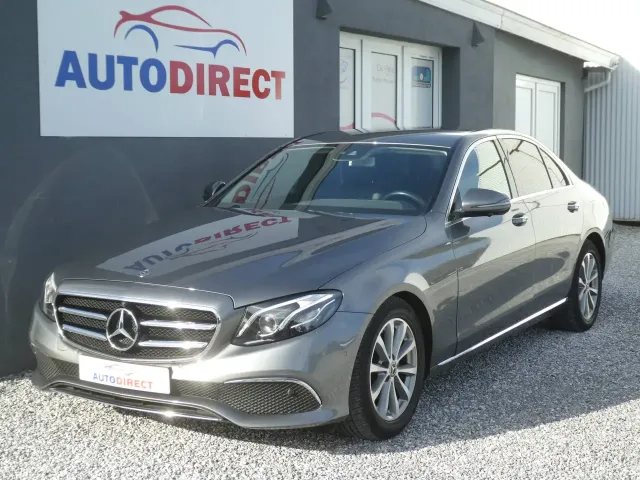
Mercedes-Benz E 200 AMG · 360° camera · CarPlay · Navigation
 Autodirect
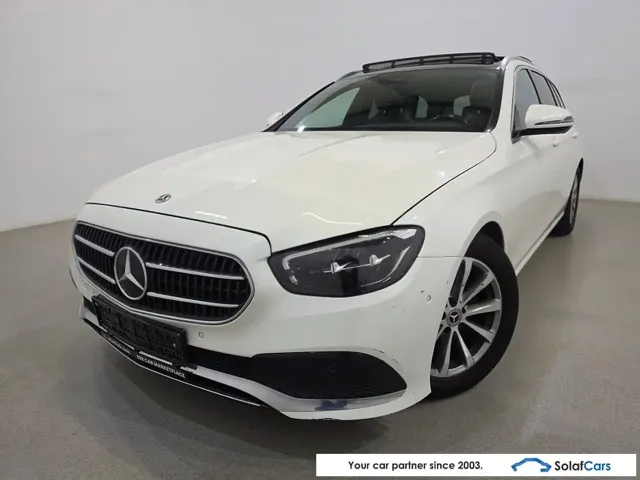
Mercedes-Benz E 200 Panoramic roof · Camera · Navigation
 OhWeGo