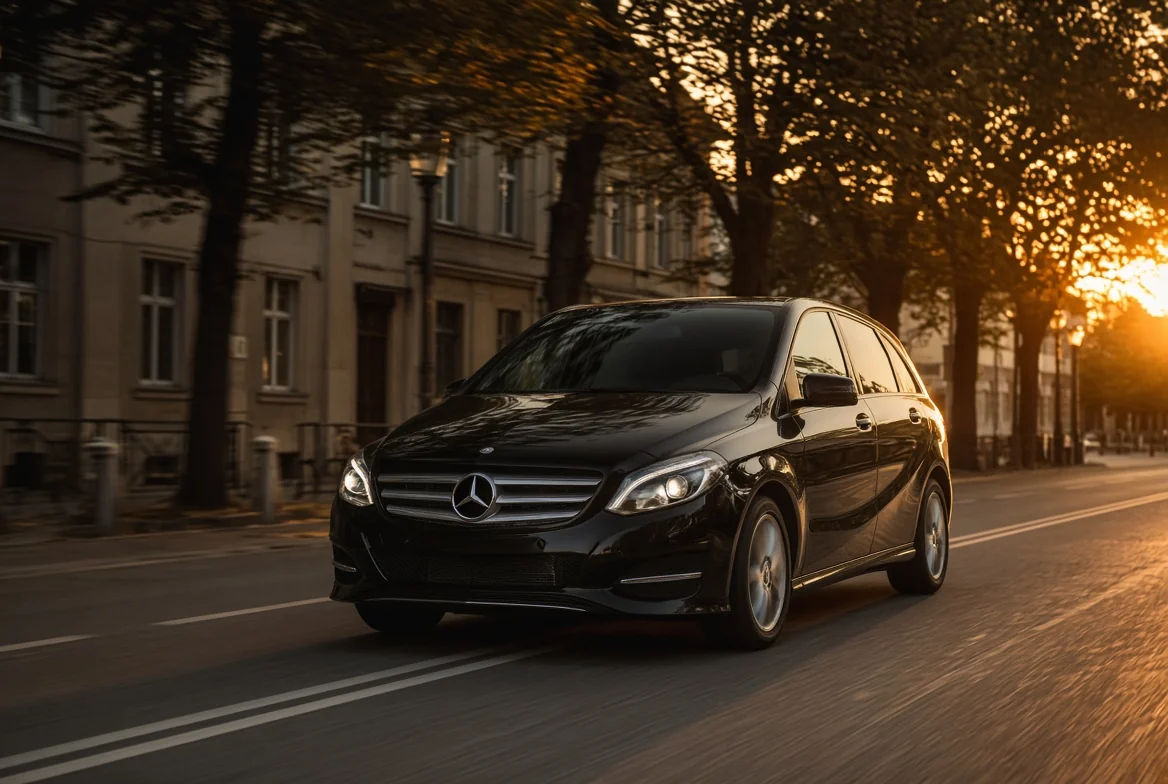

Mercedes-Benz B-Class (W246) — complete buyer's guide
The complete reference for the second-generation Mercedes-Benz B-Class (W246, 2011–2018): platform, dimensions, every engine, the 2014 facelift, known issues and a used-buyer checklist.
Production and platform
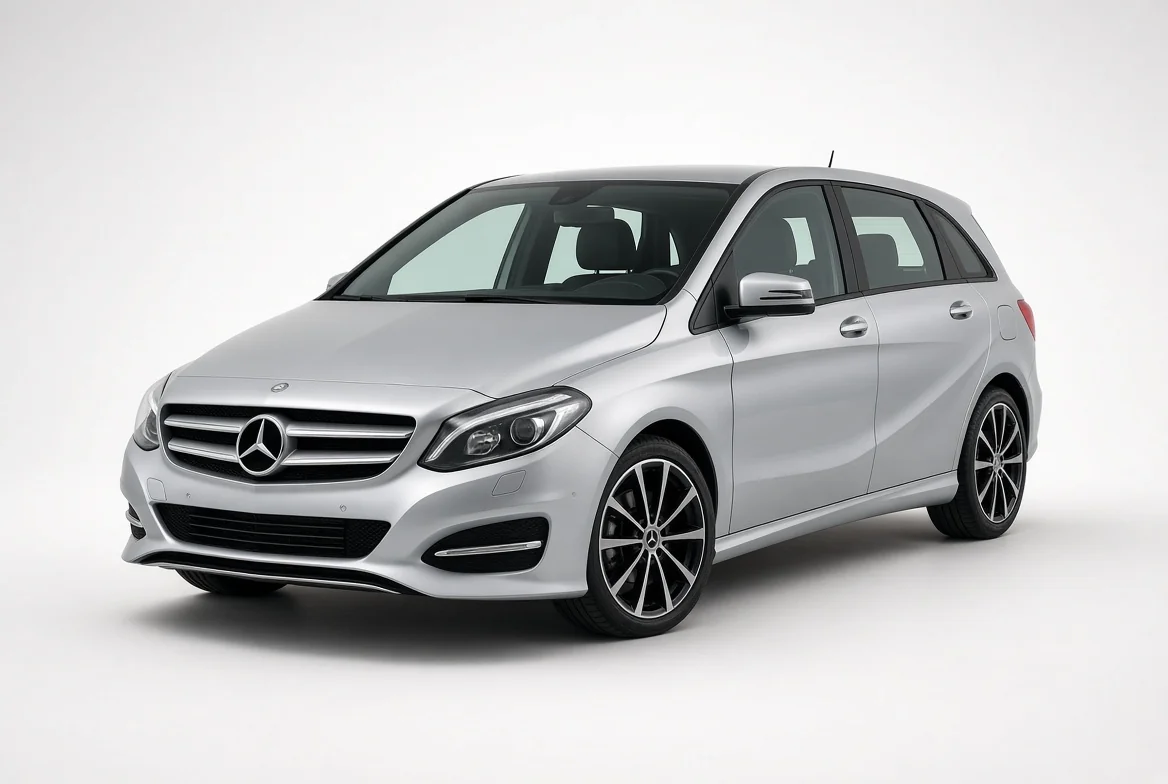
Produced from late 2011 to 2018. Second generation of the B-Class. Compact MPV / multi-purpose hatchback based on the MFA platform (related to the A-Class W176 and CLA C117). Front-wheel drive standard; 4MATIC all-wheel drive available on most versions. Facelift introduced in late 2014. Related models include the electric B 250 e (Electric Drive). Primary assembly in Rastatt, Germany, with some production in Kecskemét, Hungary. Replaced by the W247 from 2018.
Driving experience
High-seated, practical and easy to live with. The W246 rides comfortably enough, steers lightly and accurately, and gives an elevated view that makes town driving and loading children straightforward. The M270 petrols are willing but coarse, the OM651 diesel is the economical choice for distance, and the B 250 e is smooth and silent if its range suits you. The 7-speed dual-clutch is smooth once moving, though hesitant from a standstill. It is a sensible family car, but its refinement and cabin tech lag well behind the W247.
Engines
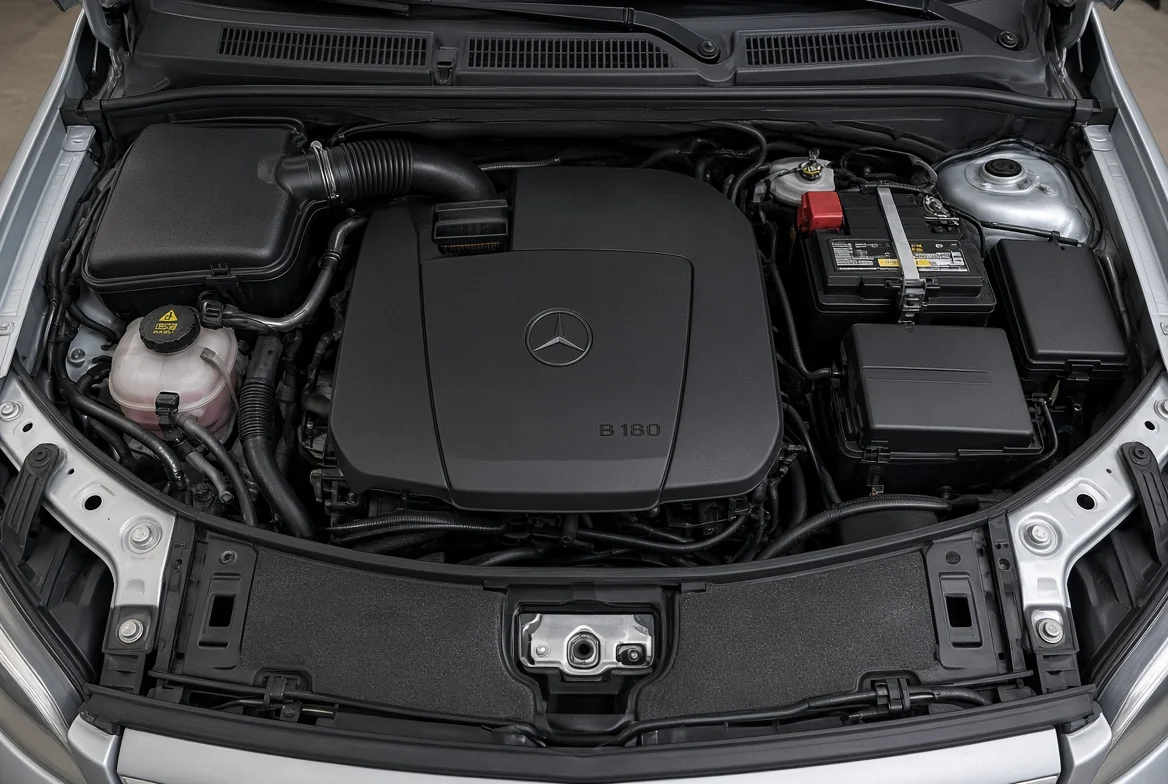
Petrol (M270)
| Engine | Power | Torque | 0–100 km/h | |
|---|---|---|---|---|
| B 160 / B 180 / B 200 | 1.6 L · 4-cyl (M270) | 102–156 hp75–115 kW | 180–250 Nm | 8.4–10.7 s |
| B 220 / B 250 | 2.0 L · 4-cyl (M270) | 184–211 hp135–155 kW | 300–350 Nm | 6.7–7.5 s |
Diesel (OM607 / OM651)
| Engine | Power | Torque | 0–100 km/h | |
|---|---|---|---|---|
| B 160 CDI / B 180 CDI / B 200 CDI / B 220 CDI | 1.5/1.8/2.1 L · 4-cyl (OM607 / OM651) | 90–177 hp66–130 kW | 220–350 Nm | 8.3–14 s |
Electric (B 250 e)
| Engine | Power | Torque | 0–100 km/h | |
|---|---|---|---|---|
| B 250 e | Elektromotor | 179 hp132 kW | 340 Nm | 7.9 s |
Transmissions
6-speed manual or 7G-DCT dual-clutch automatic. All engines transverse. Euro 5 / Euro 6 compliance depending on year and engine.
Dimensions and practicality
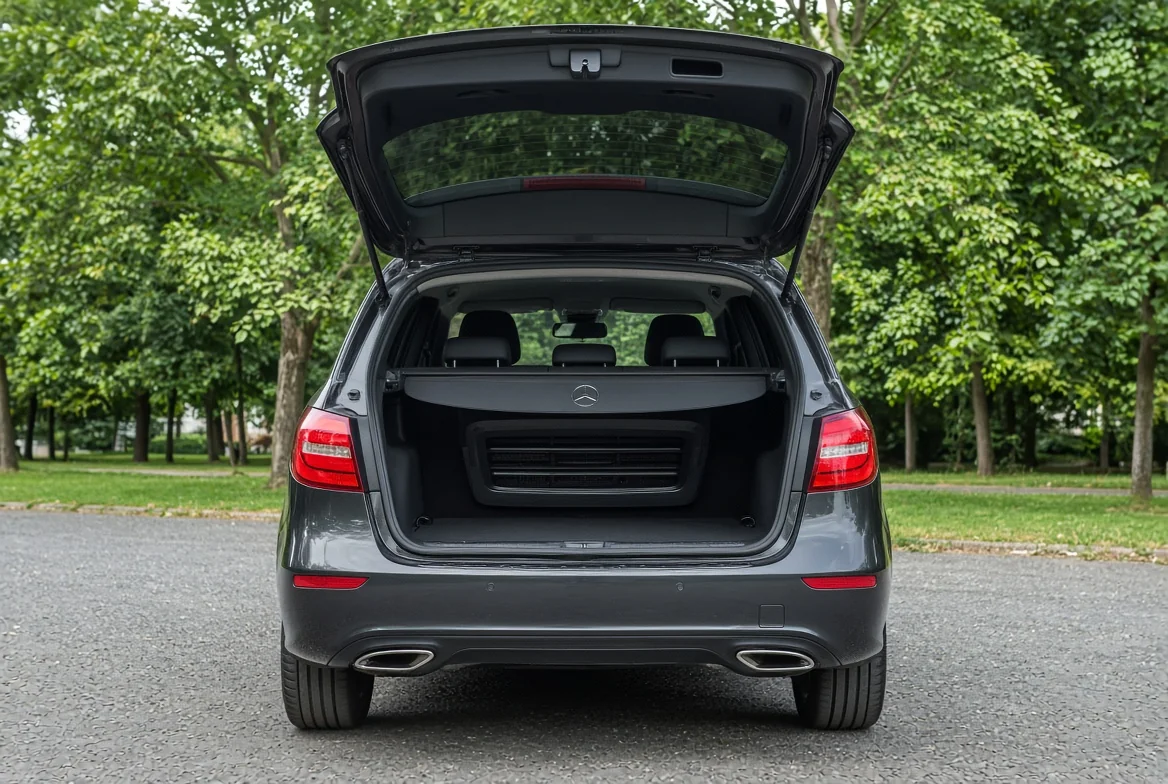
Length approximately 4,359–4,393 mm. Width around 1,786 mm. Height around 1,557 mm. Wheelbase 2,699 mm. Boot volume approximately 488 litres (seats up), expanding to roughly 1,545–1,547 litres with seats folded. Optional Easy-Vario-Plus system allows further flexibility. Fuel tank capacity typically 50–56 litres. Compared with the previous W245: more modern styling, improved safety, and refined packaging. Practicality is strong for a compact MPV of the period, with a high seating position and usable load volume.
Facelift (2014)
Introduced in late 2014 for the 2015 model year. Main changes: revised exterior styling (grille, lighting, bumpers); updated interior and COMAND infotainment; engine refinements and efficiency updates; equipment and safety improvements; continued diesel and petrol options.
Differences from the previous generation (W245)
More modern MFA platform. Updated engines (M270 petrol, OM651 diesel). Improved safety systems and interior quality. Better refinement overall. Practicality retained with a high seating position.
Known issues and weak points
Petrol (M270)
- Timing chain stretch and tensioner issues on some early examples (cold-start rattle). Carbon buildup possible on direct-injection versions at higher mileage.
- Turbocharger wear reported on some higher-mileage examples.
Diesel (OM651 / OM607)
- OM651: timing chain tensioner seal leaks and stretch on some early cars (cold-start rattle). Injector faults more common on higher-output versions. EGR and DPF clogging more common on short-trip use.
- OM607 (1.5-litre): timing belt (interference engine); belt replacement critical. Injector issues possible.
- AdBlue / NOx sensor faults on later Euro 6 examples.
Transmission (7G-DCT)
- Low-speed judder, delayed engagement, or mechatronic faults possible if fluid is neglected. Fluid service recommended earlier than official intervals. Manual versions generally more durable. Generally reliable with proper maintenance.
Other
- Electronic parking brake or licence plate light failures reported.
- Suspension bush and control arm wear (clunks) at higher mileage.
- Multiple recalls (airbags, timing chain, software, emissions). Always verify full VIN status.
- Interior wear and rattles on higher-mileage examples.
- Start-stop system issues on some cars.
What a buyer should check
- Full service history, including DCT fluid changes and any AdBlue/DPF interventions.
- VIN-specific recall and service campaign status (timing chain, airbags, emissions software).
- Cold-start engine noise (timing chain rattle on diesels or early petrols).
- Transmission behaviour from cold and in low-speed traffic (smooth engagement).
- For diesels: AdBlue system function, DPF regeneration history, and smoke on hard acceleration.
- Timing belt service history on OM607 examples.
- Full electronic function and signs of interior or suspension wear.
- Signs of oil leaks or cooling system issues.
Running costs
Indicative costs for the Mercedes-Benz B-Class W246 in normal Belgian/EU use (approximate 2026 figures). Actual figures vary by region, driving style and service location.
Fuel consumption
- B 180 / 200 (M270 1.6): typically 6.0–8.0 L/100 km.
- B 220 / 250 (M270 2.0): typically 6.5–9.0 L/100 km.
- B 180 CDI / 200 CDI (OM651/OM607): typically 4.5–6.0 L/100 km — the most economical choice.
- B 220 CDI (OM651 2.0): typically 5.0–6.5 L/100 km; AdBlue consumption low.
- B 250 e electric: consumption in kWh/100 km; charging cost depends on the electricity tariff.
Maintenance
Mercedes service is premium-priced. Oil service typically €150–300. 7G-DCT fluid service every ~60,000 km is recommended. Tyres and brakes add up. AdBlue consumption on the diesel is low. Independent Mercedes specialists keep bills more reasonable than dealers.
Road tax / registration (Belgium)
Highly region-dependent (Flanders more CO₂-oriented; Wallonia/Brussels influenced by power/CV and mass). The 1.6- and 2.0-litre engines sit in moderate brackets. Expect roughly €200–800+/year depending on engine, exact CO₂, region and any ongoing reforms. One-off BIV/TMC on first Belgian registration is also engine- and age-sensitive.
Insurance and LEZ
Typical group for a compact MPV. Annual premium heavily dependent on age, history, location and cover level. Full comprehensive is expensive on higher-value examples. LEZ: all combustion engines fully Euro 6 compliant and unrestricted in Belgian/EU low-emission zones.
Belgian/EU market notes
The B-Class W246 remains a practical compact MPV in the Belgian used market, competing with the BMW 2 Series Active Tourer and Volkswagen Golf Sportsvan of the same period. The B 180 CDI / B 200 CDI diesels were frequent choices for mixed private and company use due to torque, fuel economy, and high seating position. Front-wheel-drive versions dominate. Road tax and registration tax vary by region, power, and CO2. Car-Pass documentation is required for Belgian sales. Many examples show moderate company-fleet mileage with full service histories. Facelift cars (2015–2018) generally benefit from refined engines and updated electronics. Early production requires closer scrutiny of specific OM651 timing chain campaigns. The high seating position and usable boot volume remain practical advantages for urban and family use.
Summary
This generation offers solid practicality and a high seating position for a compact MPV of its era, provided the known cost items (OM651 timing chain and AdBlue/DPF issues, 7G-DCT fluid service, M270 timing chain risks on early petrols, and full VIN recall status) are verified. Facelift examples are generally more stable. The B 180 CDI / B 200 CDI with full service history remains a common and practical used choice in the Belgian market.
Belgian taxes & LEZ
Used Mercedes-Benz B-Class for sale
View all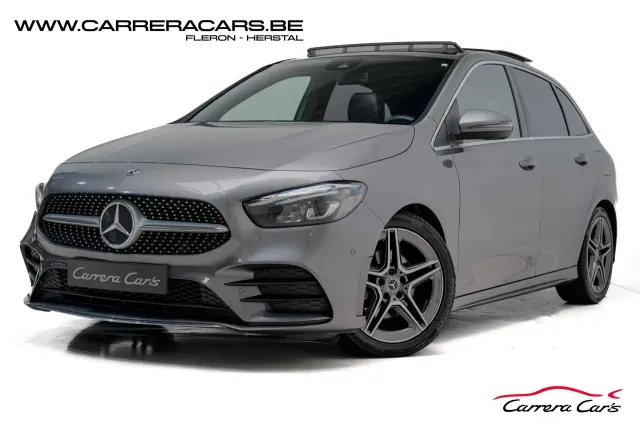
Mercedes-Benz B 180 AMG · Panoramic roof · 360° camera · CarPlay
 Garage Carrera Cars
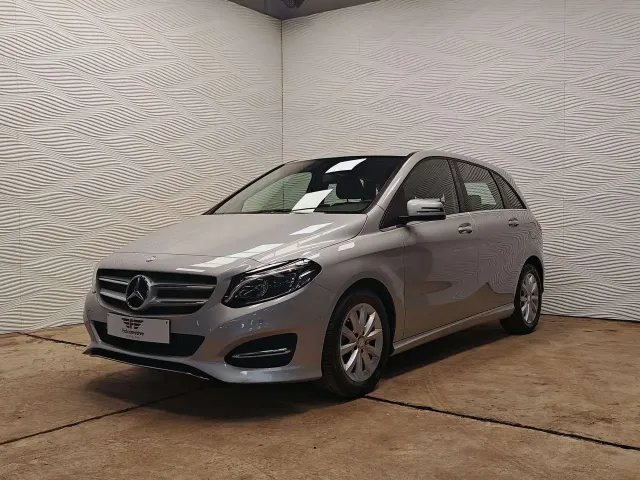
Mercedes-Benz B 180 Navigation · LED · Leather
 Falcomotive
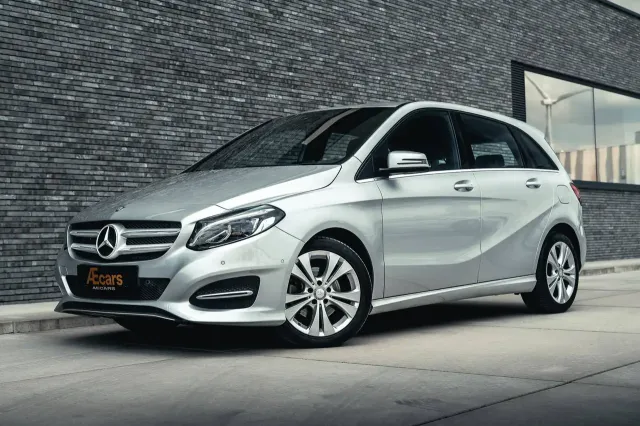
Mercedes-Benz B 180 Navigation · LED · Leather
 AECARS BV
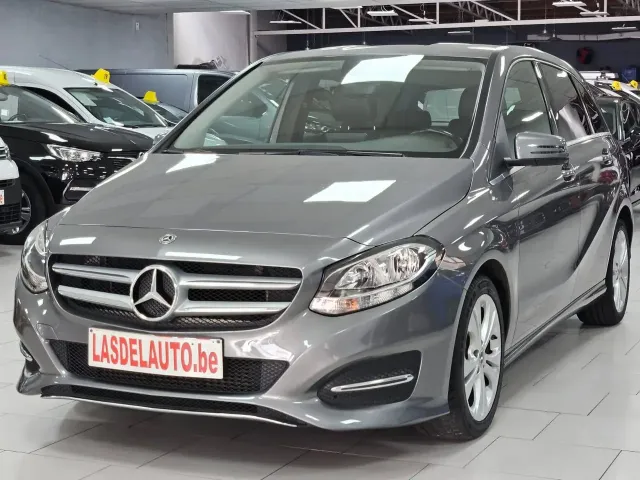
Mercedes-Benz B 200 Camera · Navigation · LED
 Garage l'As de l'Auto