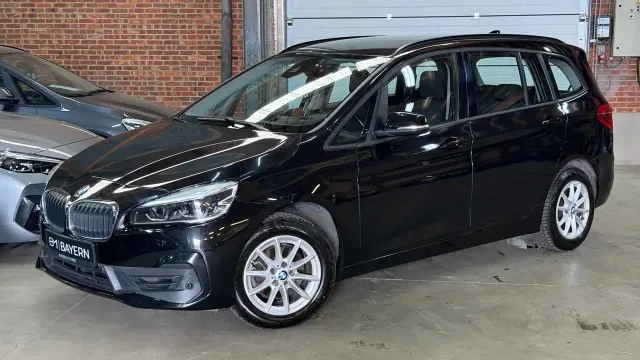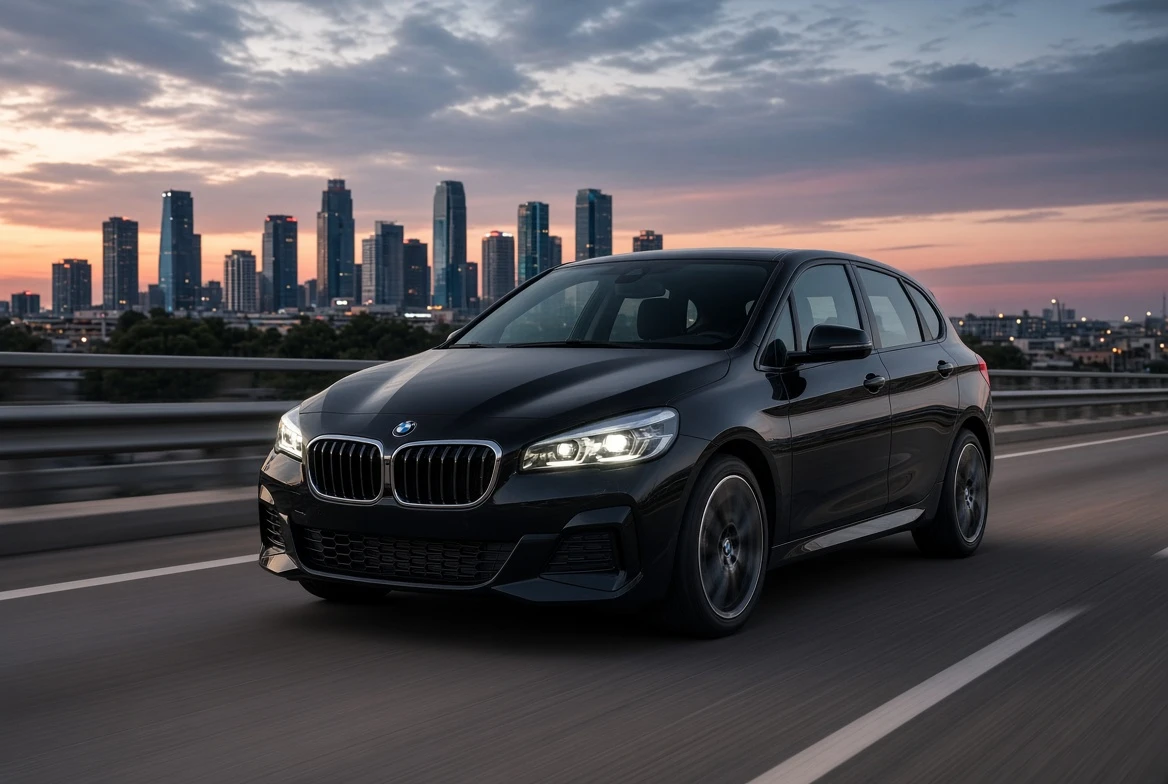

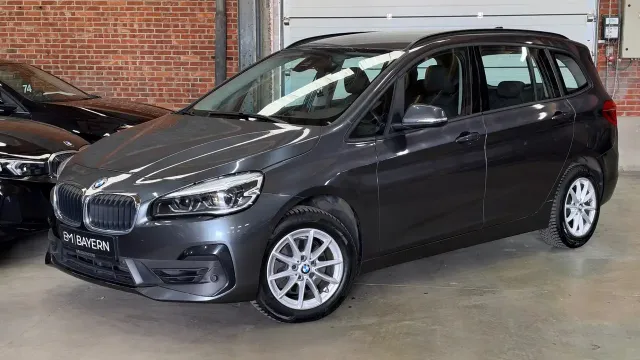
BMW 2 Series Active Tourer (F45) — complete buyer's guide
The complete reference for the first-generation BMW 2 Series Active Tourer (F45, 2014–2021): platform, dimensions, every engine, the 2018 facelift, known issues and a used-buyer checklist.
Production and platform
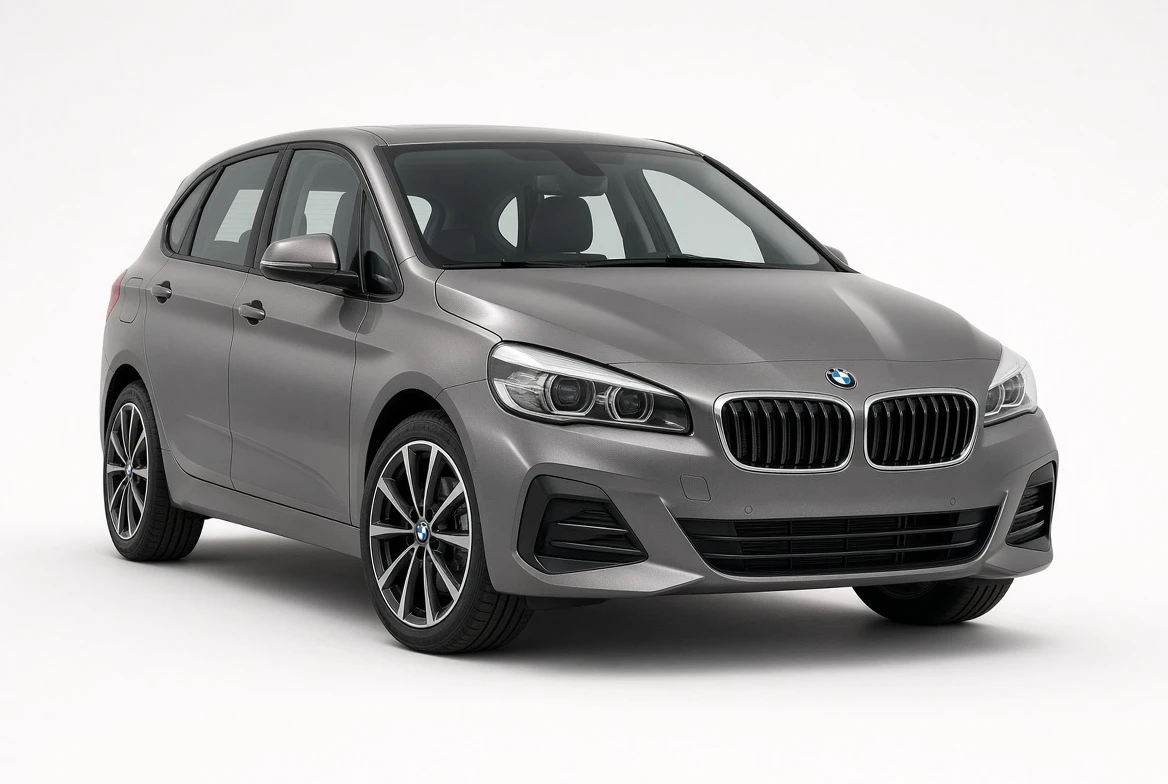
Produced from 2014 to 2021. First generation of the 2 Series Active Tourer. Compact MPV / people carrier. Built on the UKL2 transverse platform shared with the X1 F48, X2 F39 and various MINI models. Front-wheel drive base architecture; xDrive all-wheel drive available on higher engines. Facelift (LCI) introduced in 2018. Closely related three-row Gran Tourer used the F46 code and was discontinued after 2021. Assembled primarily in Leipzig, Germany (some Chinese-market cars built in Shenyang).
Dimensions and practicality
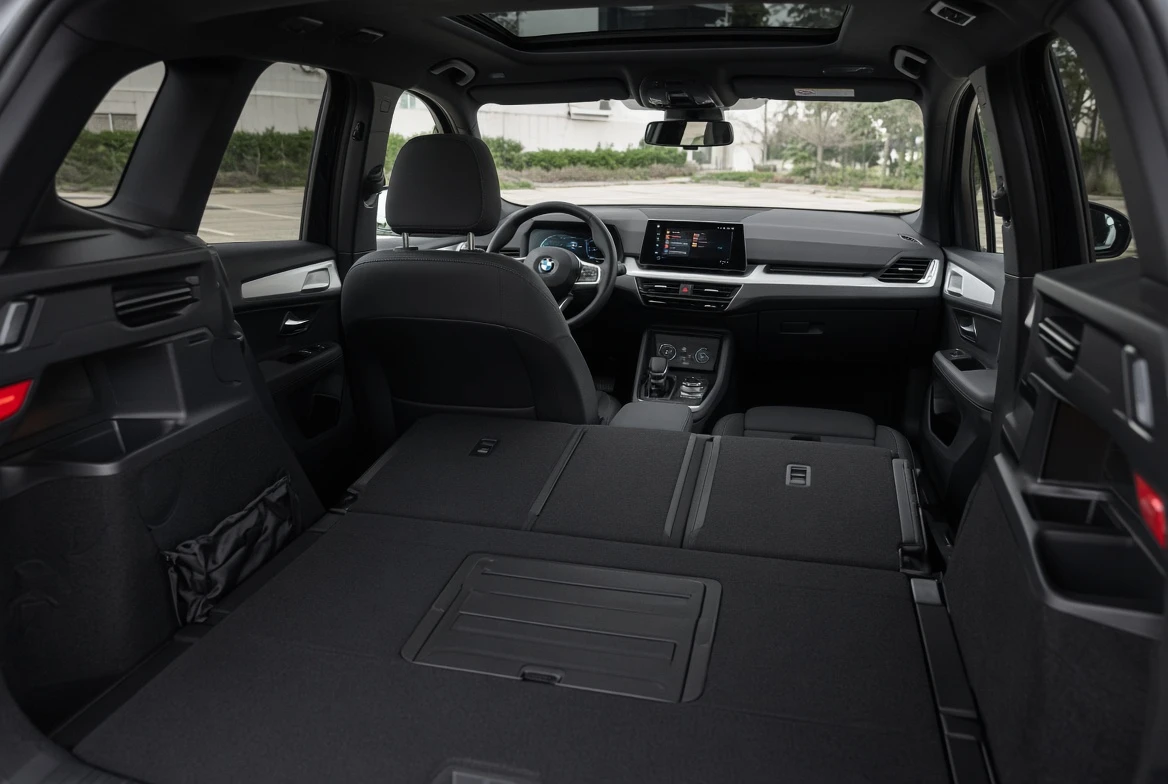
Length approximately 4,342–4,354 mm. Width around 1,800 mm. Height around 1,555 mm. Wheelbase 2,670 mm. Boot volume approximately 468 litres (seats up); maximum volume with seats folded typically 1,510 litres. Rear seats slide and fold individually (40:20:40 or similar split). Compared with conventional hatchbacks of the period, the raised seating position and boxy body improve access and load flexibility. Plug-in hybrid versions have a smaller usable boot due to battery placement. Towing capacity typically up to 1,300–1,500 kg braked depending on engine and equipment. Ground clearance around 155–165 mm.
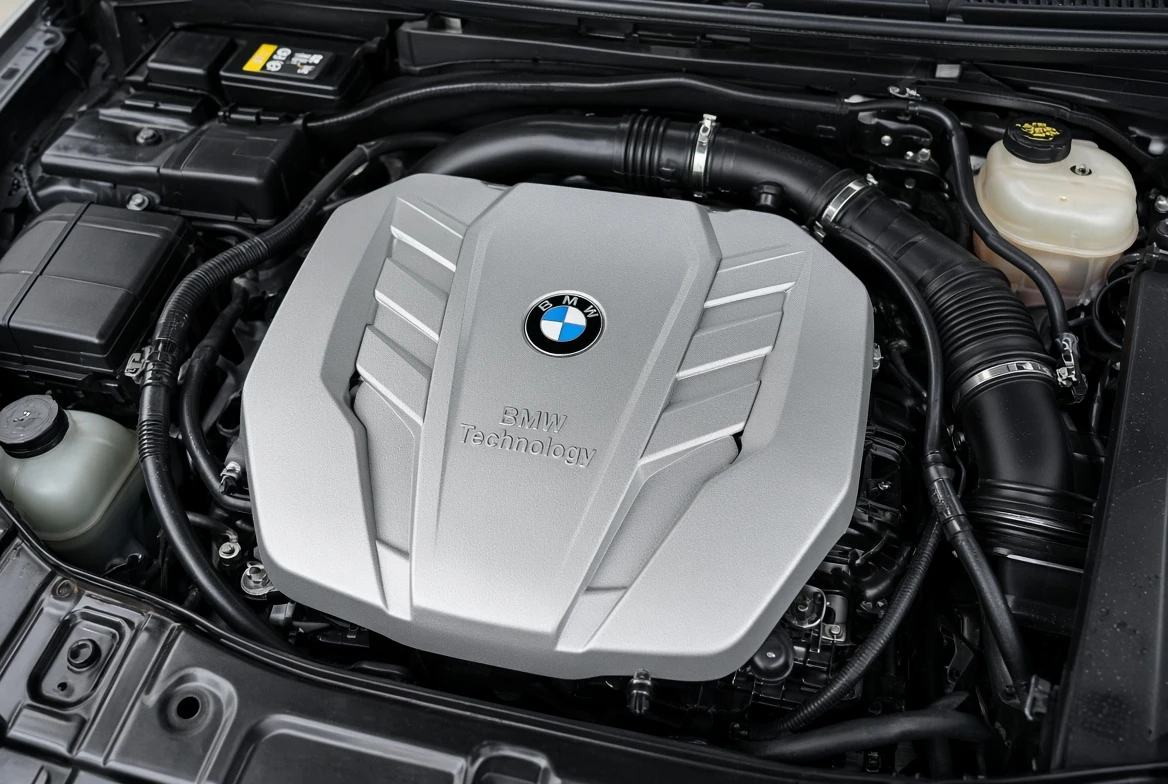
Engines
Petrol
| Engine | Power | Torque | 0–100 km/h | |
|---|---|---|---|---|
| 216i / 218i | 1.5 L · 3-cyl B38 | 109–140 hp80–103 kW | 180–220 Nm | 9.2–10.0 s |
| 220i | 2.0 L · 4-cyl B48 | 192 hp141 kW | 280 Nm | 7.4 s |
| 225i / 225i xDrive | 2.0 L · 4-cyl B48 | 231 hp170 kW | 350 Nm | 6.3 s |
Diesel
| Engine | Power | Torque | 0–100 km/h | |
|---|---|---|---|---|
| 214d / 216d | 1.5 L · 3-cyl B37 | 95–116 hp70–85 kW | 220–270 Nm | 10.6–12.6 s |
| 218d | 2.0 L · 4-cyl B47 | 150 hp110 kW | 330–350 Nm | 8.8–9.6 s |
| 220d / 220d xDrive | 2.0 L · 4-cyl B47 | 190 hp140 kW | 400 Nm | 7.5–8.2 s |
Plug-in hybrid
| Engine | Power | Torque | 0–100 km/h | |
|---|---|---|---|---|
| 225xe ~40–50 km electric range | 1.5 L · 3-cyl B38 + e-motor | 224 hp165 kW | — | — |
Transmissions
6-speed manual on many base versions; 8-speed automatic (Steptronic) on higher engines; 7-speed dual-clutch (DCT) introduced on several models from the LCI. All engines transverse-mounted.
Facelift (LCI, 2018)
Introduced early 2018. Main changes:
- Larger kidney grille and revised front bumper with three-section air intake and C-shaped surrounds.
- Updated headlight graphics (hexagonal corona rings on LED versions). Full LED and adaptive LED more widely available.
- Revised rear bumper and larger exhaust outlets (twin outlets on four-cylinder models).
- New alloy wheel designs (16–19 inch) and additional exterior colours.
- Interior updates including new electronic gear selector on automatic models, wider seat cushions, and updated iDrive with larger touchscreen options.
- Engine efficiency revisions (form honing on cylinder bores, revised heat management, updated turbocharging on several units). Minor power increases on some petrol engines.
- 7-speed DCT introduced on several petrol and smaller diesel models; 8-speed automatic retained or expanded on higher diesel versions.
- All diesels received DPF + SCR (AdBlue) systems.
Differences from conventional BMW models of the period
First BMW with front-wheel-drive transverse layout in this segment. Shared UKL2 architecture with the X1 F48. More upright seating and higher roofline than a 1 Series or 3 Series of the same era. Boot and rear-seat flexibility prioritised over traditional BMW driving dynamics. Modular B-series engines (B38/B48 petrol, B37/B47 diesel) replaced earlier N-series units and addressed several known weak points of the previous generation engines.
Known issues and weak points
Diesel (B37 / B47)
- EGR cooler leaks covered by recalls on many B47 engines. Glycol leakage can create a fire risk; verify completion by VIN.
- DPF clogging more common on short-trip use. Regular longer runs help regeneration.
- AdBlue system faults reported on higher-mileage cars.
- Timing chain issues less common than on earlier N47 engines, but cold-start checks remain advisable.
Petrol (B38 / B48)
- Timing chain tensioner and chain elongation reported on higher-mileage examples, particularly early B38 cars. Cold-start rattle is the typical warning sign.
- Crankshaft thrust bearing wear documented on very early 218i manual cars (pre-mid 2015); later production largely addressed.
- Cooling system components (water pump, thermostat, hoses) can develop leaks at higher mileages.
- Valve cover gasket and oil filter housing leaks typical at higher mileages.
- Intake valve carbon buildup more common on short-trip use (direct injection).
Drivetrain and chassis
- Automatic and DCT transmissions can exhibit low-speed jerking or delayed engagement if fluid service is neglected.
- Front suspension bushes and control arms wear faster than on rear-drive BMWs due to higher front-axle loads; check for knocks and uneven tyre wear.
- Boot floor panel retaining flaps can break or detach.
- Cowl drains can clog, leading to water ingress into the passenger footwell.
Other
- iDrive software glitches and connectivity issues more common on early cars; usually resolved with updates.
- Headlight condensation reported on some examples.
- Various recalls including high-voltage battery on some 225xe models and other campaigns; always check full VIN status.
- Plug-in hybrid battery health and charging system function should be verified on 225xe models.
What a buyer should check
- Full service history, ideally with BMW or specialist stamps. Oil change intervals matter on these engines.
- VIN-specific recall status (EGR cooler on diesels, high-voltage battery on 225xe, and other campaigns).
- Cold-start behaviour and any unusual noises from the engine bay (chain rattle).
- Coolant level stability and any signs of external leaks or oil seepage.
- Transmission shifts (smooth engagement, no low-speed jerking).
- Suspension condition on a road test over uneven surfaces.
- Infotainment and driver-assist systems for software faults.
- For diesels: DPF regeneration history and AdBlue system function.
- For plug-in hybrids: battery state of health and charging behaviour.
- Boot floor panel and retaining flaps for damage.
- Cowl drains for blockages (check passenger footwell for dampness).
Belgian/EU market notes
Diesel versions (especially 218d and 220d) were popular for company-car use due to lower running costs and tax treatment in earlier years. Petrol and plug-in hybrid models became more relevant as company-car tax rules and urban restrictions tightened. Euro 6 / Euro 6d compliance is standard from the LCI. Car-Pass documentation is required for Belgian sales. Many examples will have higher annual mileage from company or family use but correspondingly regular maintenance. The three-row Gran Tourer (F46) was less common in Belgium than the five-seat Active Tourer.
Summary
This generation is generally regarded as a practical and relatively reliable compact MPV for everyday use, provided the specific known items (EGR on diesels, timing chain and cooling system on petrol engines, suspension wear, and software/recall status) are verified. The main practical strengths are the flexible interior, elevated seating, and modular engines; the main trade-off versus traditional BMWs is the front-wheel-drive layout and less engaging driving dynamics.
 Garage des Chaufours SRL
 Trend Cars
 Bayern Motors NV