BMW X1 F48 vs Volkswagen T-Roc A11
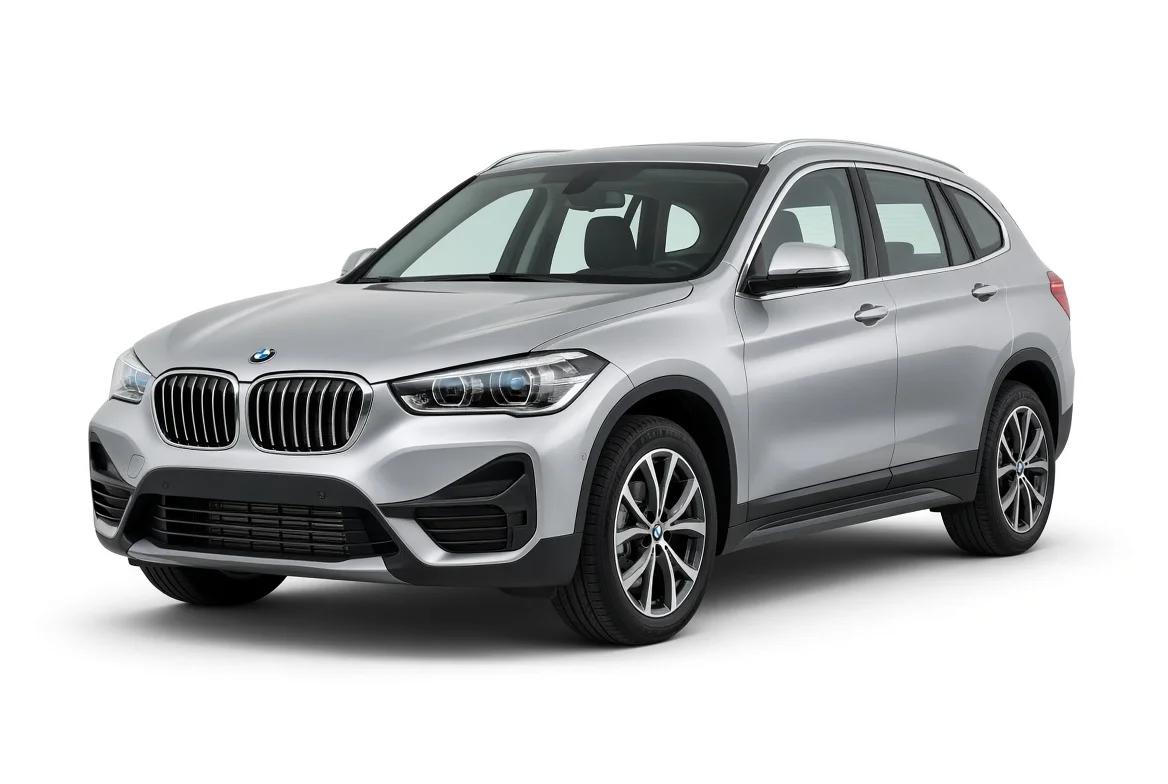
BMW X1
F48 · 2015 – 2022
The second-generation X1 (F48), front-wheel-drive based (UKL2).
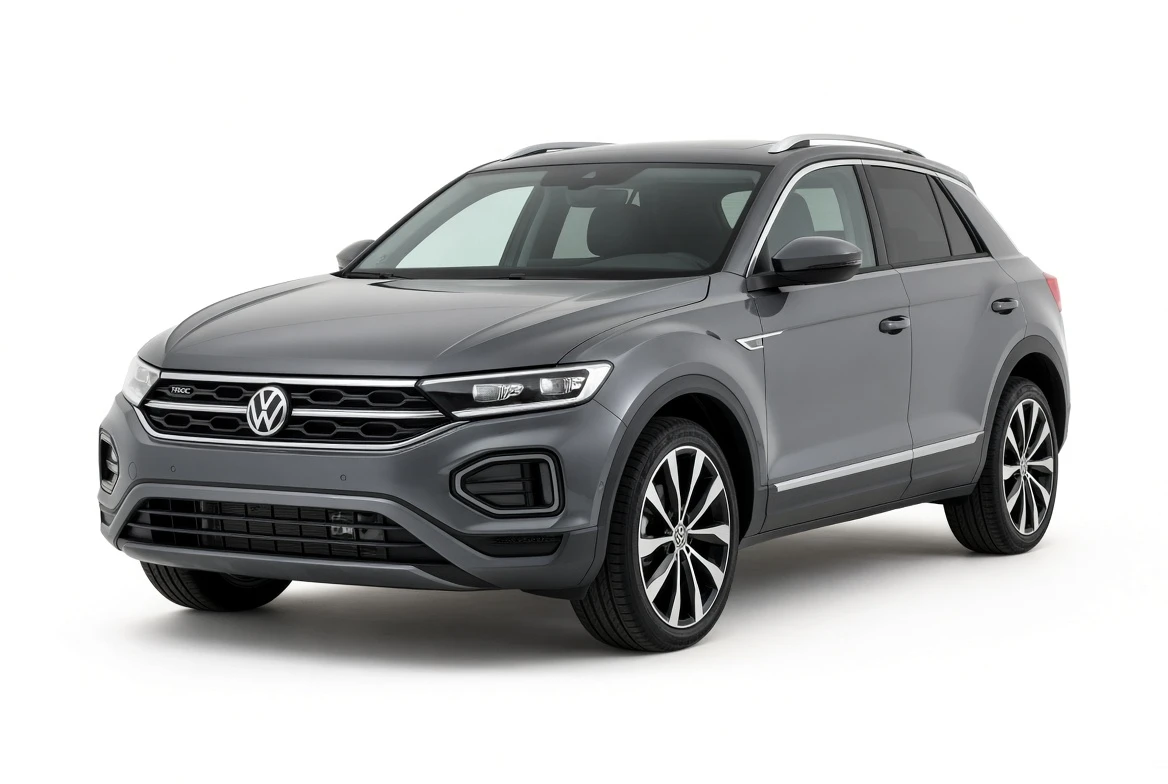
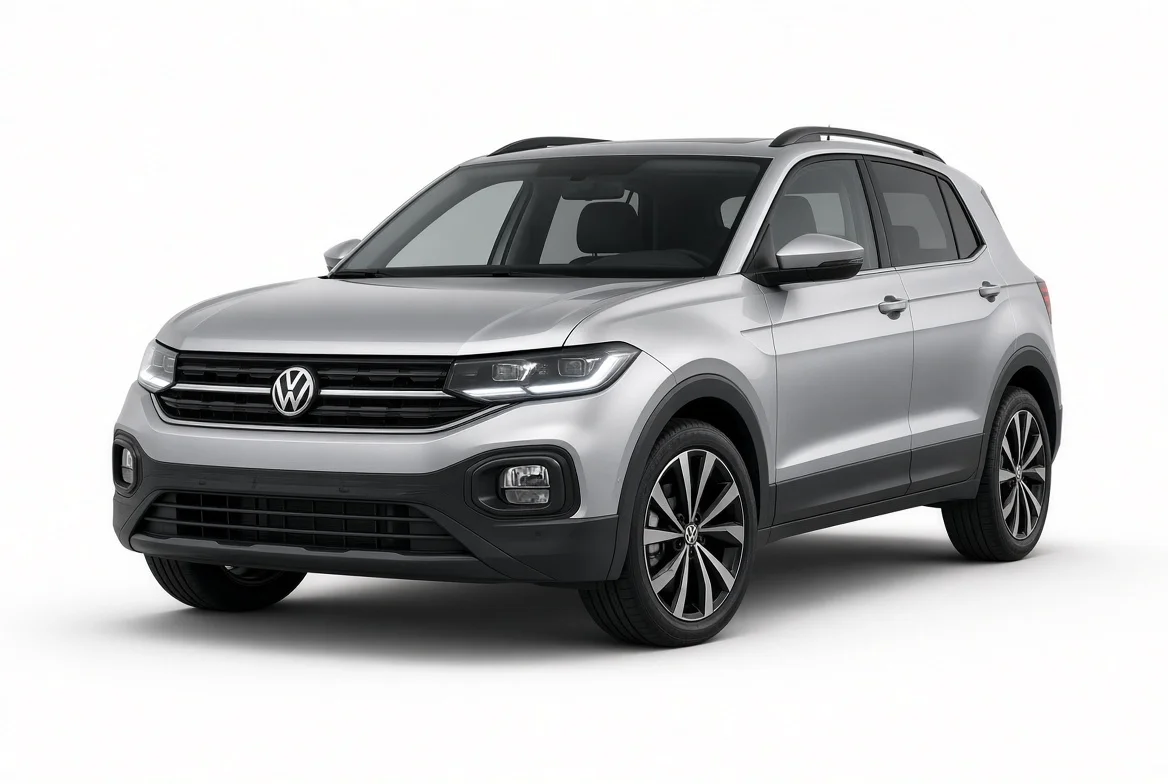
Volkswagen T-Roc
A11 · 2017 – 2025
The first-generation T-Roc (A11), on the MQB A1 platform.
BMW X1
Pick the X1 for sharp BMW handling with a raised driving position and proven engines.
Volkswagen T-Roc
Pick the T-Roc for a bold crossover look with an elevated seat and city-friendly dimensions.
Performance
B48 20i · Petrol vs 1.5 TSI 150 · Petrol
| BMW X1 | Volkswagen T-Roc | |
|---|---|---|
| Power |
192 hp
Winner
|
150 hp
|
| Torque |
280 Nm
Winner
|
250 Nm
|
| 0–100 km/h |
7,7 s
Winner
|
8,5 s
|
| Top speed |
226 km/h
Winner
|
205 km/h
|
| Power-to-weight |
127,6 hp/t
Winner
|
118,6 hp/t
|
| CO₂ emissions (WLTP) |
134 g/km
|
128 g/km
Winner
|
| Consumption (WLTP) |
5,9 L/100km
|
5,6 L/100km
Winner
|
Dimensions & space
| BMW X1 | Volkswagen T-Roc | |
|---|---|---|
| Boot |
505 L
Winner
|
445 L
|
| Boot (seats folded) |
1.550 L
Winner
|
1.290 L
|
| Wheelbase |
2,67 m
Winner
|
2,59 m
|
| Length |
4,44 m
|
4,23 m
|
| Ground clearance |
18,3 cm
|
16,1 cm
|
| Turning circle |
11,4 m
|
10,9 m
Winner
|
| Towing capacity (braked) |
2.000 kg
Winner
|
1.800 kg
|
Powertrain & tech
| BMW X1 | Volkswagen T-Roc | |
|---|---|---|
| Platform | UKL2 (front-wheel-drive base) | MQB A1 (transverse) |
| Drive | Front-wheel drive · All-wheel drive | Front-wheel drive · All-wheel drive |
| Engine family | B38 1.5 · B48 2.0 · B47 2.0 diesel · 25e PHEV | EA211 1.0/1.5 TSI · EA888 2.0 TSI (R) · EA288 1.6/2.0 TDI |
| Transmission | 8-speed automatic | 6-speed manual · 7-speed DSG |
| Fuel | Petrol | Petrol |
| Euro standard | Euro 6d-TEMP | Euro 6d |
| LEZ access | Unrestricted access (compliant under current legislation) | Unrestricted access (compliant under current legislation) |
Reliability & watch-outs
Known issues
- Engine mounts can wear early
- Cooling system needs checking
- Early timing-chain tensioners (B48/B47) & EGR on diesels
- Electronic parking-brake and software recalls (pre-facelift)
- Infotainment glitches on early cars
- Cabriolet: roof mechanism/water ingress at high mileage
Pros
- Spacious cabin & big boot
- Efficient engines
- Practical and family-friendly
- Customisable design with optional contrasting roof
- Facelift (2022) brought modernised lights and interior
- Strong driver-assistance suite (IQ.DRIVE)
Cons
- Firm ride (run-flat)
- Less playful due to front-wheel drive
- Pre-facelift interior (2017–2021) looks simpler
- Cabriolet: smaller boot and higher weight
Driving experience
BMW X1
Confident, refined and remarkably car-like for a compact crossover. Steering is quick and accurate, body control composed, and the X1 feels light and easy to place. The transverse UKL2 platform swaps the old E84’s rear-drive character for front-drive agility and more space; sDrive stays nimble, xDrive adds wet-weather traction. Comfort depends on spec: supple on standard springs and sensible wheels, firmer and choppier on M Sport and run-flats. The B48 20i is the pick, smooth and willing; the B47 diesels pull strongly and stay hushed. Overall a polished small SUV that drives like a raised hatch, not a soft-roader.
Volkswagen T-Roc
Easy, comfortable and a little more involving than most crossovers. The T-Roc steers accurately with decent weighting, rides well enough, and handles tidily for a car of its height, with the 2.0 TSI R version adding genuine pace. Front-drive is the default; 4MOTION adds traction in poor conditions. The 1.5 TSI is the sensible pick — smooth and efficient — the 2.0 TDI is the distance choice, and the 1.0 TSI is adequate for town work. The DSG is smooth; the manual is light. It is a well-rounded compact crossover that feels closer to a Golf than its tall body suggests.
Belgian taxes & LEZ
For sale at dealers
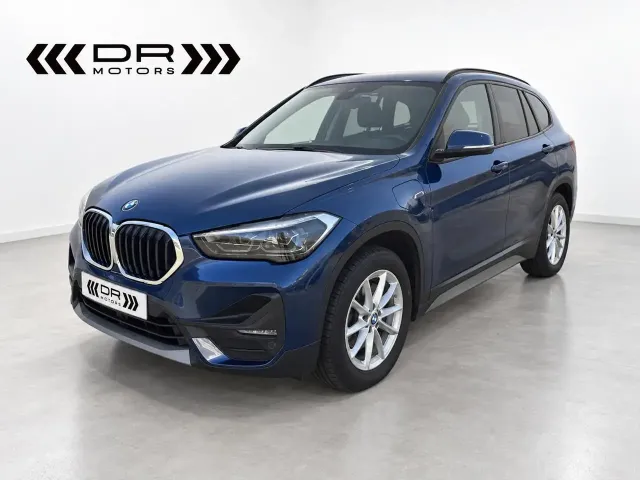
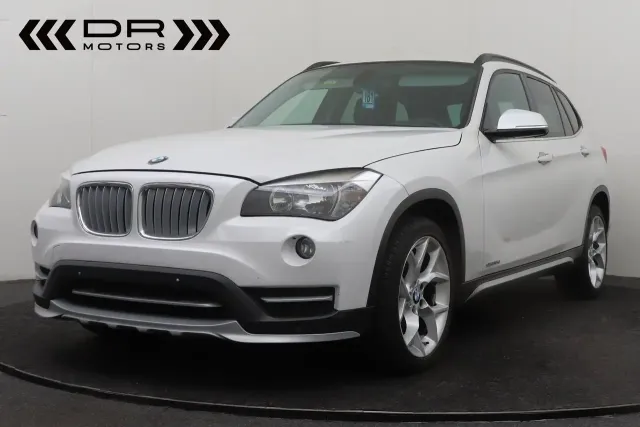
BMW X1
89 for sale · from € 6.990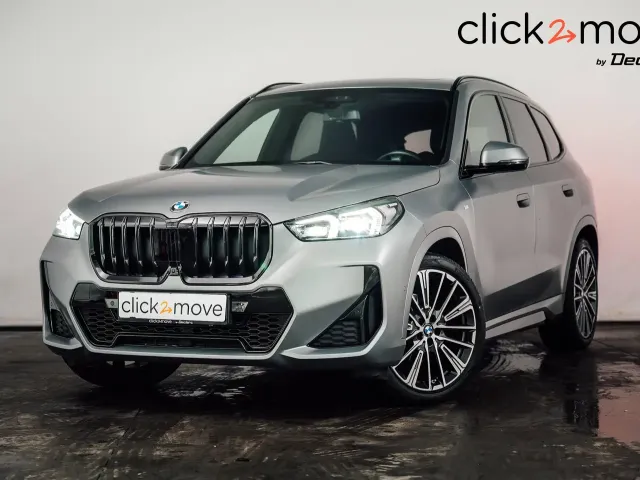

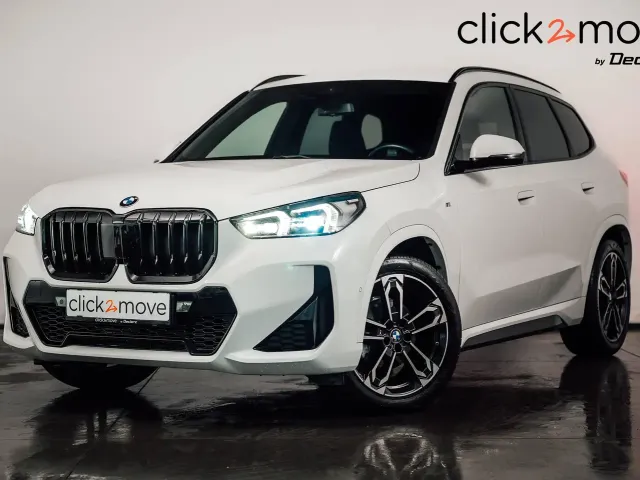
Volkswagen T-Roc
73 for sale · from € 11.290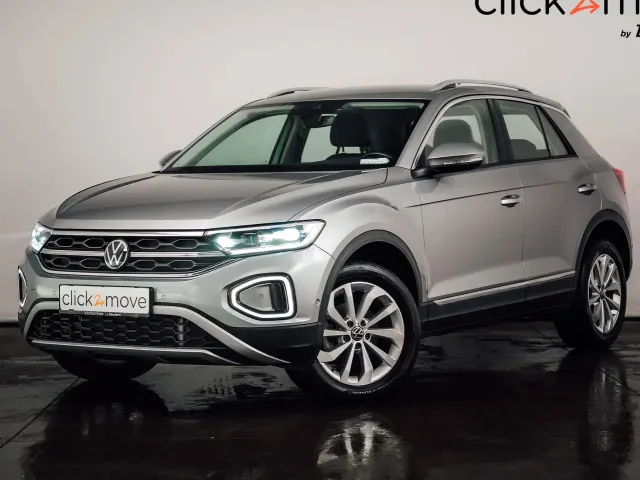
Volkswagen T-Roc 1.5 TSI · Camera · CarPlay · LED
 click2move by Declerc
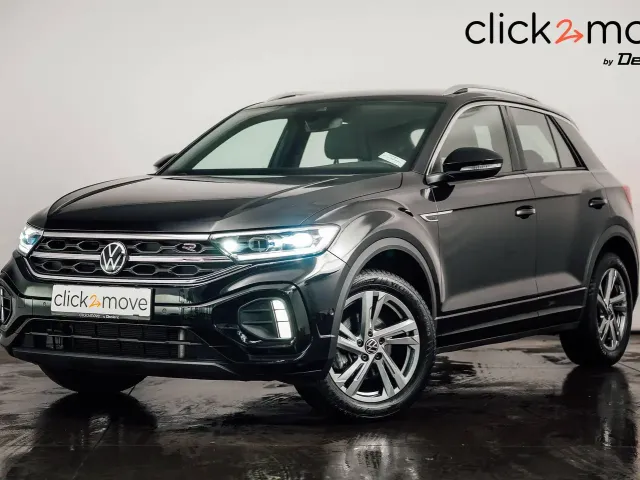
Volkswagen T-Roc 1.5 TSI · R-Line · CarPlay · LED · Leather
click2move by Declerc
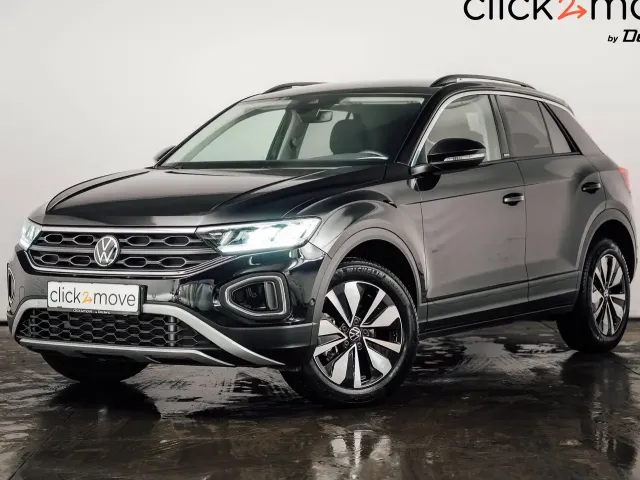
Volkswagen T-Roc 1.5 TSI · Camera · CarPlay · LED
click2move by Declerc
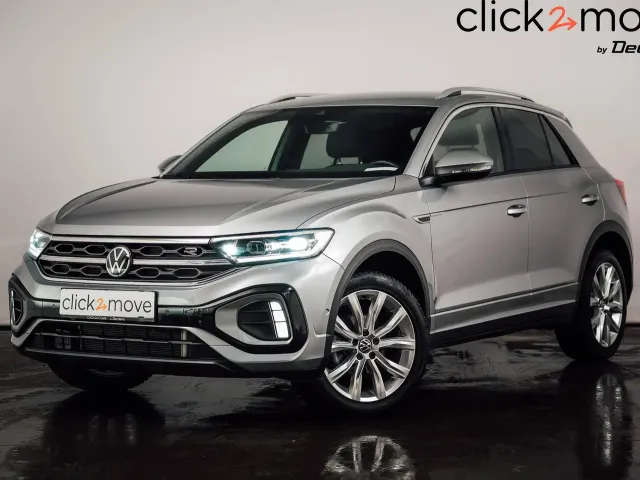
Volkswagen T-Roc 1.5 TSI · R-Line · Camera · CarPlay · LED
click2move by Declerc