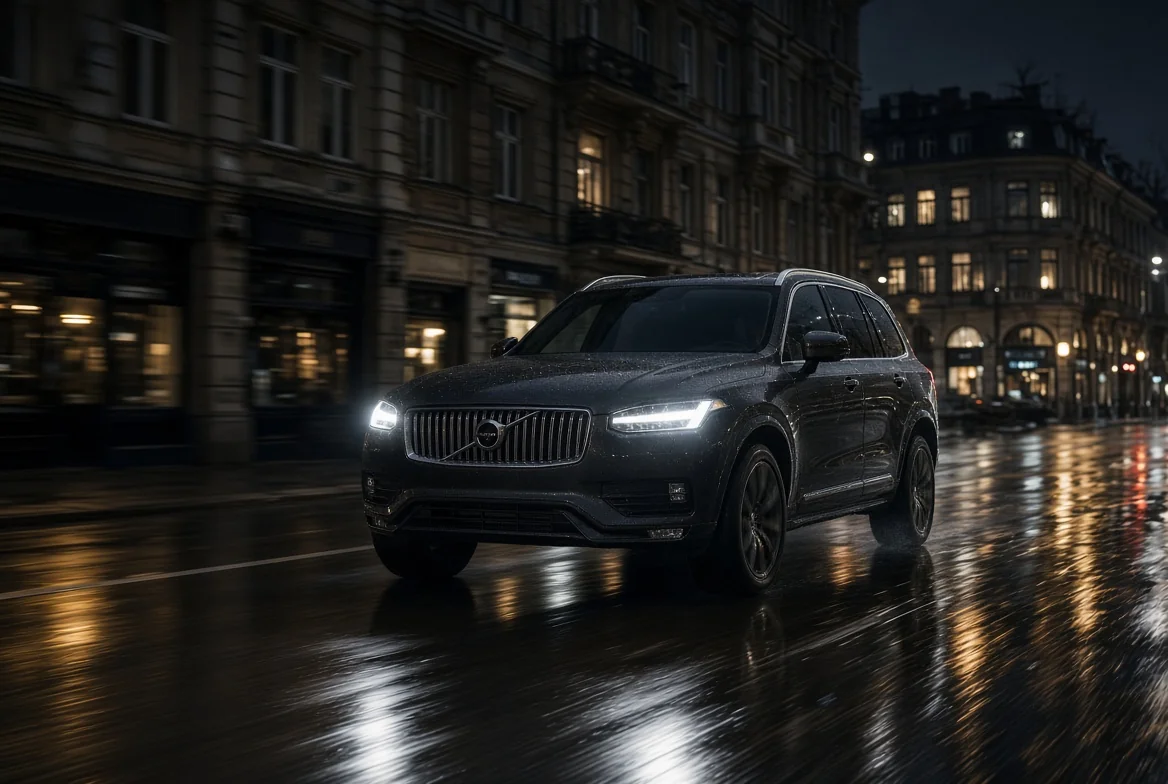

Volvo XC90 II (MK2) — complete buyer's guide
The complete reference for the second-generation Volvo XC90 (MK2, 2015–present): the SPA platform, dimensions, every petrol, diesel and plug-in hybrid powertrain, the 2019 and 2024–2025 facelifts, known issues and a used-buyer checklist.
Production and platform
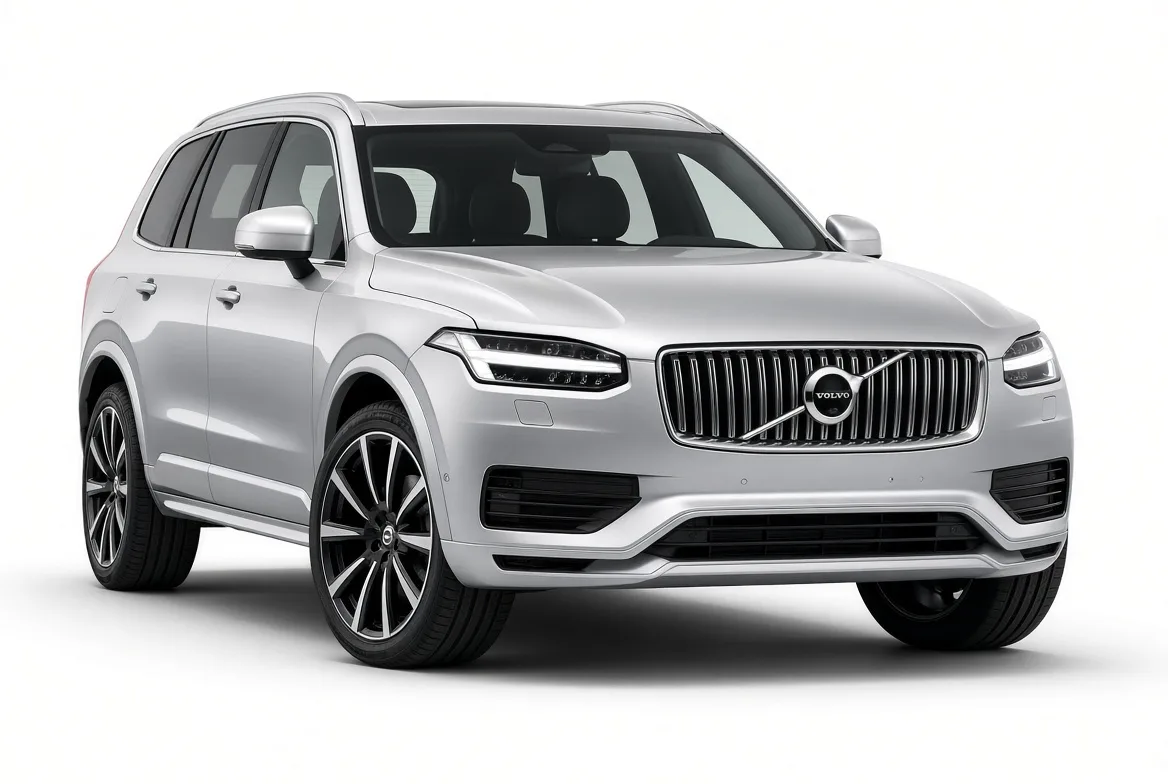
Second-generation Volvo XC90, launched in 2015. Large seven-seat SUV built on the Scalable Product Architecture (SPA) platform. Available with front-wheel drive or all-wheel drive. A facelift in 2019 updated the exterior and interior; a further update in 2024–2025 revised the grille, lights, suspension tuning and infotainment (larger Google-based screen). Production continues, with diesel versions ending around 2024. Distinguished by its Scandinavian design, high safety ratings and a broad powertrain range of mild hybrids and plug-in hybrids.
Dimensions and practicality
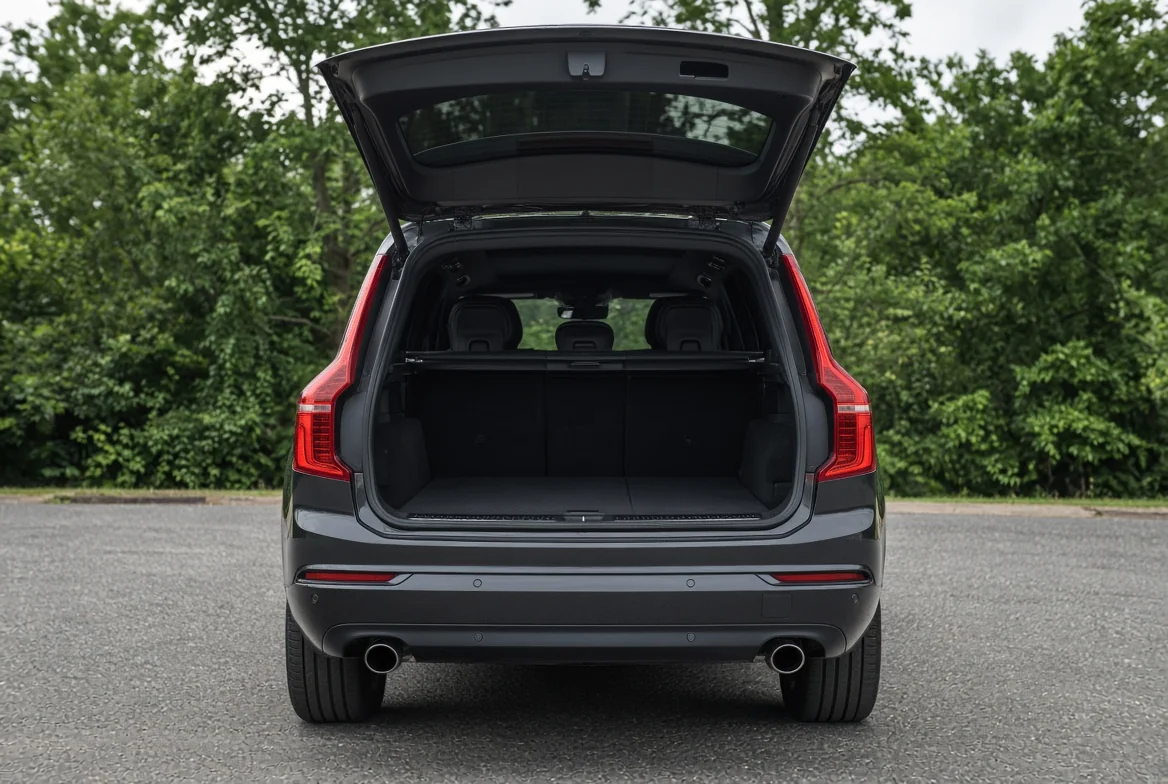
Length approximately 4,950–4,953 mm; width around 1,923–1,931 mm (excluding mirrors); height around 1,771–1,776 mm; wheelbase 2,984 mm. Boot volume approximately 247–316 litres with all seven seats in place, rising to about 650–720 litres with the third row folded and up to roughly 1,856–2,005 litres with the second row folded. Fuel tank 60–71 litres on combustion models. Ground clearance around 223 mm. Third-row space suits children or short adult trips; second-row space is generous. The cabin offers practical storage and a high, commanding seating position. Suited as a five- or seven-seat large family SUV for mixed use. Towing capacity up to 2,400–2,700 kg (braked) depending on powertrain.
Driving experience
Composed and secure for a large SUV, with light, accurate steering that suits motorway and urban driving. The ride is comfortable on standard wheels, especially with optional air suspension, and firmer on larger alloys; body roll is present yet managed. Mild-hybrid petrols deliver usable performance with strong low-end torque; the T8 plug-in hybrid is notably quicker. It prioritises comfort and safety over sharp dynamics, with good visibility.
Engines
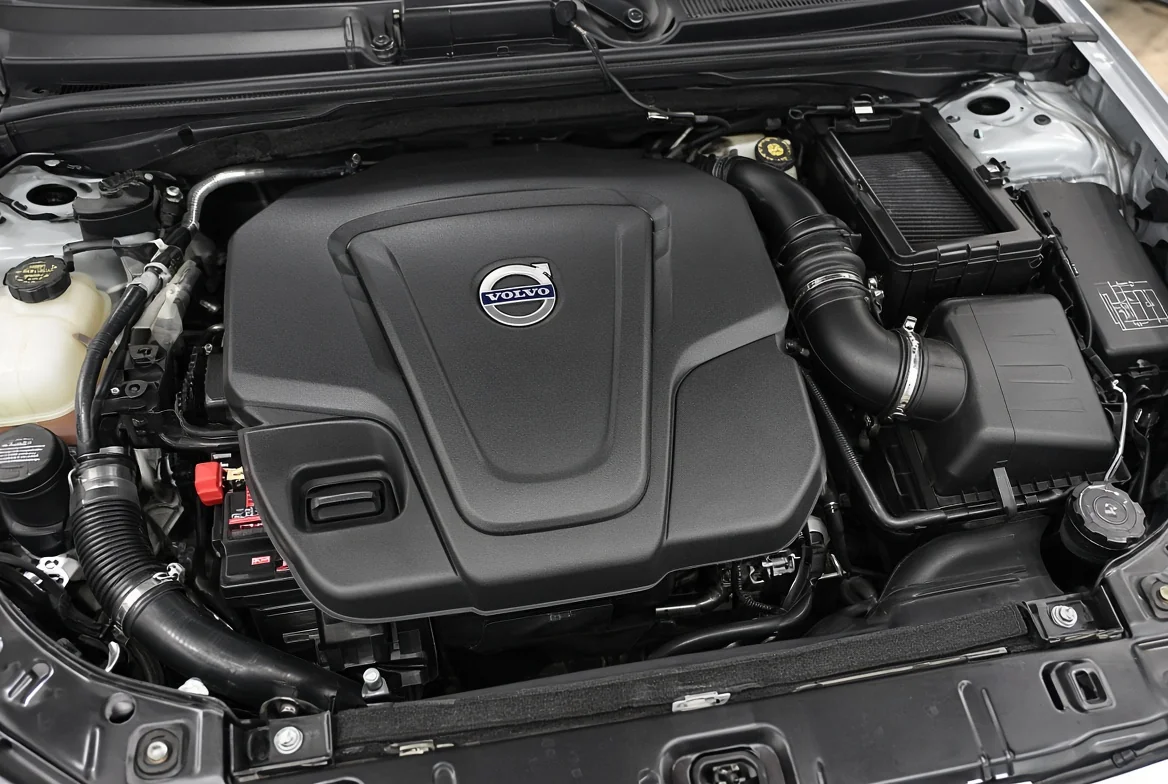
Petrol / mild hybrid
| Engine | Power | Torque | 0–100 km/h | |
|---|---|---|---|---|
| B5 / T5 AWD · 8AT | 2.0 L · 4-cyl turbo / mild-hybrid | 249–250 hp183–184 kW | 350–360 Nm | 7.7 s |
| B6 / T6 AWD · 8AT | 2.0 L · 4-cyl turbo / mild-hybrid | 300–320 hp220–235 kW | 400–420 Nm | 6.5–6.7 s |
Diesel (earlier years)
| Engine | Power | Torque | 0–100 km/h | |
|---|---|---|---|---|
| D5 AWD · 8AT | 2.0 L · 4-cyl diesel | 225–235 hp166–173 kW | 470–480 Nm | 7.0–7.5 s |
Plug-in hybrid (T8 Recharge)
| Engine | Power | Torque | 0–100 km/h | |
|---|---|---|---|---|
| T8 Recharge AWD · 8AT · EV 40–80 km WLTP | 2.0 L · 4-cyl + electric motor | 400–455 hp combined294–335 kW | — | 5.2–5.6 s |
Transmissions and drive
The XC90 II uses an 8-speed Geartronic automatic on all engines. Front-wheel drive appeared only on some early T5 models; almost all examples are all-wheel drive, and the B5/T5, B6/T6, D5 and T8 Recharge are standard AWD. The T8 Recharge pairs a combustion engine with a rear-axle electric motor (ERAD); later versions have a larger battery and more electric range.
Common issues
- Infotainment system (Sensus or Google-based): freezes, slow response or connectivity issues on some examples; software updates often resolve them.
- 12V auxiliary battery: premature failure or drain reported, especially on higher-mileage or infrequently used cars.
- Suspension bushes, air-suspension components and control arms wear at higher mileage (clunks over bumps); air-suspension repairs can be expensive.
- Diesel models: DPF clogging and EGR issues with short-trip use.
- Plug-in hybrid (T8): Electric Rear Axle Drive (ERAD) bearing or seal issues on some earlier examples; high-voltage battery cooling and charger issues on some builds; specific battery-module recalls on certain 2019–2022 builds (check by VIN).
- Sunroof drains: clogging leading to water ingress on some examples.
- Oil cooler issues on some 2.0-litre engines leading to oil/coolant contamination.
What a buyer should check
- Full service history, including regular oil changes on combustion models and any software updates.
- Cold-start engine behaviour and any power loss or warning lights.
- Transmission behaviour from cold and under load.
- Infotainment system responsiveness and any freezes.
- 12V battery condition and age.
- Suspension noises, air-suspension function (if fitted) and tyre wear.
- Charging function and electric range on hybrid examples.
- Confirmation that any software or technical campaigns have been completed (check by VIN).
Running costs
Indicative costs for normal Belgian/EU use (approximate 2026 figures). Actual figures vary by region, driving style and service location.
Fuel consumption
Petrol and mild-hybrid models typically return 6.5–9.0 L/100 km. Plug-in hybrids have low energy costs when charged at home, typically 19–22 kWh/100 km in electric use.
Maintenance
Moderate to higher for the premium segment. Independent specialists keep bills reasonable. Budget for the 12V battery, air suspension, suspension wear and infotainment software on higher-mileage cars.
Road tax / registration (Belgium)
Belgian road tax varies by region, power and CO₂ or electric status. Post-2021 mild-hybrid examples are cleaner in emissions terms; earlier diesels may face restrictions in low-emission zones.
Insurance
Generally moderate to higher; higher-powered versions cost more.
Market position
The XC90 is a popular large premium SUV on the Belgian used market, where mild-hybrid and plug-in hybrid examples dominate later listings. It competes with the BMW X5, Audi Q7 and Mercedes GLE of the same era. Clean, low-mileage cars with full history and up-to-date software remain easy to sell, while higher-mileage early examples or those with unresolved software or hybrid issues carry more risk. Its strong safety reputation and practical cabin help residuals relative to more style-focused rivals.
Summary
This generation is a practical large premium SUV with strong safety credentials. The mild-hybrid B5 petrols are generally reliable when maintained correctly; the main risks are infotainment glitches, 12V battery drain, air-suspension wear and ERAD issues on earlier T8 hybrids. Full service history and recent software updates are essential. Ownership costs stay moderate to higher for the premium segment.
Belgian taxes & LEZ
Used Volvo XC90 for sale
View all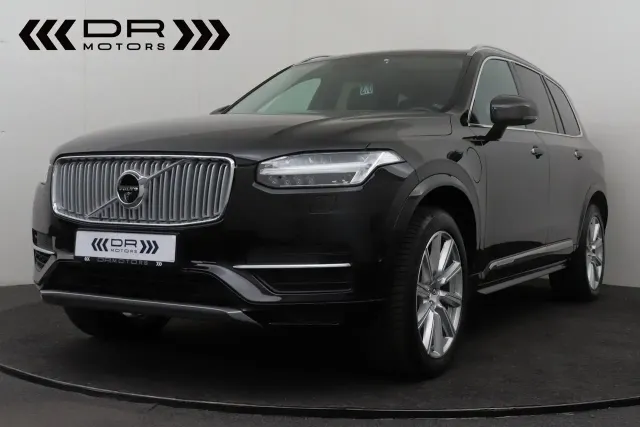
Volvo XC90 Inscription · Panoramic roof · 360° camera · CarPlay
 DR Motors

Volvo XC90 Inscription · Panoramic roof · Camera · LED
 K.D.W Motors
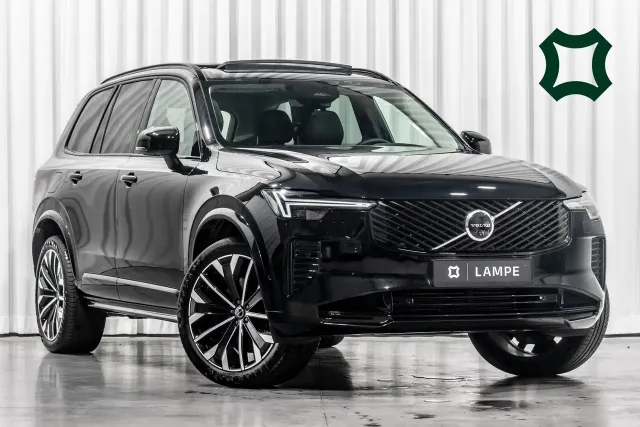
Volvo XC90 plug-in hybrid · Panoramic roof · 360° camera · CarPlay
 Lampe Interesting Cars
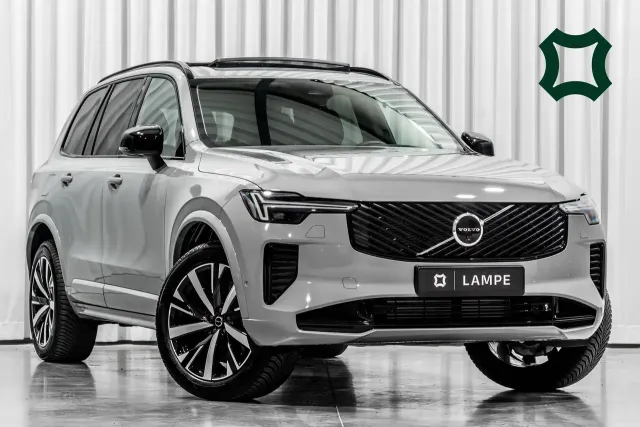
Volvo XC90 plug-in hybrid · Panoramic roof · 360° camera · CarPlay
Lampe Interesting Cars