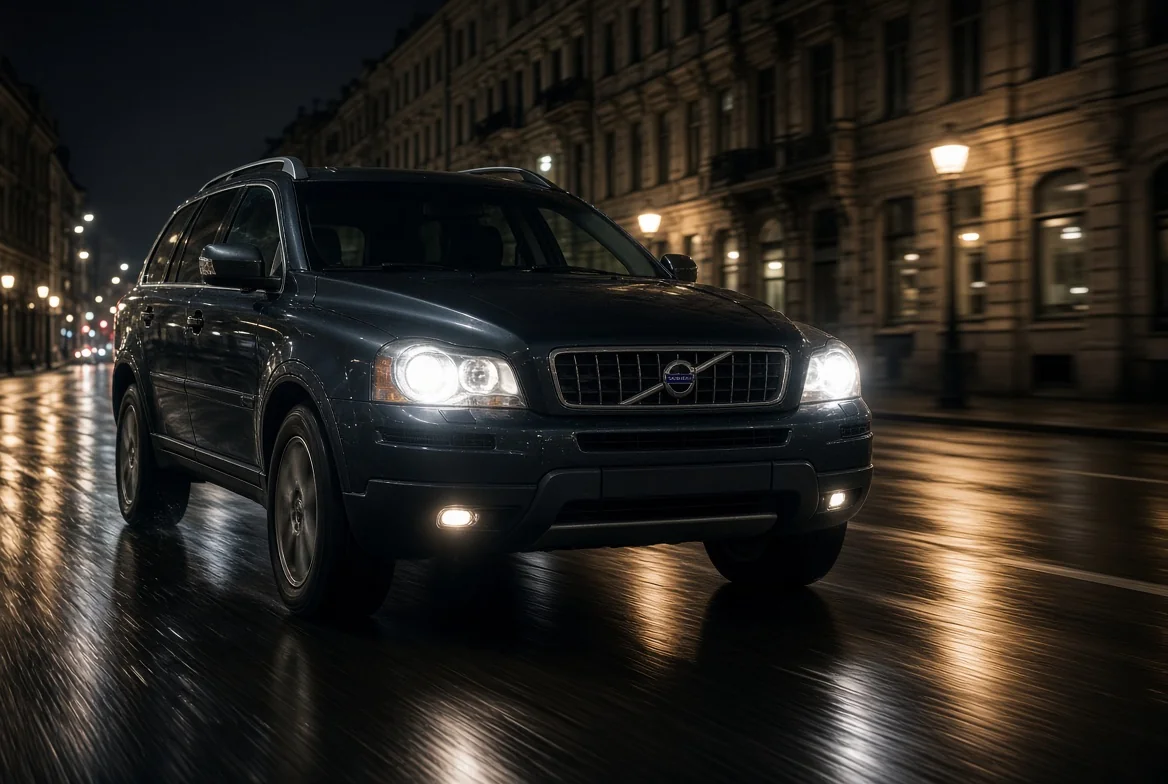

Volvo XC90 I (MK1) — complete buyer's guide
The complete reference for the first-generation Volvo XC90 (MK1, 2002–2014): the P2 platform, dimensions, every petrol and diesel engine, the 2006 and 2012 facelifts, known issues and a used-buyer checklist.
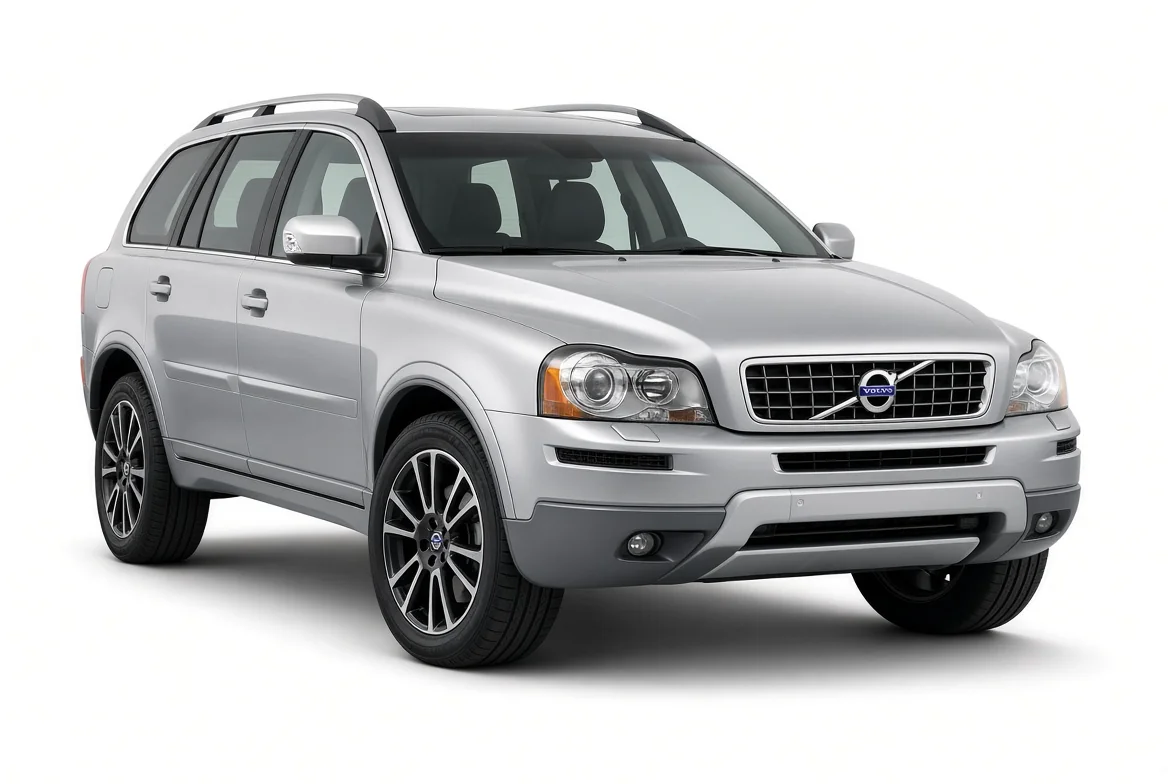
Production and platform
First-generation Volvo XC90, launched in 2002. Large seven-seat SUV built on the P2 platform, shared with the S80 and V70. Available with five or seven seats. Front-wheel drive or optional all-wheel drive on higher-output models. A facelift in 2006 updated the exterior, revised interior materials and introduced the 3.2-litre petrol and 4.4-litre V8. A second update in 2012 refreshed the exterior and cabin. Production ended in 2014 when it was replaced by the second generation. Distinguished by its boxy Scandinavian design, high safety ratings and genuine seven-seat practicality for its era.
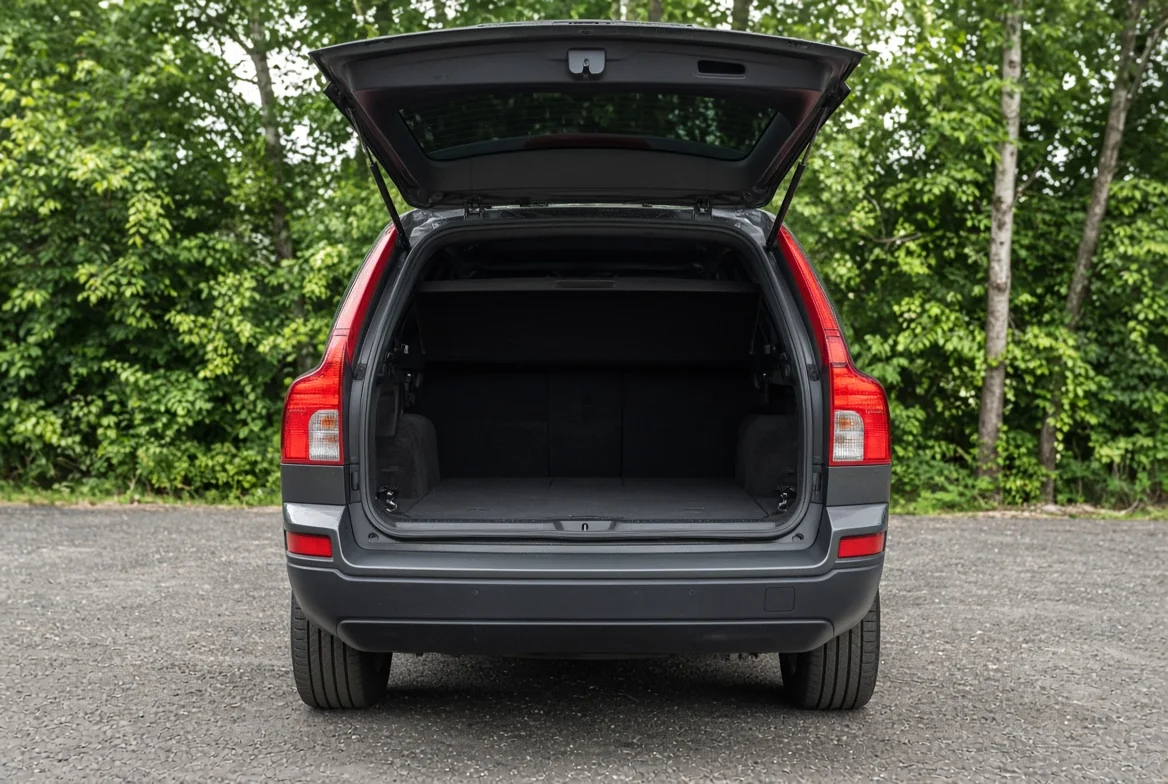
Dimensions and practicality
Length approximately 4,807–4,821 mm; width around 1,898–1,935 mm (excluding mirrors); height around 1,784 mm; wheelbase 2,857 mm. Boot volume approximately 249 litres with all seven seats in place, 613–615 litres with the third row folded and up to roughly 1,837 litres with the second and third rows folded. Fuel tank 80 litres. Ground clearance around 218–231 mm. Third-row space is best suited to children or shorter adults on shorter journeys. The cabin offers practical storage and a low load lip. Suited as a five- or seven-seat large SUV for family use. Towing capacity up to 2,250 kg (braked) depending on powertrain.
Driving experience
Composed and secure for a large SUV of its era, with light steering that suits motorway and urban driving. The ride is comfortable on standard wheels, and body roll is present but managed for the size. Diesels deliver strong low-end torque for motorway use. It prioritises comfort and safety over sharp dynamics, with good visibility.
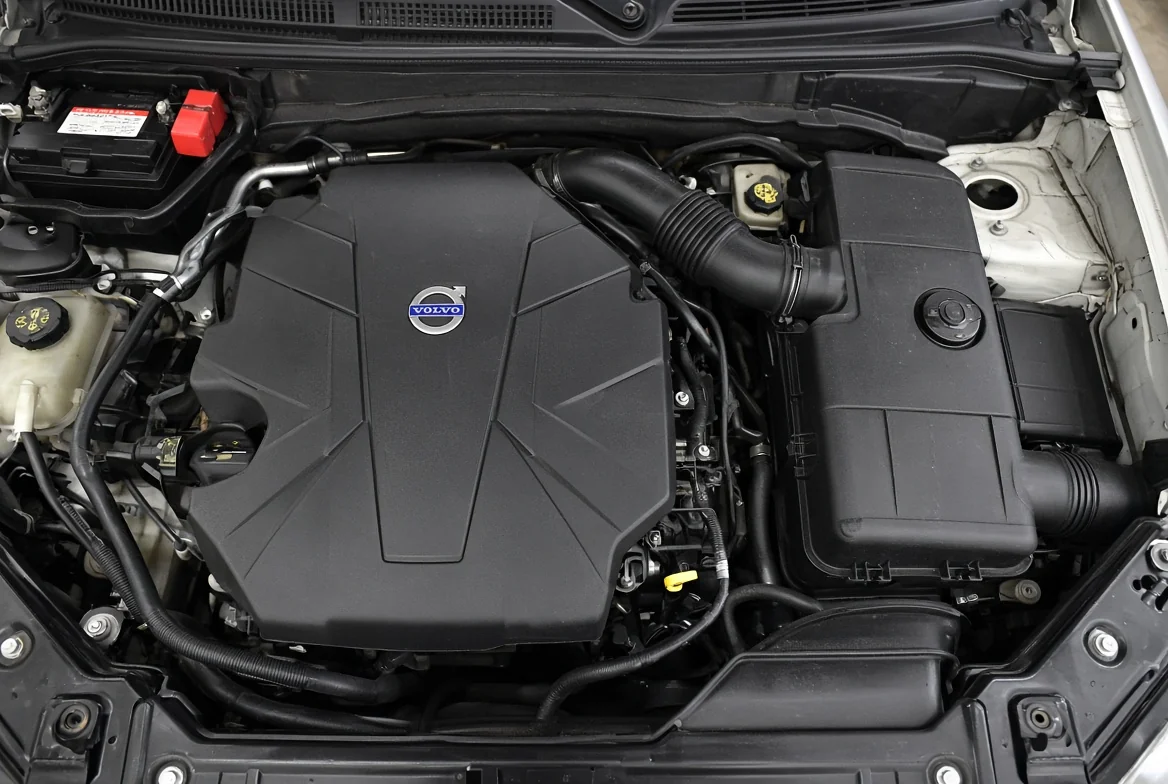
Engines
Petrol
| Engine | Power | Torque | 0–100 km/h | |
|---|---|---|---|---|
| 2.5T FWD/AWD · 5AT/6AT | 2.5 L · 5-cyl turbo | 210 hp154 kW | 320 Nm | 9.5 s |
| T6 2.9 AWD · 4AT/6AT | 2.9 L · 6-cyl twin-turbo | 272 hp200 kW | 380 Nm | 9.0–9.5 s |
| 3.2 FWD/AWD · 6AT | 3.2 L · 6-cyl | 238–243 hp175–179 kW | 320 Nm | 9.0–9.5 s |
| V8 4.4 AWD · 6AT | 4.4 L · V8 | 311–315 hp229–232 kW | 440 Nm | 7.0–7.5 s |
Diesel
| Engine | Power | Torque | 0–100 km/h | |
|---|---|---|---|---|
| D5 2.4 FWD/AWD · 6MT/6AT | 2.4 L · 5-cyl diesel | 163–200 hp120–147 kW | 340–420 Nm | 9.5–12.5 s |
Transmissions and drive
The XC90 I uses a 5- or 6-speed Geartronic automatic or a 6-speed manual on the D5; the early T6 (2003–2006) had a GM 4-speed automatic. Front-wheel drive is standard; all-wheel drive is delivered through an angle gear and Haldex coupling and is standard on the T6, V8 and most D5 examples.
Common issues
- D5 2.4 diesel: generally robust with timing belt. Turbocharger and EGR issues on neglected cars; DPF clogging with short-trip use; swirl-flap failures on some early examples.
- T6 2.9 petrol: the early GM 4-speed automatic (2003–2006) is prone to valve-body and clutch wear if fluid is not changed.
- V8 4.4 petrol: balance-shaft bearing issues on early examples (pre-2006); oil leaks and alternator problems at higher mileage.
- All-wheel-drive system: angle-gear and transfer-case spline wear if fluid changes are neglected (common on all AWD examples).
- Automatic gearbox: valve-body wear on some Aisin units if fluid is not changed.
- Suspension bushes, air-suspension components (where fitted) and control arms wear at higher mileage (clunks over bumps).
What a buyer should check
- Full service history, including regular oil changes, timing-belt replacement (diesels) and any angle-gear or gearbox fluid services.
- Cold-start engine behaviour and any power loss or warning lights.
- Transmission behaviour from cold and under load (especially early T6 automatics).
- All-wheel-drive system function and any dashboard warnings.
- Suspension noises and tyre wear.
- Confirmation that any software or technical campaigns have been completed (check by VIN).
Running costs
Indicative costs for normal Belgian/EU use (approximate 2026 figures). Actual figures vary by region, driving style and service location.
Fuel consumption
Typically 8.0–14.0 L/100 km depending on engine and driving style. Diesels are the most economical for higher-mileage use.
Maintenance
Moderate for the class; independent specialists keep bills reasonable. Budget for timing-belt replacement on diesels and angle-gear or gearbox fluid services.
Road tax / registration (Belgium)
Belgian road tax varies by region, power and CO₂. Earlier diesels may face restrictions in low-emission zones.
Insurance
Generally moderate.
Market position
The first-generation XC90 is a common large seven-seat SUV on the Belgian used market, where the D5 diesel dominates listings. It competes with the BMW X5 and Audi Q7 of the same era. Clean, low-mileage cars with full history remain easy to sell. Higher-mileage examples with neglected AWD or diesel emissions systems carry more risk. Its strong safety reputation and genuine seven-seat layout help residuals relative to more style-focused rivals.
Summary
This generation is a practical large SUV of its era. The D5 diesel manuals and well-serviced later examples are generally reliable when maintained correctly; the main risks are AWD fluid neglect, diesel emissions-system problems with urban use and gearbox issues on early T6 automatics. Full service history is essential. Ownership costs stay moderate for the class.
Belgian taxes & LEZ