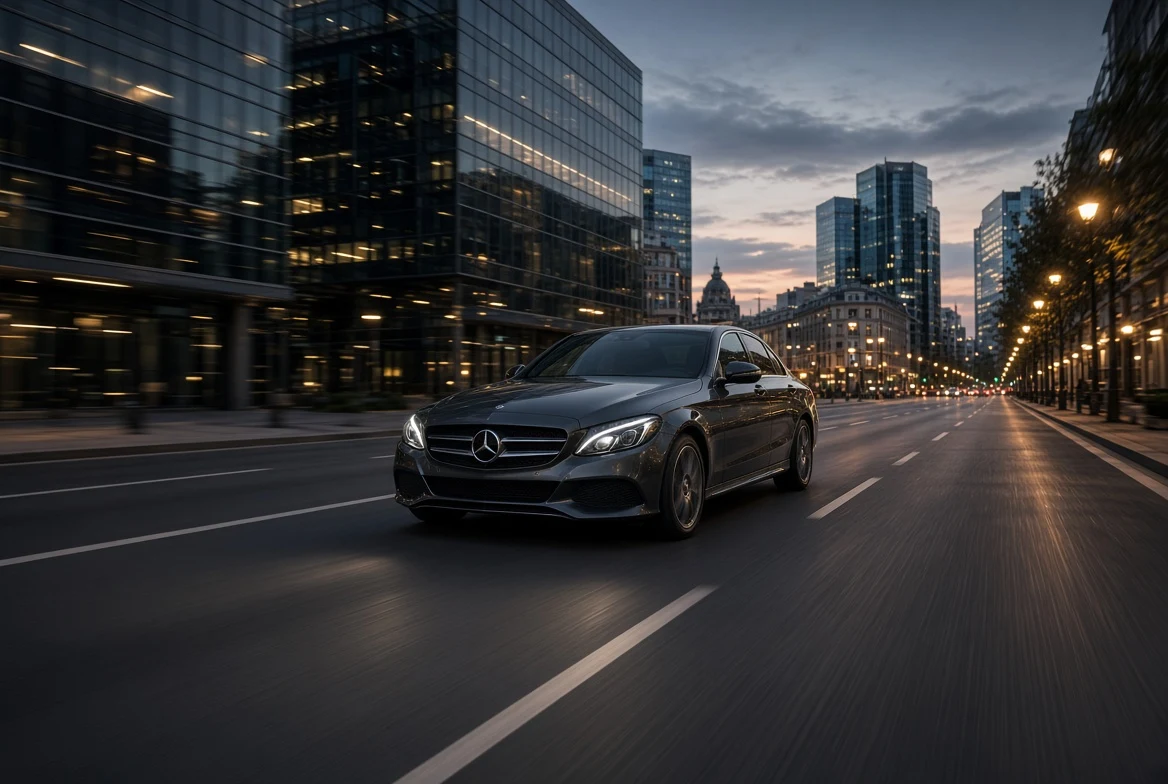

Mercedes-Benz C-Class (W205) — complete buyer's guide
The complete reference for the fourth-generation Mercedes-Benz C-Class (W205, 2014–2021): platform, dimensions, every engine, the 2018 facelift, known issues and a used-buyer checklist.
Production and platform
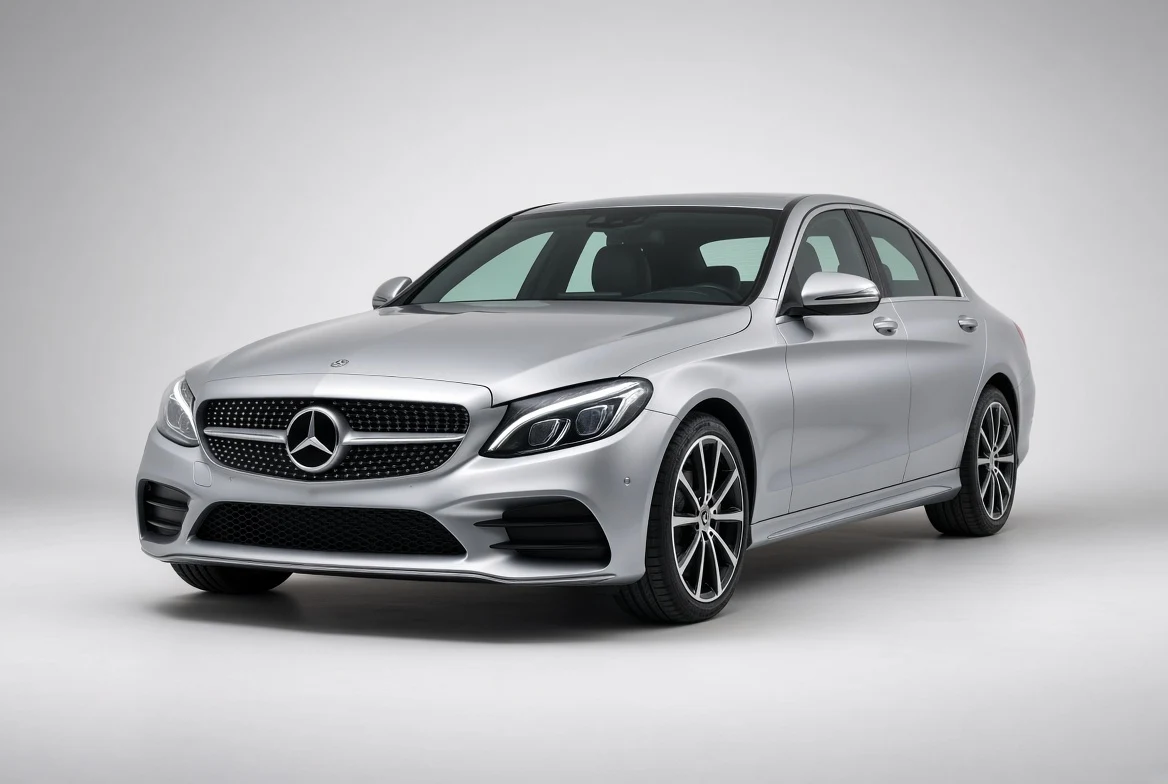
Produced from early 2014 to 2021 (sedan and estate); Coupé and Cabriolet continued slightly longer into 2023 in some markets. Fourth generation of the C-Class. Available as four-door sedan (W205), five-door estate (S205), two-door Coupé (C205), and Cabriolet (A205). Built on the MRA rear-wheel-drive platform. Rear-wheel drive base architecture; 4MATIC all-wheel drive available on higher engines. Facelift introduced in 2018. Related models include the AMG C 43 and C 63. Assembled primarily in Bremen, Germany (additional plants in other markets). Production of the sedan ended in 2021 ahead of the W206 successor.
Dimensions and practicality
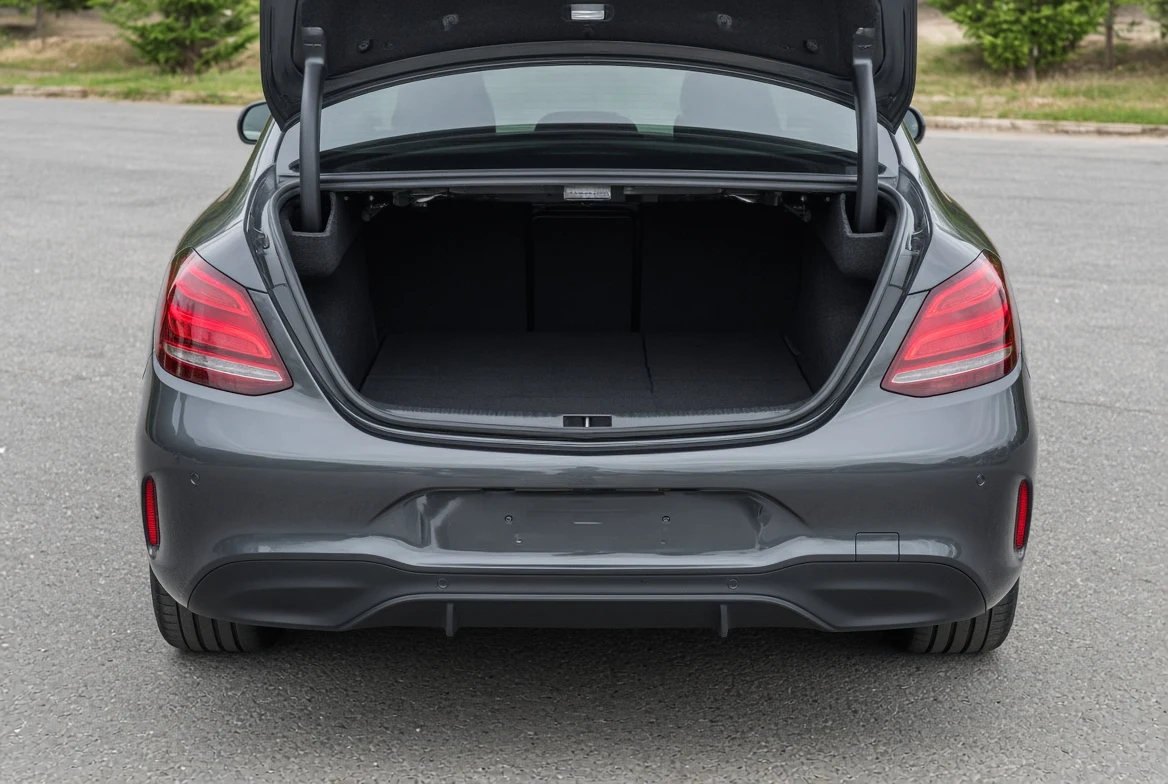
Sedan: Length approximately 4,686 mm. Width around 1,810 mm. Height around 1,442 mm. Wheelbase 2,840 mm. Boot volume approximately 455–480 litres (seats up). Estate: Boot volume approximately 460 litres (seats up); maximum volume with seats folded typically 1,480–1,510 litres. Coupé: Boot volume approximately 400 litres. Ground clearance typically around 120 mm. Fuel tank capacity typically 50–66 litres depending on engine. Compared with the previous generation (W204): larger overall with improved interior space and a bigger boot on the sedan. Rear space is adequate for adults on shorter journeys. Practicality is competitive for the compact executive class. Plug-in hybrid versions have reduced boot volume due to battery packaging.
Engines
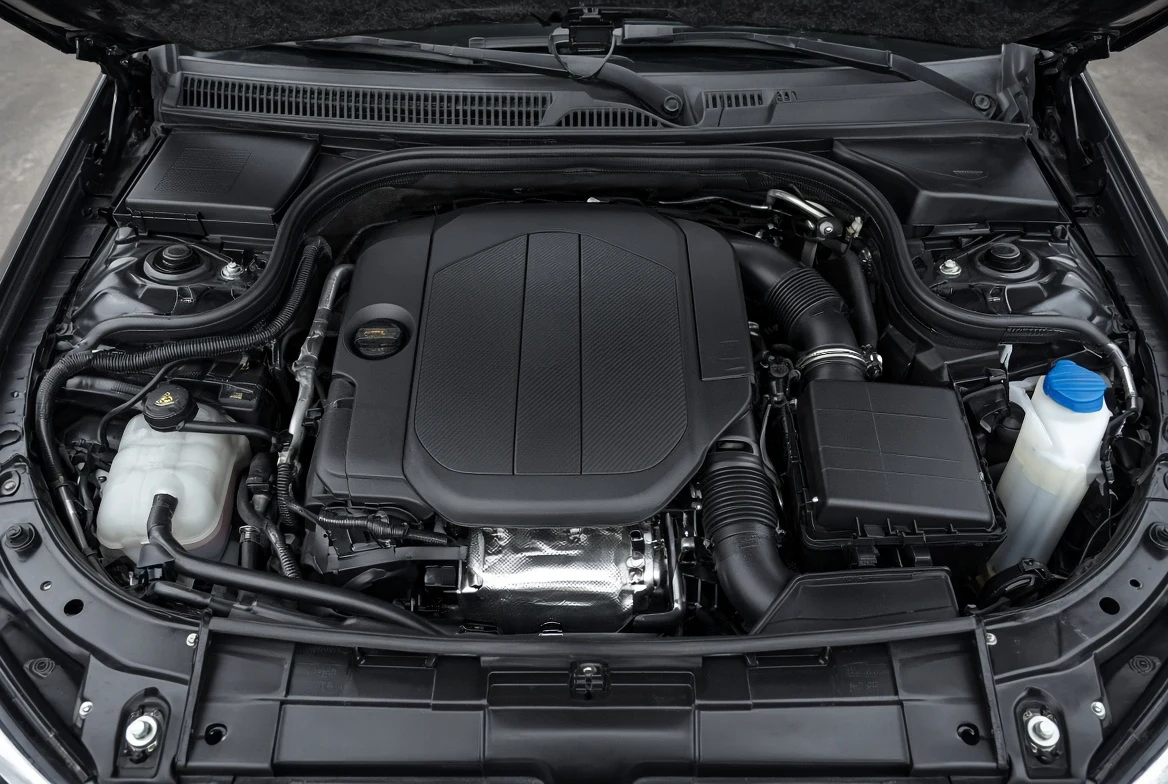
Petrol (M274 / M264)
| Engine | Power | Torque | 0–100 km/h | |
|---|---|---|---|---|
| C 160 / C 180 | 1.6 L · 4-cyl (M274) | 129–156 hp95–115 kW | 210–250 Nm | — |
| C 200 EQ Boost (48V mild hybrid) | 2.0 L (M274) / 1.5 L (M264) | 184 hp135 kW | 280–300 Nm | — |
| C 300 | 2.0 L · 4-cyl (M274 / M264) | 211–245 hp155–180 kW | 350–370 Nm | — |
| C 400 / C 450 | 3.0 L · V6 (M276) | 333–367 hp245–270 kW | — | — |
Diesel (OM651 / OM654)
| Engine | Power | Torque | 0–100 km/h | |
|---|---|---|---|---|
| C 180 d / C 200 d | 1.6 L · 4-cyl (OM626 / OM654) | 116–150 hp85–110 kW | — | — |
| C 220 d | 2.1 L (OM651) / 2.0 L (OM654) | 170–194 hp125–143 kW | 400 Nm | — |
| C 300 d | 2.0 L · 4-cyl (OM654) | 245 hp180 kW | — | — |
Plug-in hybrid (e)
| Engine | Power | Torque | 0–100 km/h | |
|---|---|---|---|---|
| C 300 e / C 300 de | 2.0 L · 4-cyl + e-motor | 313–381 hp230–280 kW | — | — |
Transmissions
6-speed manual on some base versions; 7G-TRONIC or 9G-TRONIC automatic on most models. All engines longitudinal.
Facelift (2018)
Introduced in 2018 for the 2019 model year. Main changes:
- Revised front bumper and grille (diamond grille standard on AMG Line).
- New LED headlights (Multibeam LED optional with Ultra Range high beam).
- Updated rear lights with C-shaped light guides on the sedan.
- Interior: Optional 12.3-inch digital instrument cluster, larger 10.25-inch COMAND screen, and touch-sensitive steering wheel controls.
- New engines: M264 petrol with 48-volt mild hybrid (EQ Boost) on the C 200; OM654 diesel replacing the OM651.
- Expanded driver-assistance systems (Active Brake Assist, Distronic with map-based speed adaptation).
- New equipment packages and interior materials.
Differences from the previous generation (W204)
Larger overall size and longer wheelbase with improved interior space and a bigger boot. Engines switched to the modular M274 / M264 petrol and OM651 / OM654 diesel families. Technology level advanced significantly (COMAND, optional digital instruments, expanded driver aids). Body rigidity improved with more aluminium and high-strength steel. Overall refinement and equipment level higher. Air suspension (AIRMATIC) available as an option.
Known issues and weak points
Petrol (M274 / M264)
- Cooling system components (thermostat and water pump) can develop leaks or stick at higher mileages.
- PCV valve and crankcase ventilation issues reported on some higher-mileage cars; can trigger check-engine lights.
- Timing chain tensioner wear possible on neglected examples; cold-start rattle is the typical warning sign. Less common than on earlier generations when oil changes are regular.
- Some early M274 engines (pre-2015/2016) had piston wrist pin issues; later production is generally better.
- Coil pack failures possible on higher-mileage cars.
Diesel (OM651 / OM654)
- AdBlue system faults (tank heater, pump, injectors, NOx sensors) are common on higher-mileage cars. Can trigger countdown warnings that prevent restart if ignored.
- DPF clogging more common on short-trip use. Regular longer runs help regeneration.
- Early OM654 engines had wrist pin and timing chain concerns that were addressed by service campaigns; later production is more robust.
- EGR system issues possible; verify any related service actions by VIN.
Drivetrain and chassis
- 9G-TRONIC automatic can develop harsh shifts if fluid service is neglected. Fluid and filter changes around 60,000–80,000 km are advisable. Early 7G-TRONIC versions are less refined.
- Rear subframe bushings can wear; check for knocks over uneven surfaces.
- Front control arm bushings and drop links can wear on cars driven on poor roads.
- 4MATIC transfer case or coupling issues possible at high mileage on some examples.
Other
- COMAND infotainment freezes and connectivity issues more common on early cars; usually resolved with software updates. Facelift cars with the larger screen are more modern.
- Steering column module failures reported on some early cars; can affect indicators and ESP.
- Air conditioning blend door actuators can fail; one side of the cabin may not cool properly.
- Moisture ingress into keyless-go door handles can cause battery drain.
- Various recalls and service campaigns (airbags, fuel system, emissions); always check full VIN status.
- Cabriolet roof mechanism and tension cables can fail at high mileage; expensive repair.
What a buyer should check
- Full service history, ideally with Mercedes or specialist stamps. Oil and transmission fluid change intervals matter.
- VIN-specific recall and service campaign status (especially AdBlue, early OM654, and piston wrist pin campaigns).
- Coolant level stability and any signs of external leaks.
- Cold-start behaviour and any unusual noises from the engine bay.
- Transmission shifts (smooth engagement, no harshness on 9G-TRONIC).
- Suspension condition on a road test over uneven surfaces (rear subframe bushings and front control arms).
- Infotainment system thoroughly (COMAND menus, digital instruments if fitted, connectivity).
- For diesels: AdBlue system function and DPF regeneration history.
- For 4MATIC cars: all-wheel-drive engagement and any unusual noises.
- Tyre wear pattern and overall condition of suspension components.
- For Cabriolet models: roof mechanism function and water sealing.
- Air conditioning performance on both sides of the cabin.
Belgian/EU market notes
Diesel versions (especially C 220 d) were popular for company-car use due to lower running costs and tax treatment in earlier years. Petrol and plug-in hybrid models became more relevant as company-car tax rules tightened. Euro 6 / Euro 6d compliance is standard from the facelift. Car-Pass documentation is required for Belgian sales. Many examples will have higher annual mileage from company fleets but correspondingly regular maintenance. The sedan is more common than the estate, Coupé, or Cabriolet. AMG versions exist but are separate performance models with higher running costs.
Summary
This generation is generally regarded as more refined and better equipped than the W204 for everyday use, provided the specific known items (AdBlue system on diesels, cooling system and PCV on petrol engines, 9G-TRONIC service, rear subframe bushings, and software/recall status) are verified. The main practical gains over the W204 are improved refinement, better interior space, more modern electronics, and the modular engines. Later and facelift examples (especially post-2018 with the OM654 and M264 engines) are generally more robust than early production cars. Early M274 petrol and OM651 diesel examples require closer inspection of service history.
Used Mercedes-Benz C-Class for sale
View all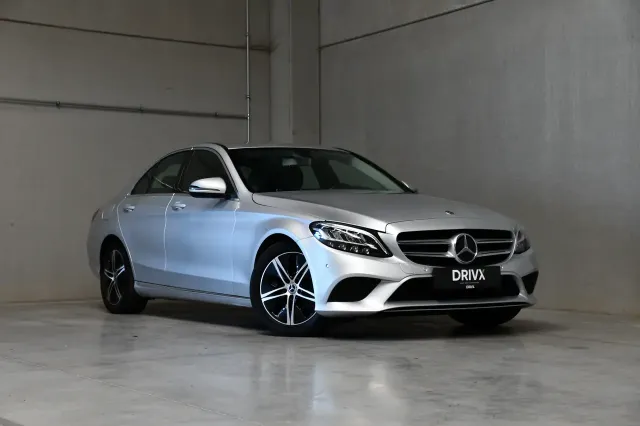 Cars
Mercedes-Benz C 200 Camera · CarPlay · LED
 GDCauto
 Cars
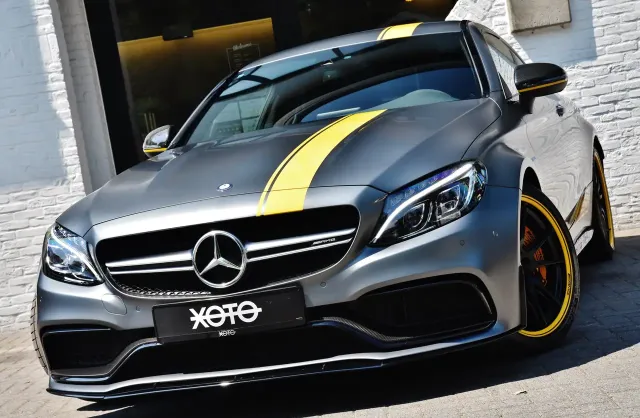
Mercedes-Benz C 63 AMG Camera · LED · Keyless
 XOTO
 Cars
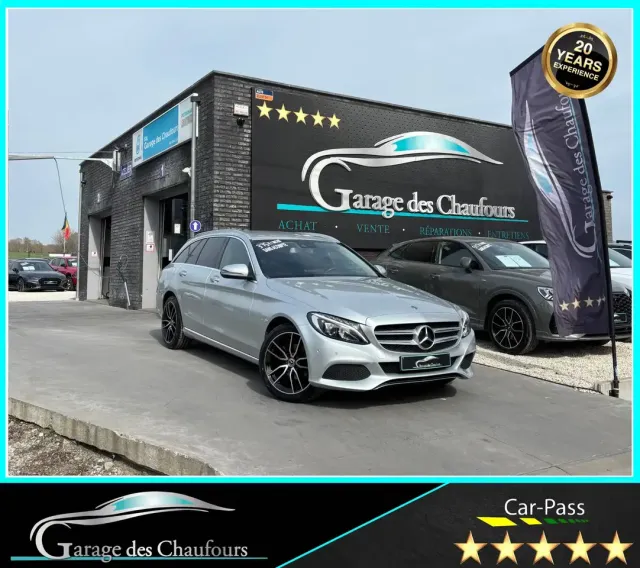
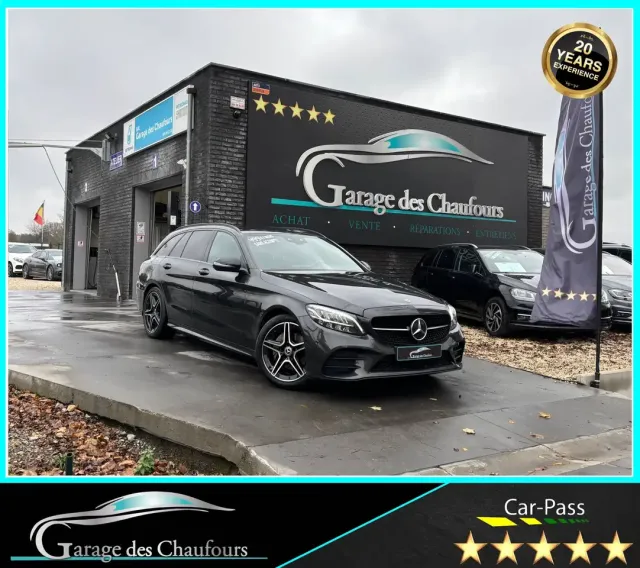
Mercedes-Benz C 180 Panoramic roof · Navigation · LED
 Garage des Chaufours SRL
 Cars
Mercedes-Benz C 180 AMG · Camera · LED · Leather
Garage des Chaufours SRL