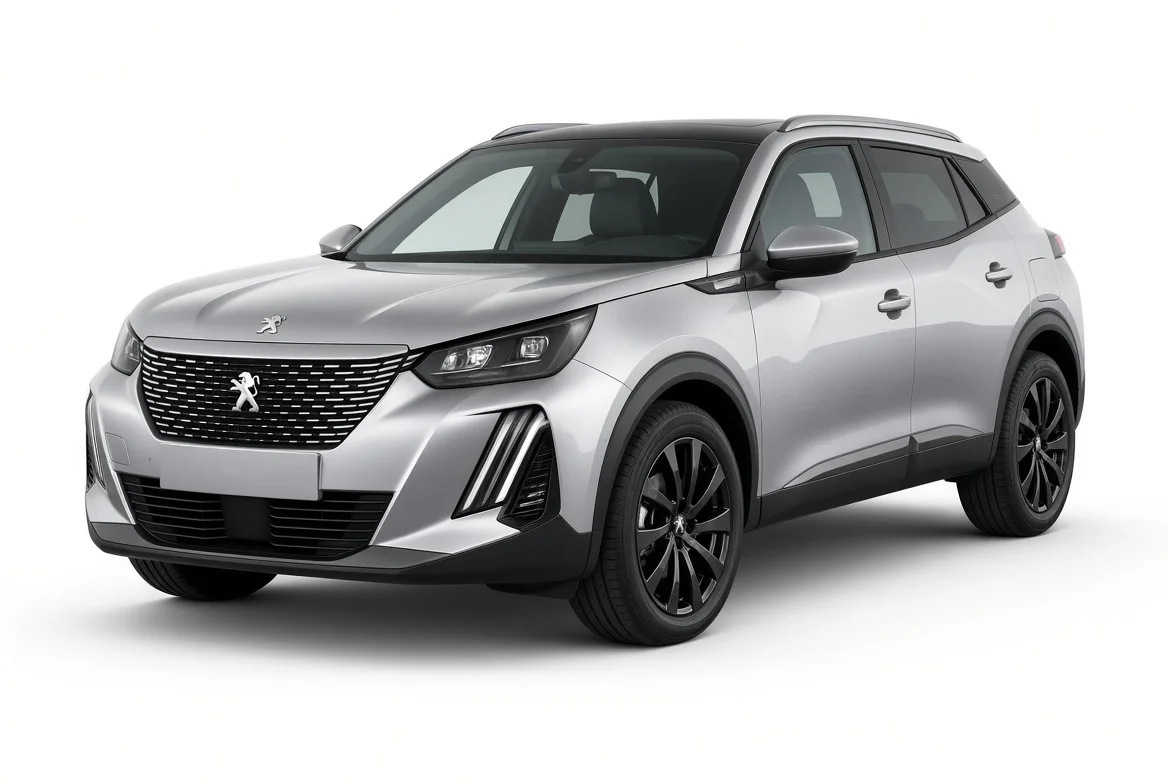
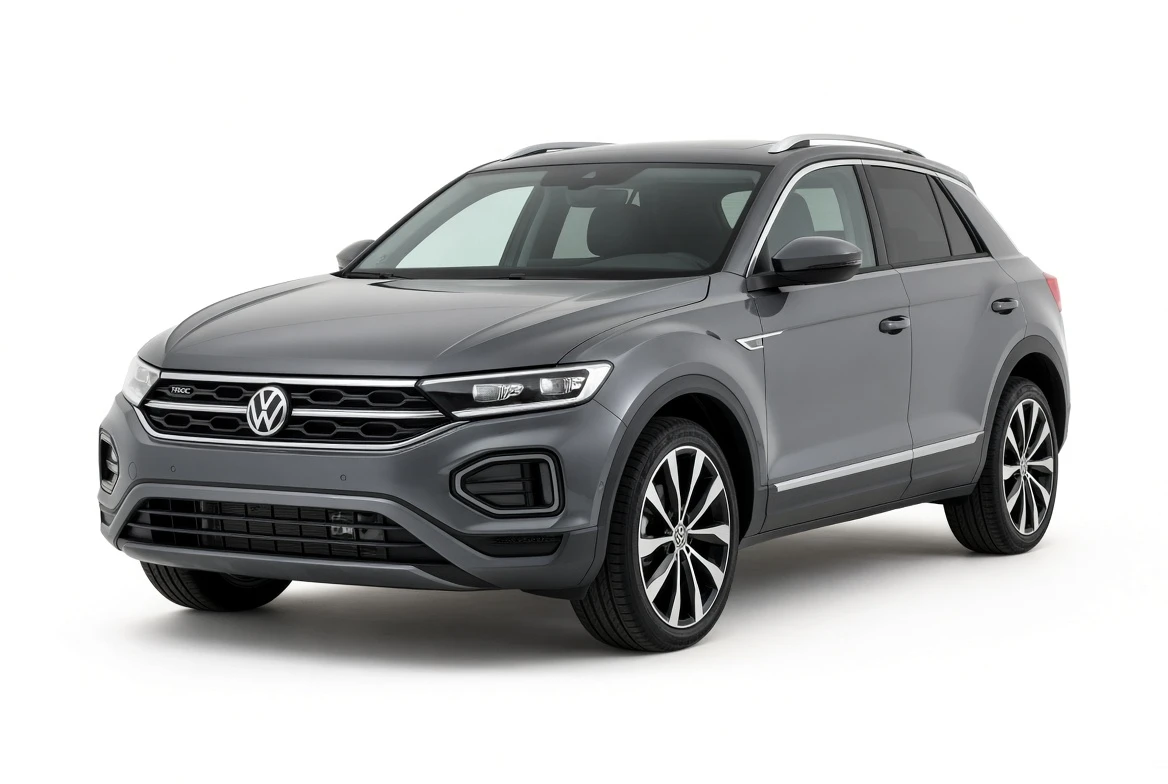
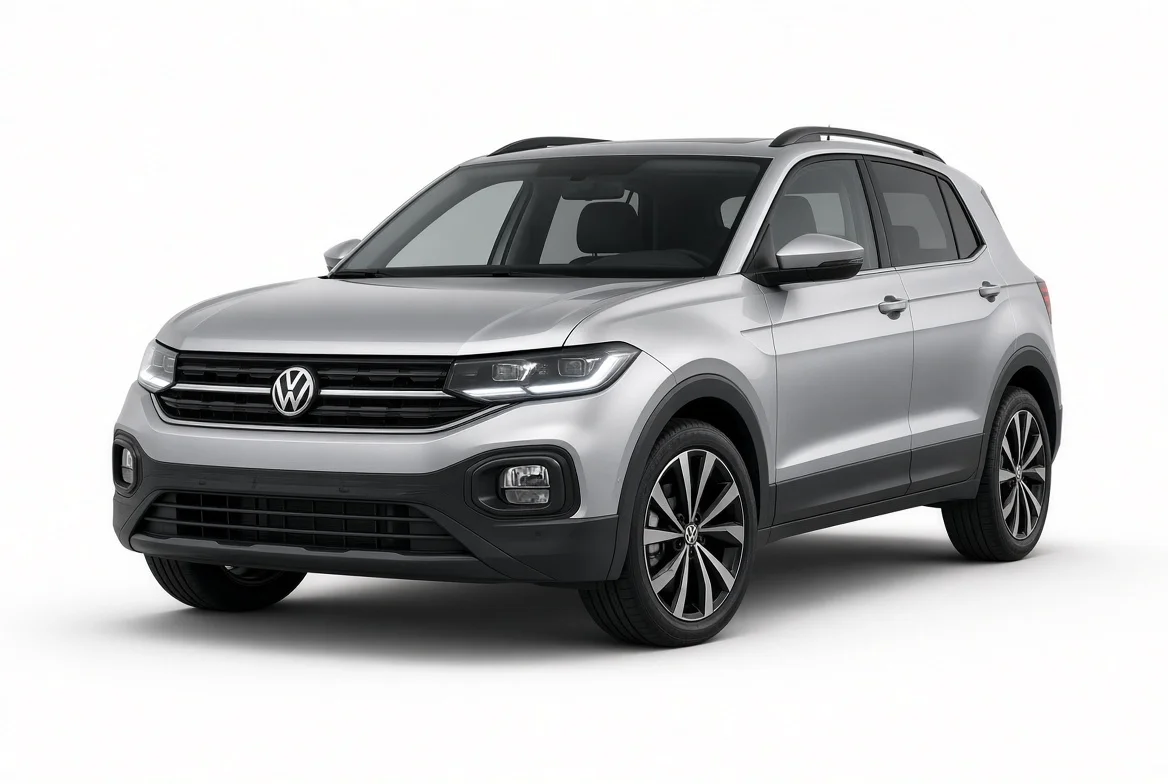
Mercedes-Benz GLC X253 vs Renault Captur MK1
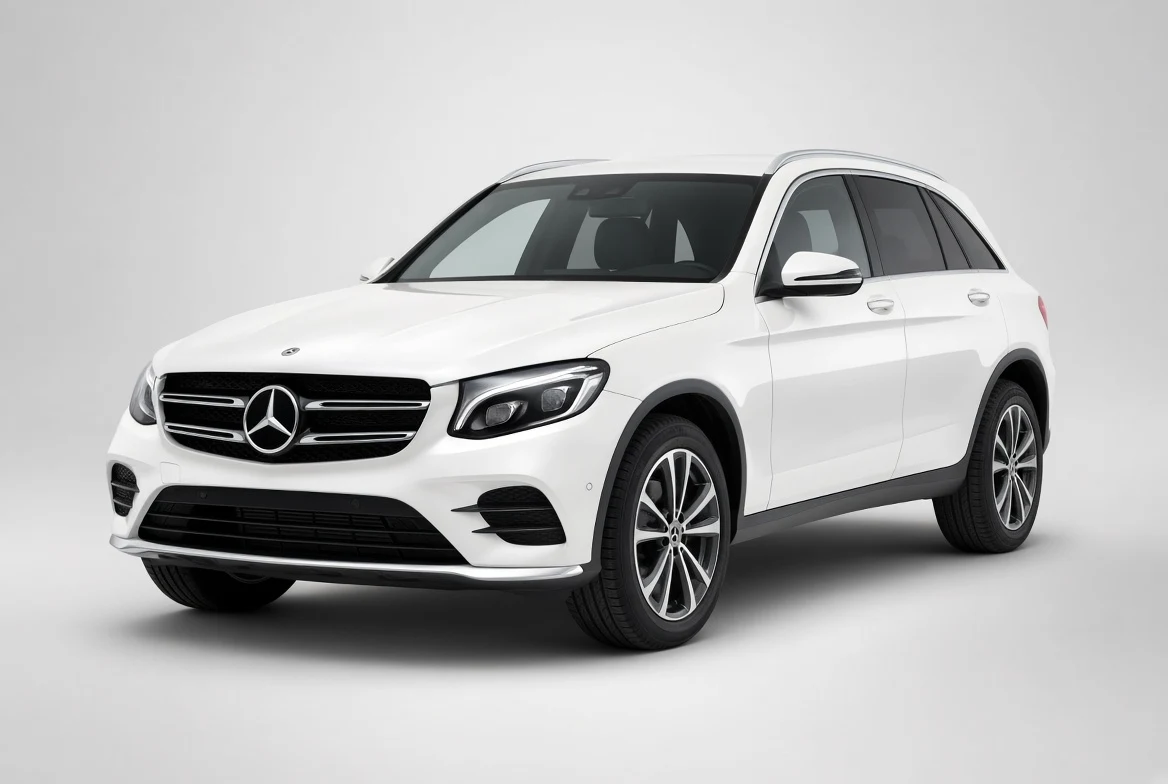
Mercedes-Benz GLC
X253 · 2015 – 2022
The first-generation GLC on the MRA platform.
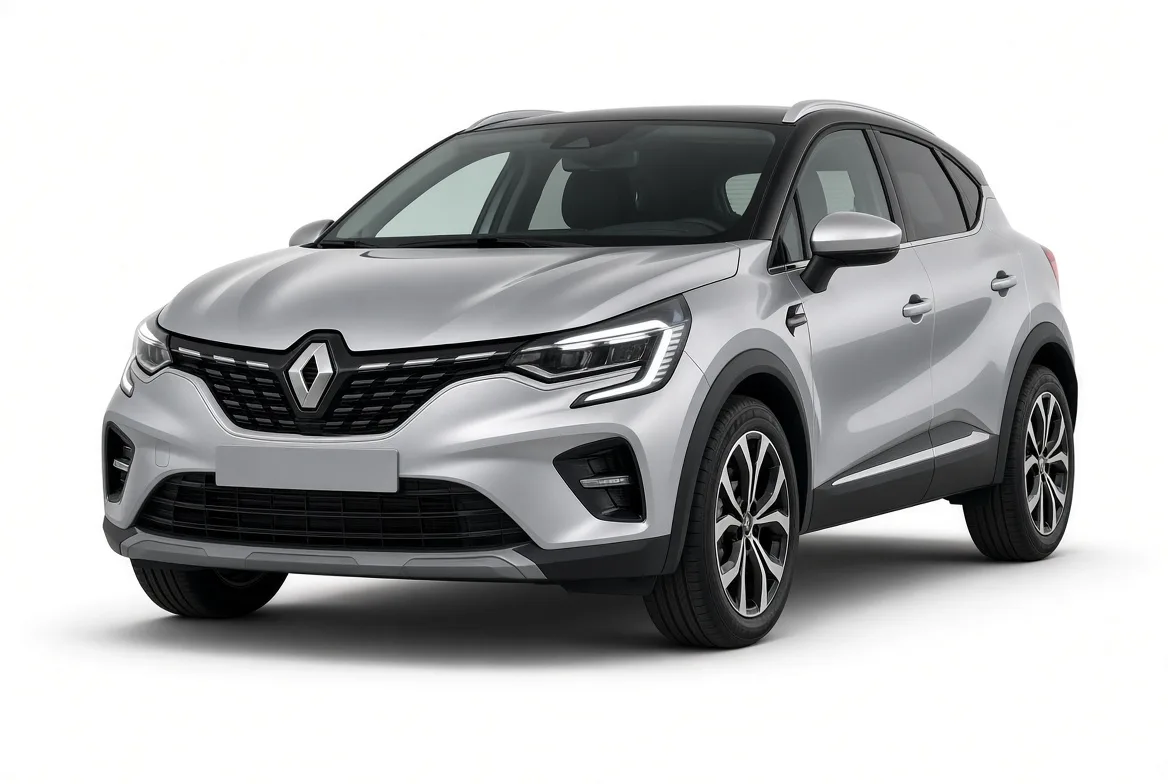
Renault Captur
MK1 · 2013 – 2019
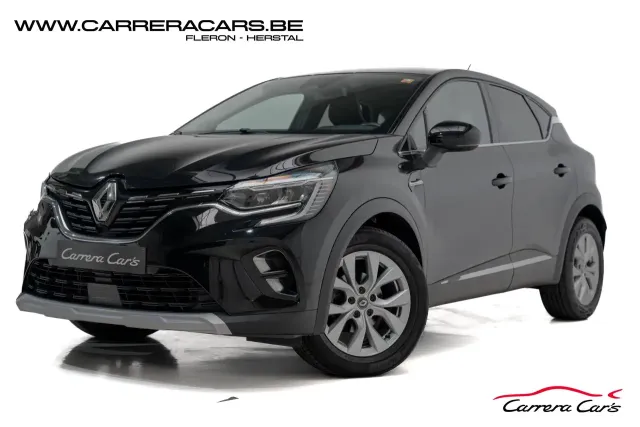
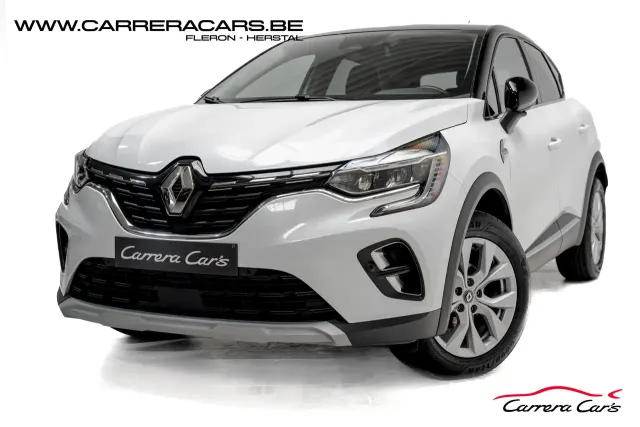
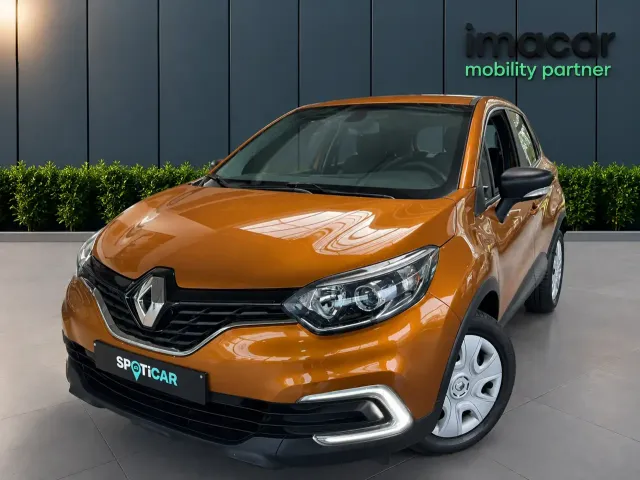
The first Captur (MK1), on a modified B platform.
Mercedes-Benz GLC
Pick the GLC for space, comfort and efficient engines in a premium mid-size SUV.
Renault Captur
Pick the MK1 for an affordable, flexible early Captur with a clever sliding rear bench.
Performance
M274 GLC 250 · Petrol vs 0.9 TCe 90 · Petrol
| Mercedes-Benz GLC | Renault Captur | |
|---|---|---|
| Power |
211 hp
Winner
|
90 hp
|
| Torque |
350 Nm
Winner
|
135 Nm
|
| 0–100 km/h |
7,3 s
Winner
|
12,7 s
|
| Top speed |
222 km/h
Winner
|
171 km/h
|
| Power-to-weight |
121,6 hp/t
Winner
|
83,3 hp/t
|
| CO₂ emissions (WLTP) |
152 g/km
|
105 g/km
Winner
|
| Consumption (WLTP) |
6,5 L/100km
|
4,7 L/100km
Winner
|
Dimensions & space
| Mercedes-Benz GLC | Renault Captur | |
|---|---|---|
| Boot |
550 L
Winner
|
377 L
|
| Boot (seats folded) |
1.600 L
Winner
|
1.235 L
|
| Wheelbase |
2,87 m
Winner
|
2,61 m
|
| Length |
4,66 m
|
4,12 m
|
| Ground clearance |
12,3 cm
|
—
|
| Turning circle |
11,8 m
|
10,4 m
Winner
|
| Towing capacity (braked) |
2.500 kg
Winner
|
900 kg
|
Powertrain & tech
| Mercedes-Benz GLC | Renault Captur | |
|---|---|---|
| Platform | MRA (rear-wheel-drive base) | B (modified) |
| Drive | Rear-wheel drive · All-wheel drive | Front-wheel drive |
| Engine family | M274/M264 petrol · OM651/OM654 diesel · plug-in hybrid | 0.9 TCe · 1.2 TCe · 1.3 TCe · 1.5 dCi |
| Transmission | 9-speed 9G-TRONIC | 5-speed manual |
| Fuel | Petrol | Petrol |
| Euro standard | Euro 6 | Euro 6 |
| LEZ access | Unrestricted access (compliant under current legislation) | Unrestricted access (compliant under current legislation) |
Reliability & watch-outs
Known issues
- Early OM651 diesel: timing chain and AdBlue/NOx watch-points
- 9G-TRONIC: fluid changes recommended earlier than official intervals
- AIRMATIC air suspension can leak at high mileage
- COMAND/MBUX software glitches (mostly fixed via updates)
- 1.2 TCe: timing chain and oil consumption
- EDC: jerky shifts at low speed
- Electrical gremlins and R-Link freezes
Pros
- 550 L boot growing to ~1,600 L — roomy for a mid-size SUV
- Efficient OM654 2.0 diesel (GLC 220 d: 194 hp / 400 Nm)
- MRA rear-wheel-drive platform with optional 4MATIC
- GLC 350 e PHEV: 320 hp system output and 560 Nm, company-car friendly
- Flexible sliding rear bench
- Affordable and plentiful used
- Efficient 1.5 dCi diesel
Cons
- OM651/OM654 diesel: AdBlue/DPF watch-points with lots of short trips
- PHEV (GLC 350 e) shrinks boot space (395 L)
- Complex electronics and air suspension need dealer maintenance
- 1.2 TCe carries chain risk
- Boot and rear legroom smaller than MK2
Driving experience
Mercedes-Benz GLC
Comfortable, quiet and more car-like than its height suggests. The GLC steers accurately with light, consistent weighting, rides well on the standard suspension, and stays hushed at motorway speeds. 4MATIC is standard on most versions and adds sure-footed traction without altering the relaxed character. The M274/M264 petrols are smooth and willing, the OM654 diesel is the economical distance choice, and the 300 e plug-in covers short trips on electric power. The 9G-Tronic shifts unobtrusively. It is a well-rounded, easy-to-live-with compact SUV that does everything competently.
Renault Captur
Light and easy to place in town with a reasonably high driving position, helped by light steering that is not especially communicative. Body control is acceptable but the ride is firmer than a conventional supermini, especially on larger wheels. The 0.9 TCe and 1.2 TCe feel responsive for daily use when healthy, while the 1.5 dCi is stronger on the motorway. Manual gearboxes are straightforward; the EDC dual-clutch is smooth at speed but often shows low-speed hesitation or judder. Overall a competent compact crossover of its era rather than a driver's car.
Belgian taxes & LEZ
For sale at dealers
Mercedes-Benz GLC
14 for sale · from € 18.950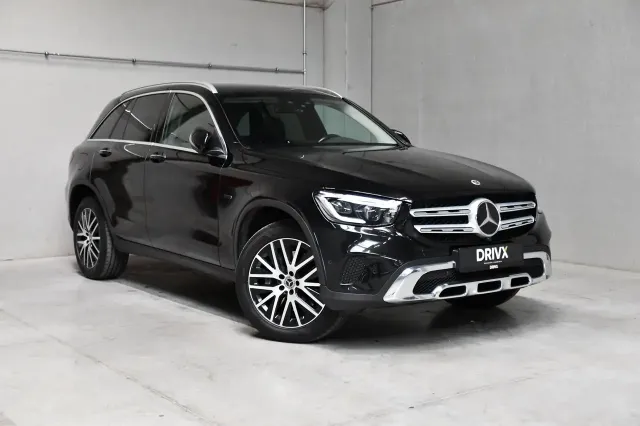
Mercedes-Benz GLC 300 electric · 4Matic · Panoramic roof · 360° camera · CarP…
 GDCauto
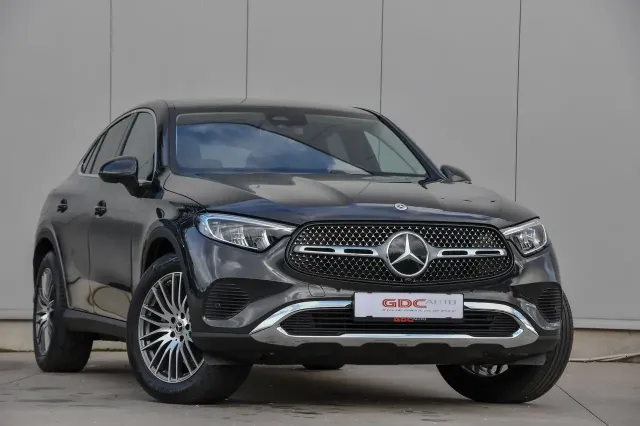
Mercedes-Benz GLC 200 4MATIC · Camera · CarPlay · LED
GDCauto
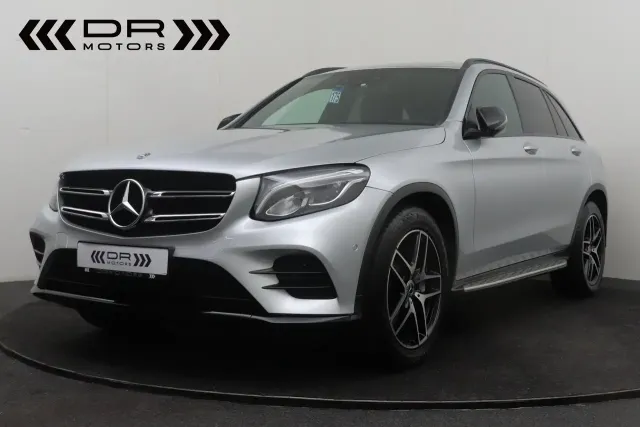
Mercedes-Benz GLC 250 AMG · Camera · LED · Head-up display
 DR Motors
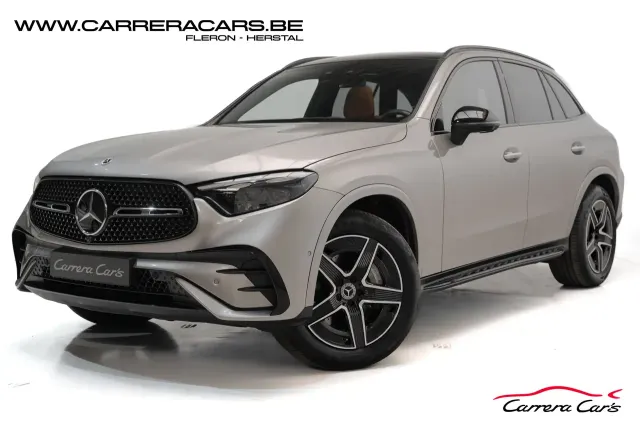
Mercedes-Benz GLC 300 4MATIC · AMG · Panoramic roof · 360° camera · CarPlay
 Garage Carrera Cars