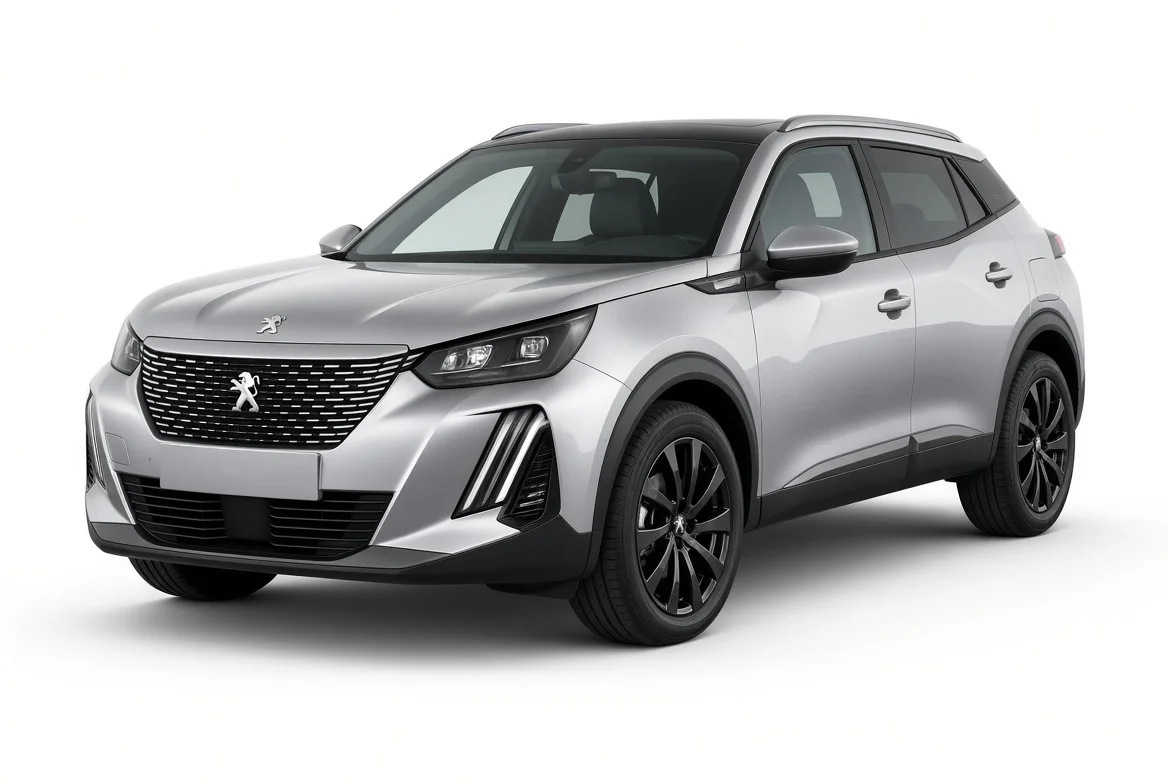
Audi Q3 F3 vs Renault Captur MK2
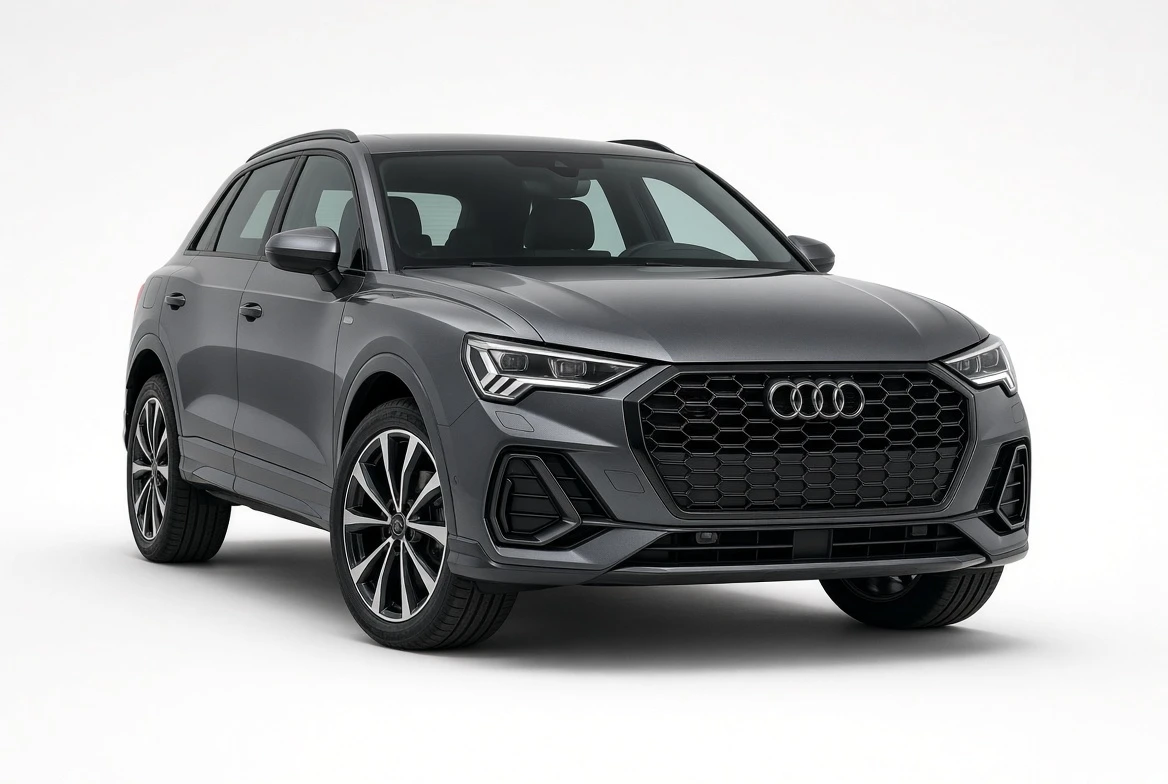
Audi Q3
F3 · 2018 – 2025
The second-generation Q3 (F3), on the MQB A2 platform.
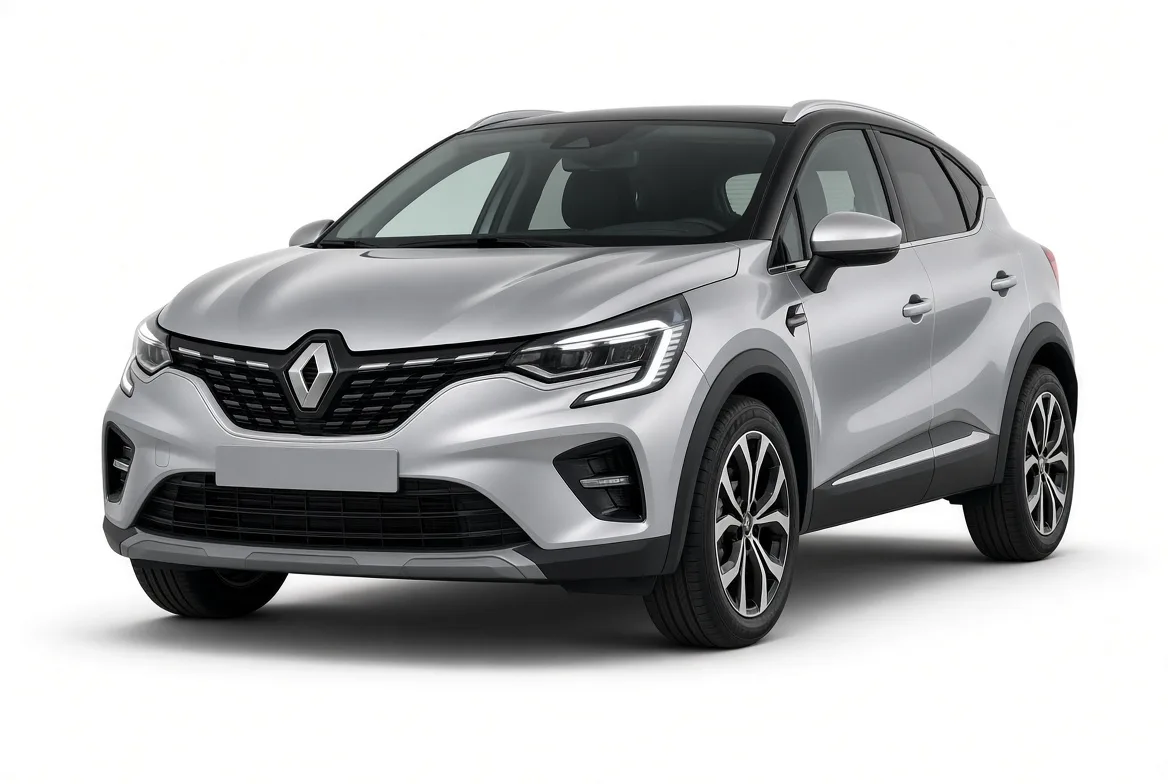
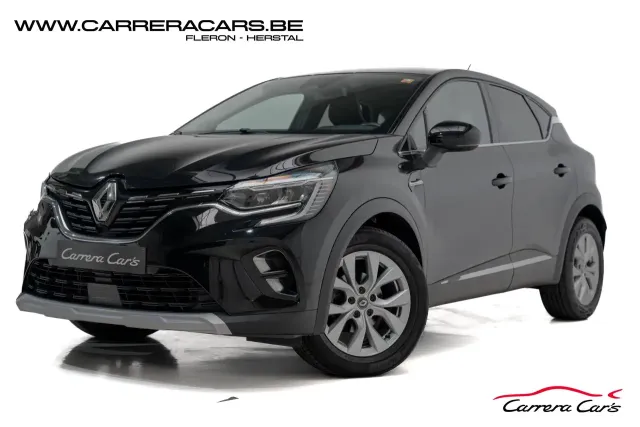
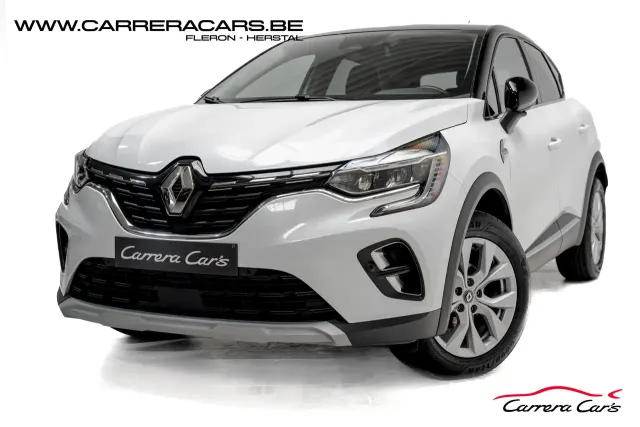
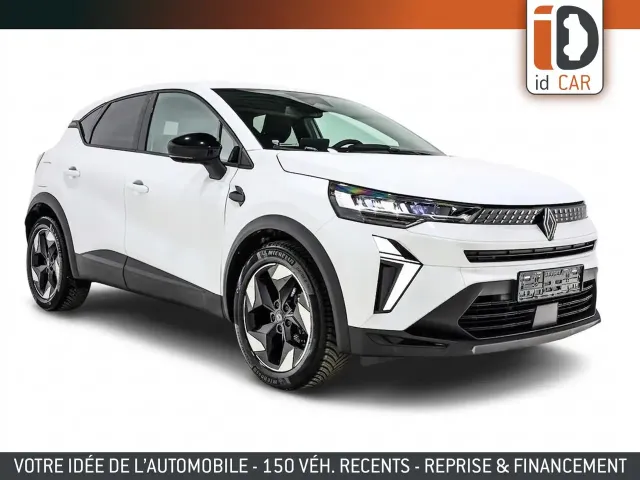
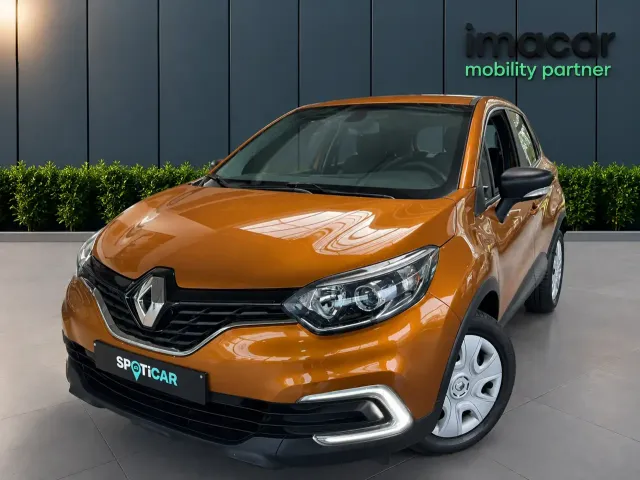
Renault Captur
MK2 · 2019 – 2026
The second Captur (MK2), on the CMF-B platform with E-Tech hybrids.
Audi Q3
Pick the F3 for the 45 TFSI e plug-in hybrid if you want 380 litres of boot space and city EV driving — ideally models from 2021 onwards.
Renault Captur
Pick the MK2 for the roomier, modern Captur with E-Tech hybrids and the flexible rear bench.
Performance
EA211 35 TFSI · Petrol vs 1.0 TCe 100 · Petrol
| Audi Q3 | Renault Captur | |
|---|---|---|
| Power |
150 hp
Winner
|
100 hp
|
| Torque |
250 Nm
Winner
|
160 Nm
|
| 0–100 km/h |
9,2 s
Winner
|
13,0 s
|
| Top speed |
205 km/h
Winner
|
178 km/h
|
| Power-to-weight |
101,7 hp/t
Winner
|
87,7 hp/t
|
| CO₂ emissions (WLTP) |
143 g/km
|
115 g/km
Winner
|
| Consumption (WLTP) |
5,7 L/100km
|
5,0 L/100km
Winner
|
Dimensions & space
| Audi Q3 | Renault Captur | |
|---|---|---|
| Boot |
530 L
Winner
|
422 L
|
| Boot (seats folded) |
1.525 L
Winner
|
1.500 L
|
| Wheelbase |
2,68 m
Winner
|
2,64 m
|
| Length |
4,50 m
|
4,24 m
|
| Ground clearance |
17,0 cm
|
—
|
| Turning circle |
11,8 m
|
10,9 m
Winner
|
| Towing capacity (braked) |
2.000 kg
Winner
|
1.100 kg
|
Powertrain & tech
| Audi Q3 | Renault Captur | |
|---|---|---|
| Platform | MQB A2 (transverse) | CMF-B |
| Drive | Front-wheel drive · All-wheel drive | Front-wheel drive |
| Engine family | EA211 evo 1.5 TFSI · EA888 2.0 TFSI · EA288 2.0 TDI · 45 TFSI e PHEV | 1.0 TCe · 1.3 TCe · 1.5 Blue dCi · E-Tech 140/145 · E-Tech PHEV 158 |
| Transmission | S tronic (DSG) | 6-speed manual |
| Fuel | Petrol | Petrol |
| Euro standard | Euro 6d-TEMP | Euro 6d |
| LEZ access | Unrestricted access (compliant under current legislation) | Unrestricted access (compliant under current legislation) |
Reliability & watch-outs
Known issues
- Infotainment software bugs on early cars
- DQ200 (7-speed dry DSG): mechatronics and clutch judder on early cars
- DPF/AdBlue on diesels with mainly short trips
- E-Tech hybrid: 12V battery drain
- Electrical gremlins and infotainment freezes
- 1.5 Blue dCi: DPF and AdBlue on short trips
Pros
- 45 TFSI e plug-in hybrid does ~50 km electric
- 2.0 TDI (40): 190 hp and 400 Nm
- Virtual Cockpit digital instruments available
- Bigger boot than the MK1
- Modern E-Tech hybrids available
- Keeps the clever sliding rear bench
Cons
- 6-speed manual is restricted to entry-level 35 TFSI and 35 TDI models; all others are S tronic automatic
- 45 TFSI e plug-in hybrid battery reduces boot space from 530 down to 380 litres
- PHEV pricier and heavier
- Infotainment can be slow
Driving experience
Audi Q3
Comfortable, quiet and easy to place. The Q3 rides well over poor surfaces, stays settled at motorway speed, and steers accurately with light, consistent weighting. 2.0-litre cars use quattro, which adds strong traction in wet conditions and inspires confidence. The 1.5 TFSI is adequate but nothing more; the 45 TFSI is genuinely quick; the 2.0 TDI is the best all-rounder — torquey, economical and smooth at a cruise. The S tronic is sharp around town. Body control is good for a high-riding SUV, though the Q3 is set up for comfort rather than driver involvement.
Renault Captur
Light and easy to place in town with a reasonably high driving position, helped by light steering that is not especially communicative. Body control is firmer than the first-generation Captur, reducing roll in corners while staying acceptable on normal roads, though the ride can feel firm on larger wheels. The 1.0 TCe and 1.3 TCe feel responsive for daily use; the E-Tech hybrid adds strong low-speed electric assistance and smooth transitions once warm. Manual gearboxes are straightforward, and the EDC dual-clutch is smooth at speed but can hesitate at low speeds. Overall a competent, easy compact crossover rather than a driver's car.
Belgian taxes & LEZ
For sale at dealers
Audi Q3
66 for sale · from € 8.990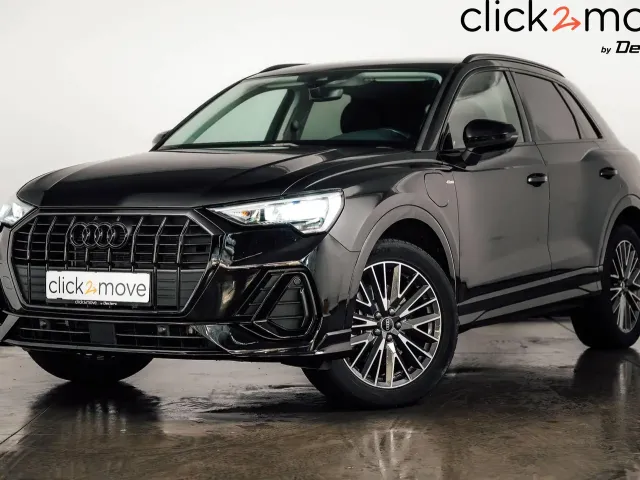
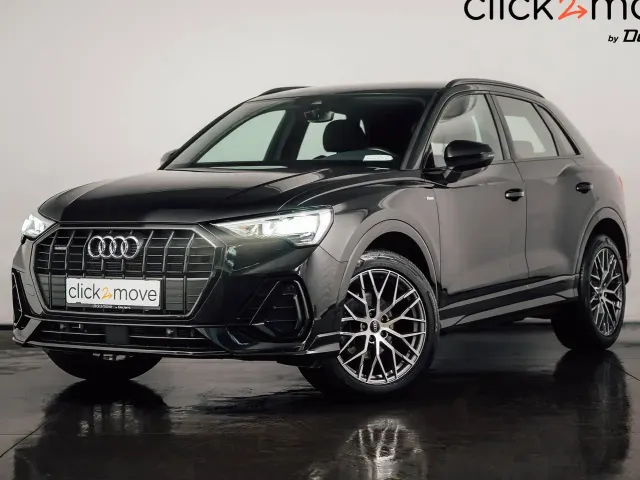
Audi Q3 plug-in hybrid · S line · LED · Leather · Sport seats
 click2move by Declerc
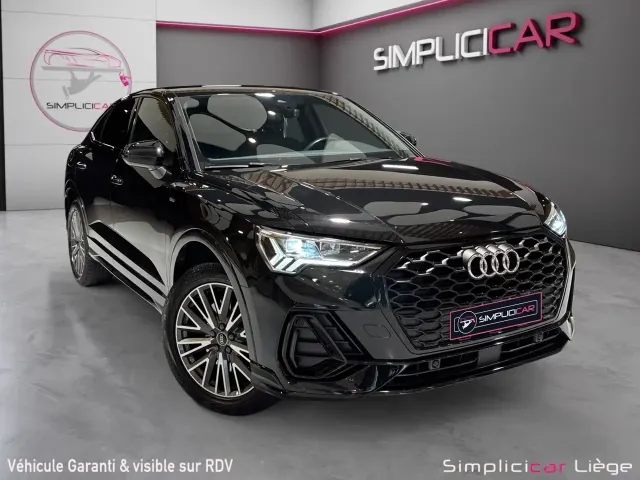
Audi Q3 1.4 TFSI · S line · Camera · CarPlay · LED
 Simplici Car Liège
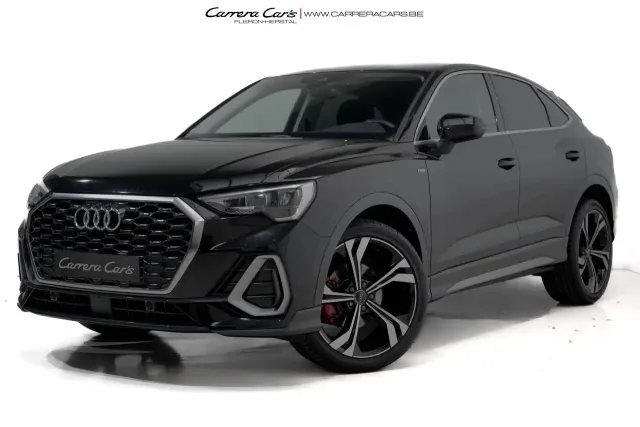
Audi Q3 35 TDI · S line · 360° camera · CarPlay · Navigation
 Garage Carrera Cars
Audi Q3 35 TDI · S line · Camera · LED · Leather
click2move by Declerc