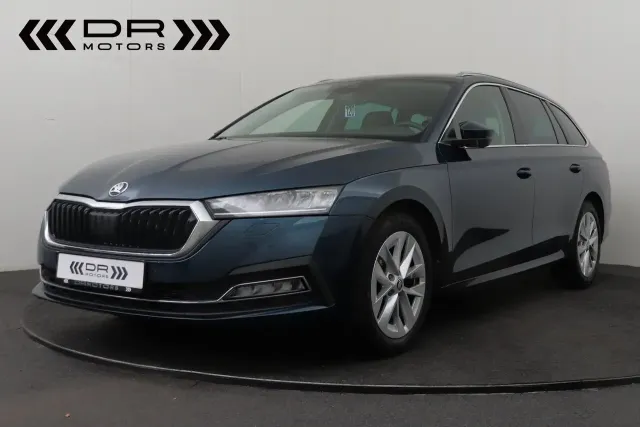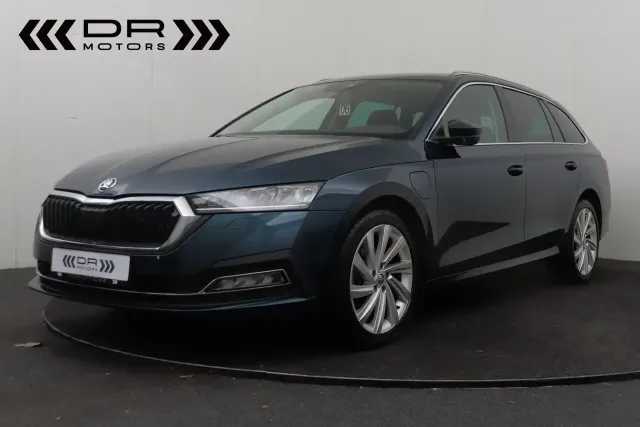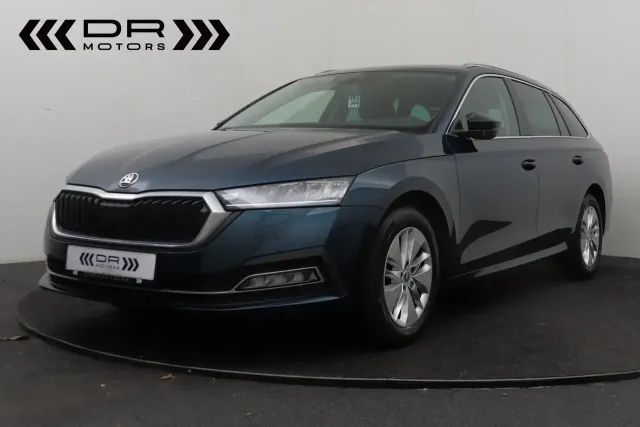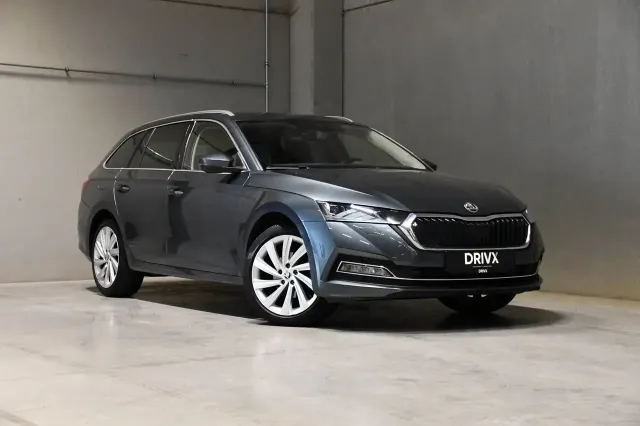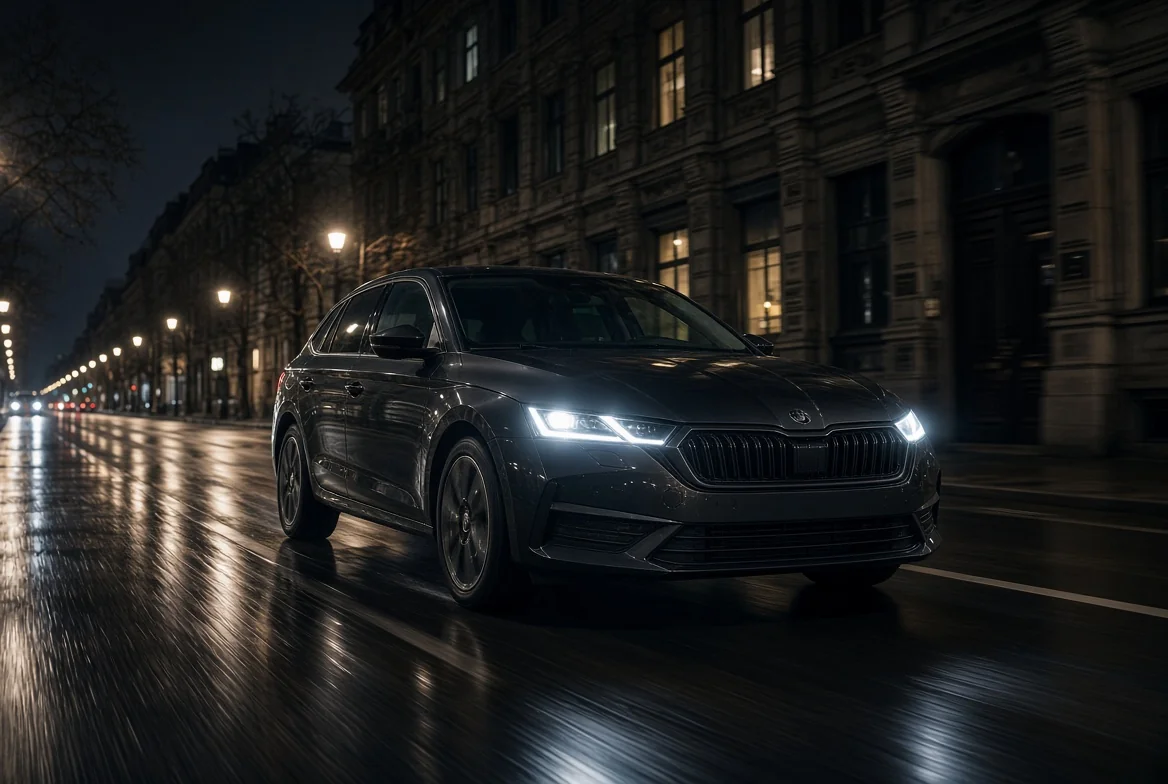

Skoda Octavia IV (MK4) — complete buyer's guide
The complete reference for the fourth-generation Skoda Octavia (MK4, 2020–present): the MQB Evo platform, dimensions, every petrol, diesel and plug-in hybrid powertrain, the 2024 facelift, known issues and a used-buyer checklist.
Production and platform
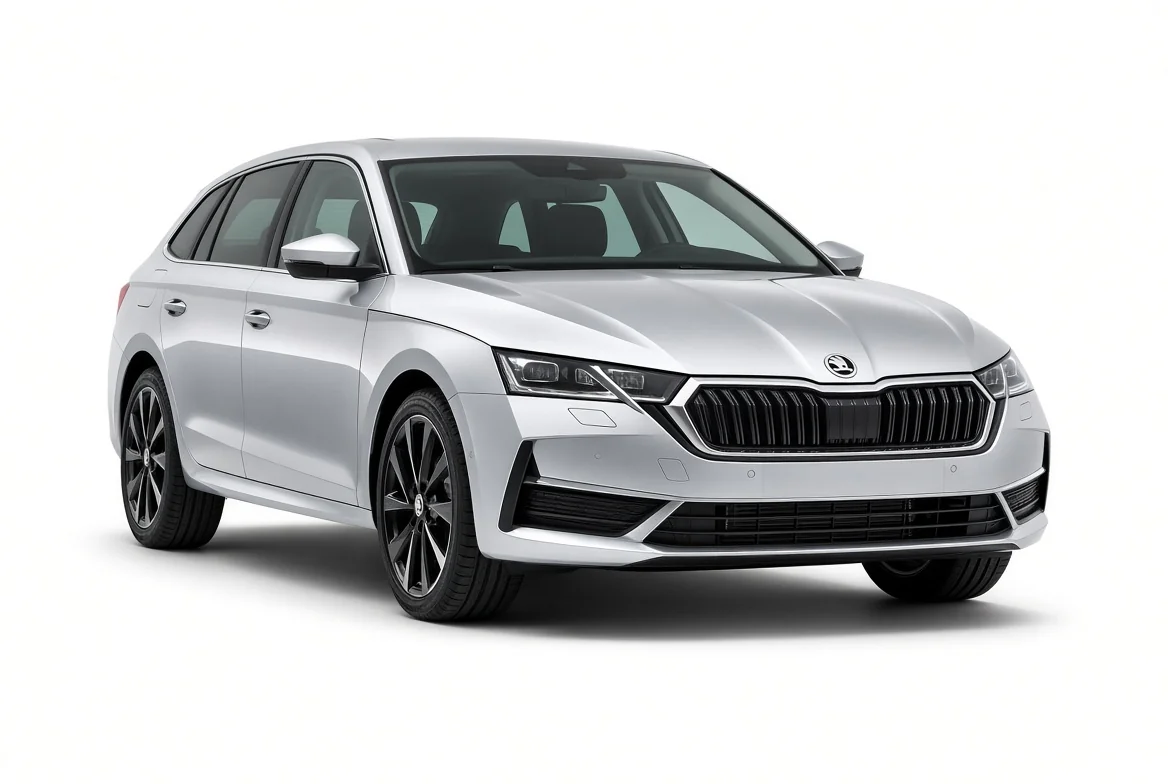
Fourth-generation Skoda Octavia, launched in late 2019 (model year 2020). Family car built on the MQB Evo platform. Available as a liftback or Combi estate. Front-wheel drive standard; all-wheel drive offered on higher-output petrols and certain diesels. A facelift in 2024 updated the exterior lighting and bumpers, simplified the engine range and introduced a higher-output RS. Production continues. Distinguished by its large boot, spacious cabin and a mix of mild-hybrid petrol and diesel engines.
Dimensions and practicality
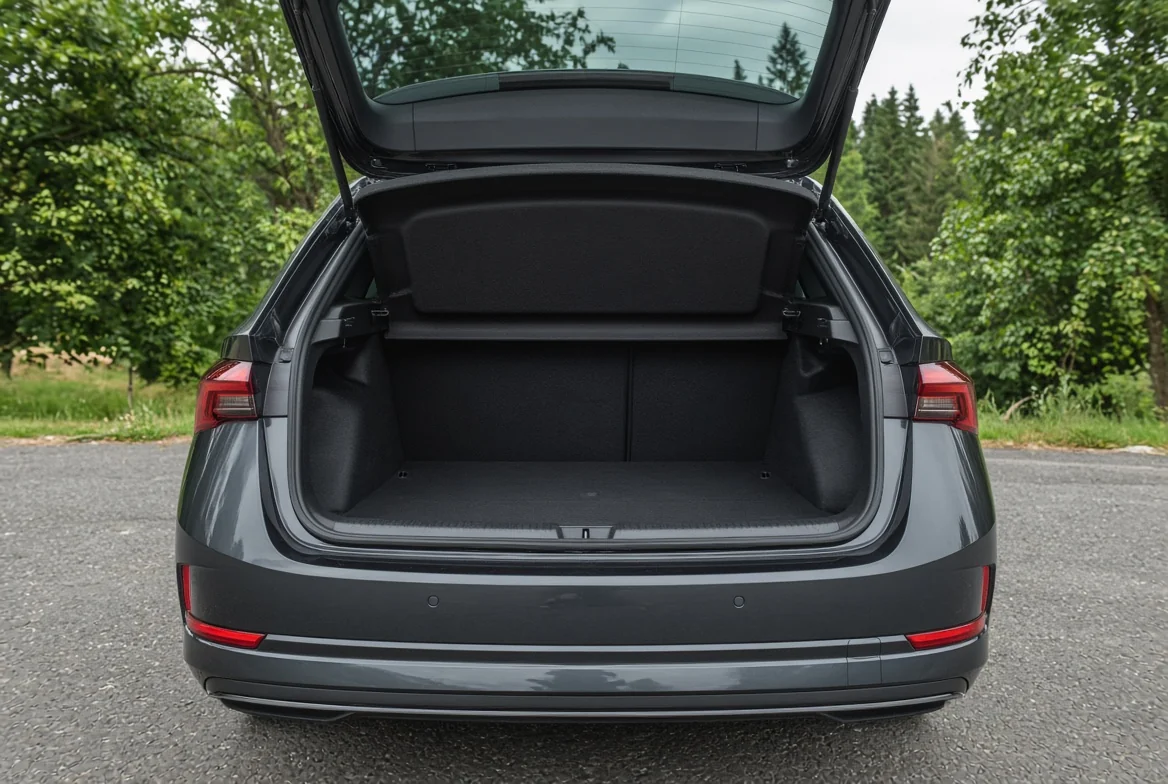
Length approximately 4,689–4,709 mm; width around 1,829 mm (excluding mirrors); height around 1,455–1,470 mm; wheelbase 2,681–2,686 mm. Boot volume approximately 600 litres on the liftback and 640 litres on the Combi (expanding to roughly 1,555 / 1,700 litres with seats folded). Fuel tank 45–50 litres. Ground clearance around 140–150 mm. Rear passenger space is generous for adults. The cabin offers practical storage. Suited as a five-door family car for mixed use. Towing capacity up to 1,500–2,000 kg (braked) depending on powertrain.
Driving experience
Composed and secure for a family car of its era, with light steering that suits motorway and urban driving. The ride is comfortable on standard wheels, and body roll is present yet managed. Mild-hybrid petrols and diesels deliver responsive low-end performance. It prioritises comfort and practicality over sharp dynamics, with good visibility.
Engines
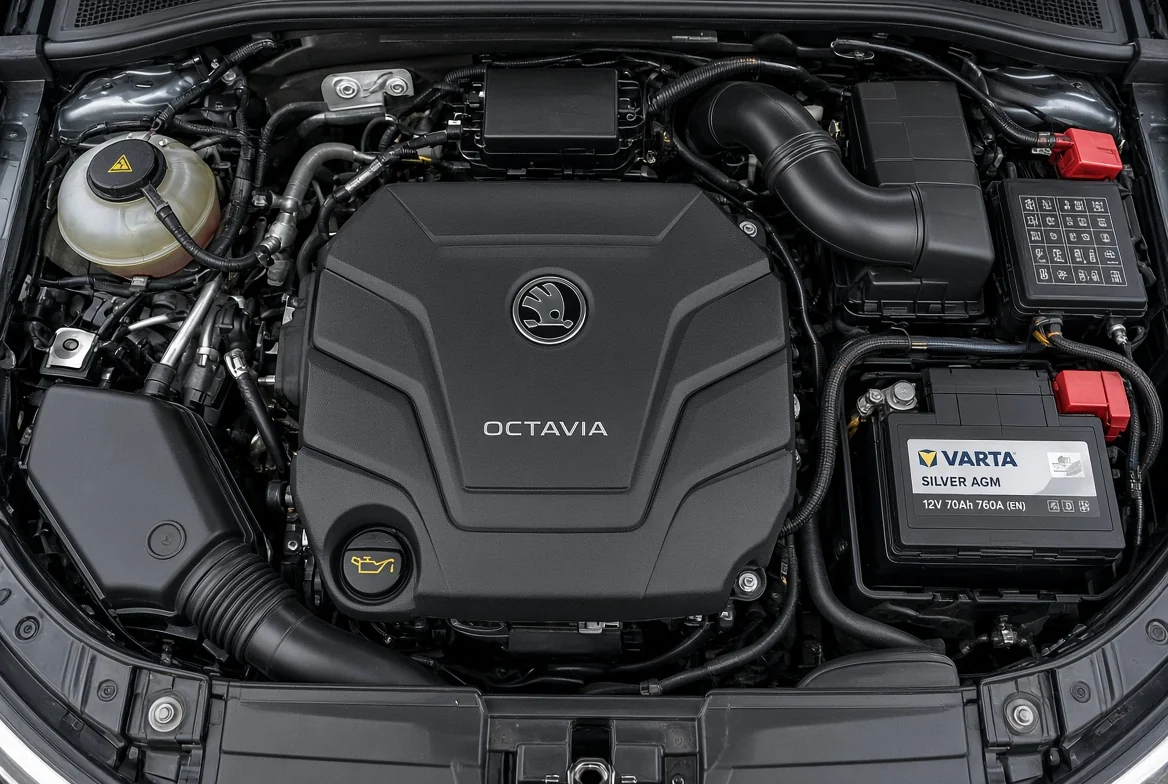
Petrol
| Engine | Power | Torque | 0–100 km/h | |
|---|---|---|---|---|
| 1.0 / 1.5 TSI (incl. e-TEC) FWD · 6MT/7DSG | 1.0 L / 1.5 L · TSI / mild-hybrid e-TEC | 110–150 hp81–110 kW | 200–250 Nm | 8.0–11.0 s |
| 2.0 TSI FWD/AWD · DSG | 2.0 L · TSI turbo | 190–265 hp140–195 kW | 320–370 Nm | 6.0–7.5 s |
Diesel
| Engine | Power | Torque | 0–100 km/h | |
|---|---|---|---|---|
| 2.0 TDI FWD · 6MT/7DSG | 2.0 L · TDI diesel | 115–150 hp85–110 kW | 300–360 Nm | 8.0–10.5 s |
| 2.0 TDI 4x4 AWD · DSG | 2.0 L · TDI diesel | 200 hp147 kW | 400 Nm | 7.0–8.0 s |
Plug-in hybrid (early years)
| Engine | Power | Torque | 0–100 km/h | |
|---|---|---|---|---|
| 1.4 TSI iV FWD · 6DSG · EV 50–60 km | 1.4 L · TSI + electric motor | 204–245 hp combined150–180 kW | — | — |
Transmissions and drive
The Octavia IV uses a 6-speed manual or 7-speed DSG (DQ200 dry-clutch on lower outputs, DQ381 wet-clutch on higher 2.0 TSI/2.0 TDI); the 1.4 TSI iV plug-in hybrid uses a 6-speed DSG. Front-wheel drive is standard; all-wheel drive is available on higher-output 2.0 TSI and the 2.0 TDI 4x4.
Common issues
- MIB3 infotainment: freezes, slow response and software glitches on many early examples; improves with updates.
- 1.5 TSI: cold-start hesitation or "kangarooing" on early builds (largely addressed by software); water-pump leaks on some units.
- 2.0 TDI: DPF clogging and EGR issues with short-trip use; AdBlue system faults.
- DQ200 7-speed dry-clutch DSG: judder and hesitation on lower-power models.
- 12V battery: premature drain on some mild-hybrid and early cars.
What a buyer should check
- Full service history, including regular oil changes, DSG fluid changes where applicable and any software updates.
- Cold-start engine behaviour and any power loss or warning lights.
- Transmission behaviour from cold and under load, especially on DQ200 DSG automatics.
- Infotainment system operation and confirmation of the latest software version.
- Battery condition and any warning messages.
- Confirmation that any software or technical campaigns have been completed (check by VIN).
Running costs
Indicative costs for normal Belgian/EU use (approximate 2026 figures). Actual figures vary by region, driving style and service location.
Fuel consumption
Typically 4.5–7.5 L/100 km depending on engine and driving style. Mild-hybrid petrols and diesels are the most economical for mixed use.
Maintenance
Moderate for the class; independent specialists keep bills reasonable. Budget for DSG fluid changes and software updates.
Road tax / registration (Belgium)
Belgian road tax varies by region, power and CO₂. Earlier diesels may face restrictions in low-emission zones.
Insurance
Generally moderate.
Market position
The fourth-generation Octavia is a common family car on the Belgian used market, where the 1.5 TSI mild-hybrid and 2.0 TDI dominate listings. It competes with the Volkswagen Golf and Ford Focus of the same era. Clean, low-mileage cars with full history and updated software remain easy to sell. Higher-mileage examples with neglected DSG transmissions or diesel emissions hardware carry more risk. The large boot and practical cabin help residuals relative to more style-focused rivals.
Summary
This generation is a practical family car of its era. The later 1.5 TSI mild-hybrid and well-serviced 2.0 TDI examples are generally reliable when maintained correctly; the main risks are MIB3 software glitches on early cars, cold-start hesitation on early 1.5 TSI units, DPF and EGR issues on diesels, and DQ200 DSG problems on lower-power automatics. Full service history and current software are essential. Ownership costs stay moderate for the class.
Belgian taxes & LEZ