
Skoda Octavia III (MK3) — complete buyer's guide
The complete reference for the third-generation Skoda Octavia (MK3, 2013–2020): the MQB platform, dimensions, every petrol and diesel engine, the 2017 facelift, known issues and a used-buyer checklist.
Production and platform
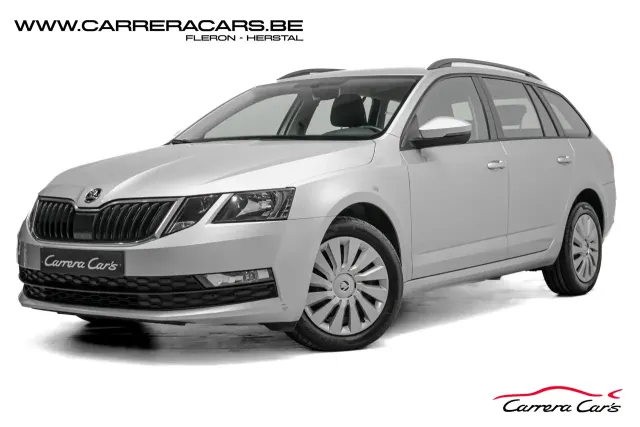
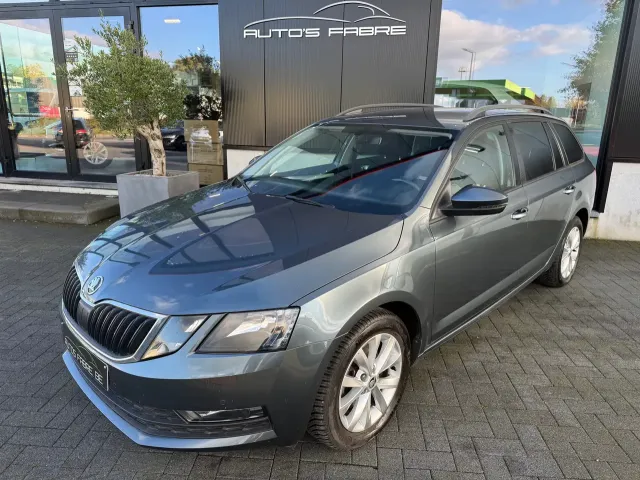
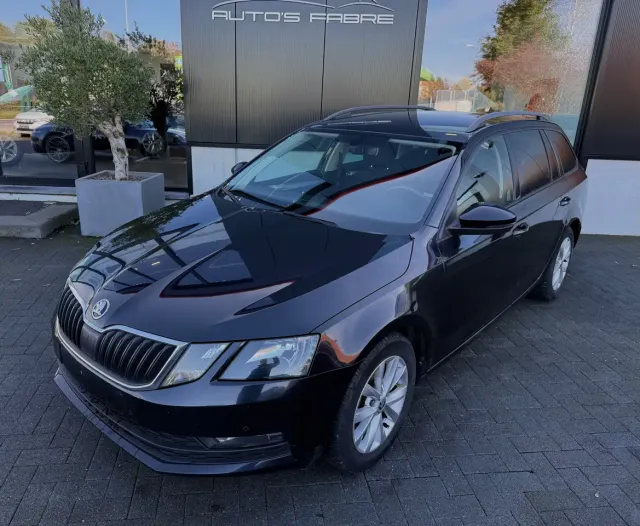
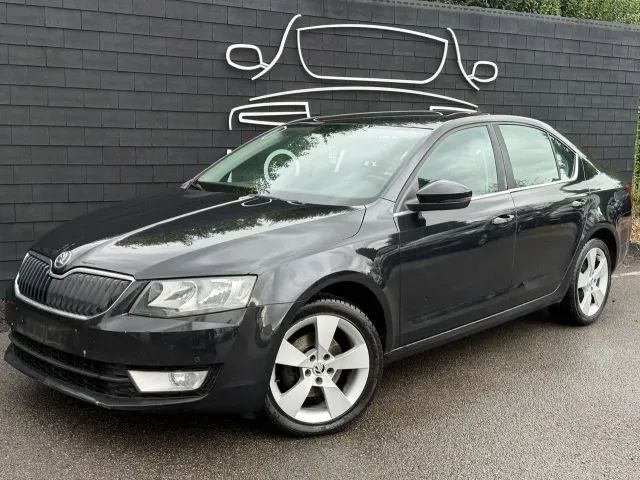
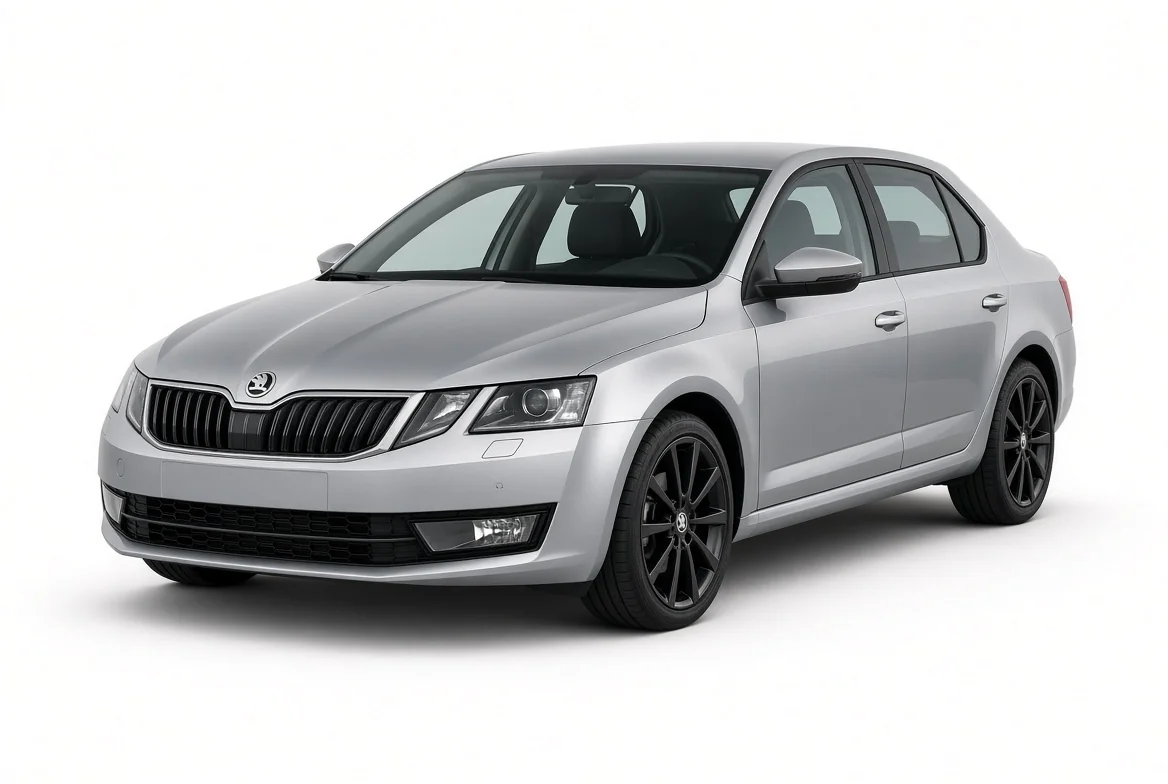
Third-generation Skoda Octavia, launched in late 2012 (model year 2013). Family car built on the MQB platform, shared with the Golf 7 and A3 8V. Available as a liftback or Combi estate. Front-wheel drive standard; all-wheel drive offered on higher-output diesels, RS and Scout variants. A facelift in 2017 updated the front styling with split headlights, revised the engine range and introduced a more modern infotainment system. Production ended in 2020. Distinguished by its large boot, spacious cabin and a broad petrol and diesel engine range.
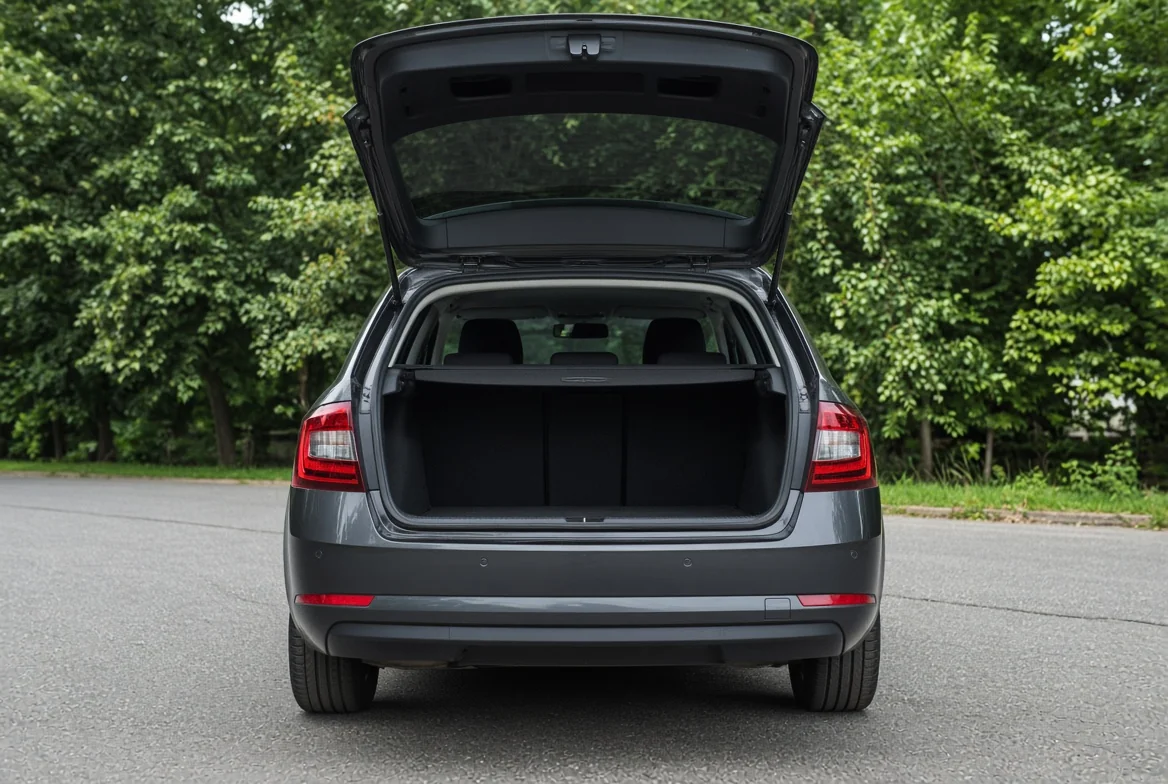
Dimensions and practicality
Length approximately 4,659–4,670 mm (liftback); width around 1,814 mm (excluding mirrors); height around 1,461–1,465 mm; wheelbase 2,686 mm. Boot volume approximately 590 litres on the liftback and 610 litres on the Combi (expanding to roughly 1,580 / 1,740 litres with seats folded). Fuel tank 50 litres. Ground clearance around 140–155 mm. Rear passenger space is generous for adults. The cabin offers practical storage and a low load lip. Suited as a five-door family car for mixed use. Towing capacity up to 1,600–2,000 kg (braked) depending on powertrain.
Driving experience
Composed and secure for a family car of its era, with light steering that suits motorway and urban driving. The ride is comfortable on standard wheels, and body roll is present yet managed. Diesels deliver strong low-end torque for motorway use. It prioritises comfort and practicality over sharp dynamics, with good visibility.
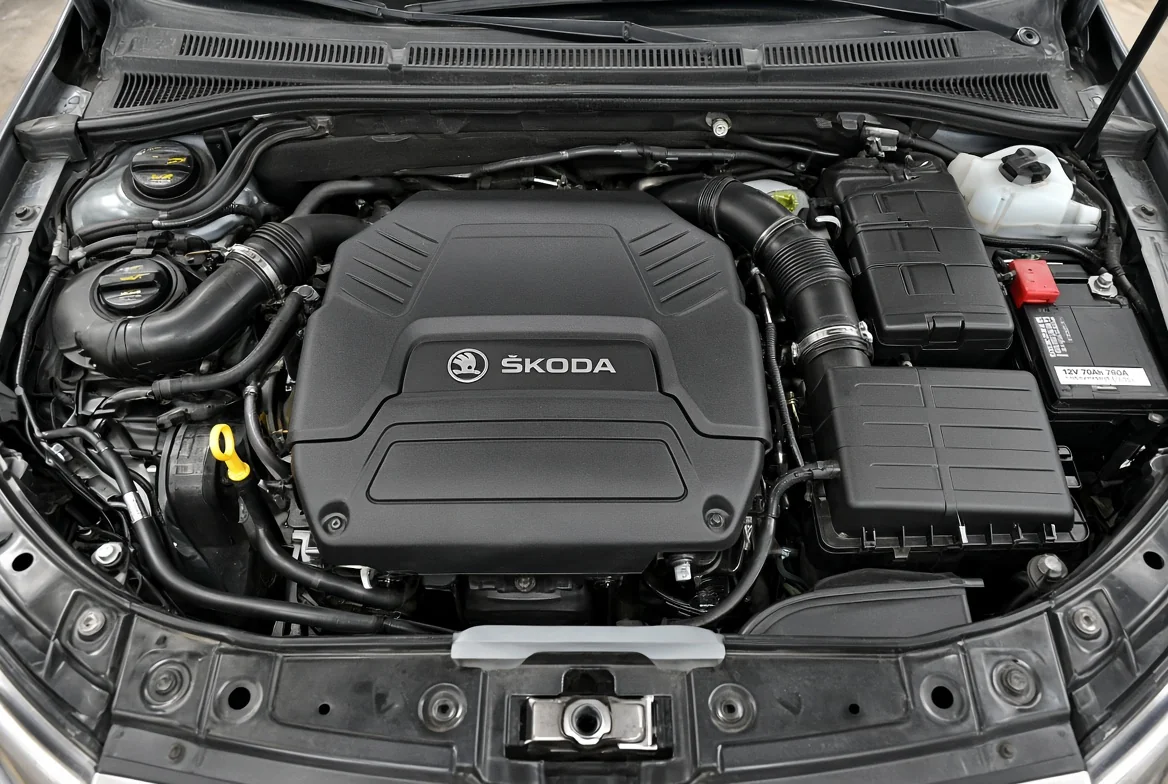
Engines
Petrol
| Engine | Power | Torque | 0–100 km/h | |
|---|---|---|---|---|
| 1.0 / 1.2 / 1.4 / 1.5 TSI FWD · 5MT/6MT/7DSG | TSI turbo (3/4-cyl) | 105–150 hp77–110 kW | 175–250 Nm | 8.0–11.0 s |
| 1.8 / 2.0 TSI FWD/AWD · 6MT/DSG | TSI turbo (4-cyl) | 180–245 hp132–180 kW | 250–370 Nm | 6.5–8.0 s |
Diesel
| Engine | Power | Torque | 0–100 km/h | |
|---|---|---|---|---|
| 1.6 TDI FWD · 5MT/7DSG | 1.6 L · TDI diesel | 90–115 hp66–85 kW | 230–250 Nm | 10.5–12.5 s |
| 2.0 TDI FWD/AWD · 6MT/DSG | 2.0 L · TDI diesel | 150–184 hp110–135 kW | 320–380 Nm | 7.5–9.0 s |
Transmissions and drive
The Octavia III uses a 5- or 6-speed manual or 7-speed DSG (DQ200 dry-clutch on lower outputs, DQ250 wet-clutch on higher 2.0 TDI). Front-wheel drive is standard; all-wheel drive is available on higher-output 2.0 TDI, RS and Scout.
Common issues
- Early 1.4 TSI petrol: water pump and thermostat housing leaks; occasional oil consumption on early builds.
- 1.6/2.0 TDI: DPF clogging and EGR issues with short-trip use; AdBlue system faults on later Euro 6 examples.
- DQ200 7-speed dry-clutch DSG: judder, hesitation and mechatronic issues on lower-power models.
- Front suspension bushes: wear leading to knocks at higher mileage.
- Timing belt: interval typically 180,000–210,000 km or 5–8 years on diesels (interference engines).
What a buyer should check
- Full service history, including regular oil changes, timing-belt and water-pump replacement, and DSG fluid changes where applicable.
- Cold-start engine behaviour and any power loss or warning lights.
- Transmission behaviour from cold and under load, especially on DQ200 DSG automatics.
- Suspension condition and any knocks over bumps.
- Infotainment system operation and any software update history.
- Confirmation that any software or technical campaigns have been completed (check by VIN).
Running costs
Indicative costs for normal Belgian/EU use (approximate 2026 figures). Actual figures vary by region, driving style and service location.
Fuel consumption
Typically 4.0–7.5 L/100 km depending on engine and driving style. Diesels are the most economical for higher-mileage use.
Maintenance
Moderate for the class; independent specialists keep bills reasonable. Budget for timing-belt and water-pump replacement, and DSG fluid changes.
Road tax / registration (Belgium)
Belgian road tax varies by region, power and CO₂. Earlier diesels may face restrictions in low-emission zones.
Insurance
Generally moderate.
Market position
The third-generation Octavia is a common family car on the Belgian used market, where the 1.6 TDI and 2.0 TDI dominate listings. It competes with the Volkswagen Golf and Ford Focus of the same era. Clean, low-mileage cars with full history remain easy to sell. Higher-mileage examples with neglected DSG transmissions or diesel emissions hardware carry more risk. The large boot and practical cabin help residuals relative to more style-focused rivals.
Summary
This generation is a practical family car of its era. The later 1.4/1.5 TSI petrol and well-serviced 2.0 TDI examples are generally reliable when maintained correctly; the main risks are water-pump leaks on early petrols, DPF and EGR issues on diesels, DQ200 DSG problems on lower-power automatics, and timing-belt intervals. Full service history is essential. Ownership costs stay moderate for the class.
Belgian taxes & LEZ