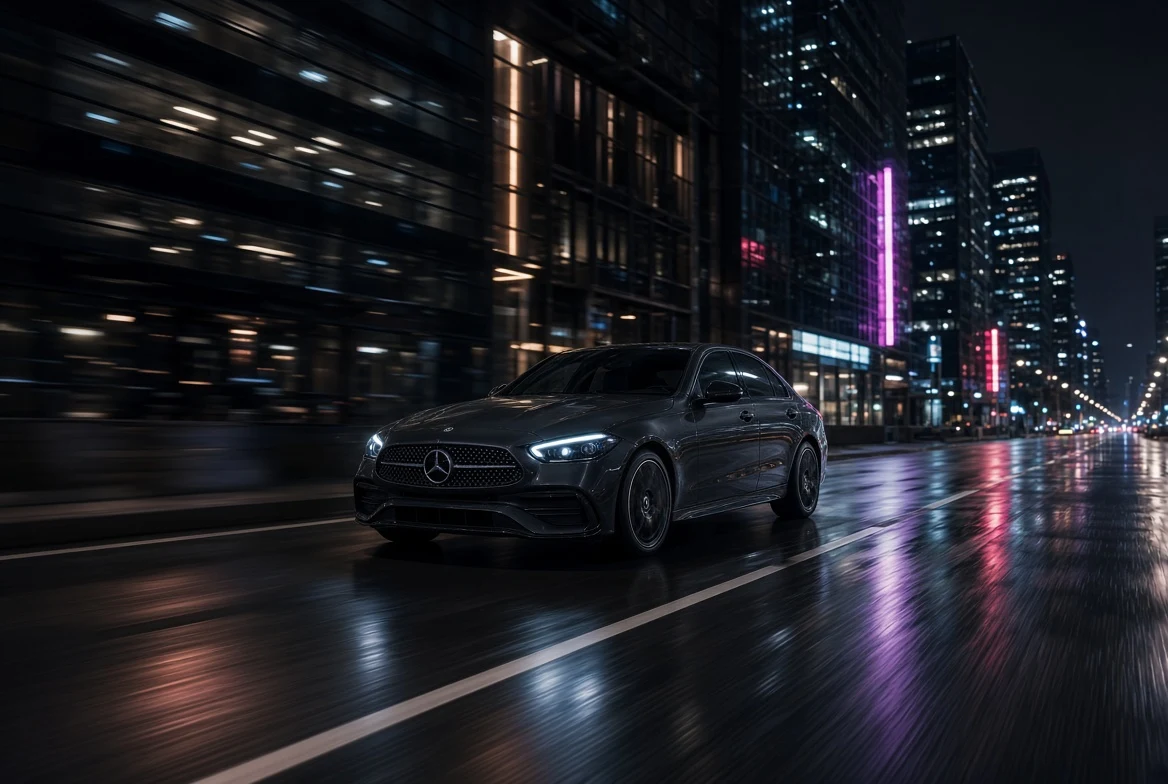

Mercedes-Benz C-Class (W206) — complete buyer's guide
The complete reference for the fifth-generation Mercedes-Benz C-Class (W206, 2021–present): platform, dimensions, every engine, the 2026 facelift, known issues and a used-buyer checklist.
Production and platform
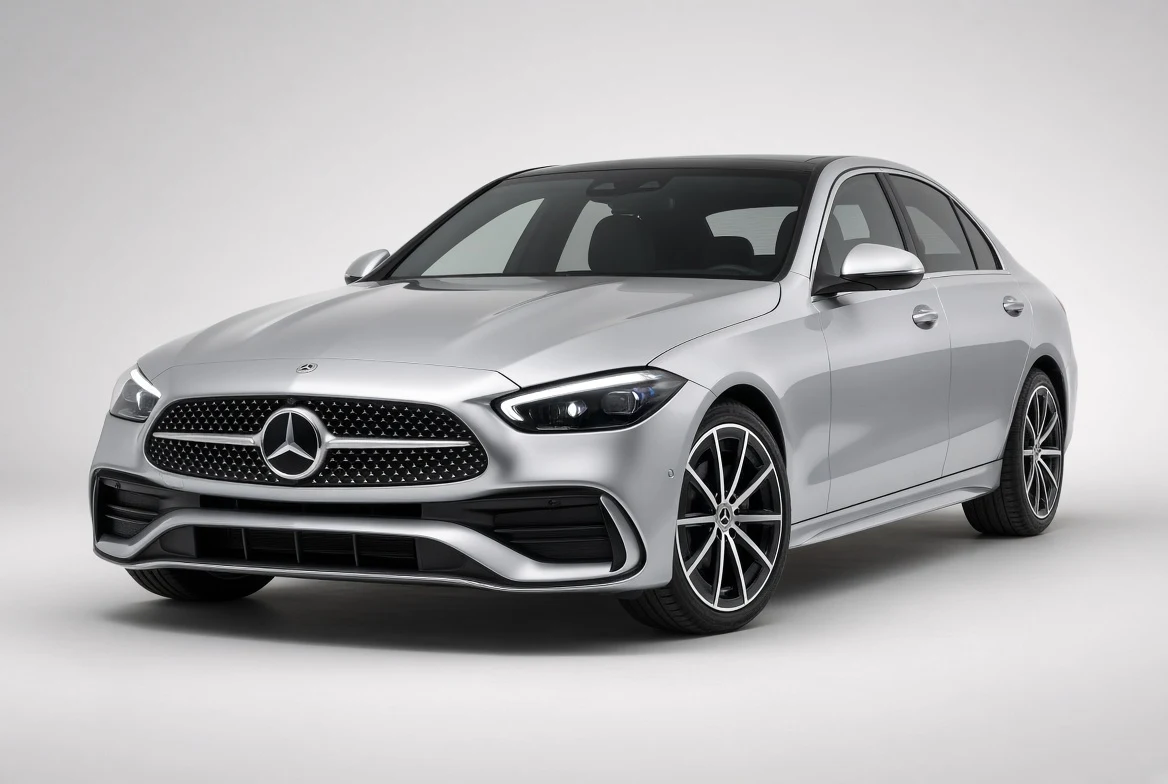
Produced from March 2021 onward (sedan and estate). Fifth generation of the C-Class. Body styles: four-door sedan (W206), five-door estate (S206), and long-wheelbase sedan (V206, mainly China). An All-Terrain variant of the estate is also available. Built on the MRA II longitudinal rear-wheel-drive platform. Rear-wheel drive standard; 4MATIC all-wheel drive optional. Related performance models include the AMG C 43 and C 63 S E Performance. Primary assembly in Bremen, Germany (additional plants in other markets). Mid-cycle facelift introduced in August 2026. A separate fully electric C-Class was announced later as its own series.
Driving experience
Serene, refined and quietly effortless to drive. The W206 puts comfort first: the ride is supple and isolating, the 9G-Tronic shifts are seamless, and the cabin stays hushed at speed. Steering is light and precise rather than talkative, and the body rolls a little more than a 3 Series in corners, but it never feels unsettled. 4MATIC adds all-weather traction without changing the relaxed character. Every engine is a 48-volt mild hybrid, so the petrols are smooth and eager, the diesels pull strongly and stay quiet, and the C 300 e plug-in glides on electric power around town. Overall a calm, tech-rich executive saloon that trades ultimate sportiness for effortless long-distance comfort.
Engines
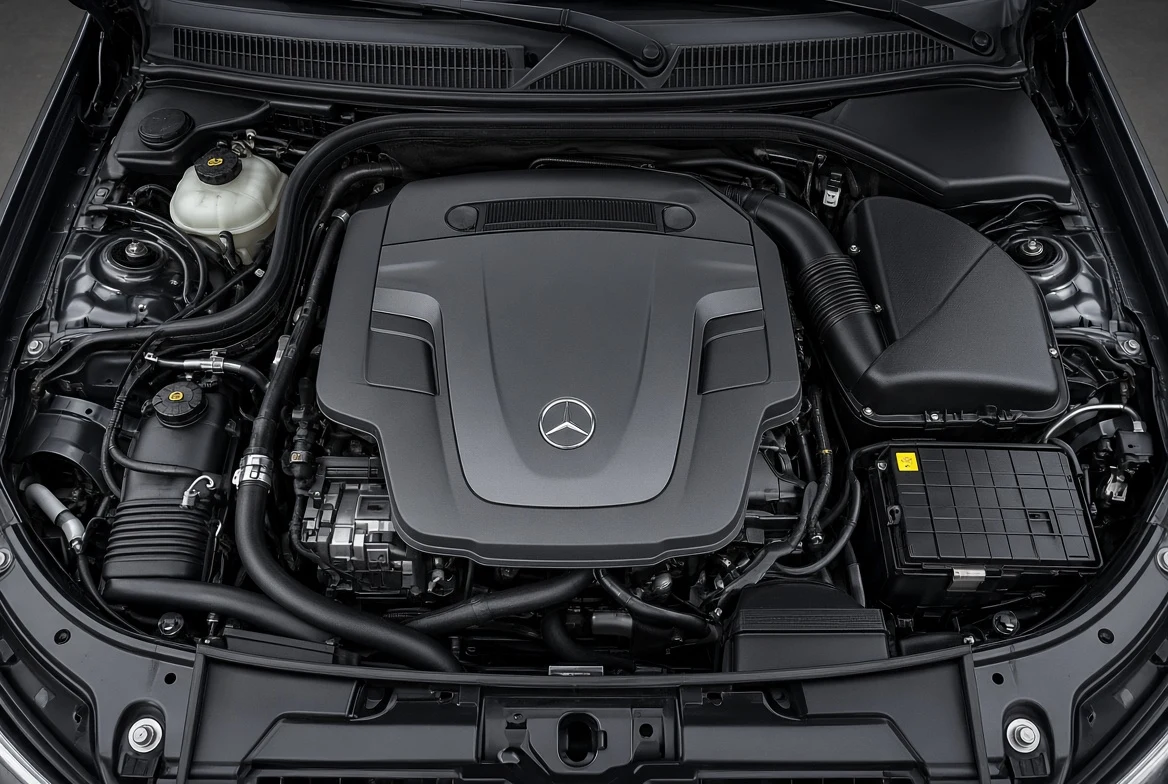
Petrol (M254)
| Engine | Power | Torque | 0–100 km/h | |
|---|---|---|---|---|
| C 180 | 1.5 L · 4-cyl (M254) | 170 hp125 kW | 250 Nm | 8.6 s |
| C 200 | 1.5 L · 4-cyl (M254) | 204 hp150 kW | 300 Nm | 7.3 s |
| C 300 | 2.0 L · 4-cyl (M254) | 258 hp190 kW | 400 Nm | 6.0 s |
Diesel (OM654)
| Engine | Power | Torque | 0–100 km/h | |
|---|---|---|---|---|
| C 200 d | 2.0 L · 4-cyl (OM654) | 163 hp120 kW | 380 Nm | 7.7 s |
| C 220 d | 2.0 L · 4-cyl (OM654) | 200 hp147 kW | 440 Nm | 7.3 s |
| C 300 d | 2.0 L · 4-cyl (OM654) | 265 hp195 kW | 550 Nm | 5.7 s |
Plug-in hybrid (e)
| Engine | Power | Torque | 0–100 km/h | |
|---|---|---|---|---|
| C 300 e ~100 km electric range | 2.0 L · 4-cyl + e-motor | 313 hp230 kW | 550 Nm | 6.1 s |
| C 300 de ~100 km electric range | 2.0 L · 4-cyl + e-motor | 313 hp230 kW | 550 Nm | 6.4 s |
Transmissions
9G-TRONIC automatic standard across the range (no manual). All engines are longitudinal. The 48-volt mild-hybrid system is standard on non-PHEV models.
Dimensions and practicality
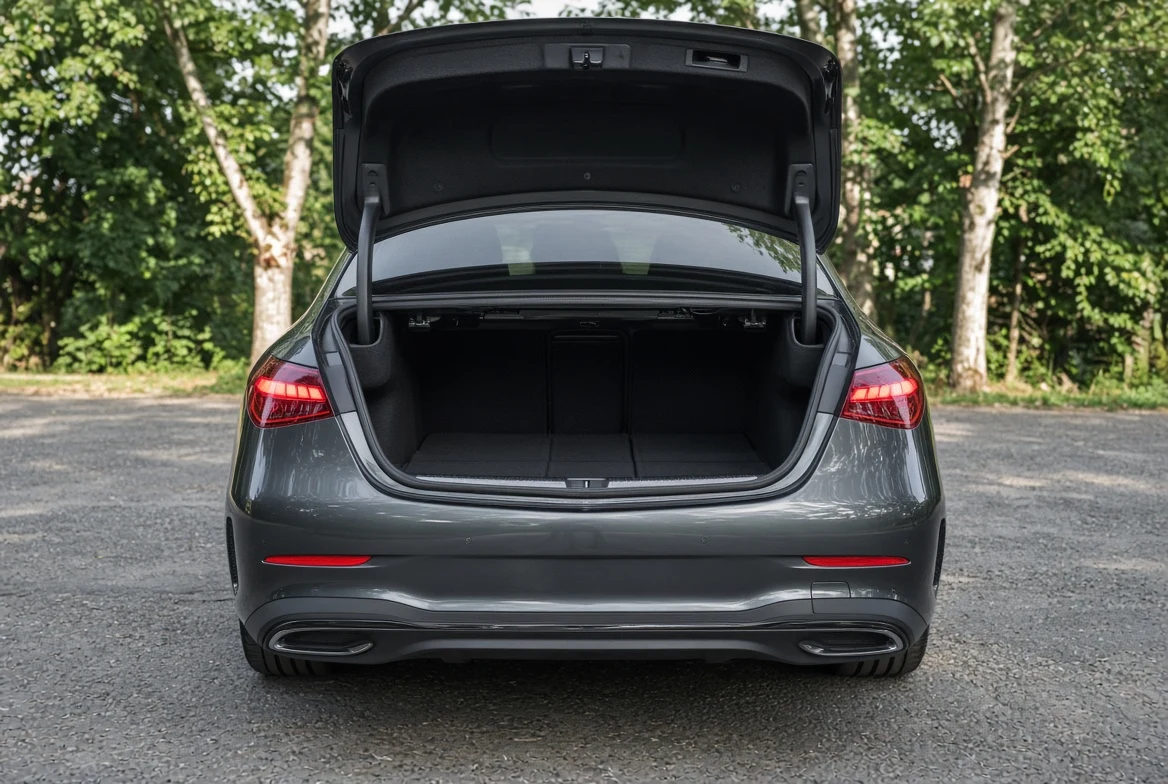
Sedan: length approximately 4,751 mm, width around 1,820 mm, height around 1,437–1,438 mm, wheelbase 2,865 mm. Boot volume approximately 455 litres (sedan, seats up). Estate: approximately 490 litres, expanding to roughly 1,510 litres with the seats folded. Fuel tank typically 40–50 litres depending on engine. Versus the W205: 65 mm longer, 10 mm wider, lower roofline and a 25 mm longer wheelbase. More rear legroom and headroom. The sedan's boot is comparable or slightly smaller than the W205's. Plug-in hybrids keep a usable boot thanks to the battery packaged under the floor. Practicality is competitive within the compact premium class.
Facelift (2026)
Introduced in August 2026. Main changes:
- Revised exterior styling including updated front and rear and an illuminated grille surround.
- Updated MB.OS software and interior digital interfaces.
- Engine revisions on petrol models (continued 48-volt mild-hybrid integration; some markets moved to updated 2.0-litre units in later production).
- Expanded driver-assistance and connectivity features.
- New equipment packages and wheel designs.
Differences from the previous generation (W205)
Longer overall length and wheelbase with improved rear space. Fully standard mild-hybrid (48-volt EQ Boost) architecture across non-PHEV engines. Larger central touchscreen (MBUX) replacing the previous COMAND system; more integrated optional digital instrument cluster. No manual transmission. Boot volume broadly similar, with a slightly smaller fuel tank on some versions. Higher technology content and more advanced driver aids. Body structure evolved on the MRA II platform. Air suspension no longer offered. Interior material quality noted as more mixed in lower areas compared with the W205, with greater focus on the digital dashboard.
Known issues and weak points
Electronics and software
- MBUX central screen freezes, resets or goes blank (more common on 2021–2023 cars). Often improved by software updates; can temporarily disable camera, climate or assistance functions.
- 48-volt mild-hybrid system warnings ("48V Battery Malfunction") and related starting issues on early cars. Communication errors between the integrated starter-generator, DC-DC converter and software are the typical cause. Later software and production reduced the frequency.
- False activation of Active Brake Assist (phantom braking) reported on early software versions.
- Various software-related recalls and OTA updates for MBUX, eCall and assistance systems. Early production cars show higher rates of electronic complaints.
Petrol (M254)
- Oil consumption reported on some early-production engines (piston ring sealing). More frequently noted on 2021–mid-2023 cars. Later production improved.
- Camshaft adjuster issues possible on some early units.
Diesel (OM654)
- AdBlue system faults (NOx sensors, dosing valve, related components) remain possible at higher mileage, consistent with earlier OM654 applications. Can trigger countdown warnings.
- DPF and EGR issues more common on predominantly short-trip use.
- Early OM654 production had rocker arm/camshaft wear concerns addressed by improved parts from specific engine numbers onward (verify by engine serial).
Drivetrain and other
- 9G-TRONIC can show occasional harsh shifts; regular fluid service is advisable.
- Various recalls including wheel bolt torque, software and component campaigns. Always check full VIN status.
- 12-volt battery drain or warning messages reported on some early cars.
What a buyer should check
- Full service history and confirmation of all software updates (MBUX and 48-volt system).
- VIN-specific recall and service campaign status (especially software, wheel bolts and any engine campaigns).
- Cold-start and idle behaviour; any 48-volt system warnings.
- MBUX screen stability, camera function and assistance systems on a road test.
- Oil level and consumption history on petrol models (particularly early M254).
- For diesels: AdBlue system function and DPF regeneration history.
- Transmission shift quality.
- Overall electronic function (instruments, connectivity, driver aids).
- Suspension condition and tyre wear.
- For PHEV models: battery health and charging system operation.
Running costs
Indicative costs for the Mercedes-Benz C-Class W206 in normal Belgian/EU use (approximate 2026 figures). Actual figures vary by region, driving style and service location.
Fuel consumption
- C 180 / C 200 / C 300 (M254): typically 6.5–9.0 L/100 km.
- C 220 d / C 300 d (OM654): typically 5.0–6.5 L/100 km; AdBlue consumption low.
- C 300 e PHEV: highly dependent on charging; can be very low if mostly electric, or similar to petrol if not charged.
Maintenance
Mercedes service is premium-priced. Oil service typically €150–300. 9G-Tronic automatic fluid service every ~60,000 km is recommended. Tyres and brakes add up. AdBlue consumption on the diesel is low. Independent Mercedes specialists keep bills more reasonable than dealers.
Road tax / registration (Belgium)
Highly region-dependent (Flanders more CO₂-oriented; Wallonia/Brussels influenced by power/CV and mass). Four-cylinder engines sit in moderate brackets; higher AMG versions are more expensive. Expect roughly €250–900+/year depending on engine, exact CO₂, region and any ongoing reforms. One-off BIV/TMC on first Belgian registration is also engine- and age-sensitive.
Insurance and LEZ
Higher than mainstream executive saloons. AMG and higher-spec versions cost more. Full comprehensive is expensive on higher-value examples. LEZ: all engines fully Euro 6d compliant and unrestricted in Belgian/EU low-emission zones.
Belgian/EU market notes
Diesel versions (especially the C 220 d) remain relevant for company-car use where tax treatment still favours lower CO₂. Petrol mild-hybrid and plug-in hybrid models are increasingly common as company-car taxation evolves. Euro 6d compliance is standard. Car-Pass documentation is required for Belgian sales. Many examples will have moderate-to-higher annual mileage from company fleets with regular maintenance. The sedan is more common than the estate. Later production cars (especially post-2024 with accumulated software updates) generally show fewer electronic issues than early 2021–2022 examples.
Summary
This generation is more refined and technologically advanced than the W205, with improved space and standard mild-hybrid systems, provided the known electronic and early-production items (MBUX software status, 48-volt system, AdBlue on diesels, oil consumption on early M254, and full VIN campaign status) are verified. Later examples with completed updates are generally more stable. Early cars require closer scrutiny of software history and specific engine serial numbers.
Belgian taxes & LEZ
Used Mercedes-Benz C-Class for sale
View all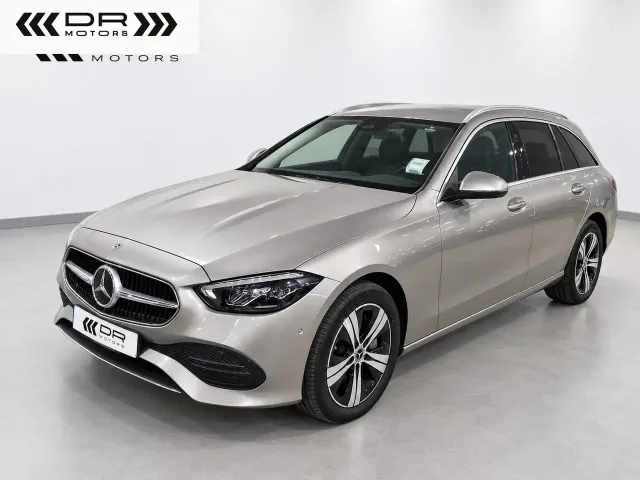
Mercedes-Benz C 300 plug-in hybrid · Camera · CarPlay · LED
 DR Motors
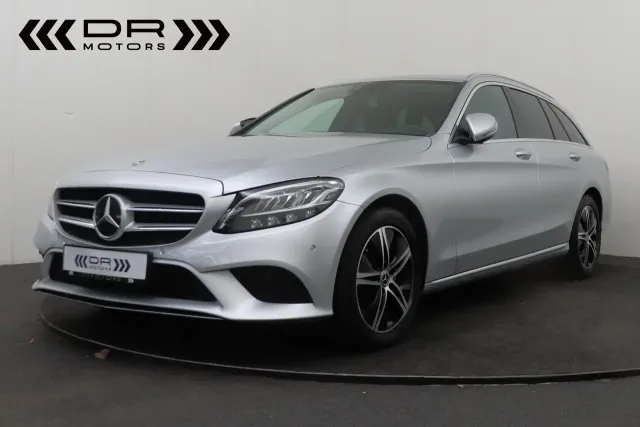
Mercedes-Benz C 180 Camera · CarPlay · LED
DR Motors
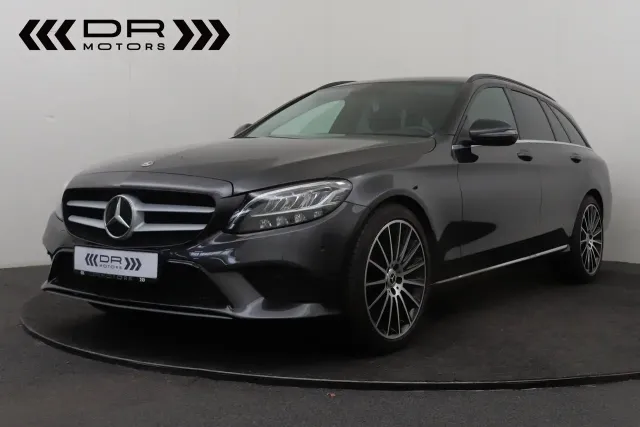
Mercedes-Benz C 180 Camera · CarPlay · LED
DR Motors
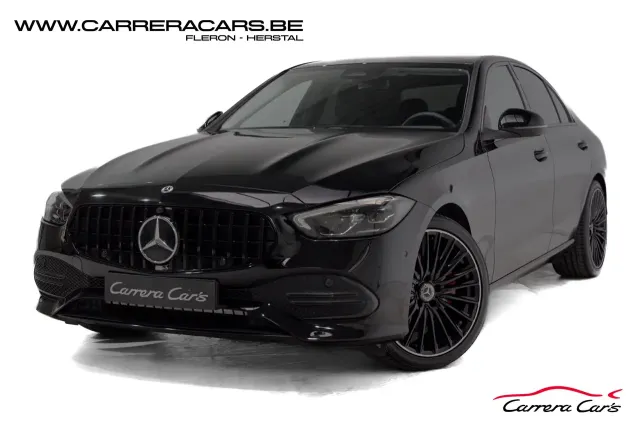
Mercedes-Benz C 200 plug-in hybrid · AMG · 360° camera · CarPlay · Navigati…
 Garage Carrera Cars