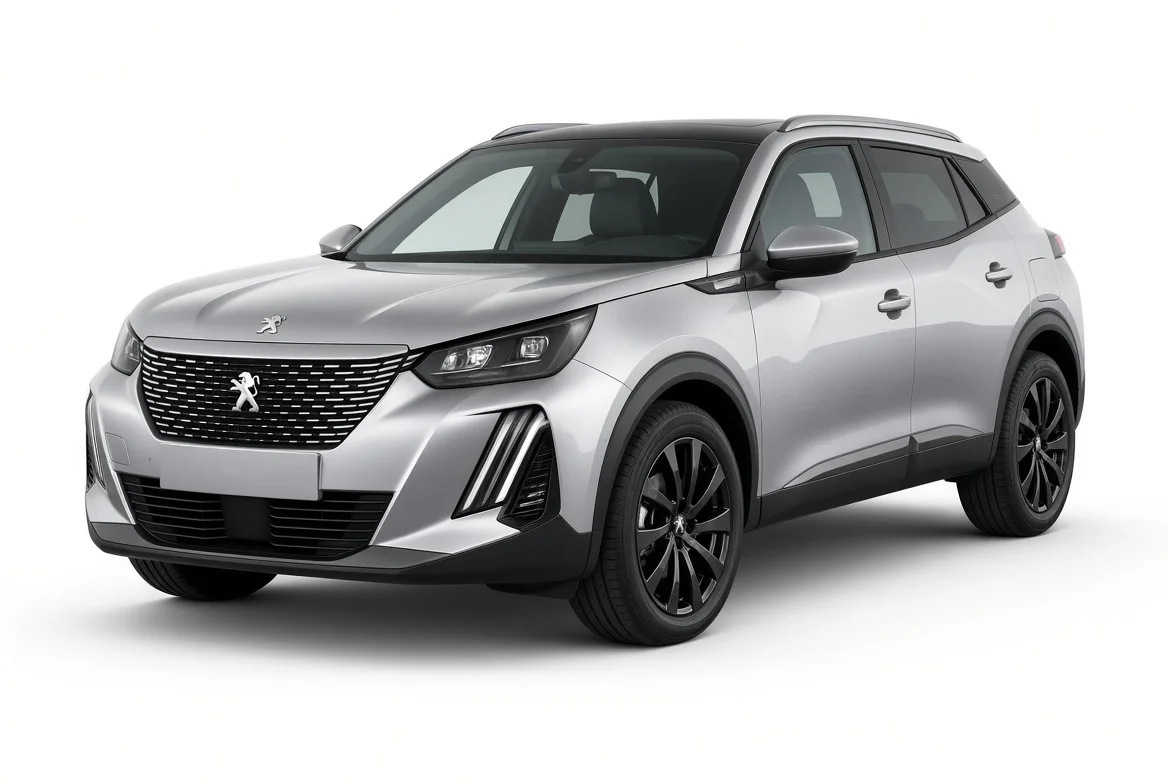
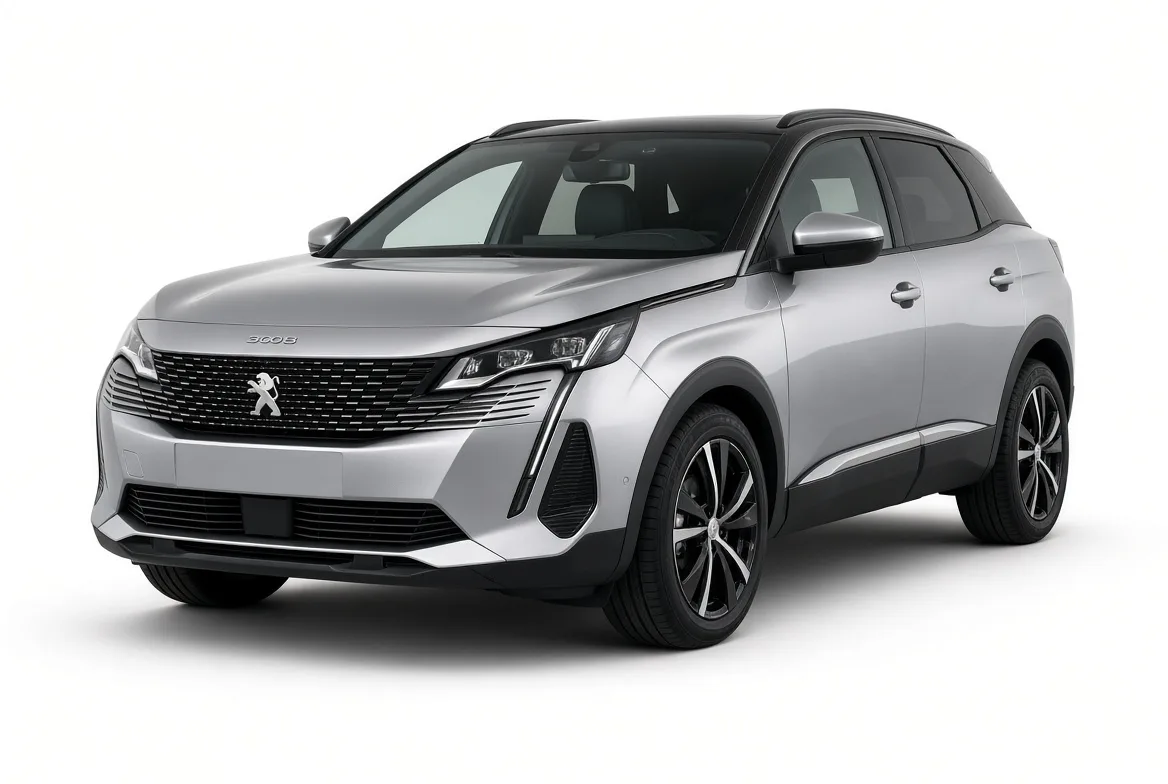
Renault Captur MK1 vs Volkswagen Tiguan CT1
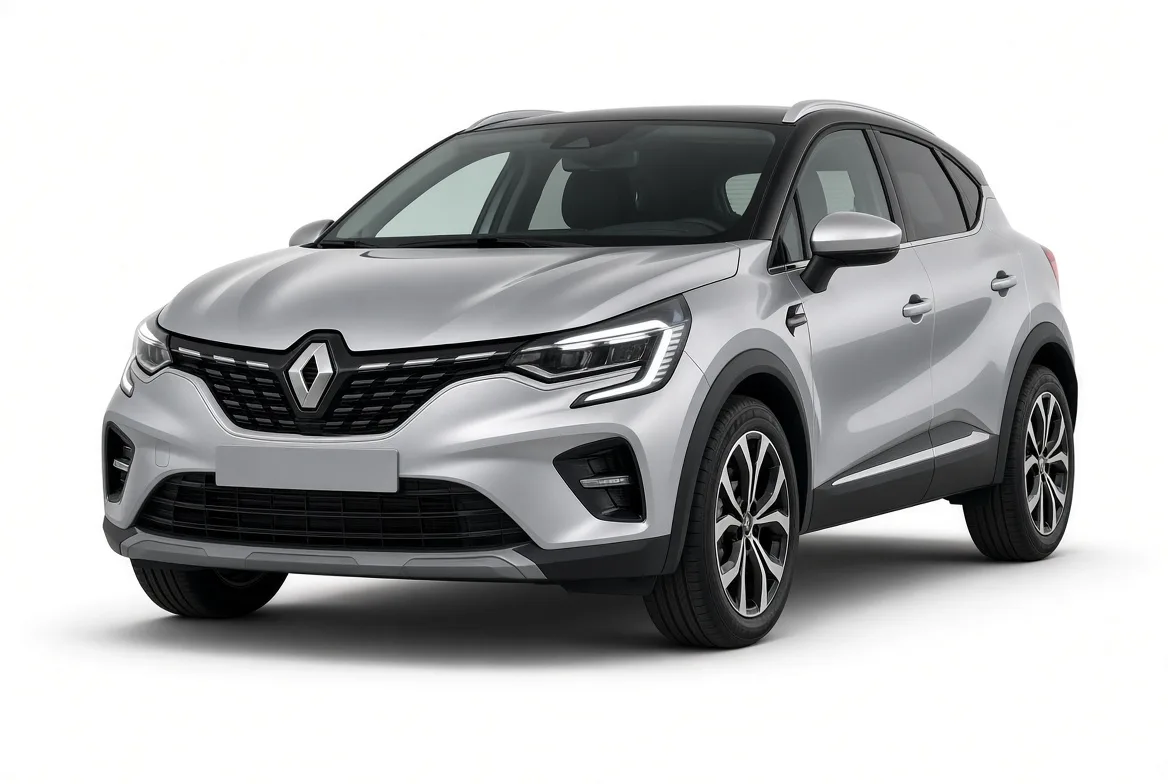
Renault Captur
MK1 · 2013 – 2019
The first Captur (MK1), on a modified B platform.
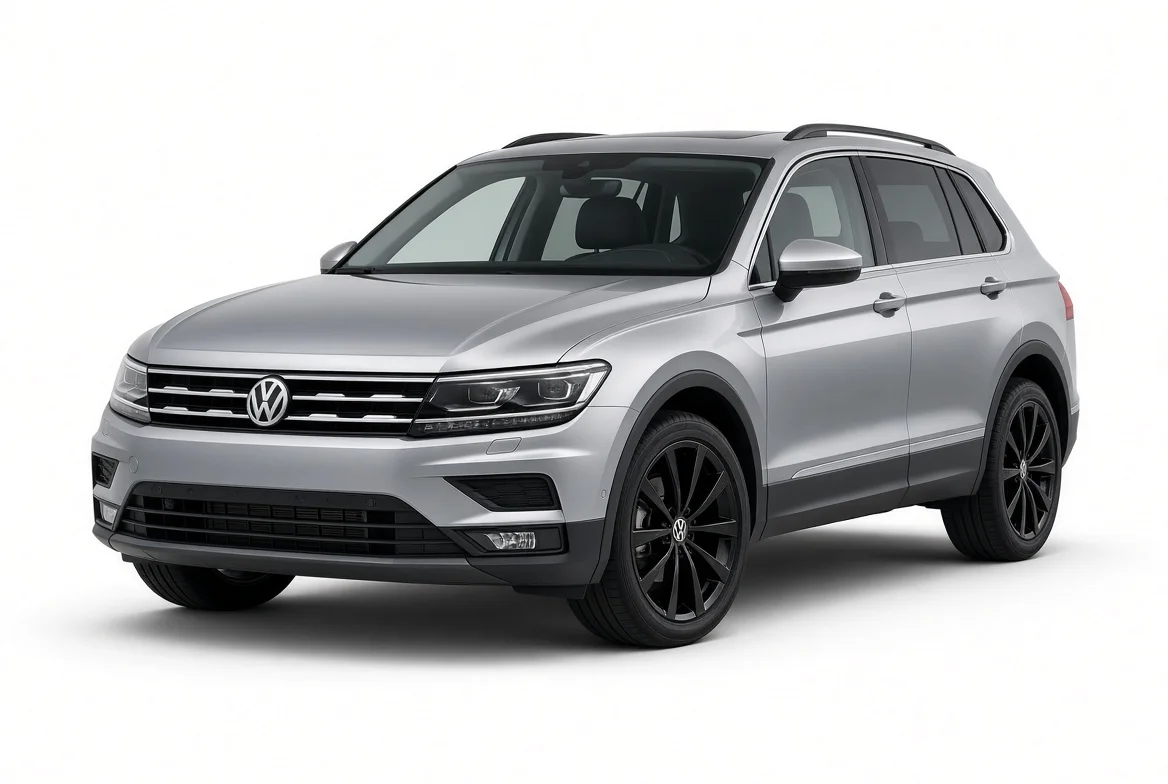
Volkswagen Tiguan
CT1 · 2024 – 2026
The third-generation Tiguan (CT1), on the MQB Evo platform.
Renault Captur
Pick the MK1 for an affordable, flexible early Captur with a clever sliding rear bench.
Volkswagen Tiguan
Pick the Tiguan for a roomy, practical family SUV with strong towing and a wide engine range.
Performance
0.9 TCe 90 · Petrol vs 1.5 eTSI 150 · Petrol
| Renault Captur | Volkswagen Tiguan | |
|---|---|---|
| Power |
90 hp
|
150 hp
Winner
|
| Torque |
135 Nm
|
250 Nm
Winner
|
| 0–100 km/h |
12,7 s
|
9,1 s
Winner
|
| Top speed |
171 km/h
|
210 km/h
Winner
|
| Power-to-weight |
83,3 hp/t
|
101,4 hp/t
Winner
|
| CO₂ emissions (WLTP) |
105 g/km
Winner
|
128 g/km
|
| Consumption (WLTP) |
4,7 L/100km
Winner
|
5,6 L/100km
|
Dimensions & space
| Renault Captur | Volkswagen Tiguan | |
|---|---|---|
| Boot |
377 L
|
652 L
Winner
|
| Boot (seats folded) |
1.235 L
|
1.650 L
Winner
|
| Wheelbase |
2,61 m
|
2,68 m
Winner
|
| Length |
4,12 m
|
4,54 m
|
| Ground clearance |
—
|
19,5 cm
|
| Turning circle |
10,4 m
Winner
|
11,7 m
|
| Towing capacity (braked) |
900 kg
|
2.000 kg
Winner
|
Powertrain & tech
| Renault Captur | Volkswagen Tiguan | |
|---|---|---|
| Platform | B (modified) | MQB Evo (transverse) |
| Drive | Front-wheel drive | Front-wheel drive · All-wheel drive |
| Engine family | 0.9 TCe · 1.2 TCe · 1.3 TCe · 1.5 dCi | EA211 Evo 1.5 eTSI · EA888 2.0 TSI · EA288 Evo 2.0 TDI · eHybrid PHEV |
| Transmission | 5-speed manual | 7-speed DSG |
| Fuel | Petrol | Petrol |
| Euro standard | Euro 6 | Euro 6e |
| LEZ access | Unrestricted access (compliant under current legislation) | Unrestricted access (compliant under current legislation) |
Reliability & watch-outs
Known issues
- 1.2 TCe: timing chain and oil consumption
- EDC: jerky shifts at low speed
- Electrical gremlins and R-Link freezes
- New-generation software (MIB4) may need campaigns
- Higher weight/reinforced suspension on eHybrid
- 4MOTION diesels: AdBlue/DPF on short trips
Pros
- Flexible sliding rear bench
- Affordable and plentiful used
- Efficient 1.5 dCi diesel
- Even bigger boot (652 l) with a flat load floor
- Modern MIB4 infotainment and driver assistance
- eHybrid with ~19.7 kWh battery and low CO2
Cons
- 1.2 TCe carries chain risk
- Boot and rear legroom smaller than MK2
- eHybrid loses boot space (490 l)
- Touch-slider controls take getting used to
Driving experience
Renault Captur
Light and easy to place in town with a reasonably high driving position, helped by light steering that is not especially communicative. Body control is acceptable but the ride is firmer than a conventional supermini, especially on larger wheels. The 0.9 TCe and 1.2 TCe feel responsive for daily use when healthy, while the 1.5 dCi is stronger on the motorway. Manual gearboxes are straightforward; the EDC dual-clutch is smooth at speed but often shows low-speed hesitation or judder. Overall a competent compact crossover of its era rather than a driver's car.
Volkswagen Tiguan
Comfortable, quiet and more car-like than the old Tiguan. The CT1 rides with better body control and noise isolation than the AD1, steers accurately, and feels lighter on its feet despite similar dimensions. Front-drive versions are easy; 4Motion adds traction in poor conditions. The 1.5 eTSI is smooth and efficient with its 48-volt assistance, the 2.0 TDI is the long-distance pick, and the eHybrid covers short trips on electric power. The DSG is smooth; there is no manual. It is a more polished, more digital version of the same formula — comfortable and competent, if still not exciting.
Belgian taxes & LEZ
For sale at dealers
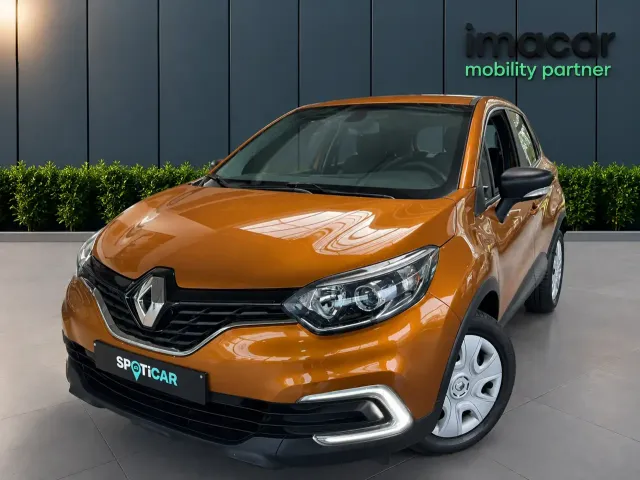
Renault Captur
17 for sale · from € 5.450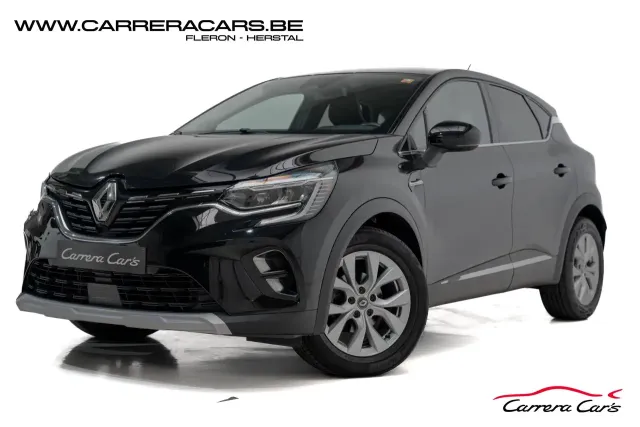
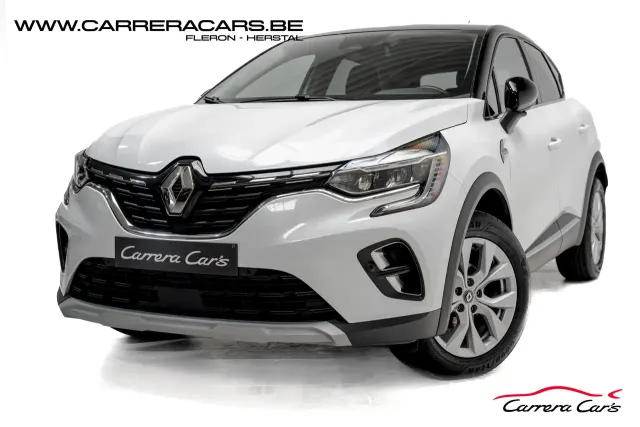
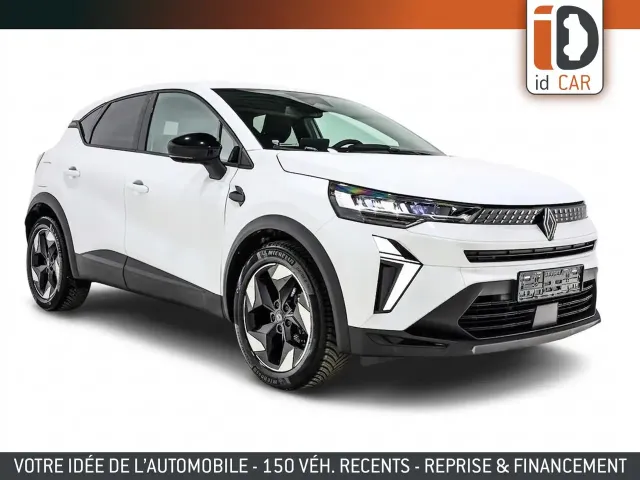


Volkswagen Tiguan
76 for sale · from € 7.950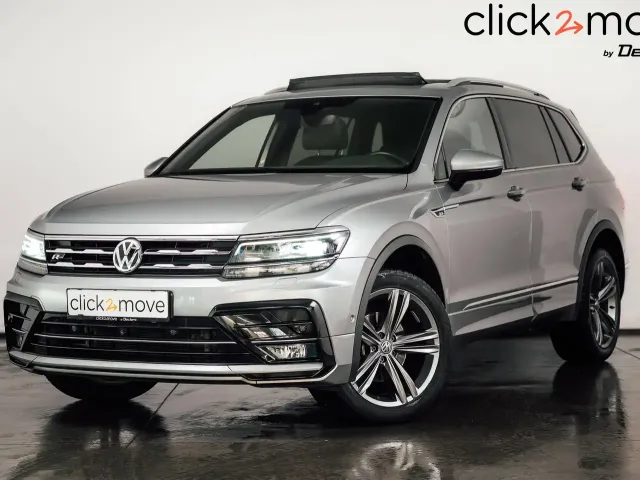
Volkswagen Tiguan Allspace 2.0 TDI · R-Line · Panoramic roof · Camera · CarPlay
 click2move by Declerc
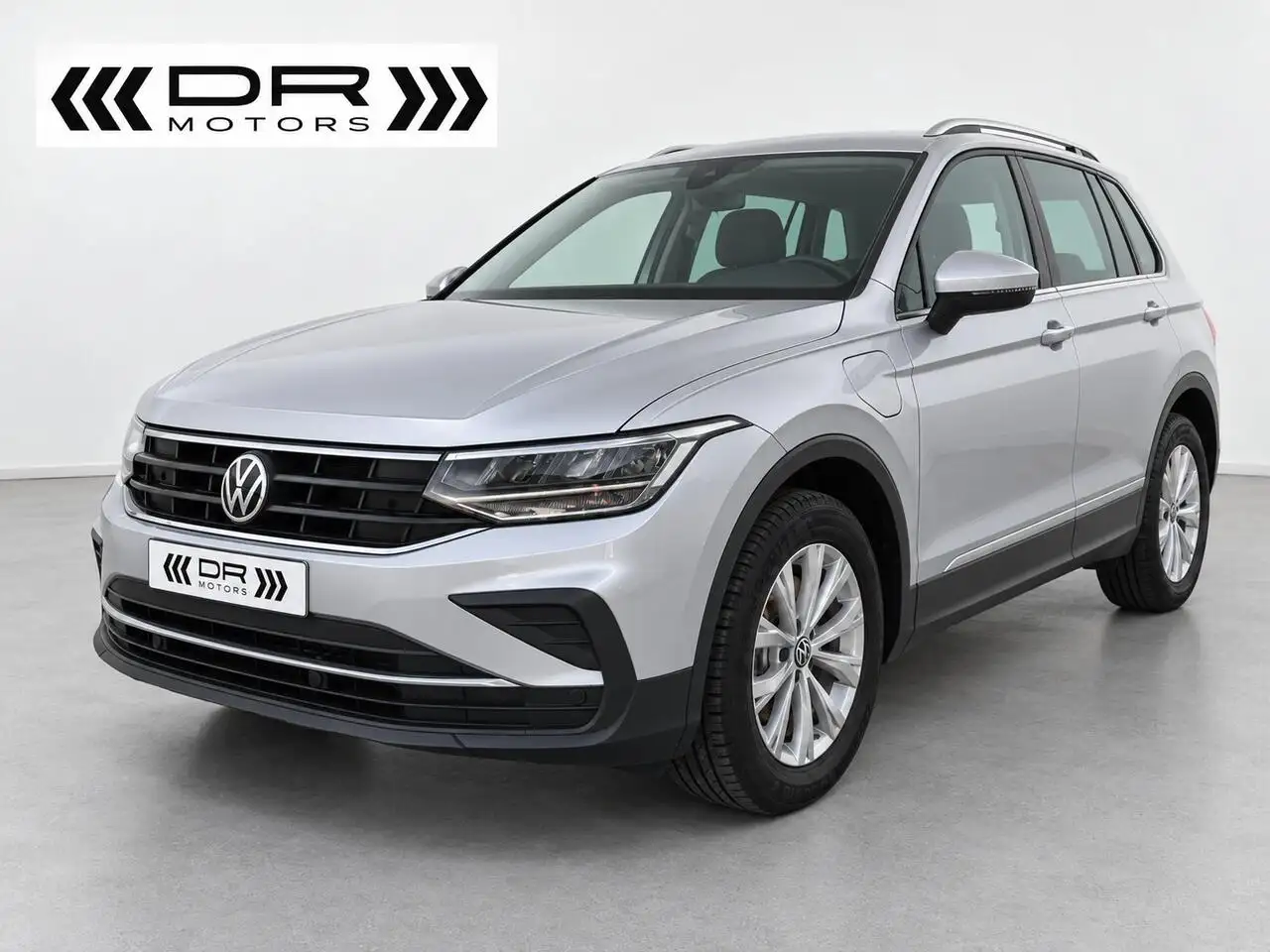
Volkswagen Tiguan Camera · CarPlay · LED
 DR Motors
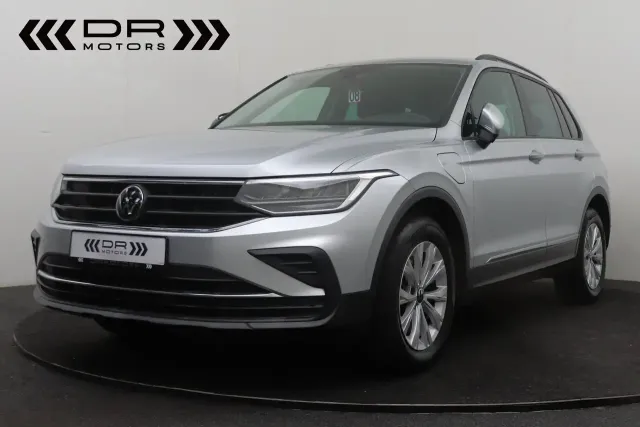
Volkswagen Tiguan Camera · CarPlay · LED
DR Motors
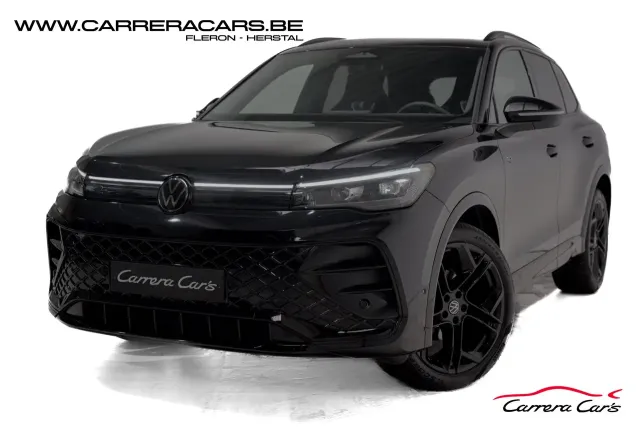
Volkswagen Tiguan DSG · plug-in hybrid · R-Line · 360° camera · CarPlay ·…
 Garage Carrera Cars