BMW iX3 G08 vs Renault Captur MK1
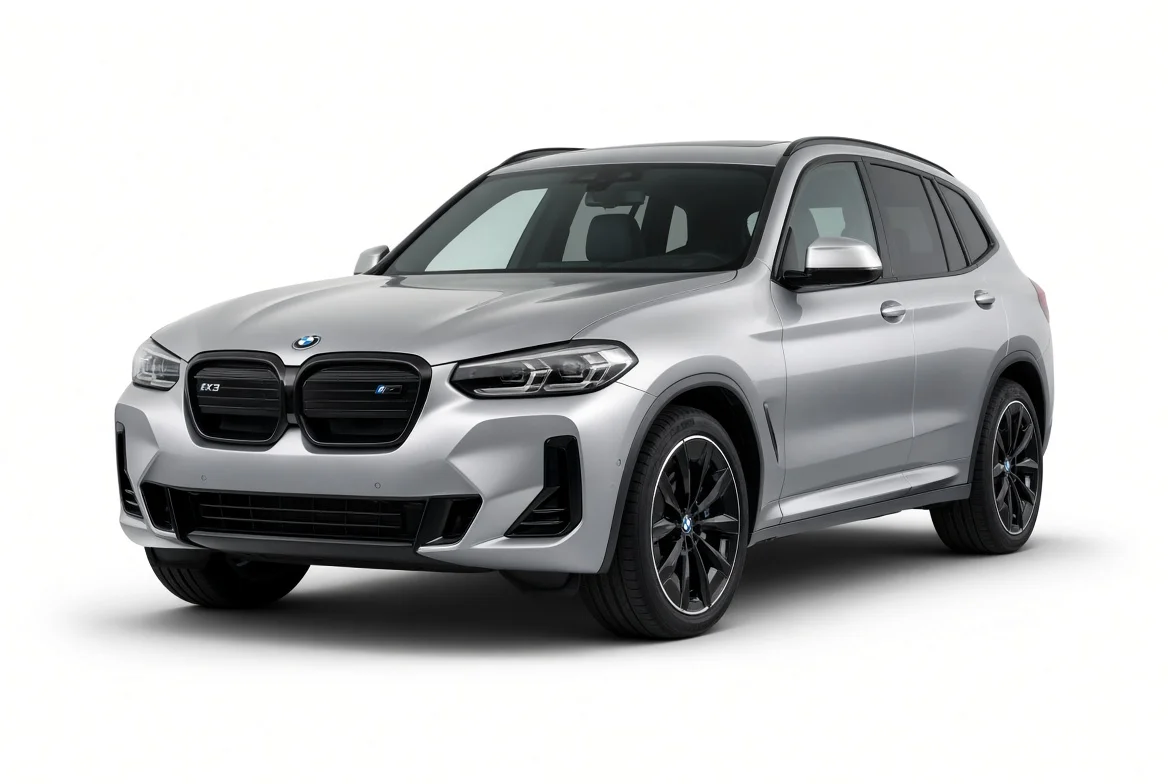
BMW iX3
G08 · 2020 – 2026
The first-generation iX3 (G08), BMW’s electric mid-size SUV on the X3’s CLAR platform.
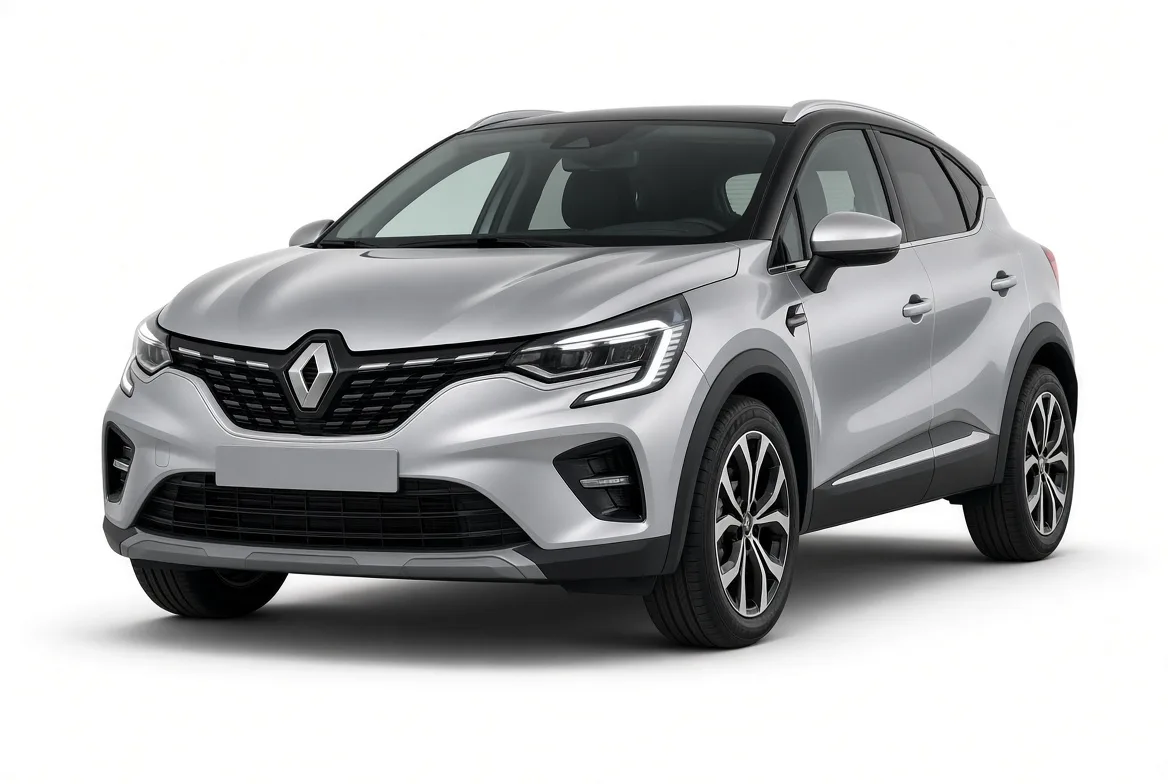
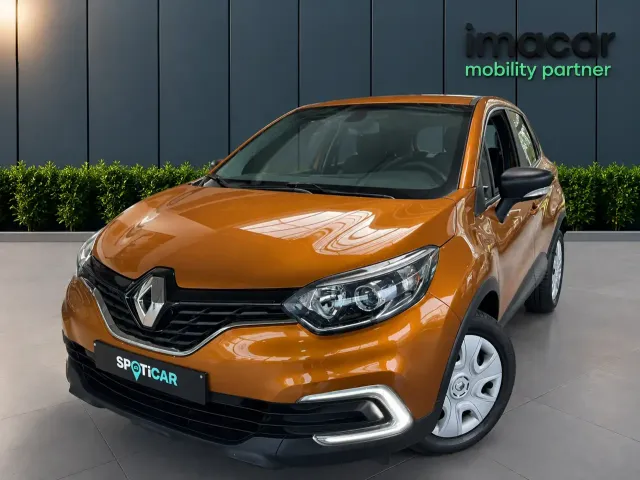
Renault Captur
MK1 · 2013 – 2019
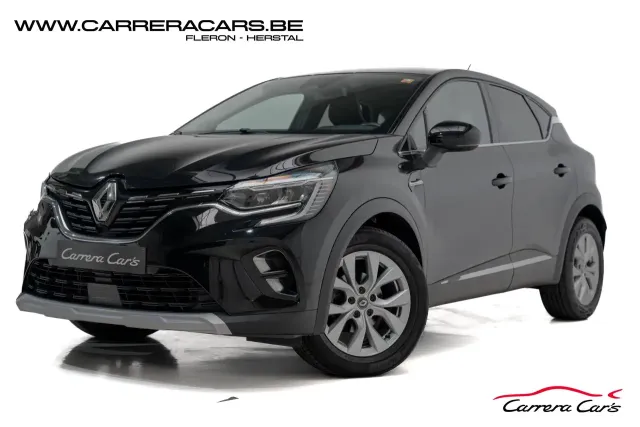
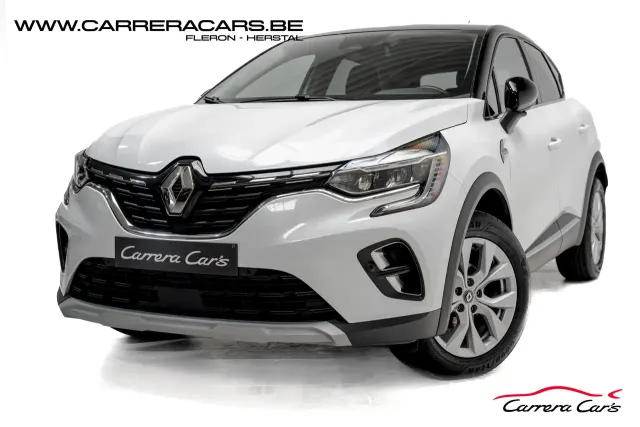
The first Captur (MK1), on a modified B platform.
BMW iX3
Pick the G08 for the electric X3 with a single rear motor, ~74 kWh usable battery and up to ~500 km WLTP range.
Renault Captur
Pick the MK1 for an affordable, flexible early Captur with a clever sliding rear bench.
Performance
iX3 · Electric vs 0.9 TCe 90 · Petrol
| BMW iX3 | Renault Captur | |
|---|---|---|
| Power |
286 hp
Winner
|
90 hp
|
| Torque |
400 Nm
Winner
|
135 Nm
|
| 0–100 km/h |
6,8 s
Winner
|
12,7 s
|
| Top speed |
180 km/h
Winner
|
171 km/h
|
| Power-to-weight |
131,2 hp/t
Winner
|
83,3 hp/t
|
| CO₂ emissions (WLTP) |
0 g/km
Winner
|
105 g/km
|
| Consumption (WLTP) |
—
|
4,7 L/100km
|
Dimensions & space
| BMW iX3 | Renault Captur | |
|---|---|---|
| Boot |
510 L
Winner
|
377 L
|
| Boot (seats folded) |
1.560 L
Winner
|
1.235 L
|
| Wheelbase |
2,86 m
Winner
|
2,61 m
|
| Length |
4,73 m
|
4,12 m
|
| Ground clearance |
17,9 cm
|
—
|
| Turning circle |
12,1 m
|
10,4 m
Winner
|
| Towing capacity (braked) |
2.000 kg
Winner
|
900 kg
|
Powertrain & tech
| BMW iX3 | Renault Captur | |
|---|---|---|
| Platform | CLAR (electric) | B (modified) |
| Drive | Rear-wheel drive | Front-wheel drive |
| Engine family | Single rear-axle electric motor (PSM, fifth-generation eDrive) | 0.9 TCe · 1.2 TCe · 1.3 TCe · 1.5 dCi |
| Transmission | Single-speed automatic | 5-speed manual |
| Fuel | Electric | Petrol |
| Euro standard | N/A (electric) | Euro 6 |
| LEZ access | Unrestricted access (compliant under current legislation) | Unrestricted access (compliant under current legislation) |
Reliability & watch-outs
Known issues
- 12V battery issues (occasional reports)
- Parking-sensor/camera faults and interior rattles
- Higher tyre wear due to weight and torque
- 1.2 TCe: timing chain and oil consumption
- EDC: jerky shifts at low speed
- Electrical gremlins and R-Link freezes
Pros
- Facelift (2021) brought better efficiency and range
- ~74 kWh net battery with 471–505 km WLTP (post-facelift)
- DC fast charging up to 150 kW (10–80% in ~32–34 min)
- Flexible sliding rear bench
- Affordable and plentiful used
- Efficient 1.5 dCi diesel
Cons
- Rear-wheel drive only, no xDrive
- No frunk, despite the EV concept
- 1.2 TCe carries chain risk
- Boot and rear legroom smaller than MK2
Driving experience
BMW iX3
The iX3 is refined and composed rather than playful. Steering is accurate and reasonably weighted, body control is good, and the car feels stable and secure at speed. Ride quality is firm but generally well-controlled — better than many early EVs on adaptive suspension, though larger wheels and the M Sport suspension make it busier over poor surfaces. Instant torque makes it quick off the line, and the single-motor rear-drive layout gives balanced, predictable handling without the artificial feel of some dual-motor systems. Cabin noise is low; wind and tyre roar are the main sounds at motorway speeds. Regenerative braking is strong and well-calibrated (one-pedal driving is possible). Overall it drives like a polished, slightly firmer X3 with electric silence and response — competent and relaxing rather than involving.
Renault Captur
Light and easy to place in town with a reasonably high driving position, helped by light steering that is not especially communicative. Body control is acceptable but the ride is firmer than a conventional supermini, especially on larger wheels. The 0.9 TCe and 1.2 TCe feel responsive for daily use when healthy, while the 1.5 dCi is stronger on the motorway. Manual gearboxes are straightforward; the EDC dual-clutch is smooth at speed but often shows low-speed hesitation or judder. Overall a competent compact crossover of its era rather than a driver's car.
Belgian taxes & LEZ
For sale at dealers
BMW iX3
10 for sale · from € 31.995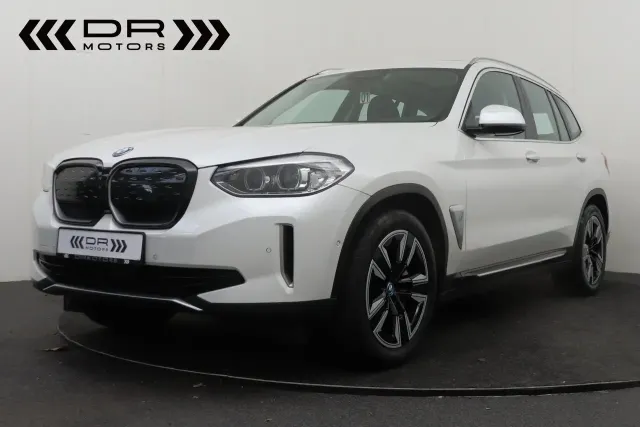
BMW iX3 electric · Panoramic roof · Camera · CarPlay · 80kwh
 DR Motors
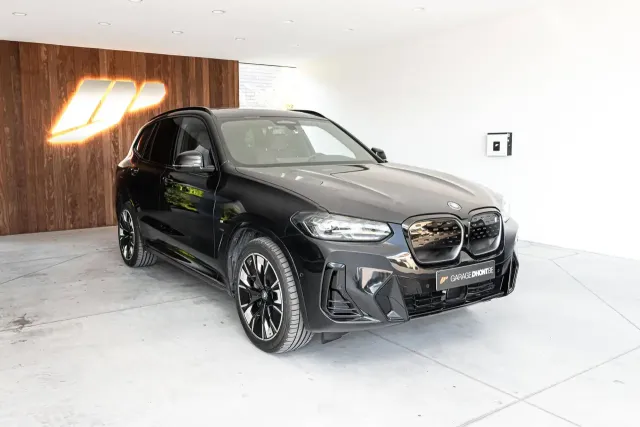
BMW iX3 electric · Panoramic roof · 360° camera · CarPlay
 Garage D'hont
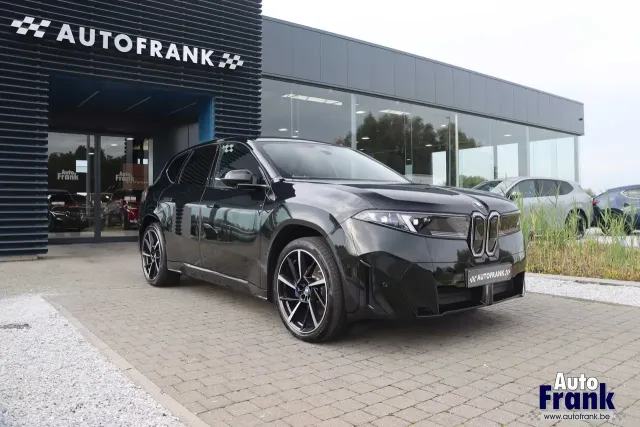
BMW iX3 electric · M-Sport · 360° camera · CarPlay · LED
 Auto Frank BV
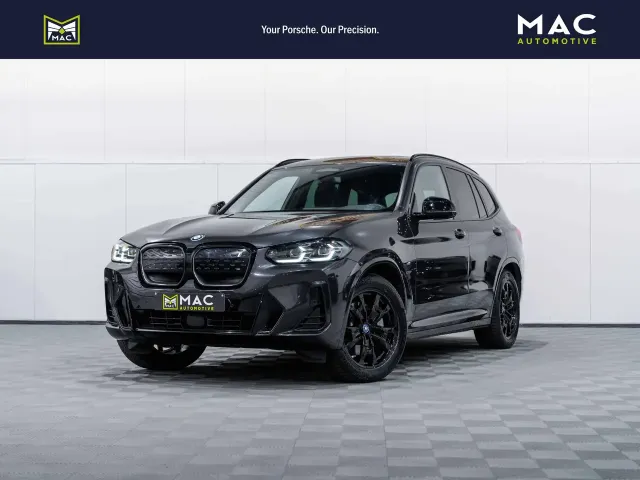
BMW iX3 electric · M-Sport · Panoramic roof · Camera · CarPlay …
 MAC-AUTOMOTIVE