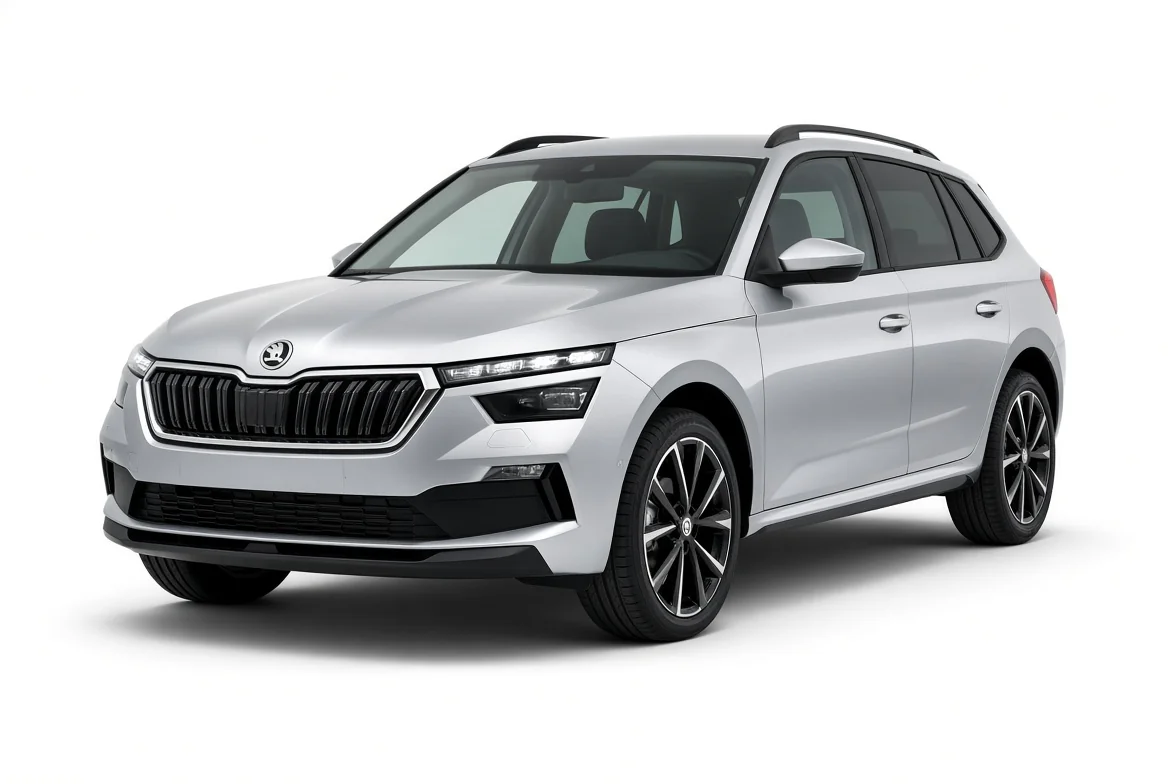
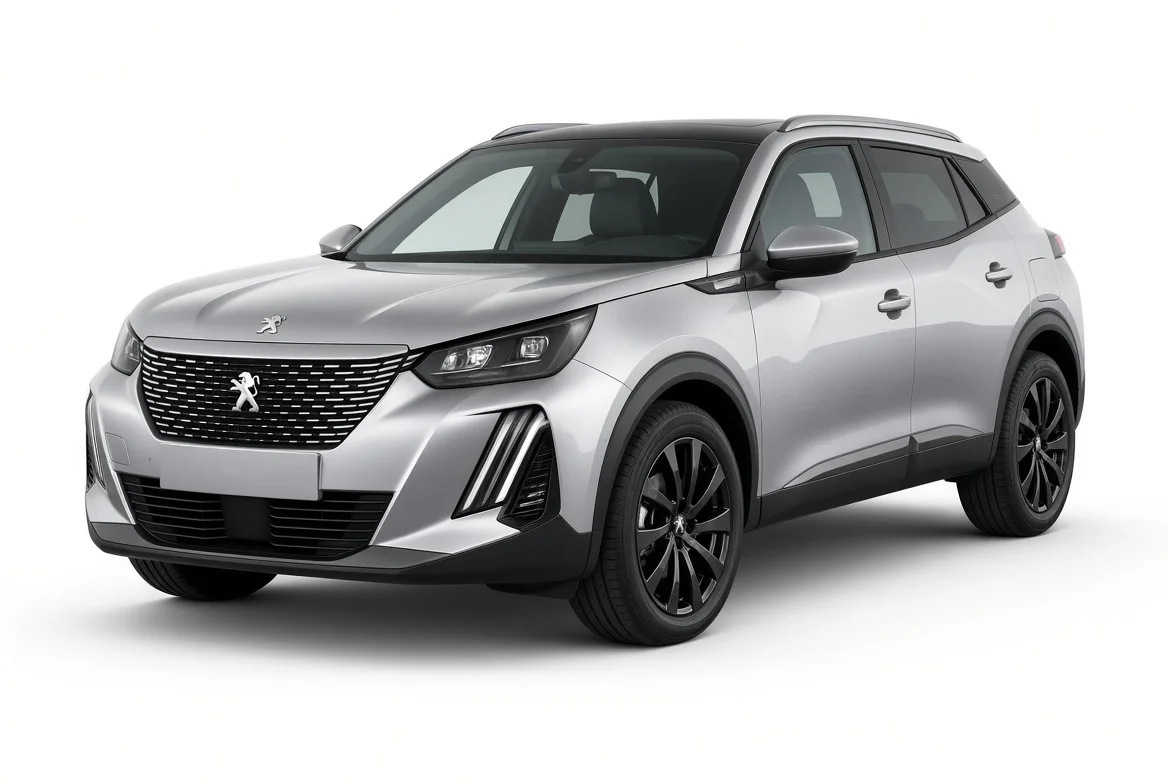
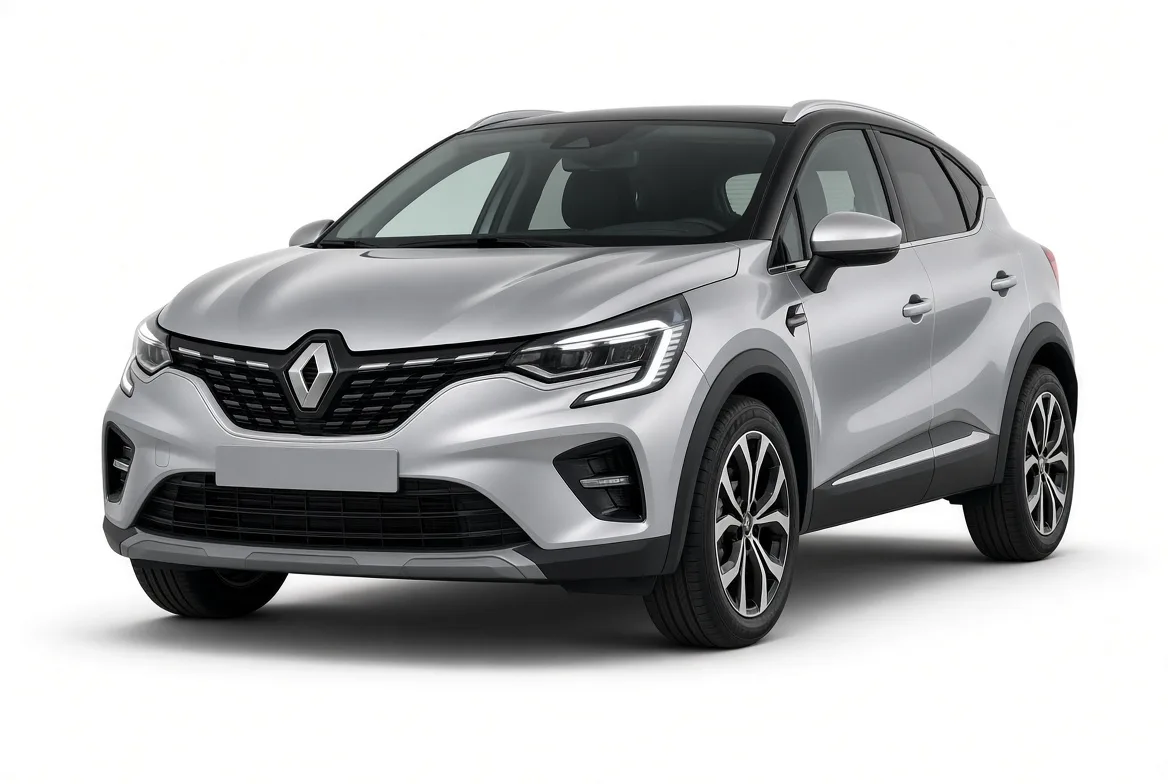
BMW iX1 U11 vs Volkswagen T-Cross C11
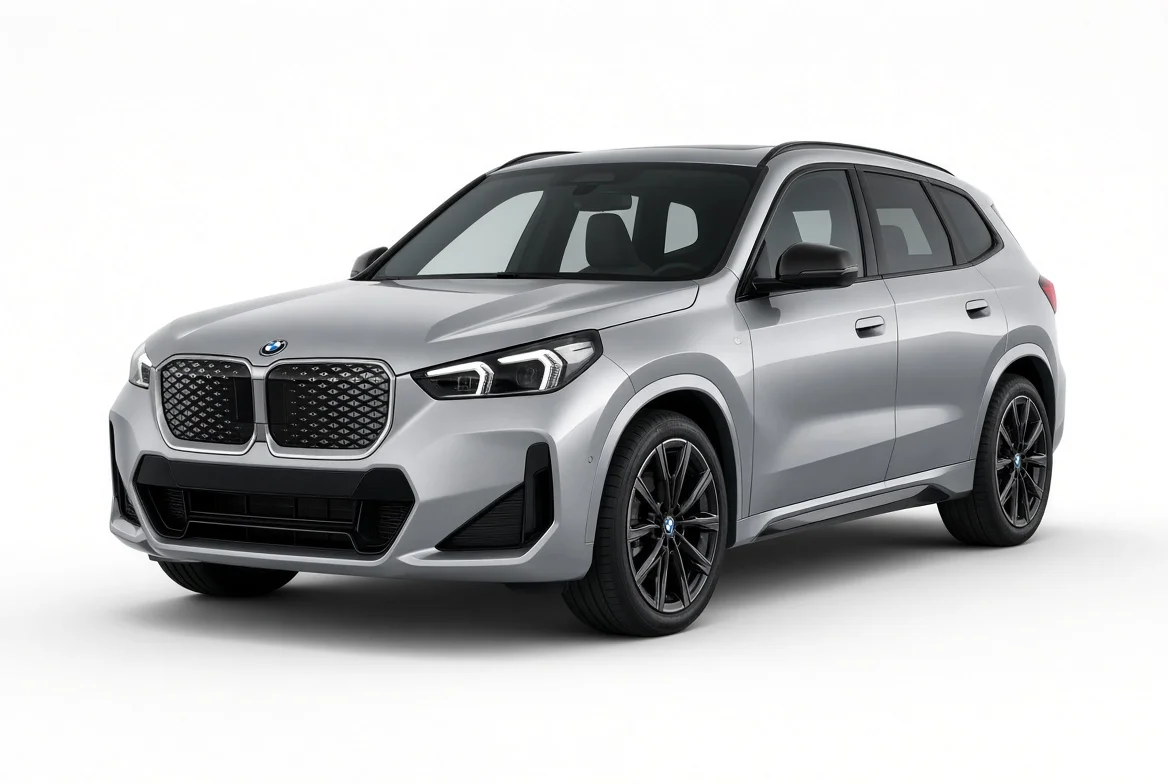
BMW iX1
U11 · 2022 – 2026
The first-generation iX1 (U11), BMW’s fully electric compact SUV on the FAAR platform.
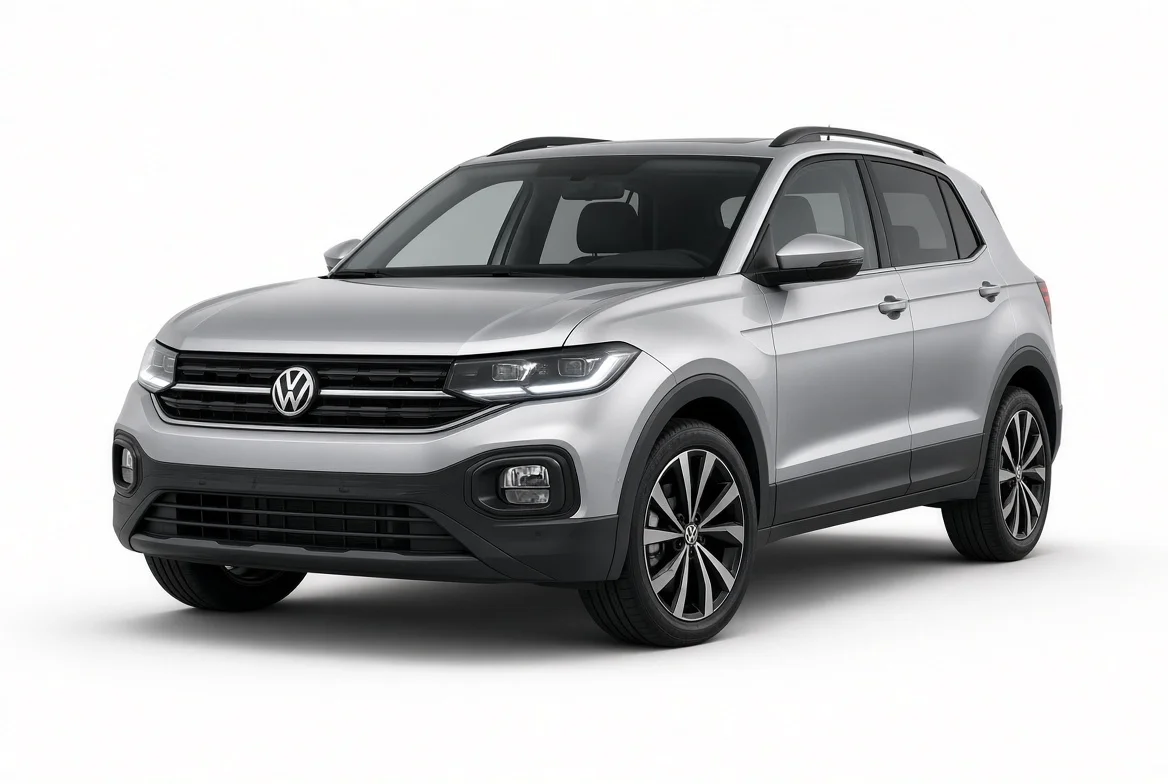
Volkswagen T-Cross
C11 · 2019 – 2026
The first-generation T-Cross (C11), on the MQB A0 platform.
BMW iX1
Pick the U11 for BMW’s smallest electric SUV with a usable 490-litre boot and the punchy dual-motor xDrive30.
Volkswagen T-Cross
Pick the T-Cross for an agile urban SUV with a high seat, clever interior packaging and low running costs.
Performance
xDrive30 · Electric vs 1.0 TSI 115 · Petrol
| BMW iX1 | Volkswagen T-Cross | |
|---|---|---|
| Power |
313 hp
Winner
|
115 hp
|
| Torque |
494 Nm
Winner
|
200 Nm
|
| 0–100 km/h |
5,6 s
Winner
|
10,0 s
|
| Top speed |
180 km/h
|
193 km/h
Winner
|
| Power-to-weight |
150,1 hp/t
Winner
|
96,6 hp/t
|
| CO₂ emissions (WLTP) |
0 g/km
Winner
|
120 g/km
|
| Consumption (WLTP) |
—
|
5,3 L/100km
|
Dimensions & space
| BMW iX1 | Volkswagen T-Cross | |
|---|---|---|
| Boot |
490 L
Winner
|
455 L
|
| Boot (seats folded) |
1.495 L
Winner
|
1.281 L
|
| Wheelbase |
2,69 m
Winner
|
2,55 m
|
| Length |
4,50 m
|
4,14 m
|
| Ground clearance |
17,0 cm
|
16,0 cm
|
| Turning circle |
11,9 m
|
10,6 m
Winner
|
| Towing capacity (braked) |
1.200 kg
Winner
|
1.100 kg
|
Powertrain & tech
| BMW iX1 | Volkswagen T-Cross | |
|---|---|---|
| Platform | FAAR (electric) | MQB A0 (transverse) |
| Drive | Front-wheel drive · All-wheel drive | Front-wheel drive |
| Engine family | Single front motor (eDrive20) · dual front + rear motors (xDrive30) | EA211 1.0/1.5 TSI · EA288 1.6 TDI |
| Transmission | Single-speed automatic | 6-speed manual · 7-speed DSG |
| Fuel | Electric | Petrol |
| Euro standard | N/A (electric) | Euro 6d |
| LEZ access | Unrestricted access (compliant under current legislation) | Unrestricted access (compliant under current legislation) |
Reliability & watch-outs
Known issues
- OS8/OS9 software: connectivity and CarPlay glitches (mostly fixed via update)
- IBS recall (2022–2024): brake assist/ABS — verify via VIN
- 12V battery can drain when parked or with frequent app use
- DQ200 DSG shift quality (dry clutch)
- Timing belt + water pump (EA211)
- Infotainment glitches on early cars
Pros
- Fifth-generation eDrive motors are notably efficient
- Large usable battery (~65 kWh) with 430–514 km WLTP range
- xDrive30 delivers 313 hp with all-wheel drive
- Sliding rear bench (385–455 l boot)
- High seating position and good visibility
- Facelift (2024+) brought LED lighting and a nicer cabin
Cons
- DC fast charging peaks around 130 kW — slower than some rivals
- Regenerative braking takes getting used to in Efficient mode
- Rear bench tight for three adults
- Pre-facelift interior plainer
Driving experience
BMW iX1
Quiet, refined and responsive in typical EV fashion. Instant torque makes it feel brisk in traffic. Steering is accurate and reasonably weighted for a crossover; body control is good and the car feels planted. The xDrive30 (dual motor) is notably quicker and more secure in poor conditions; the eDrive20 (front-drive) is lighter and more efficient. Regenerative braking is strong in Efficient mode and takes some getting used to. Adaptive suspension (where fitted) helps, but the car can feel firm on poor Belgian roads, especially with larger wheels. Overall a capable, composed electric crossover rather than a pure driver’s car.
Volkswagen T-Cross
Light, easy and built for town driving. The T-Cross steers quickly and lightly, rides acceptably, and is easy to park and place in traffic. It is front-wheel drive only, which suits its city role. The 1.0 TSI is the sensible choice — smooth and economical — the 1.5 TSI adds useful pace, and the DSG is smooth once moving. Body control is fine for a small crossover. It prioritises space, visibility and ease of use over any driving involvement.
Belgian taxes & LEZ
For sale at dealers
BMW iX1
13 for sale · from € 34.390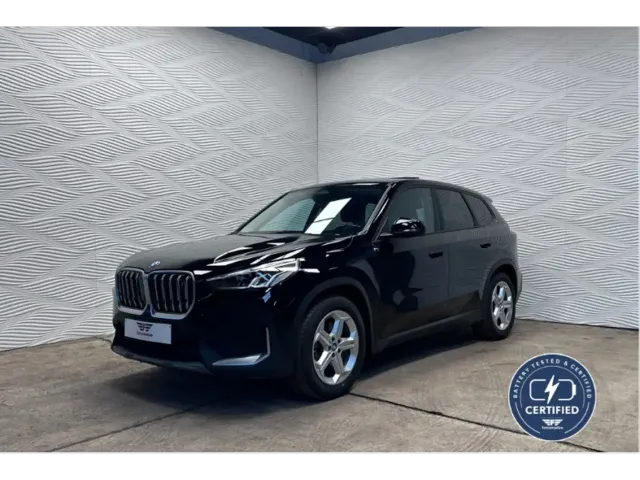
BMW iX1 xDrive30 · electric · Panoramic roof · Camera · CarPlay…
 Falcomotive
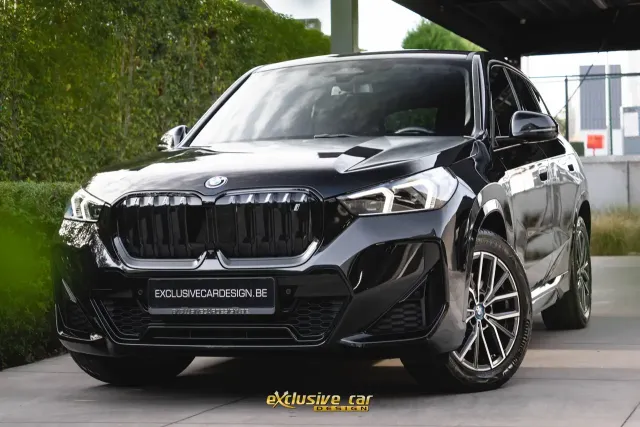
BMW iX1 xDrive30 · electric · M-Sport · 360° camera · CarPlay ·…
 Exclusive Car Design BV
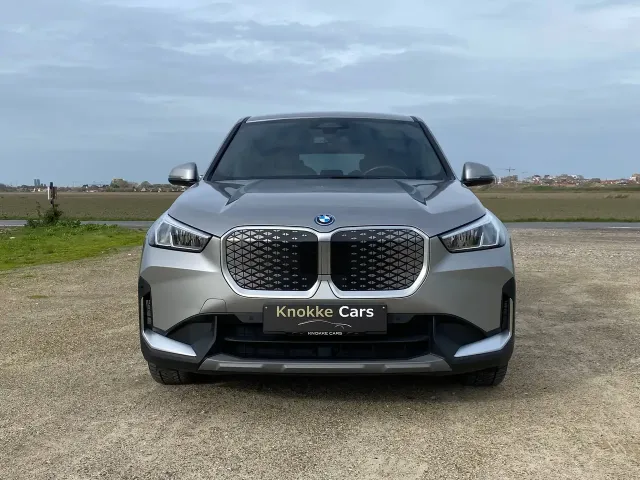
BMW iX1 electric · Camera · CarPlay · LED
 Knokke Cars bv
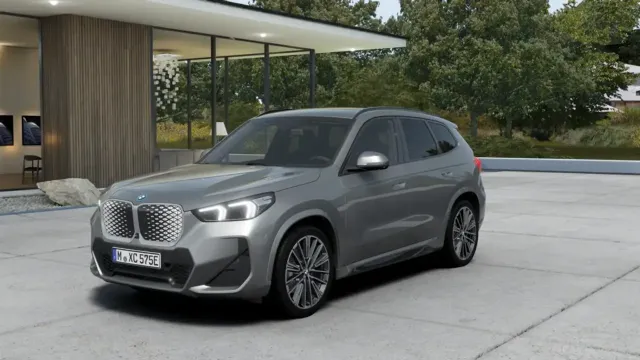
BMW iX1 eDrive20 · electric · M-Sport · Camera · CarPlay · LED …
 EV Blue Automobile
Volkswagen T-Cross
28 for sale · from € 11.950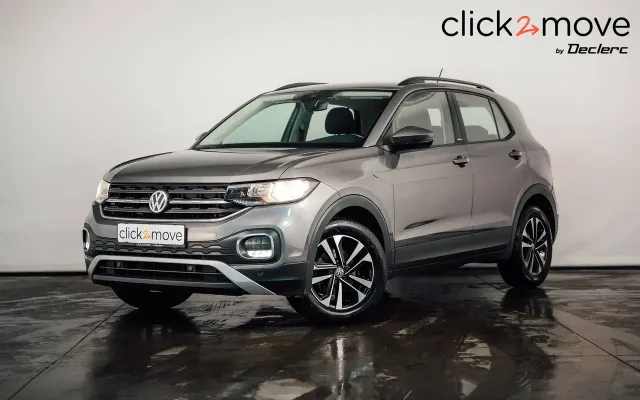
Volkswagen T-Cross 1.0 TSI · CarPlay · Leather · Sport seats
 click2move by Declerc
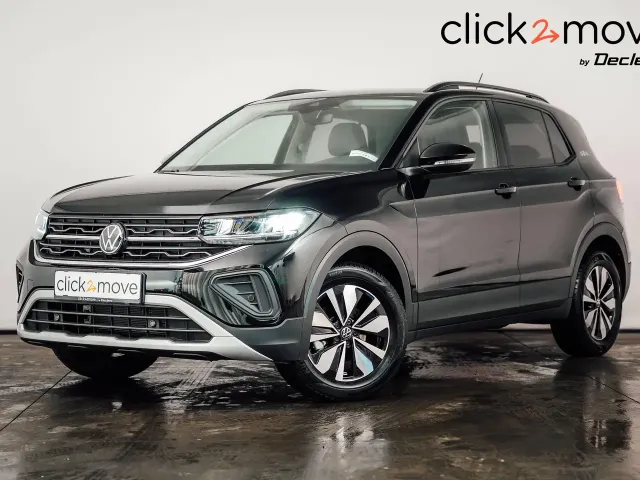
Volkswagen T-Cross 1.0 TSI · CarPlay · LED · Adaptive cruise control
click2move by Declerc
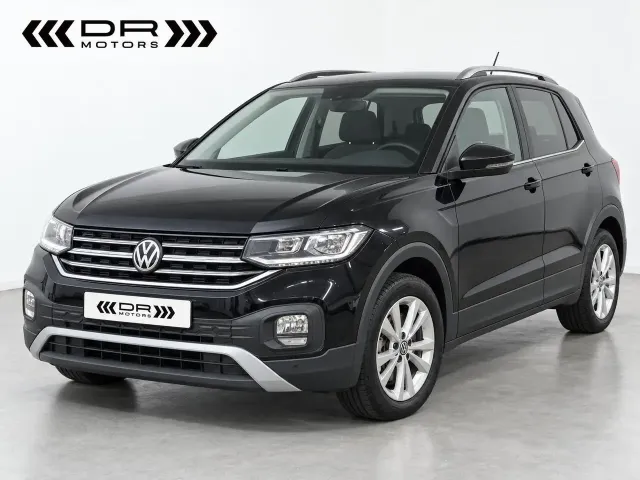
Volkswagen T-Cross 1.0 TSI · Camera · CarPlay · Leather
 DR Motors
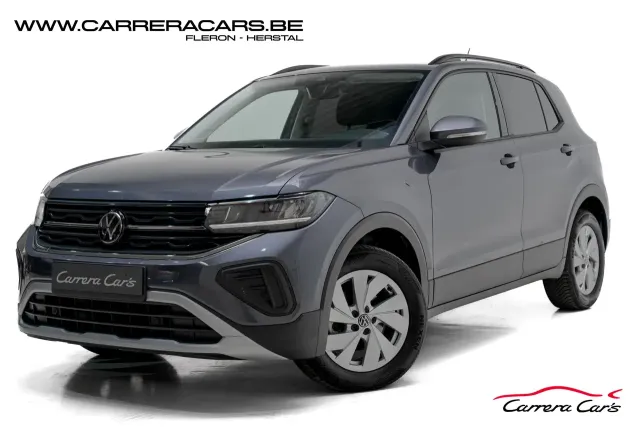
Volkswagen T-Cross 1.0 TSI · 360° camera · CarPlay · Navigation
 Garage Carrera Cars