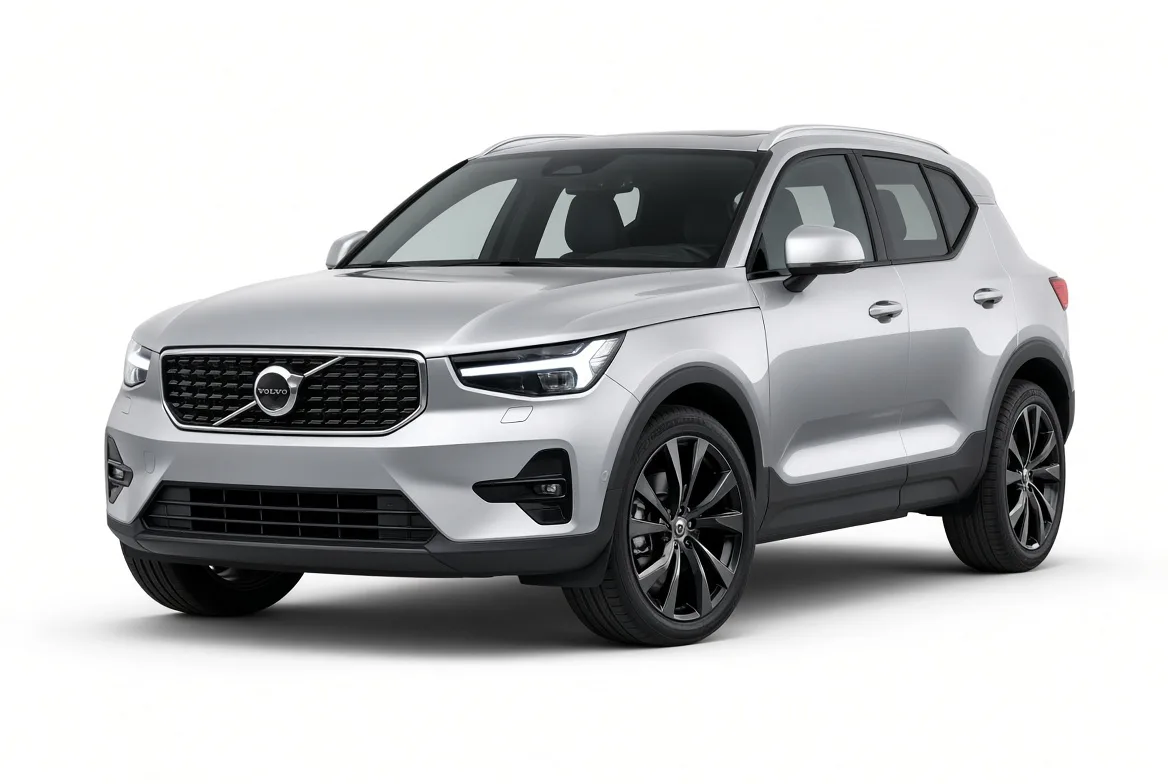
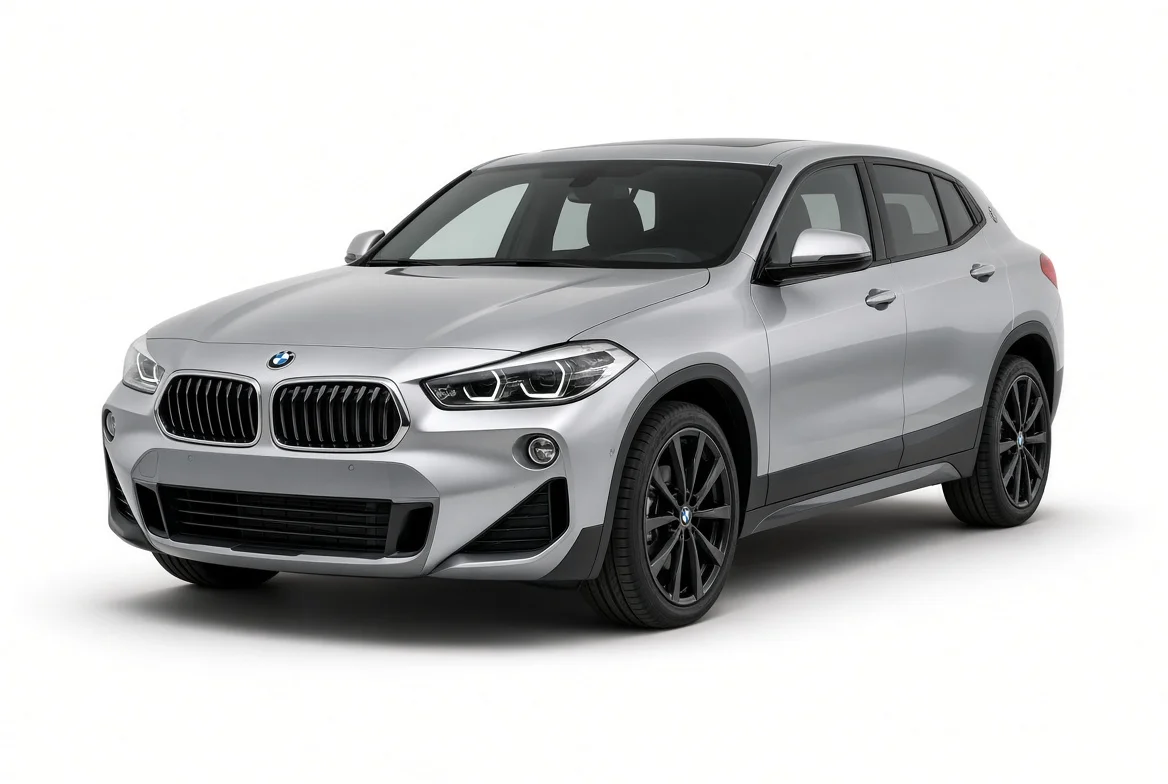
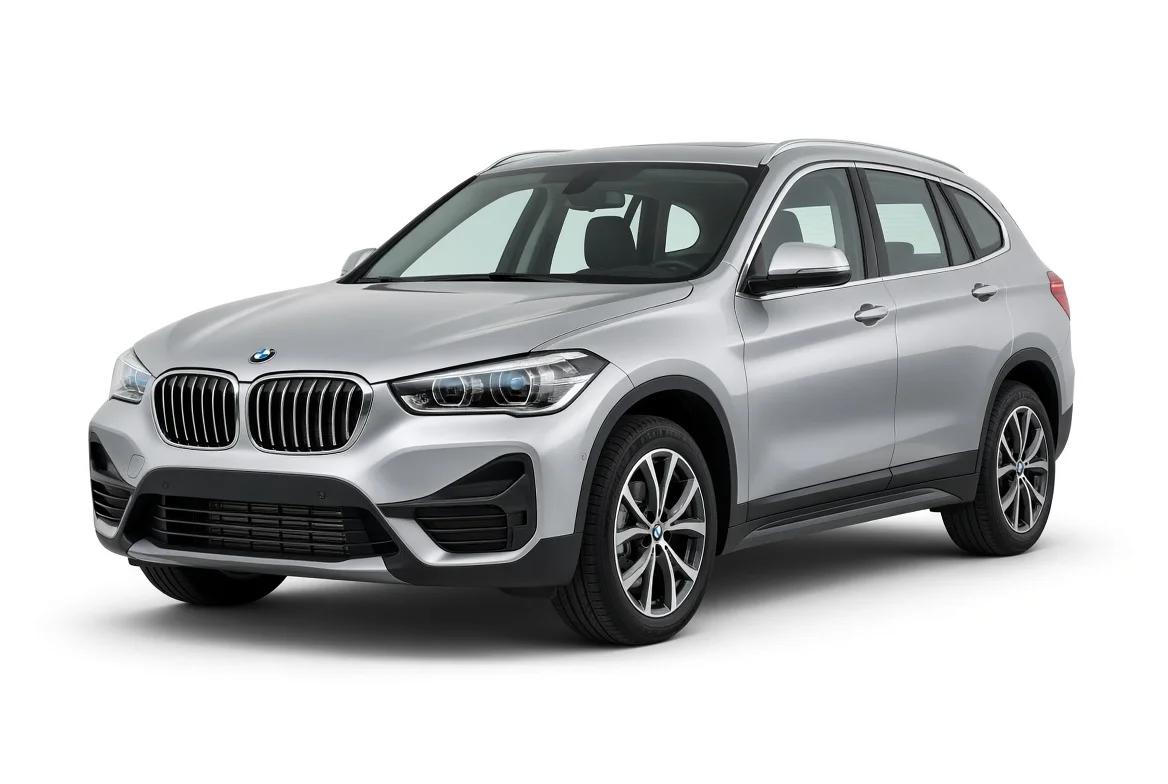
Audi e-tron GE vs Audi Q3 F3
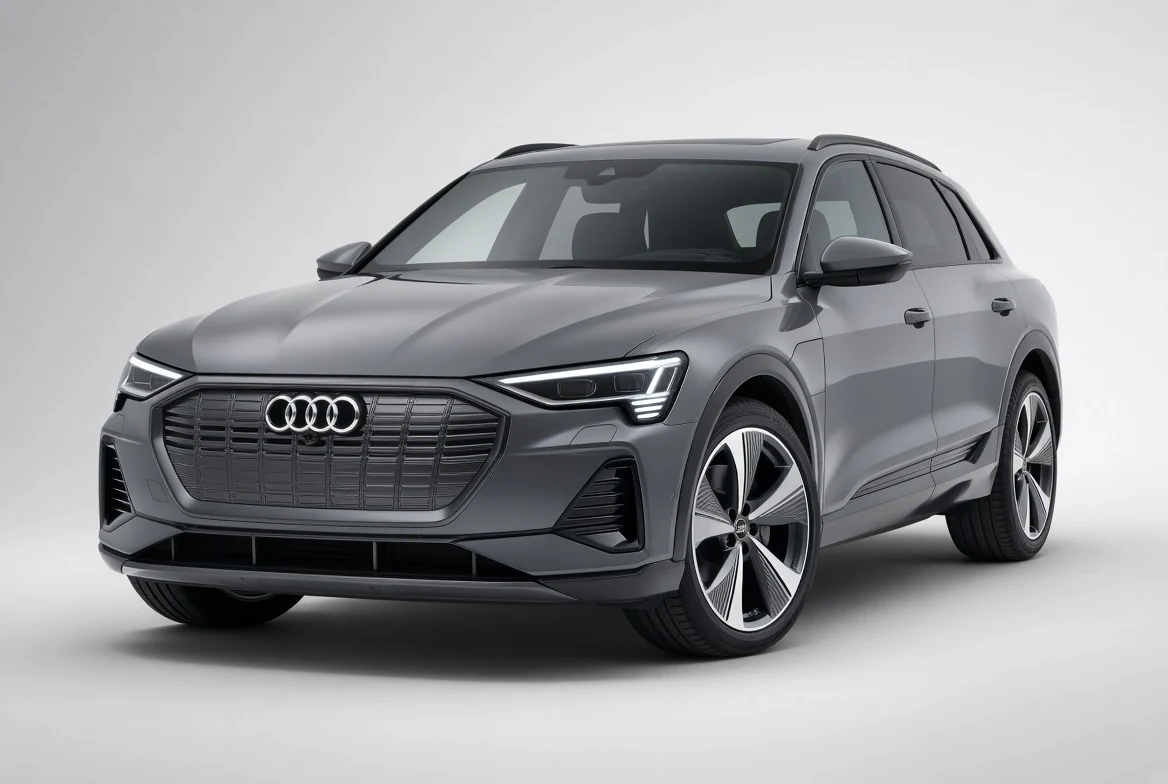
Audi e-tron
GE · 2018 – 2025
The first-generation e-tron (GE), Audi’s first all-electric SUV.
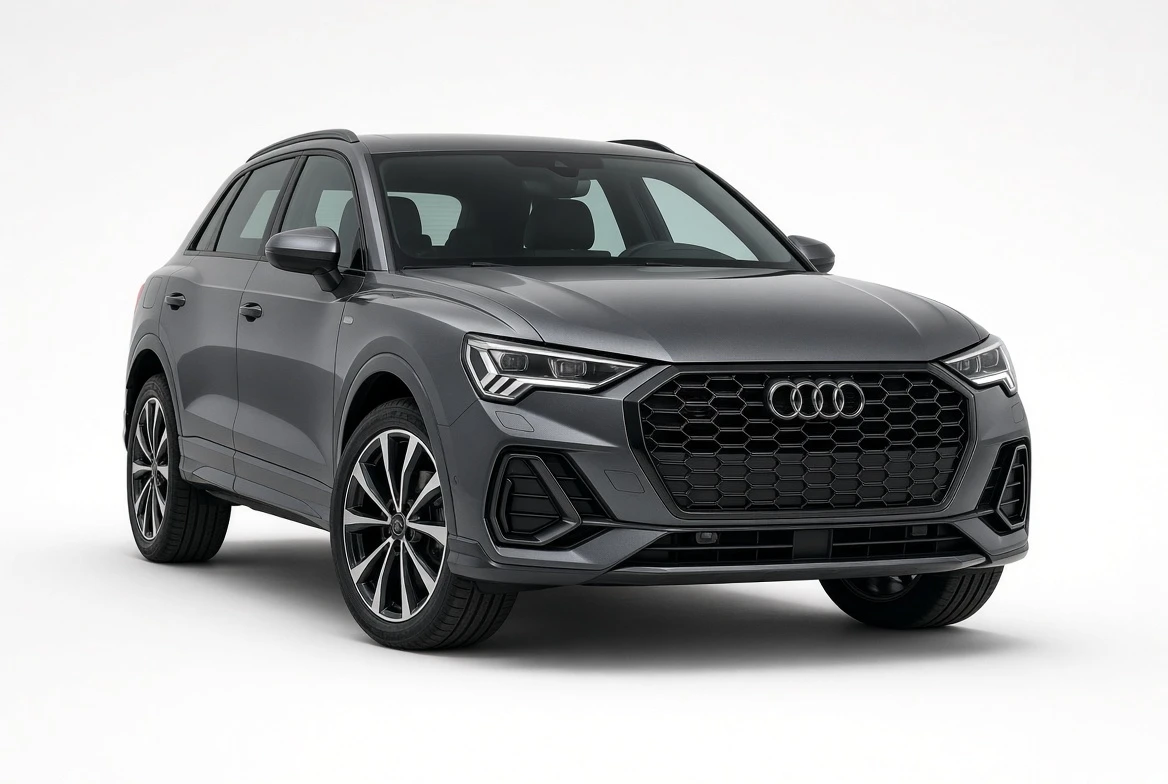
Audi Q3
F3 · 2018 – 2025
The second-generation Q3 (F3), on the MQB A2 platform.
Audi e-tron
Pick the GE for the 55 quattro’s 408 hp and 150 kW DC charging — ideally a post-2019 car with the coolant recall done.
Audi Q3
Pick the F3 for the 45 TFSI e plug-in hybrid if you want 380 litres of boot space and city EV driving — ideally models from 2021 onwards.
Performance
55 quattro · Electric vs EA211 35 TFSI · Petrol
| Audi e-tron | Audi Q3 | |
|---|---|---|
| Power |
408 hp
Winner
|
150 hp
|
| Torque |
664 Nm
Winner
|
250 Nm
|
| 0–100 km/h |
5,7 s
Winner
|
9,2 s
|
| Top speed |
200 km/h
|
205 km/h
Winner
|
| Power-to-weight |
159,1 hp/t
Winner
|
101,7 hp/t
|
| CO₂ emissions (WLTP) |
0 g/km
Winner
|
143 g/km
|
| Consumption (WLTP) |
—
|
5,7 L/100km
|
Dimensions & space
| Audi e-tron | Audi Q3 | |
|---|---|---|
| Boot |
660 L
Winner
|
530 L
|
| Boot (seats folded) |
1.725 L
Winner
|
1.525 L
|
| Wheelbase |
2,93 m
Winner
|
2,68 m
|
| Length |
4,90 m
|
4,50 m
|
| Ground clearance |
17,2 cm
|
17,0 cm
|
| Turning circle |
12,2 m
|
11,8 m
Winner
|
| Towing capacity (braked) |
1.800 kg
|
2.000 kg
Winner
|
Powertrain & tech
| Audi e-tron | Audi Q3 | |
|---|---|---|
| Platform | MLB Evo (electric) | MQB A2 (transverse) |
| Drive | All-wheel drive | Front-wheel drive · All-wheel drive |
| Engine family | Electric motors · 50 quattro / 55 quattro | EA211 evo 1.5 TFSI · EA888 2.0 TFSI · EA288 2.0 TDI · 45 TFSI e PHEV |
| Transmission | Single-speed automatic | S tronic (DSG) |
| Fuel | Electric | Petrol |
| Euro standard | N/A (electric) | Euro 6d-TEMP |
| LEZ access | Unrestricted access (compliant under current legislation) | Unrestricted access (compliant under current legislation) |
Reliability & watch-outs
Known issues
- Software/electronics gremlins on 2019–2020 cars
- Coolant leak into the high-voltage electronics (recall on early cars)
- Battery and charging-system health check recommended before buying used
- Infotainment software bugs on early cars
- DQ200 (7-speed dry DSG): mechatronics and clutch judder on early cars
- DPF/AdBlue on diesels with mainly short trips
Pros
- 150 kW DC fast charging
- 55 quattro: 408 hp and up to 664 Nm in boost mode
- 95 kWh battery in the 55 quattro
- 45 TFSI e plug-in hybrid does ~50 km electric
- 2.0 TDI (40): 190 hp and 400 Nm
- Virtual Cockpit digital instruments available
Cons
- 55 quattro uses ~23 kWh/100 km in real-world driving
- Early software quirks
- 6-speed manual is restricted to entry-level 35 TFSI and 35 TDI models; all others are S tronic automatic
- 45 TFSI e plug-in hybrid battery reduces boot space from 530 down to 380 litres
Driving experience
Audi e-tron
Smooth, silent and effortlessly luxurious. The e-tron rides with genuine isolation, steers lightly and accurately, and accelerates strongly from its dual-motor quattro with none of the fuss of a combustion engine. It is heavy, which shows in corners and in real-world range, but the payoff is a hushed, relaxed calm that suits long journeys. Regenerative braking is strong enough for one-pedal driving in traffic. It was the first large electric SUV from Audi, and it drives more like a luxury saloon than a tall, heavy crossover.
Audi Q3
Comfortable, quiet and easy to place. The Q3 rides well over poor surfaces, stays settled at motorway speed, and steers accurately with light, consistent weighting. 2.0-litre cars use quattro, which adds strong traction in wet conditions and inspires confidence. The 1.5 TFSI is adequate but nothing more; the 45 TFSI is genuinely quick; the 2.0 TDI is the best all-rounder — torquey, economical and smooth at a cruise. The S tronic is sharp around town. Body control is good for a high-riding SUV, though the Q3 is set up for comfort rather than driver involvement.
Belgian taxes & LEZ
For sale at dealers
Audi e-tron
20 for sale · from € 26.495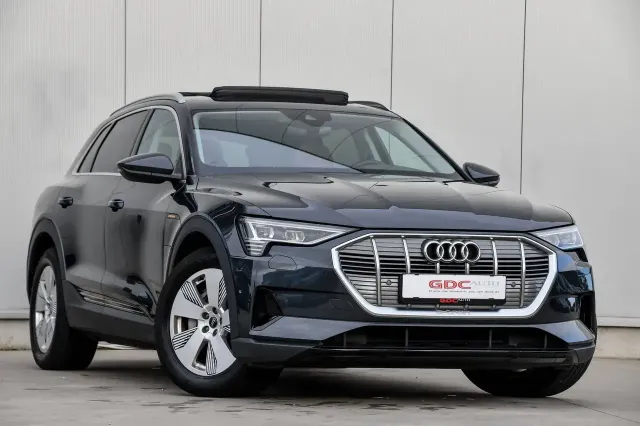
Audi e-tron Quattro · electric · Panoramic roof · Camera · CarPlay
 GDCauto
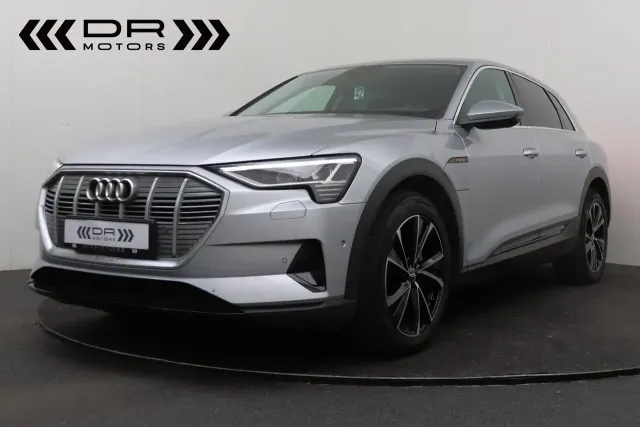
Audi e-tron Quattro · electric · Camera · LED · Leather · 95 kwh
 DR Motors
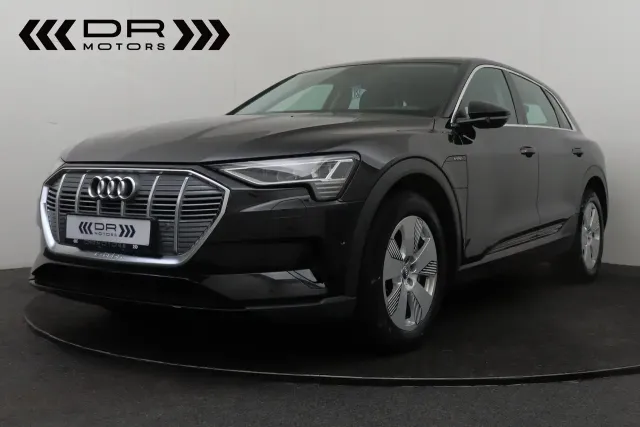
Audi e-tron QUATTRO · electric · Camera · LED · Leather
DR Motors
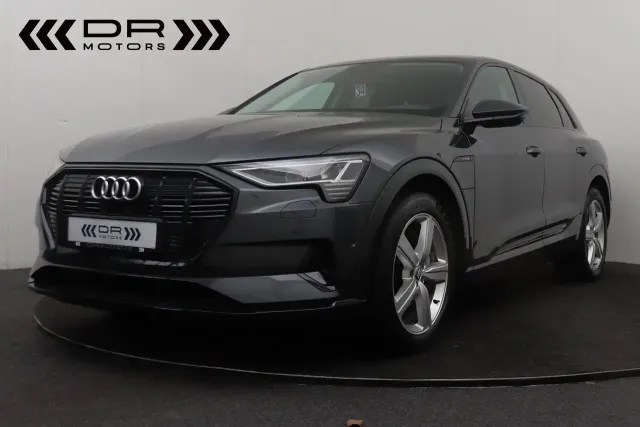
Audi e-tron QUATTRO · electric · Camera · CarPlay · LED · 95kwh
DR Motors
Audi Q3
66 for sale · from € 8.990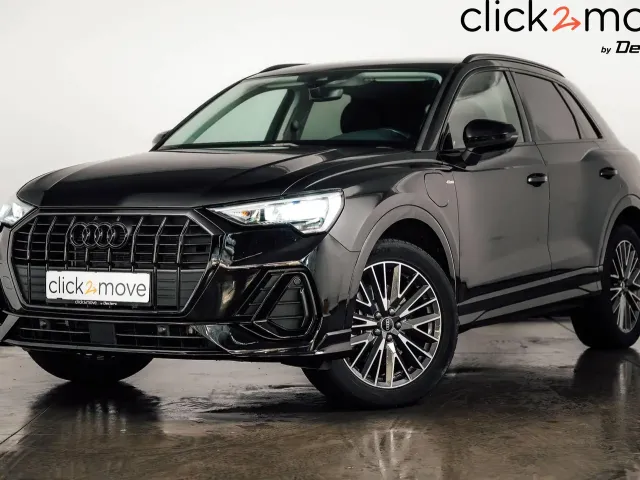
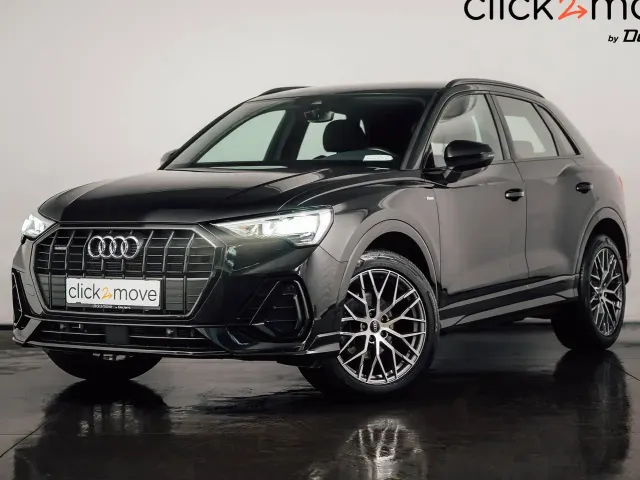
Audi Q3 plug-in hybrid · S line · LED · Leather · Sport seats
 click2move by Declerc
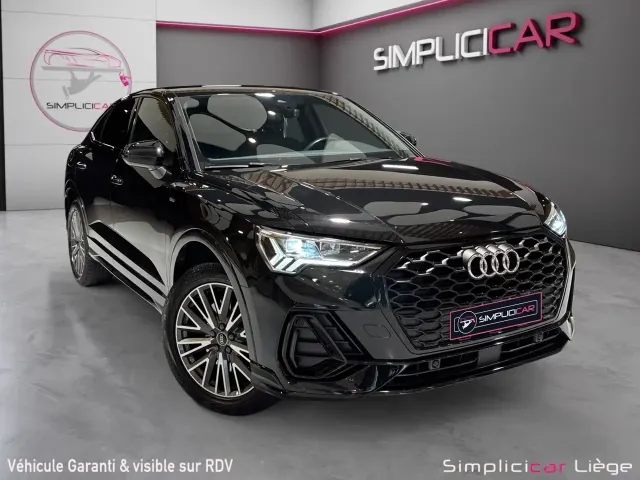
Audi Q3 1.4 TFSI · S line · Camera · CarPlay · LED
 Simplici Car Liège
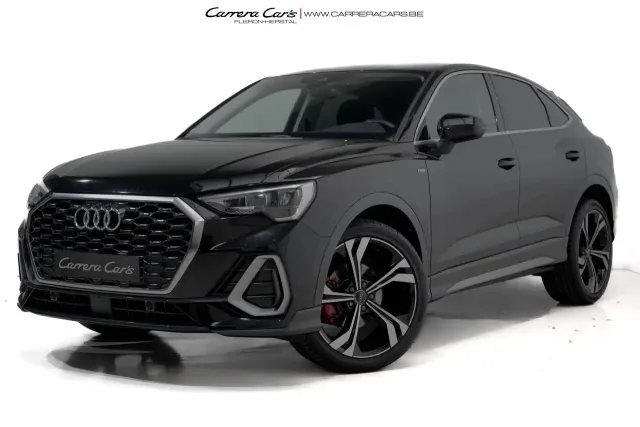
Audi Q3 35 TDI · S line · 360° camera · CarPlay · Navigation
 Garage Carrera Cars
Audi Q3 35 TDI · S line · Camera · LED · Leather
click2move by Declerc