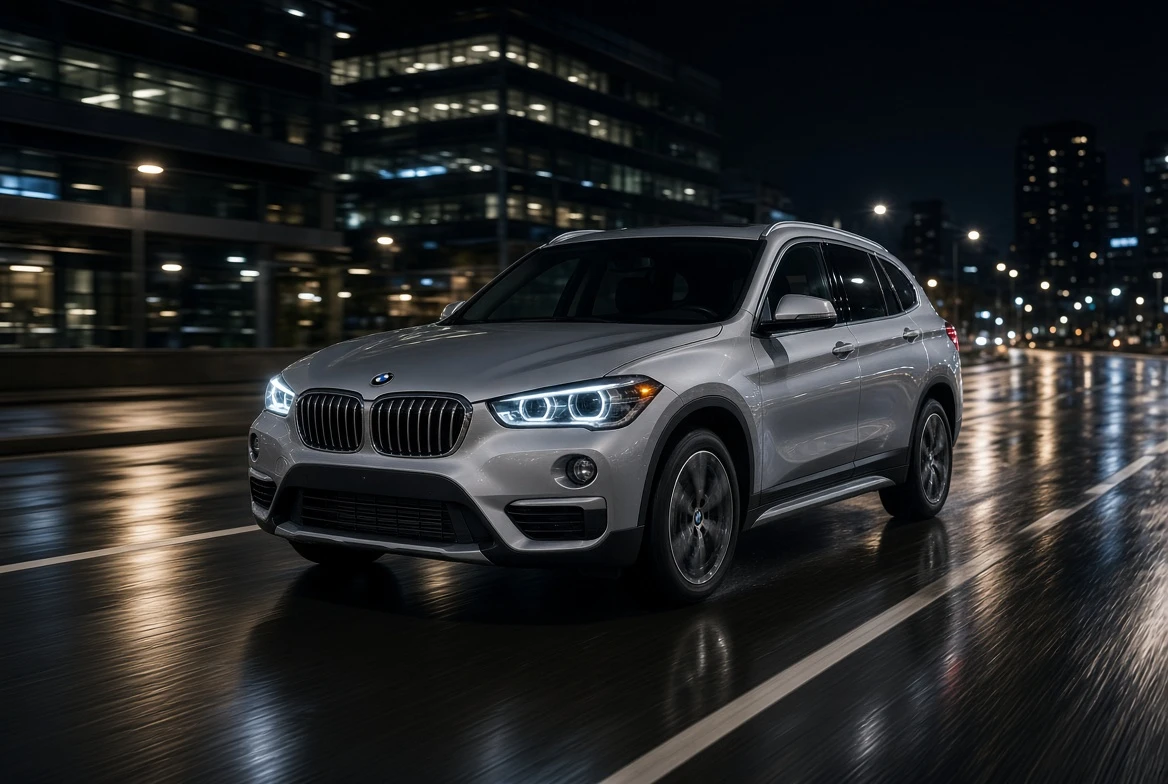
BMW X1 (F48) — guide d'achat complet
La référence complète de la deuxième génération du BMW X1 (F48, 2015–2022) : plateforme, dimensions, tous les moteurs, le restylage de 2019, les problèmes connus et une checklist pour l'acheteur d'occasion.
Production and platform
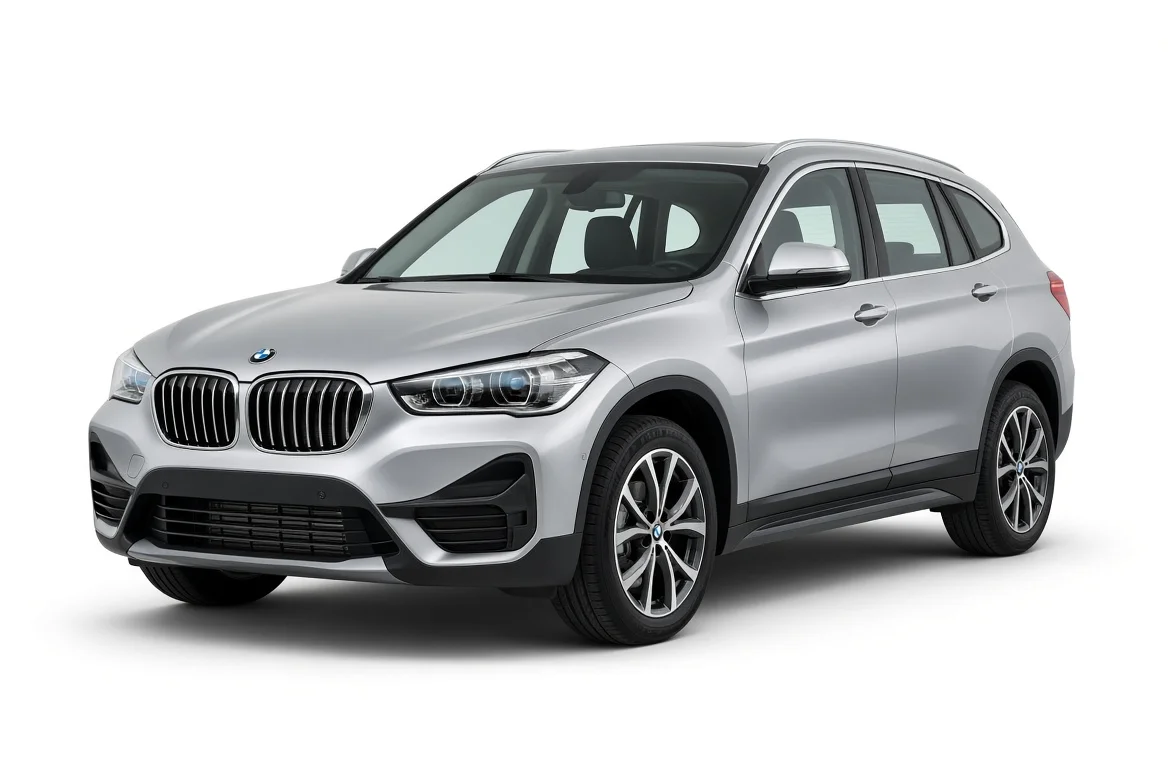
Produced June 2015 to June 2022. Second generation of the X1. Built on the UKL2 platform (front-wheel-drive based, shared with Mini Countryman and 2 Series Active Tourer). Engine mounted transversely. Available as sDrive (front-wheel drive) or xDrive (all-wheel drive). Replaced the E84 (2009–2015), which used a longitudinal engine and rear-wheel-drive base architecture.
Dimensions and practicality
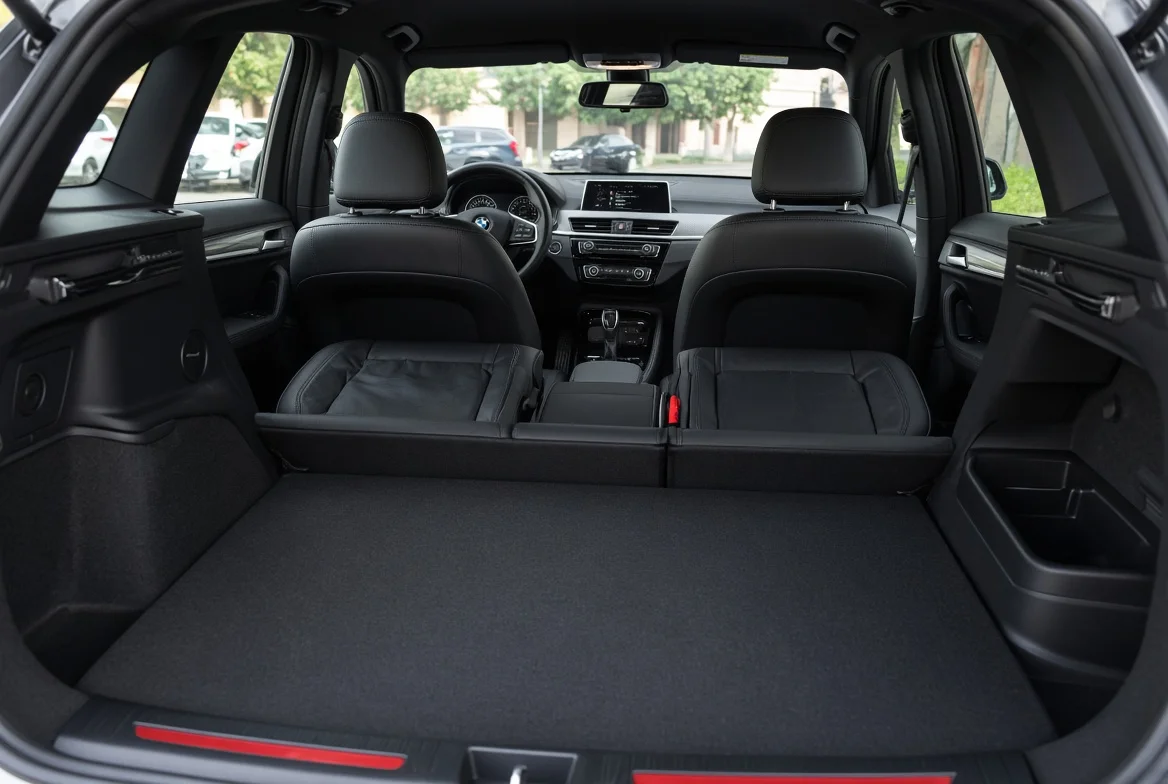
Length: approximately 4,439 mm (pre-LCI) / 4,447 mm (LCI). Width: 1,821 mm. Height: around 1,598 mm. Wheelbase: 2,670 mm. Boot volume: 505 litres (seats up), expanding to 1,550 litres with seats folded.
- Rear seat space improved versus the E84: roughly 37 mm more rear knee room in standard form.
- Higher seating position than the previous generation.
- 40:20:40 split rear seats on most versions.
- Towing capacity typically up to 1,700–2,000 kg braked depending on engine and drivetrain.
- Compared with the E84: slightly shorter wheelbase but taller and wider body, resulting in more interior volume and cargo space (E84 boot was around 420 litres).
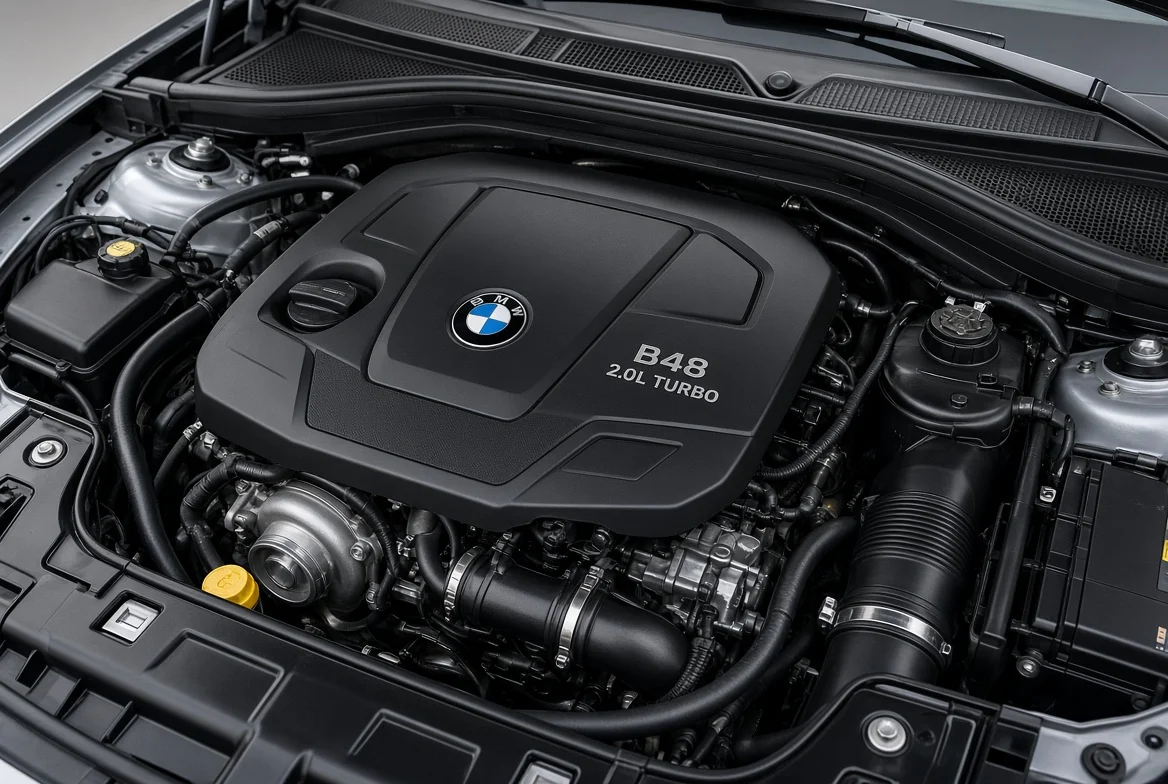
Engines
Petrol (B-series modular engines)
- sDrive18i: 1.5-litre three-cylinder B38, 100–103 kW (136–140 hp), 220 Nm. 0–100 km/h around 9.6–9.7 s.
- sDrive20i / xDrive20i: 2.0-litre four-cylinder B48, 131–141 kW (178–192 hp), 280 Nm. 0–100 km/h around 7.4–7.7 s.
- xDrive25i: 2.0-litre B48, 170 kW (231 hp), 350 Nm.
Diesel (B-series)
- sDrive16d: 1.5-litre three-cylinder B37, 85 kW (116 hp), 270 Nm.
- sDrive18d / xDrive18d: 2.0-litre four-cylinder B47, 110 kW (150 hp), 330 Nm.
- sDrive20d / xDrive20d: 2.0-litre B47, 140 kW (190 hp), 400 Nm.
- xDrive25d: 2.0-litre B47, 170 kW (231 hp), 450 Nm.
Plug-in hybrid (from 2020)
- xDrive25e: 1.5-litre B38 petrol + electric motor, combined 162 kW (220 hp). Electric-only range around 50 km (WLTP figures vary by market).
Transmissions
6-speed manual, 7-speed dual-clutch, or 8-speed Aisin automatic depending on engine and market. Most higher-output models use the 8-speed automatic.
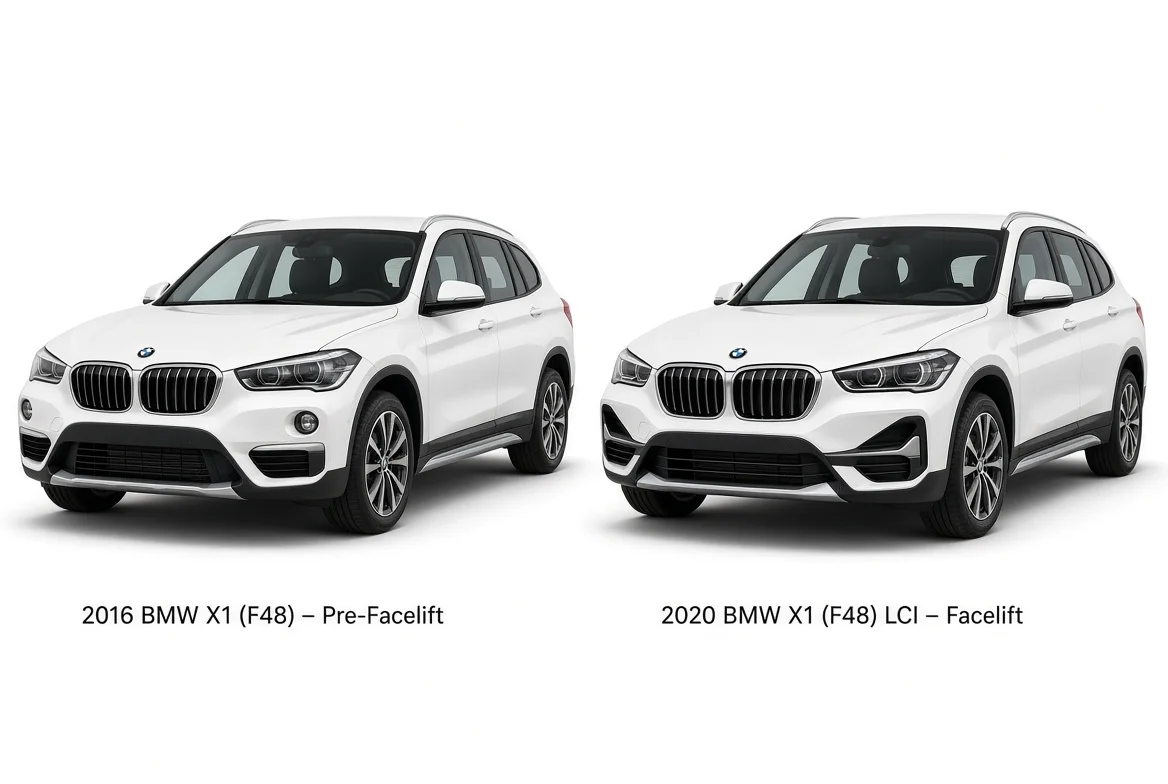
Facelift (LCI, 2019)
Revealed May 2019. Main changes:
- Larger kidney grille (merged in the centre).
- Revised front bumper and headlights (LED options with updated graphics).
- Revised rear lights and bumper.
- Exhaust tips increased from 70 mm to 90 mm diameter.
- Larger central display (up to 10.25-inch with Navigation Plus); iDrive 6 standard on later cars.
- New wheel designs and colours.
- Minor length increase of about 8 mm from revised bodywork.
- Powertrains largely carried over. The xDrive25e plug-in hybrid arrived later (around 2020).
Differences from the previous generation (E84)
Major architectural change from longitudinal/RWD-based to transverse/FWD-based platform. This brought more interior and boot space but changed the driving character (less rear-biased handling). Engines switched from the older N-series (N20 petrol, N47 diesel) to the modular B-series (B38/B48 petrol, B37/B47 diesel). The B47 diesel moved the timing chain to the front of the engine, addressing a known weak point of the N47. Overall cabin quality and equipment levels improved. No six-cylinder option in the F48.
Known issues and weak points (used-market patterns)
Diesel (B47)
- EGR cooler leaks. Multiple recalls related to glycol leakage that can create a fire risk when mixed with soot. Affects a wide production range; verify completion with the VIN. Particularly relevant on higher-mileage or short-trip cars.
- DPF and EGR clogging more common on cars used mainly for short urban journeys. Regeneration requires regular longer runs.
- Timing chain generally more durable than the N47, but early examples still warrant a cold-start listening check for rattle.
Petrol (B38/B48)
- Early B38 examples (roughly 2015–2017) can develop timing-chain tensioner wear leading to cold-start rattle. Later revisions reduced the issue.
- Engine mounts (especially upper mounts) can fail earlier than expected, causing vibration or clunking under load. Reported from relatively low mileages in some cases.
- Cooling system components (water pump/thermostat housing) are typical BMW wear items at higher mileages.
Drivetrain and chassis
- On xDrive models, rear differential clutch pack fluid degradation can cause noise or binding in tight turns; fluid service is sometimes needed.
- Transfer case software issues have been addressed via updates on some cars.
- Premature rear brake pad wear reported on some examples (linked to DSC intervention).
- Suspension bushes and mounts are normal wear items; check for knocks or uneven tyre wear.
Other
- Various recalls including airbag-related campaigns on early cars and specific B-pillar or lighting issues on certain production windows. Always check full recall status by VIN.
- Infotainment glitches are occasional but usually software-related.
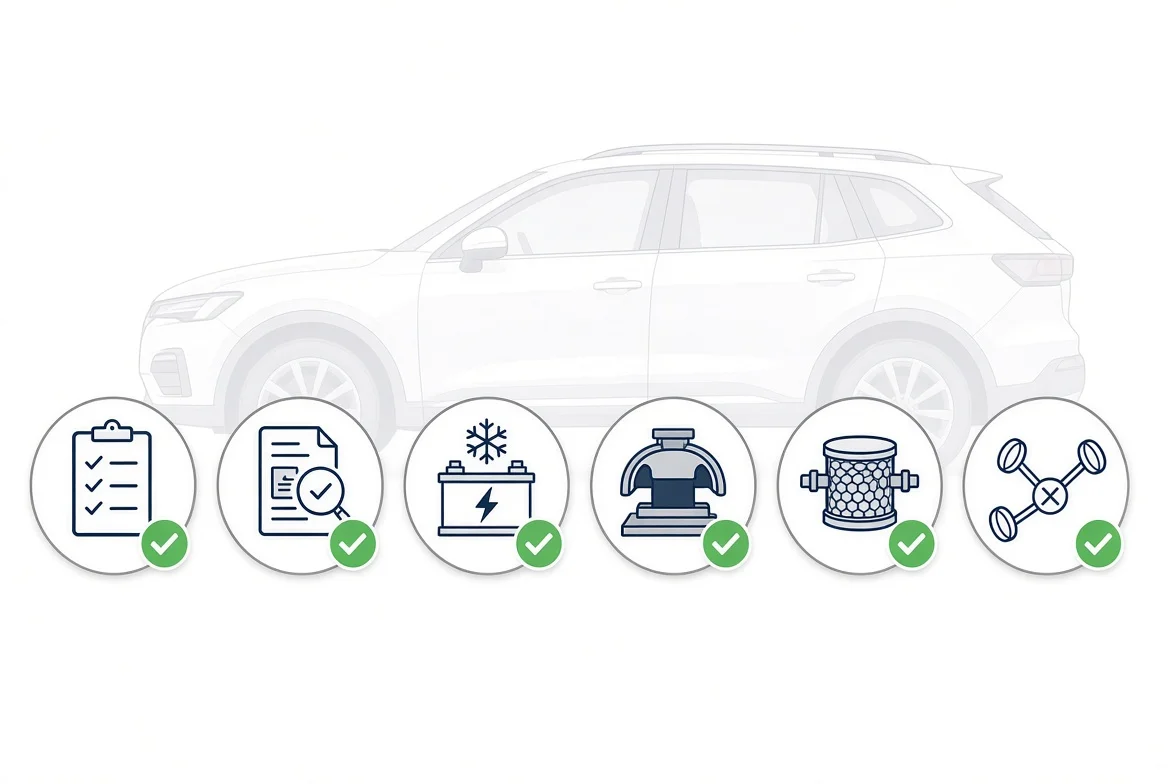
What a buyer should check
- Full service history, ideally with BMW or specialist stamps. Oil change intervals matter on these engines.
- VIN-specific recall status (especially EGR cooler on diesels and any airbag campaigns).
- Cold-start behaviour: listen for chain rattle on petrol three-cylinders and diesels.
- Engine mounts under load (acceleration and deceleration).
- For diesels: DPF regeneration history, AdBlue system function, and EGR-related fault codes.
- xDrive: test tight manoeuvres for binding or noise; check transfer case behaviour.
- Coolant level and any signs of external leaks or overheating history.
- Suspension and bushings (road test on uneven surfaces).
- Boot and rear seat space versus personal needs (505 litres is usable but not class-leading by later standards).
- Battery health on the xDrive25e (if considering the plug-in hybrid).
Belgian/EU market notes
Diesel versions were popular for company-car and higher-mileage use because of lower road tax in earlier years. Petrol and later plug-in hybrid versions became more relevant as tax and urban restrictions tightened. Euro 6 compliance is standard. Car-Pass documentation is required for Belgian sales and provides mileage verification. Many examples will have been maintained under company-car regimes, which can mean higher mileage but regular servicing.
Summary
This generation is generally considered more reliable than the E84 for day-to-day use, provided the specific known items (EGR on diesels, mounts, cooling system, early timing-chain tensioners) are verified. The B-series engines and improved interior space are the main practical gains over the previous model.