
Skoda Enyaq I (MK1) — complete buyer's guide
The complete reference for the first-generation Skoda Enyaq (MK1, 2021–present): the MEB platform, dimensions, every electric powertrain, the 2025 facelift, known issues and a used-buyer checklist.
Production and platform
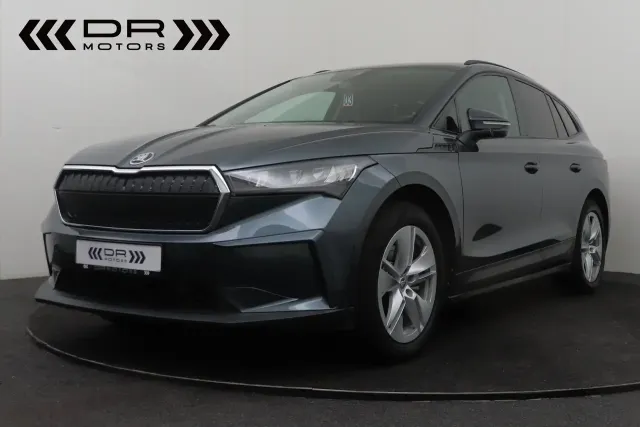
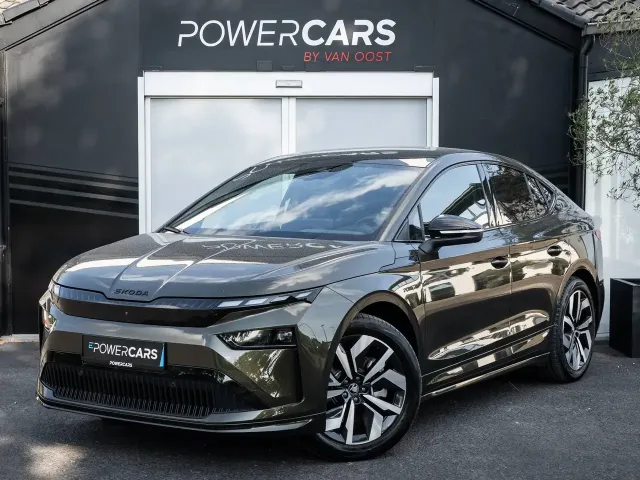
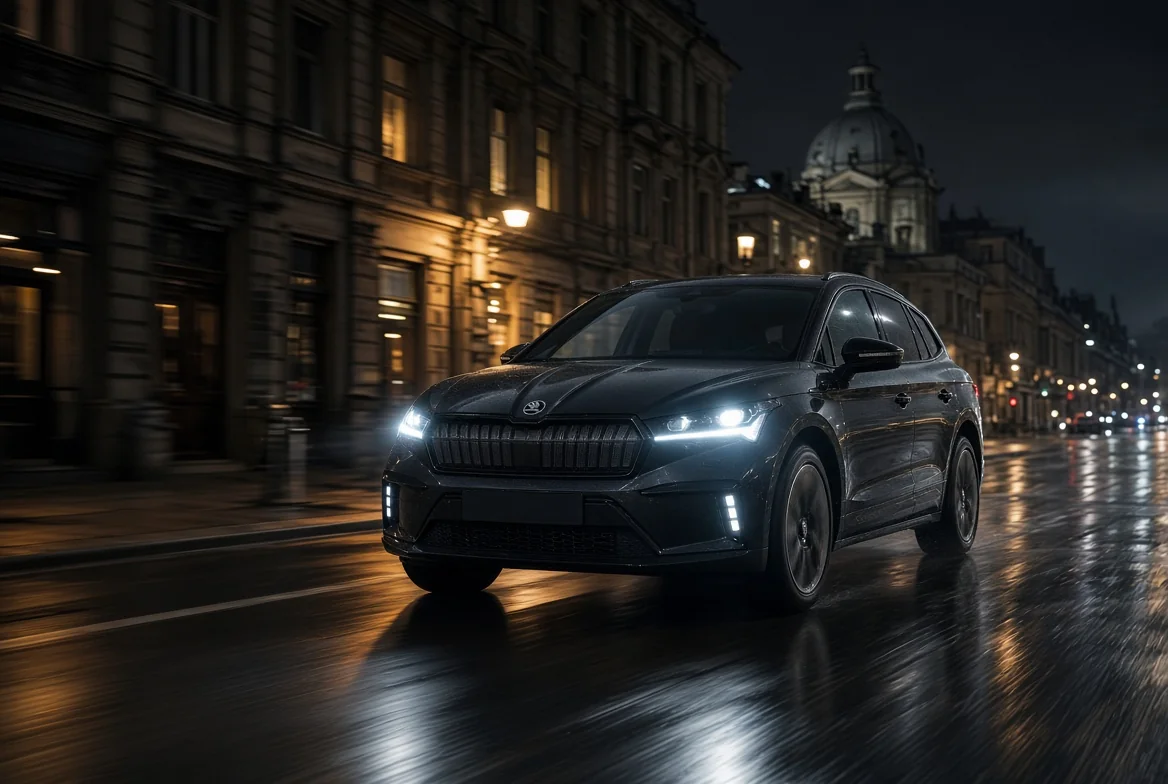
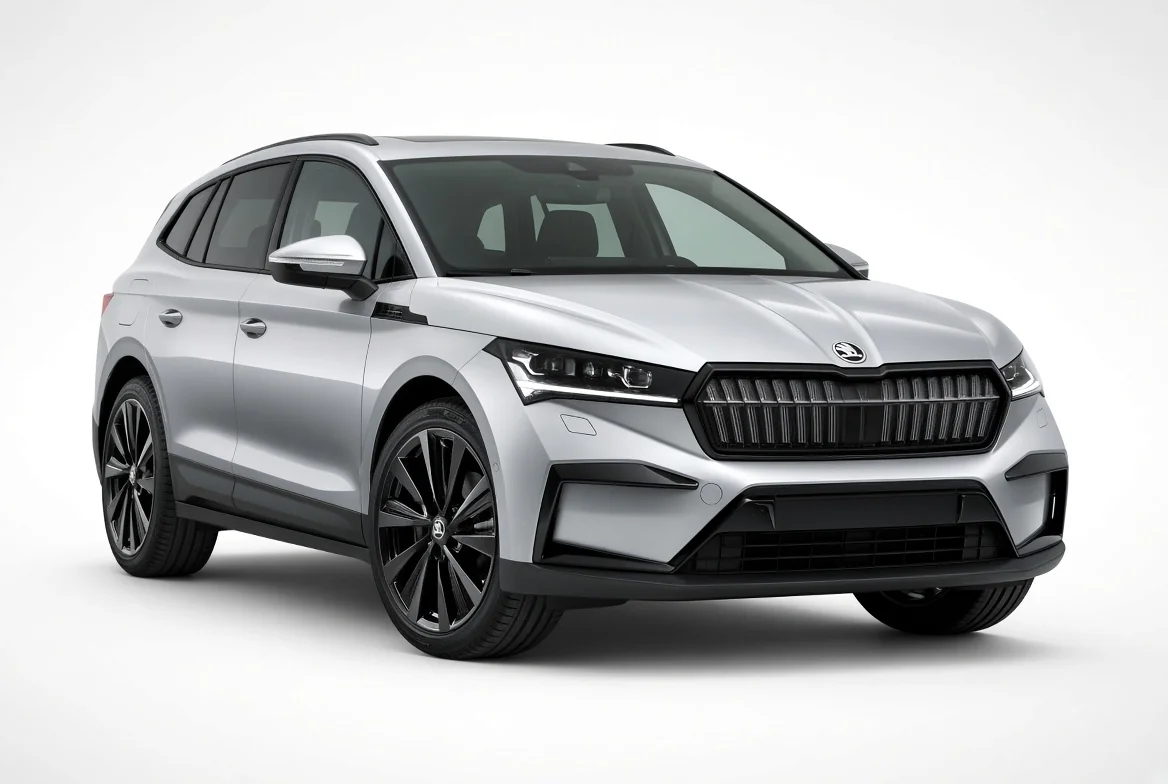
First-generation Skoda Enyaq, launched in late 2020 / early 2021. Electric SUV built on the MEB platform. Available as a five-door SUV and Coupe. Rear-wheel drive standard; all-wheel drive on higher-output versions. A facelift in 2025 updated the exterior lighting and bumpers and revised the powertrain range. Production continues. Distinguished by its practical boot and electric powertrain.
Dimensions and practicality
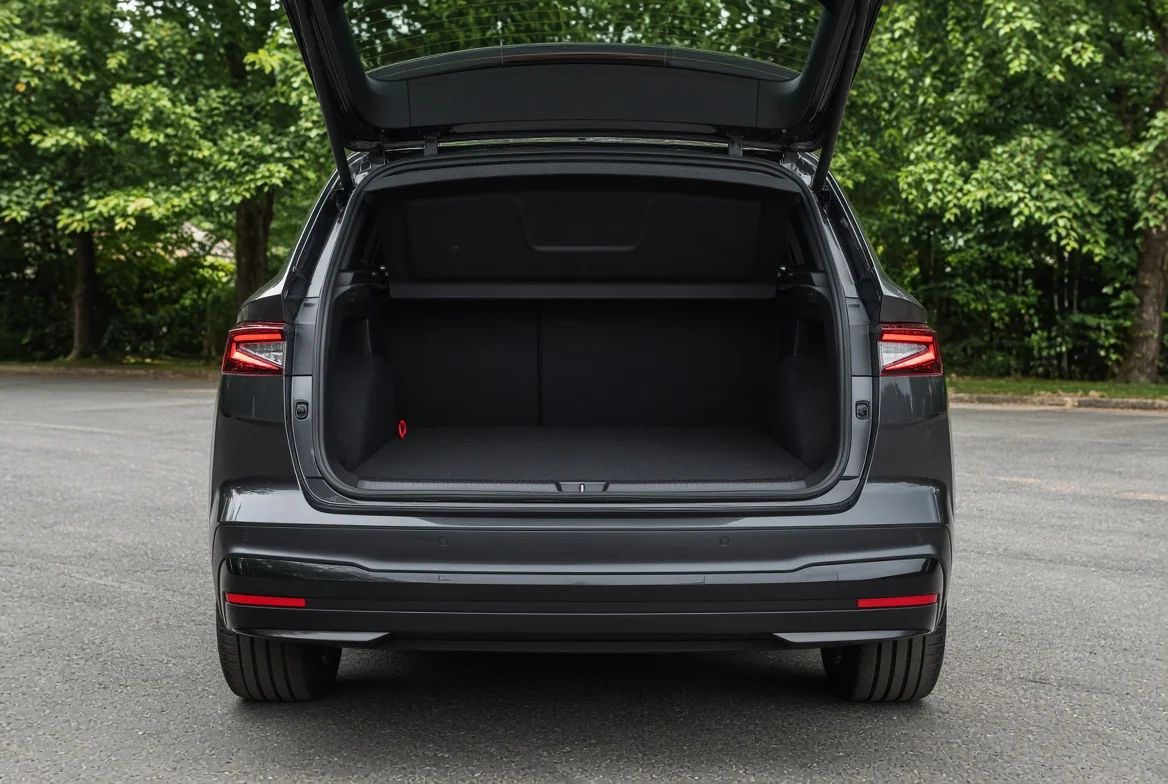
Length approximately 4,648–4,658 mm; width around 1,877–1,879 mm (excluding mirrors); height around 1,618–1,622 mm; wheelbase 2,765–2,766 mm. Boot volume approximately 585 litres (expanding to roughly 1,710 litres with seats folded); the Coupe boot is slightly smaller. Fuel tank is replaced by the battery. Ground clearance around 168–183 mm. Rear passenger space is adequate for adults. The cabin offers practical storage. Suited as a five-door family electric SUV. Towing capacity up to 1,000–2,200 kg (braked) depending on powertrain.
Driving experience
Composed and secure for an electric SUV of its era, with light steering that suits motorway and urban driving. The ride is comfortable on standard wheels, and body roll is present yet managed. Instant torque from the electric motors provides strong low-end acceleration. It prioritises comfort and practicality over sharp dynamics, with good visibility.
Engines
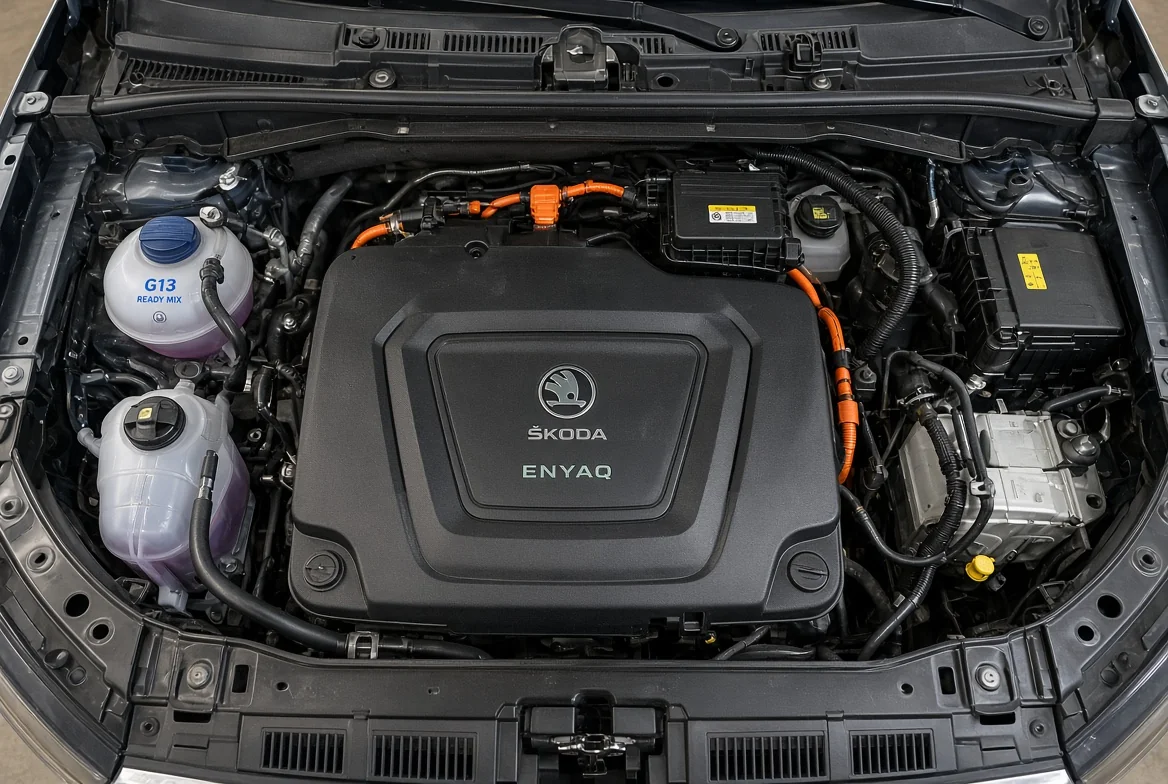
Electric
| Engine | Power | Torque | 0–100 km/h | |
|---|---|---|---|---|
| 50 / 60 RWD · ~52–58 kWh · 340–450 km | single rear motor | 148–190 hp109–140 kW | 220–310 Nm | 8.5–11.5 s |
| 80 / 85 RWD/AWD · ~77 kWh · 500–580 km | single or dual motor | 204–286 hp150–210 kW | 310–545 Nm | 6.5–8.5 s |
| RS AWD · ~77 kWh · 510–560 km | dual motor | 340 hp250 kW | 545 Nm | 5.5 s |
Charging
DC charging up to 50–175 kW depending on version; AC charging typically 11 kW.
Transmissions and drive
The Enyaq I is rear-wheel drive on the 50/60 and 80; all-wheel drive (dual motor) is available on the 80/85 and standard on the RS. All versions use a single-speed reduction gear; there is no gearbox.
Common issues
- Early cars: infotainment freezes and software glitches (largely addressed by updates).
- 12V battery drain on early examples.
- Charging system faults or slow DC charging on some cars.
- Adaptive damper faults on higher-spec models.
- Battery module issues on early production (covered by recall).
What a buyer should check
- Full service history and confirmation of software updates.
- Battery health report (SoH) and charging behaviour.
- Infotainment system operation and any software update history.
- 12V battery condition and any warning lights.
- Confirmation that any software or technical campaigns have been completed (check by VIN).
Running costs
Indicative costs for normal Belgian/EU use (approximate 2026 figures). Actual figures vary by region, driving style and service location.
Energy consumption
Typically 15–18 kWh/100 km. Electricity costs are lower than petrol or diesel for equivalent use.
Maintenance and battery warranty
Low for the class; independent specialists keep bills reasonable. Battery warranty is typically 8 years / 160,000 km.
Road tax / registration (Belgium)
Belgian road tax varies by region.
Insurance
Generally moderate.
Market position
The first-generation Enyaq is a common electric family SUV on the Belgian used market, where the 80/85 versions dominate listings. It competes with the Volkswagen ID.4 and Audi Q4 e-tron of the same era. Clean, low-mileage cars with full history and recent software updates remain easy to sell. Higher-mileage examples with neglected software or early battery issues carry more risk. The practical cabin helps residuals relative to more style-focused rivals.
Summary
This generation is a practical electric family SUV of its era. The later 85 and well-serviced earlier examples are generally reliable when software is current; the main risks are early infotainment glitches, 12V battery drain, charging faults, and early battery module issues. Full service history and battery health confirmation are essential. Ownership costs stay low for the class.
Belgian taxes & LEZ