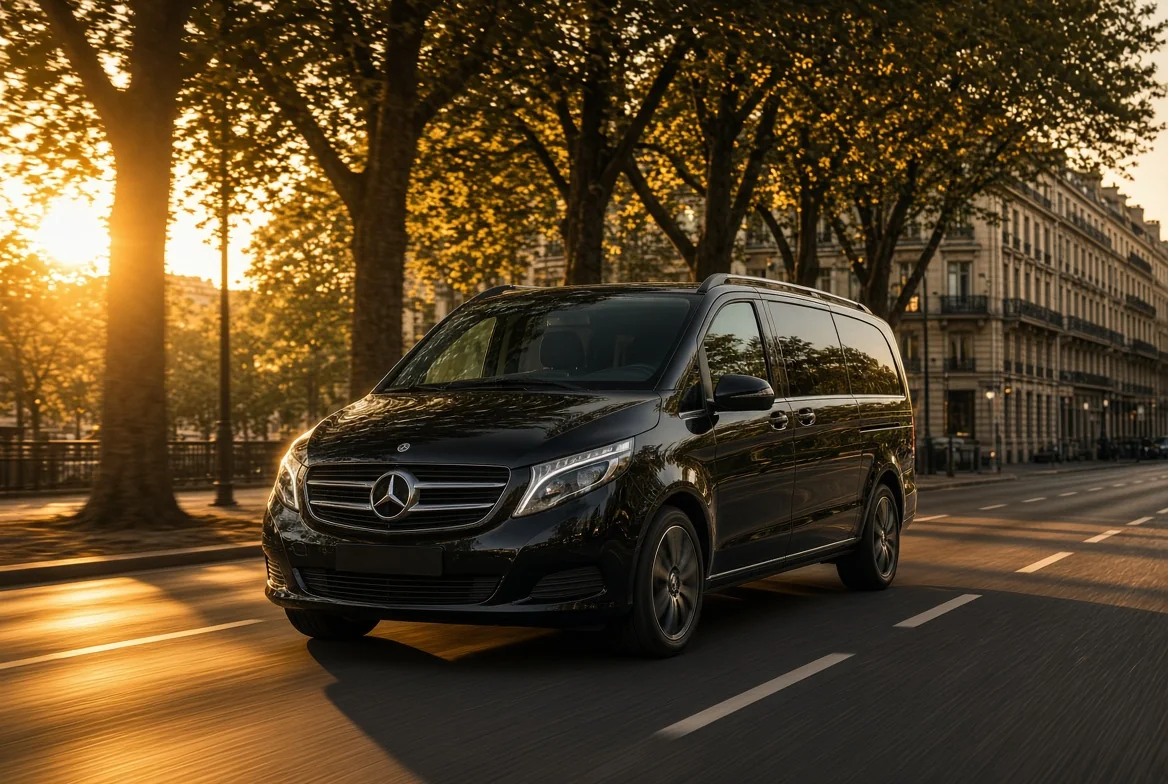

Mercedes-Benz V-Class (W447) — complete buyer's guide
The complete reference for the current Mercedes-Benz V-Class (W447, 2014–present): platform, dimensions, every engine, the 2019 and 2024 facelifts, known issues and a used-buyer checklist.
Production and platform
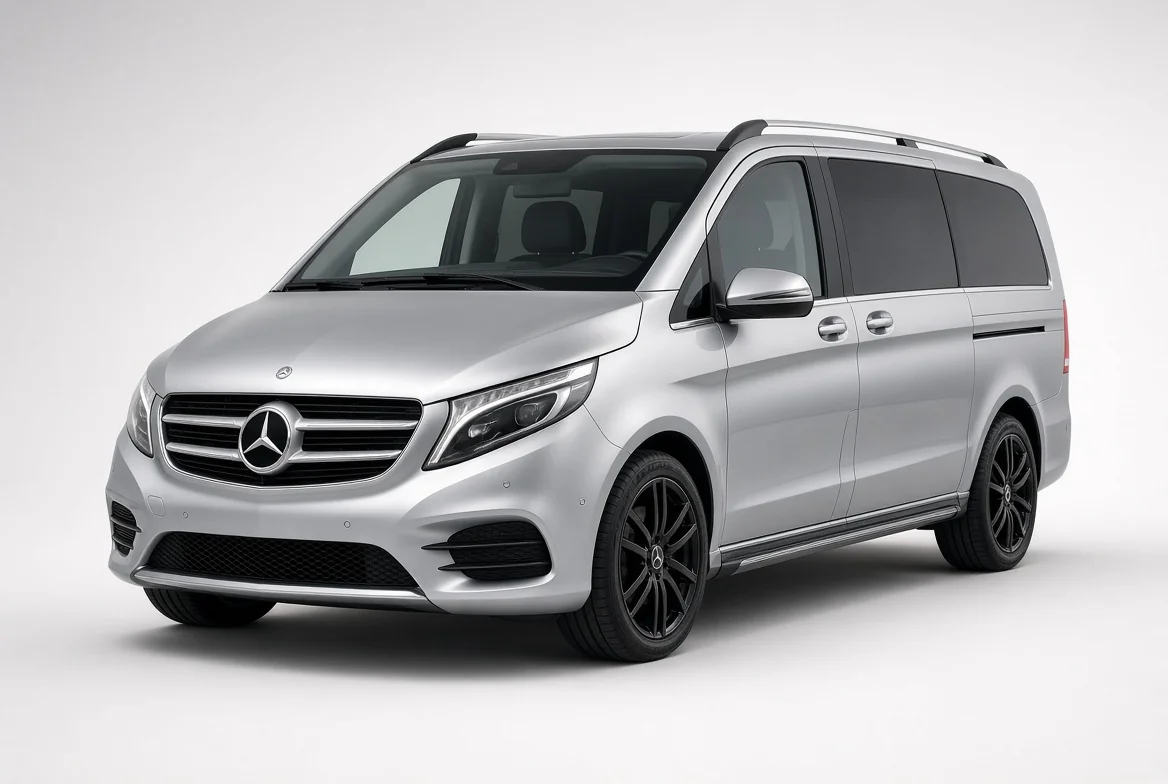
Produced from 2014 onward. Current generation of the V-Class (also known as the Vito in commercial form). Large premium MPV / people carrier based on the W447 platform, related to the Vito panel van. Rear-wheel drive standard; 4MATIC all-wheel drive available on most diesel versions. Facelift introduced in 2019, with further updates in 2024. Related models include the electric EQV. Primary assembly in Vitoria-Gasteiz, Spain. Still in production as of late 2026.
Dimensions and practicality
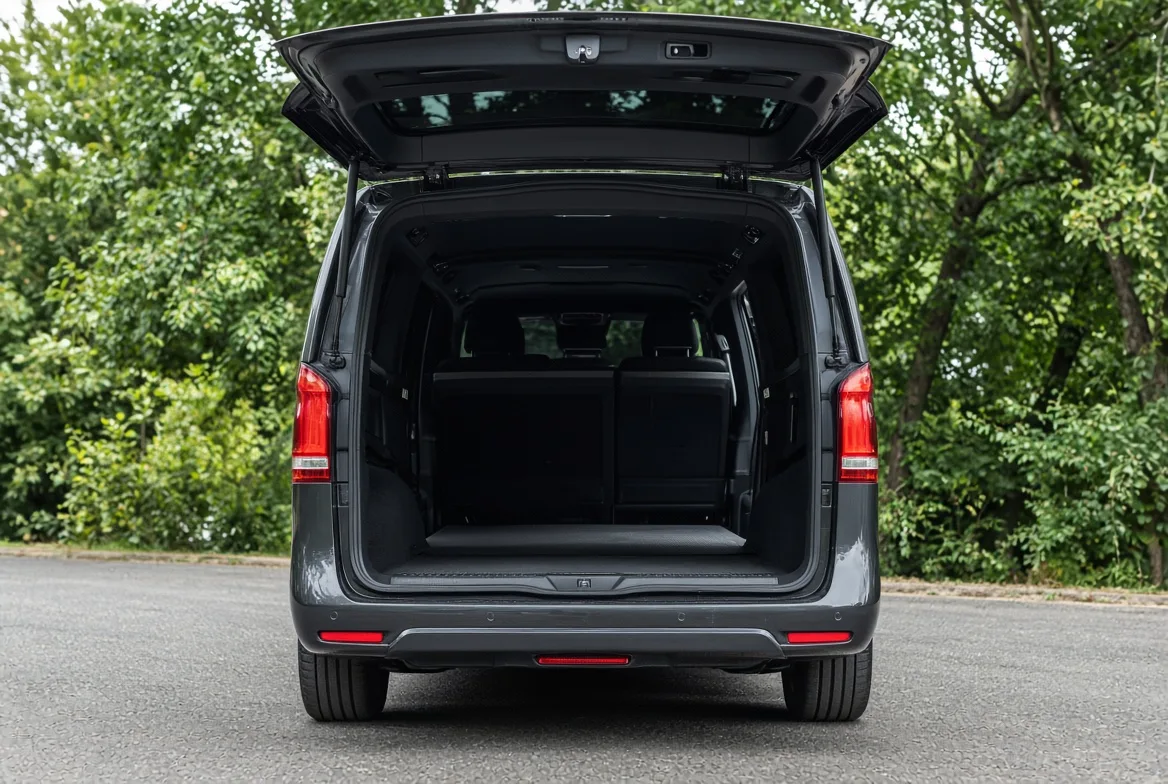
Three length variants: Compact (approximately 4,895 mm), Long (approximately 5,140 mm), and Extra Long (approximately 5,370 mm). Width around 1,928 mm. Height around 1,880–1,921 mm. Wheelbase 3,200 mm (Compact and Long) or 3,430 mm (Extra Long). Boot volume behind the rearmost seats approximately 610 litres (Compact), 1,030 litres (Long), and 1,410 litres (Extra Long), expanding significantly with seats removed. Fuel tank capacity typically 57–70 litres. Practicality is class-leading for a premium people carrier, with flexible seating for up to 8 passengers and strong load volume.
Driving experience
Big, comfortable and van-like by design. The V-Class steers lightly with little feedback, rides smoothly enough for its size, and feels tall and commanding from behind the wheel, with a huge glasshouse and good visibility. Rear-drive is standard and 4MATIC adds traction, but this is a people carrier, not a car to hurry. The V 250d and V 300d diesels pull strongly and stay reasonably hushed, and the 9G-Tronic shifts unobtrusively. It is built to carry up to eight in comfort over long distances, and it does exactly that.
Engines
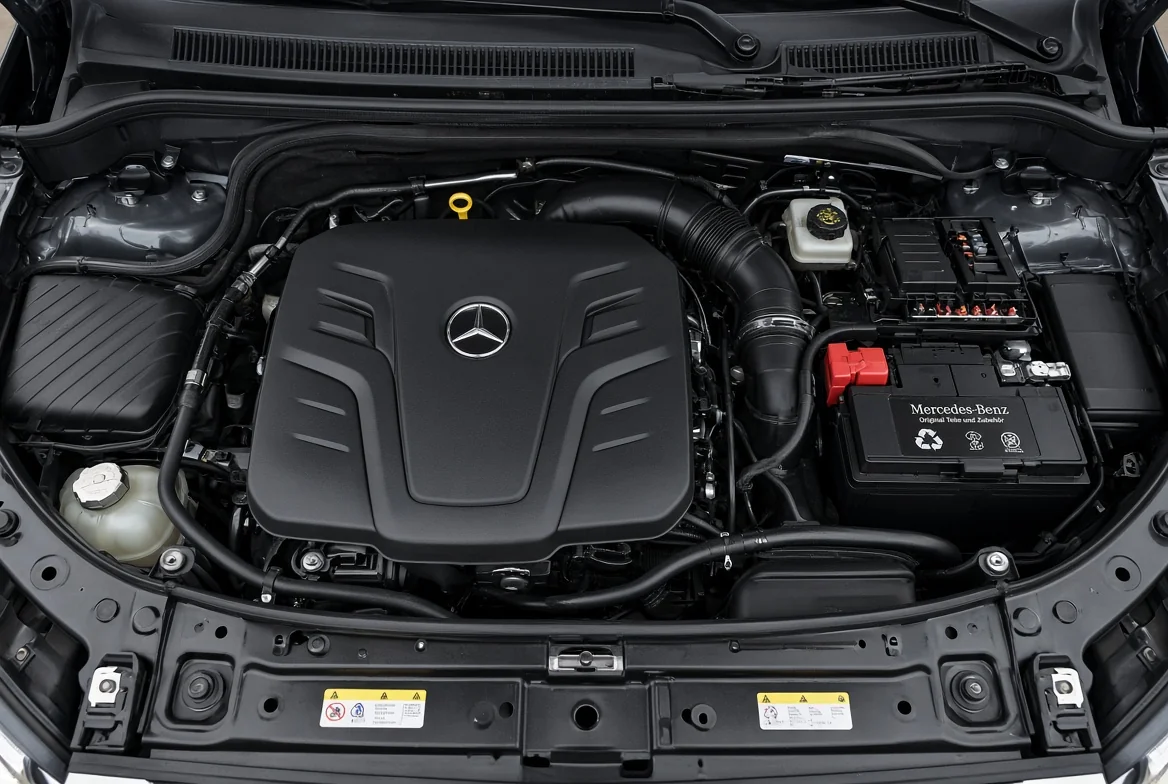
Diesel (OM651 / OM654)
| Engine | Power | Torque | 0–100 km/h | |
|---|---|---|---|---|
| V 200 d / V 220 d | 2.1/2.0 L · 4-cyl (OM651 / OM654) | 136–163 hp100–120 kW | 330–380 Nm | 11.3–13.8 s |
| V 250 d | 2.1/2.0 L · 4-cyl (OM651 / OM654) | 190 hp140 kW | 440 Nm | 9.4–10.5 s |
| V 300 d | 2.0 L · 4-cyl (OM654) | 237–239 hp174–176 kW | 500–530 Nm | 7.8–8.6 s |
Petrol (M274 / M264)
| Engine | Power | Torque | 0–100 km/h | |
|---|---|---|---|---|
| V 260 / V 300 | 2.0 L · 4-cyl (M274 / M264) | 211–231 hp155–170 kW | 350 Nm | varies by market |
Electric (EQV)
The EQV produces approximately 150 kW with a usable battery capacity of around 90–100 kWh.
Transmissions
7G-TRONIC or 9G-TRONIC automatic. All engines longitudinal. Euro 6 / Euro 6d compliance depending on year and engine.
Facelift (2019 and 2024)
Introduced in 2019. Main changes: revised exterior styling (grille, lighting, bumpers); updated interior and MBUX infotainment; new OM654 diesel engines and 9G-TRONIC transmission; equipment and driver-assistance updates. Further refinements in the 2024 update (styling and technology).
Differences from the previous model (Viano / W639)
More modern platform and styling. Updated engines (OM651 then OM654). Improved safety systems and interior quality. Better refinement overall. Practicality retained with flexible seating and strong load volume.
Known issues and weak points
Diesel (OM651 / OM654)
- OM651 (pre-facelift): timing chain stretch and tensioner issues on some higher-mileage examples (cold-start rattle).
- OM651: possible injector faults and high-pressure pump issues.
- OM651: EGR and DPF clogging more common on short-trip use.
- OM654 (post-facelift): possible rocker arm and camshaft lobe wear on some early examples.
- OM654: electric coolant pump recalls on certain production periods (verify by VIN).
- OM654: AdBlue/NOx sensor faults and DPF clogging more common on short-trip use.
- AdBlue/SCR system faults common on higher-mileage examples.
Transmission (7G-TRONIC / 9G-TRONIC)
- Low-speed judder or delayed engagement possible if fluid is neglected.
- Fluid service recommended earlier than official intervals.
- Mechatronic faults possible on higher-mileage 7G-TRONIC units.
- Generally durable with maintenance.
4MATIC
- Differential noise or wear reported on some higher-mileage examples (fluid changes help).
Other
- Electric sliding door mechanisms wear or fail at higher mileage.
- MBUX screen freezes or software glitches (mostly resolved by updates).
- 12-volt battery drain issues reported on some cars left standing.
- Suspension bush and control arm wear at higher mileage (clunks).
- Multiple recalls (coolant pump, airbags, software, fuel system). Always verify full VIN status.
- Interior wear and rattles on higher-mileage examples.
- Marco Polo camper variants have additional pop-top and electrical issues.
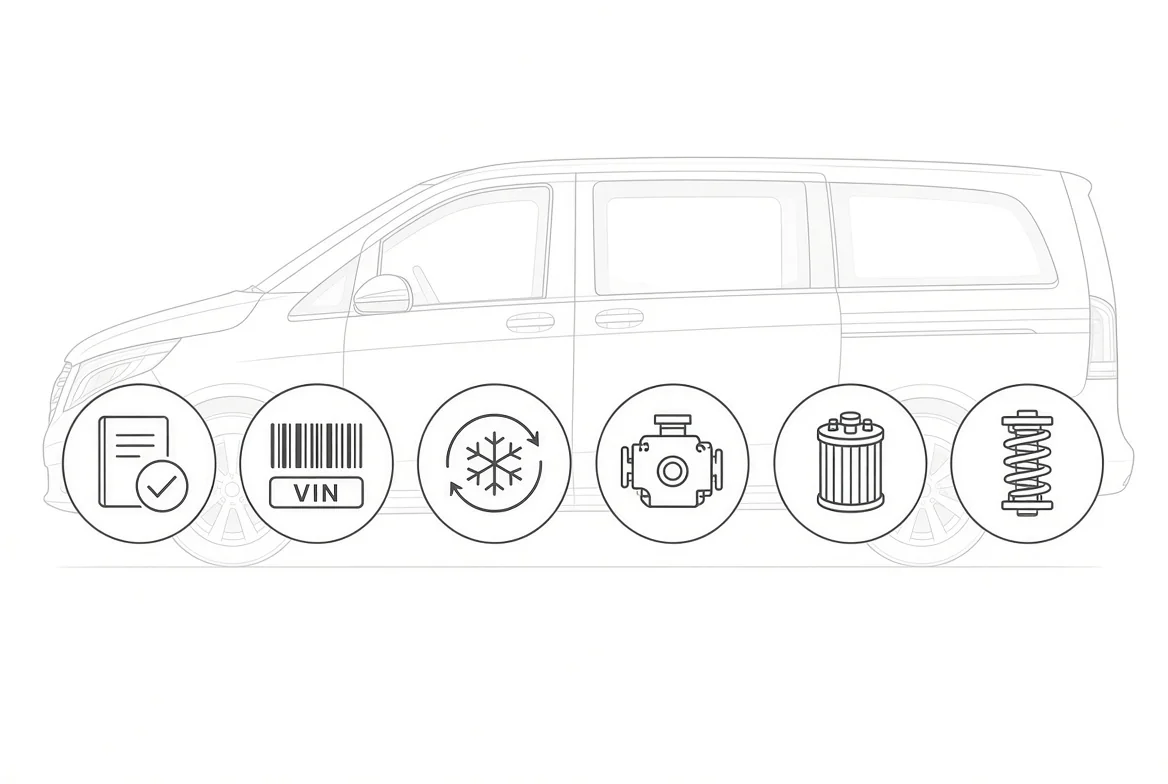
What a buyer should check
- Full service history, including transmission fluid changes and any AdBlue/DPF interventions.
- VIN-specific recall and service campaign status (OM654 coolant pump, airbags, fuel system, software).
- Cold-start engine noise and any misfires or ticking (OM651 timing chain or OM654 rocker arms).
- Transmission behaviour from cold and in low-speed traffic (smooth engagement).
- For diesels: AdBlue system function, DPF regeneration history, and smoke on hard acceleration.
- Sliding door operation and any binding or noise.
- Full electronic function, including MBUX screens and driver aids.
- 4MATIC differential noise during low-speed tight turns (if equipped).
- Signs of oil leaks, cooling system issues, or suspension wear.
- Marco Polo-specific items if applicable (pop-top operation, additional electrics).
Running costs
Indicative costs for the Mercedes-Benz V-Class W447 in normal Belgian/EU use (approximate 2026 figures). Actual figures vary by region, driving style and service location.
Fuel consumption
- V 220 d / 250 d / 300 d (OM654 2.0): typically 6.5–8.5 L/100 km; AdBlue consumption low.
- V 250 (M274 2.0): typically 8.0–10.0 L/100 km.
Maintenance
Mercedes service is premium-priced. Oil service typically €200–400. 7G-/9G-Tronic automatic fluid service every ~60,000 km is recommended. Tyres and brakes add up on this heavy vehicle. AdBlue consumption on the diesel is low. Independent Mercedes specialists keep bills more reasonable than dealers.
Road tax / registration (Belgium)
Highly region-dependent (Flanders more CO₂-oriented; Wallonia/Brussels influenced by power/CV and mass). Depending on the registration category (passenger car or light commercial), tax can differ. Expect roughly €300–1,000+/year depending on engine, exact CO₂, region and any ongoing reforms. One-off BIV/TMC on first Belgian registration is also engine- and age-sensitive.
Insurance and LEZ
Typical group for a large MPV/van. Annual premium heavily dependent on age, history, location and cover level. Full comprehensive is expensive on higher-value examples. LEZ: all engines fully Euro 6 compliant and unrestricted in Belgian/EU low-emission zones.
Belgian/EU market notes
The V-Class W447 is a common large premium people carrier in the Belgian used market, competing with the Volkswagen Multivan and similar large MPVs. The V 220 d and V 250 d diesels were frequent choices for mixed private, company, and shuttle use due to torque, fuel economy, and seating flexibility. Long and Extra Long versions dominate for family and commercial applications. Road tax and registration tax vary by region, power, and CO2. Car-Pass documentation is required for Belgian sales. Many examples show moderate company-fleet or shuttle mileage with full service histories. Facelift cars (2019 onward) generally benefit from refined OM654 engines and 9G-TRONIC. Early production requires closer scrutiny of specific OM651 timing chain campaigns. The flexible seating and strong load volume remain practical advantages.
Summary
This generation offers strong practicality and seating flexibility for a large premium people carrier, provided the known cost items (OM651/OM654 AdBlue/DPF and specific recalls, transmission fluid service, sliding door mechanisms, and full VIN recall status) are verified. Facelift examples are generally more stable. The V 220 d / V 250 d with full service history remains a common and practical used choice in the Belgian market.
Belgian taxes & LEZ
Used Mercedes-Benz V-Class for sale
View all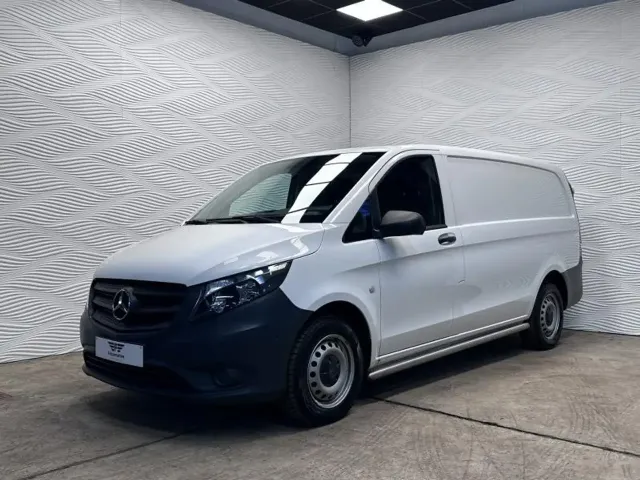
Mercedes-Benz Vito Navigation · Leather · Virtual cockpit
 Falcomotive
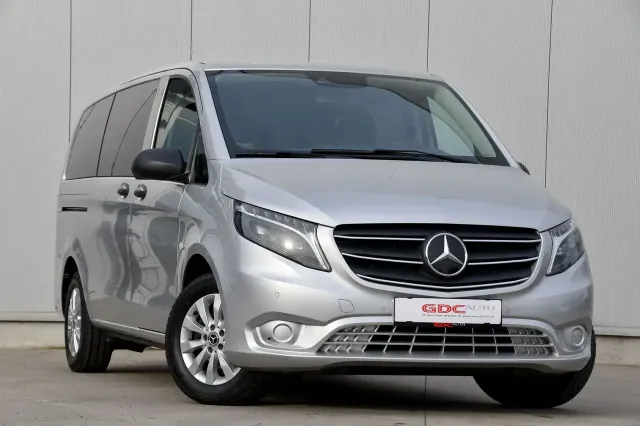
Mercedes-Benz Vito Panoramic roof · Camera · CarPlay
 GDCauto
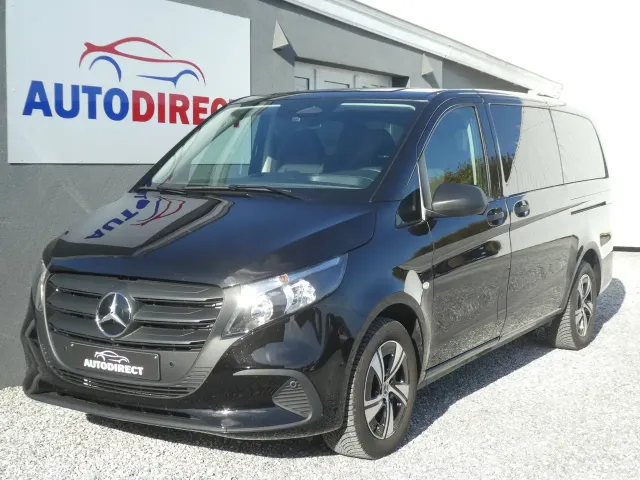
Mercedes-Benz Vito Camera · CarPlay · Navigation
 Autodirect
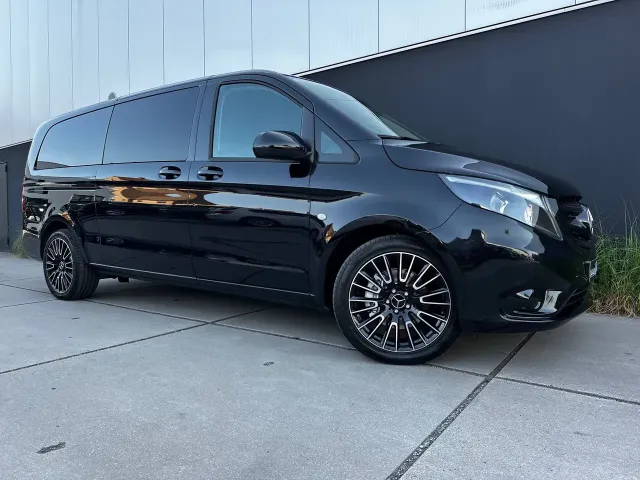
Mercedes-Benz Vito CarPlay · Navigation · Leather
 Garage Auto-Elektro Peeters