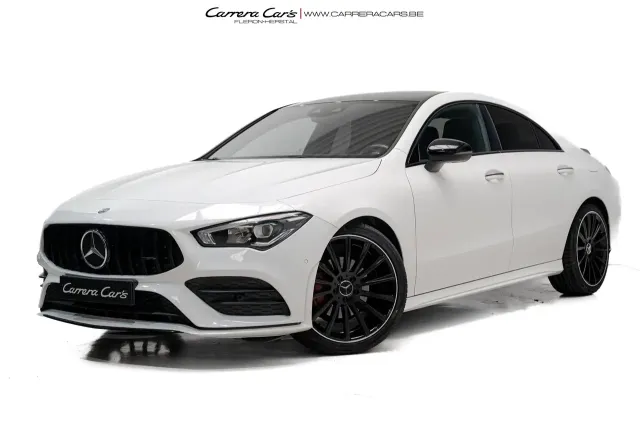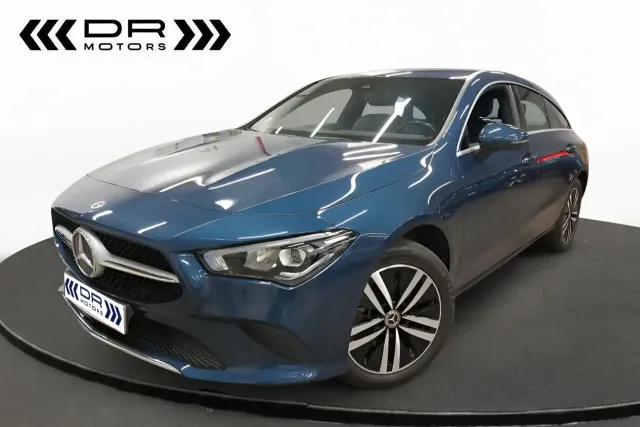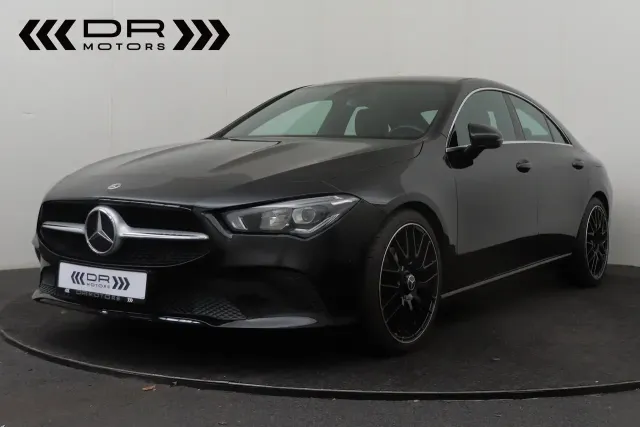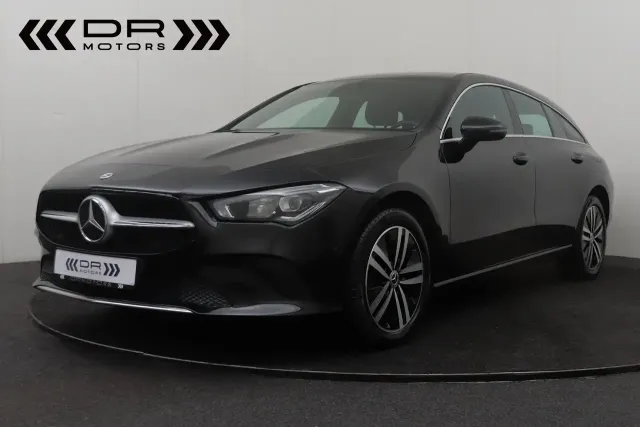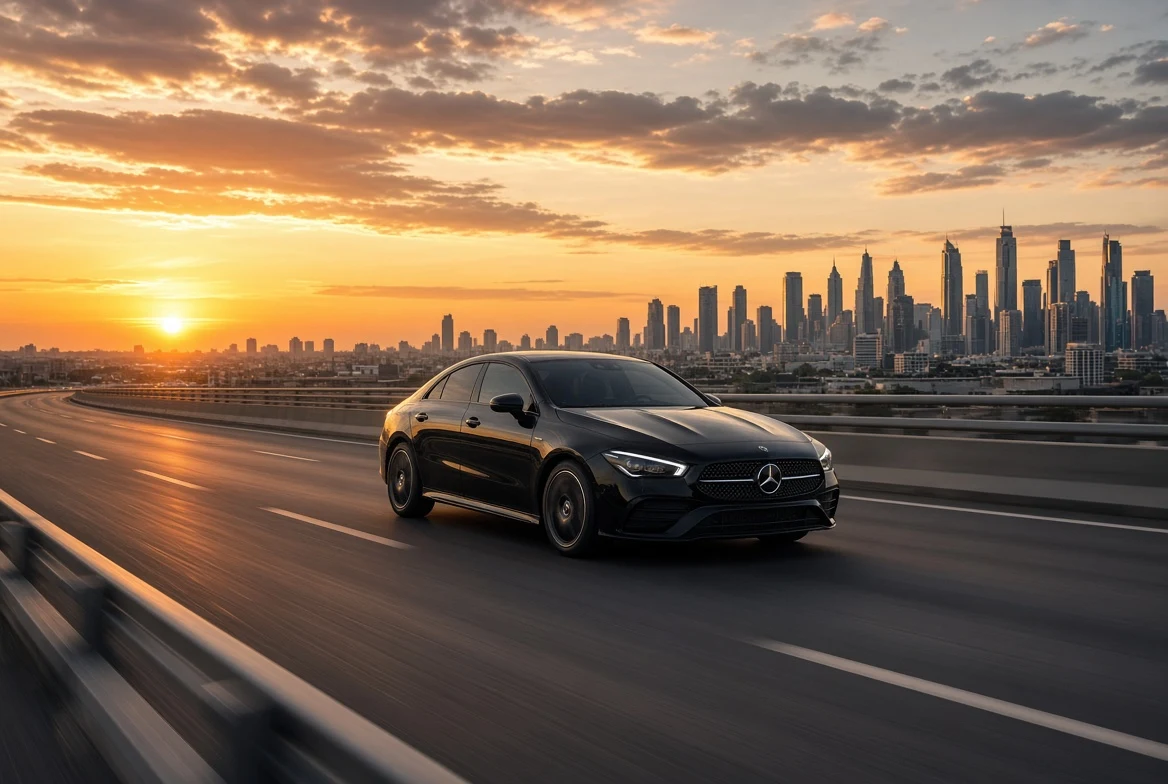

Mercedes-Benz CLA (C118) — complete buyer's guide
The complete reference for the second-generation Mercedes-Benz CLA (C118, 2019–present): platform, dimensions, every engine, the 2023 facelift, known issues and a used-buyer checklist.
Production and platform
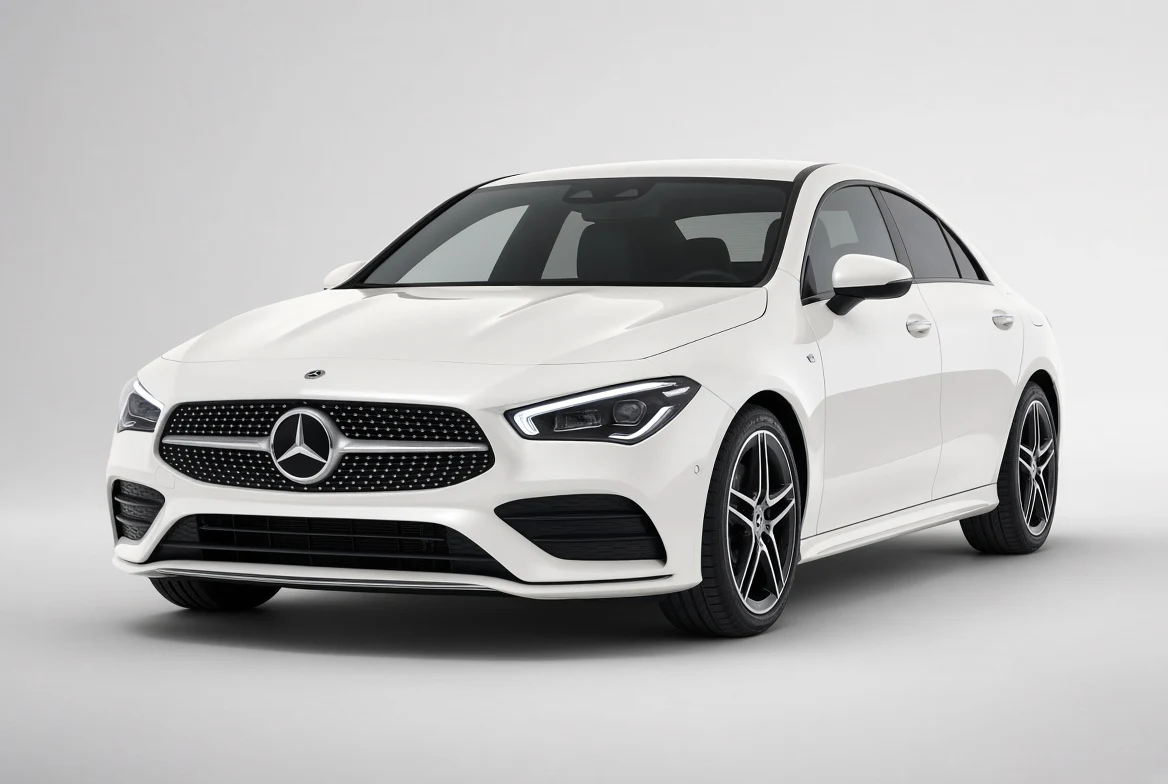
Produced from February 2019 onward. Second generation of the CLA. Available as a four-door coupé (C118) and five-door Shooting Brake estate (X118). Built on the MFA2 front-wheel-drive platform (shared with the A-Class W177). Front-wheel drive standard; 4MATIC all-wheel drive available on higher engines. Facelift introduced in January 2023. Related models include the AMG CLA 35 and CLA 45 / CLA 45 S. Primary assembly in Kecskemét, Hungary. Manual transmission discontinued with the facelift. Production of the ICE version continued into the mid-2020s; a successor was later announced.
Driving experience
Comfortable, quiet and far more grown-up than the C117. The C118 rides with better isolation and body control, steers accurately, and feels closer to a proper Mercedes inside. Front-drive versions are easy; 4MATIC adds traction in poor conditions. The M282/M260 petrols are smooth and eager, the OM654 diesel is the long-distance pick, and the 250 e plug-in covers short trips on electric power. The dual-clutch is smoother than before, though still occasionally hesitant at low speed. It is a much better all-rounder than the first CLA, with the same coupé styling and fewer of the compromises.
Engines
Petrol (M282 / M260)
| Engine | Power | Torque | 0–100 km/h | |
|---|---|---|---|---|
| CLA 180 | 1.3 L · 4-cyl (M282) | 136 hp100 kW | 200 Nm | 9.2 s |
| CLA 200 | 1.3 L · 4-cyl (M282) | 163 hp120 kW | 250 Nm | 8.1 s |
| CLA 220 | 2.0 L · 4-cyl (M260) | 190 hp140 kW | 300 Nm | 7.0 s |
| CLA 250 | 2.0 L · 4-cyl (M260) | 224 hp165 kW | 350 Nm | 6.3 s |
Diesel (OM608 / OM654)
| Engine | Power | Torque | 0–100 km/h | |
|---|---|---|---|---|
| CLA 180 d | 1.5 L (OM608) / 2.0 L (OM654) | 116 hp85 kW | 260–280 Nm | 10.5 s |
| CLA 200 d | 2.0 L · 4-cyl (OM654) | 150 hp110 kW | 320 Nm | 8.3 s |
| CLA 220 d | 2.0 L · 4-cyl (OM654) | 190 hp140 kW | 400 Nm | 7.1 s |
Plug-in hybrid (e)
| Engine | Power | Torque | 0–100 km/h | |
|---|---|---|---|---|
| CLA 250 e Electric range varies by model year | 1.3 L · 4-cyl + e-motor | 218 hp160 kW | 450 Nm | 6.7 s |
Transmissions
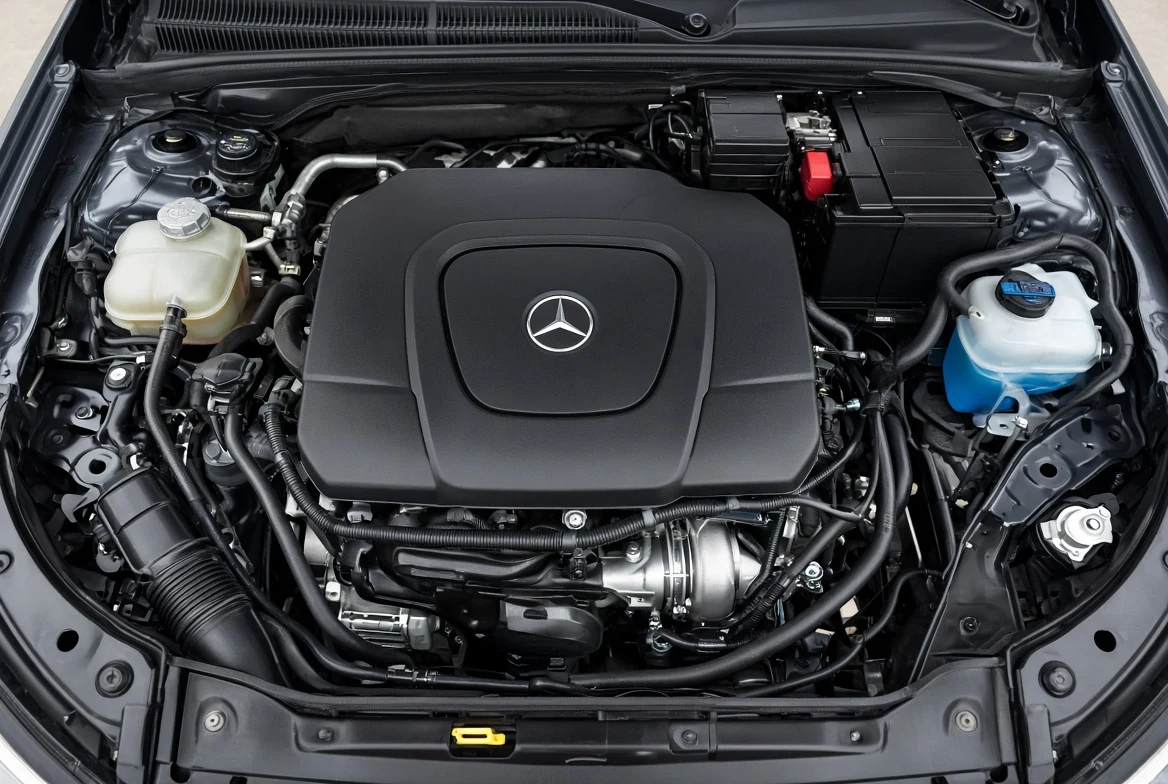
7G-DCT or 8G-DCT dual-clutch automatic (manual discontinued after the facelift). All engines are transverse. 48-volt mild-hybrid was introduced on petrol engines with the 2023 facelift.
Dimensions and practicality
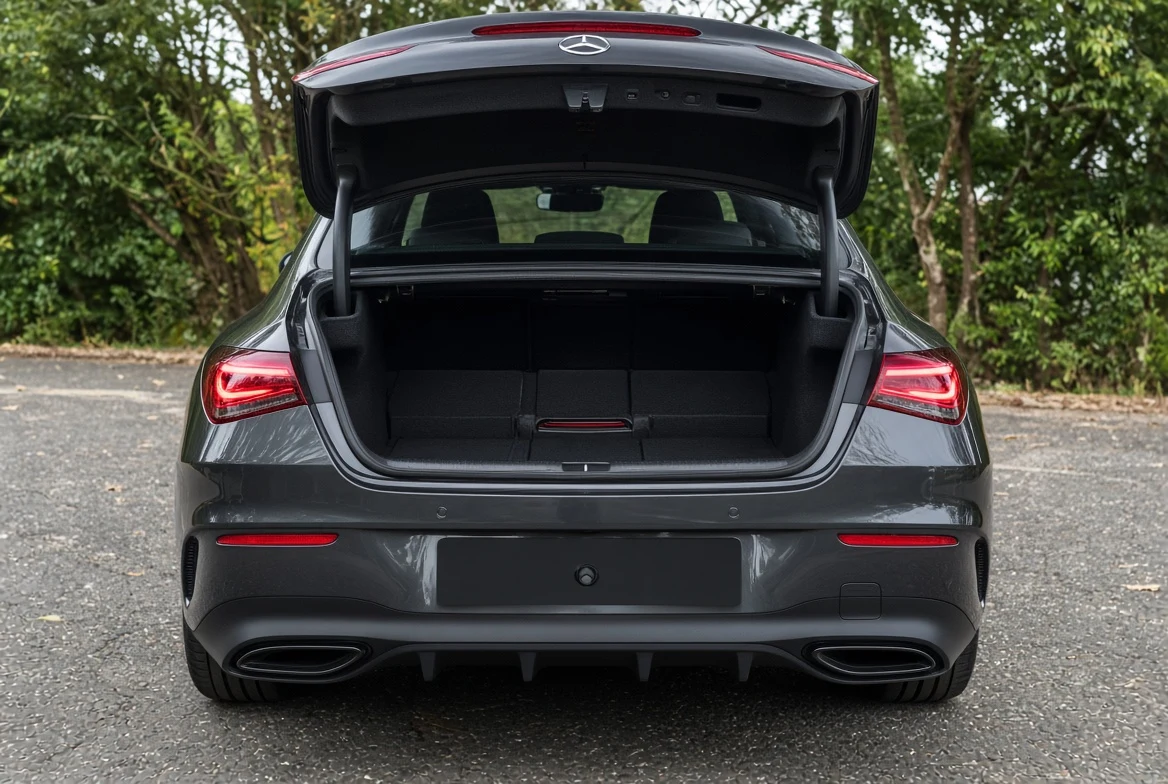
Coupé: length approximately 4,688 mm, width around 1,830 mm, height around 1,439 mm, wheelbase 2,729 mm. Boot volume approximately 460 litres (seats up); plug-in hybrid versions reduced to approximately 395 litres. Shooting Brake boot volume approximately 505 litres (seats up). Fuel tank typically 43–51 litres depending on engine and market. Versus the C117: 48 mm longer, 53 mm wider and a 30 mm longer wheelbase. Boot volume is similar or slightly smaller on some coupé versions. Rear space improved due to the longer wheelbase. Practicality is limited by the coupé roofline compared with a conventional hatch or sedan; the Shooting Brake is more usable.
Facelift (2023)
Introduced in January 2023. Main changes:
- Revised exterior lighting and detailing.
- Updated interior and MBUX infotainment.
- 48-volt mild-hybrid system added to petrol engines.
- Manual transmission discontinued.
- Engines largely carried over with mild-hybrid integration.
- New equipment packages and minor styling updates.
Differences from the previous generation (C117)
Larger overall size and longer wheelbase with improved interior space. Engines switched to the M282 1.3-litre and M260 2.0-litre petrol families (and OM654 diesel), replacing earlier units. Introduction of MBUX dual-screen infotainment. Dual-clutch transmissions refined (7G-DCT / 8G-DCT). Technology level advanced significantly (driver aids, connectivity). Boot volume broadly similar. Overall refinement and equipment improved. The Shooting Brake continued as the practical estate variant.
Known issues and weak points
Dual-clutch transmission (7G-DCT / 8G-DCT)
- Jerky low-speed shifts, delayed engagement, or harshness reported, particularly on early cars and in stop-start traffic.
- Fluid and filter changes (recommended earlier than official intervals by many specialists) reduce issues.
- Mechatronic or clutch pack wear possible if service is neglected.
Electronics and software
- MBUX screen freezes, reboots, or connectivity issues more common on early cars. Usually improved by software updates.
- Various software and component recalls (eCall, power steering, turbo oil lines, brake components). Always verify full VIN status.
Petrol (M282 / M260)
- Thermostat and cooling system issues possible on M282; elevated oil consumption reported on some early examples.
- Exhaust valve seat wear reported on some M260 engines (CLA 220 / CLA 250, particularly 2019–2022); can cause misfires and compression loss. Confirm any related campaigns or service history.
- Timing chain tensioner wear possible on neglected M282 examples; cold-start rattle is the typical symptom.
Diesel (OM608 / OM654)
- DPF clogging and AdBlue system faults (NOx sensors, dosing components) more common on predominantly short-trip use.
- EGR issues possible; verify any service actions by VIN.
- Early OM654 production had rocker arm / camshaft wear concerns addressed by improved parts from specific engine numbers. Timing belt interval is critical on OM608.
Other
- Engine and gearbox mounts can wear, causing vibration or clunks.
- Multiple recalls and service campaigns; check full VIN history.
- 12-volt battery drain or warning messages reported on some cars.
What a buyer should check
- Full service history, including dual-clutch transmission fluid and filter changes.
- VIN-specific recall and service campaign status (software, turbo oil lines, brake components, power steering, eCall).
- Transmission behaviour in stop-start traffic and from a standstill (smooth engagement, no harshness or delays).
- MBUX system stability, screen function, and connectivity on a test drive.
- Oil level and any consumption history on petrol models.
- For diesels: AdBlue system function, DPF regeneration history, and timing belt status on OM608.
- Cooling system condition and any warning lights.
- Listen for misfires or rough idle on M260 engines (valve seat issues).
- Suspension condition and tyre wear pattern.
- Overall electronic function (instruments, assistance systems, cameras).
Running costs
Indicative costs for the Mercedes-Benz CLA C118 in normal Belgian/EU use (approximate 2026 figures). Actual figures vary by region, driving style and service location.
Fuel consumption
- CLA 180 / 200 (M282 1.3): typically 5.5–7.5 L/100 km.
- CLA 220 / 250 (M260 2.0): typically 6.5–9.0 L/100 km.
- CLA 180 d / 200 d (OM654): typically 4.5–6.0 L/100 km — the most economical choice.
- CLA 220 d (OM654 2.0): typically 5.0–6.5 L/100 km; AdBlue consumption low.
- CLA 250 e PHEV: highly dependent on charging; can be very low if mostly electric, or similar to petrol if not charged.
Maintenance
Mercedes service is premium-priced. Oil service typically €150–300. Dual-clutch gearbox fluid service every ~60,000 km is recommended. Tyres and brakes add up. AdBlue consumption on the diesel is low. Independent Mercedes specialists keep bills more reasonable than dealers.
Road tax / registration (Belgium)
Highly region-dependent (Flanders more CO₂-oriented; Wallonia/Brussels influenced by power/CV and mass). The 1.3- and 2.0-litre engines sit in moderate brackets; higher AMG versions are more expensive. Expect roughly €200–900+/year depending on engine, exact CO₂, region and any ongoing reforms. One-off BIV/TMC on first Belgian registration is also engine- and age-sensitive.
Insurance and LEZ
Higher than mainstream compact coupes. AMG and higher-spec versions cost more. Full comprehensive is expensive on higher-value examples. LEZ: all engines fully Euro 6d compliant and unrestricted in Belgian/EU low-emission zones.
Belgian/EU market notes
Diesel versions were relevant for company-car use in earlier years due to tax treatment and running costs. Petrol mild-hybrid models became more common as taxation evolved. Euro 6 / Euro 6d compliance is standard from the facelift. Car-Pass documentation is required for Belgian sales. Many examples will have moderate annual mileage from company or private use. The coupé is more common than the Shooting Brake. Later and facelift examples (especially post-2023 with mild hybrid and accumulated software updates) generally show fewer electronic issues than early 2019–2020 cars.
Summary
This generation is more refined and better equipped than the C117, with improved space and modern electronics, provided the known items (dual-clutch transmission service, MBUX software status, DPF/AdBlue on diesels, valve seat and cooling system issues on petrol engines, and full VIN campaign status) are verified. Later and facelift cars are generally more stable. Early production requires closer scrutiny of software history, transmission service records, and specific engine campaigns.
Belgian taxes & LEZ