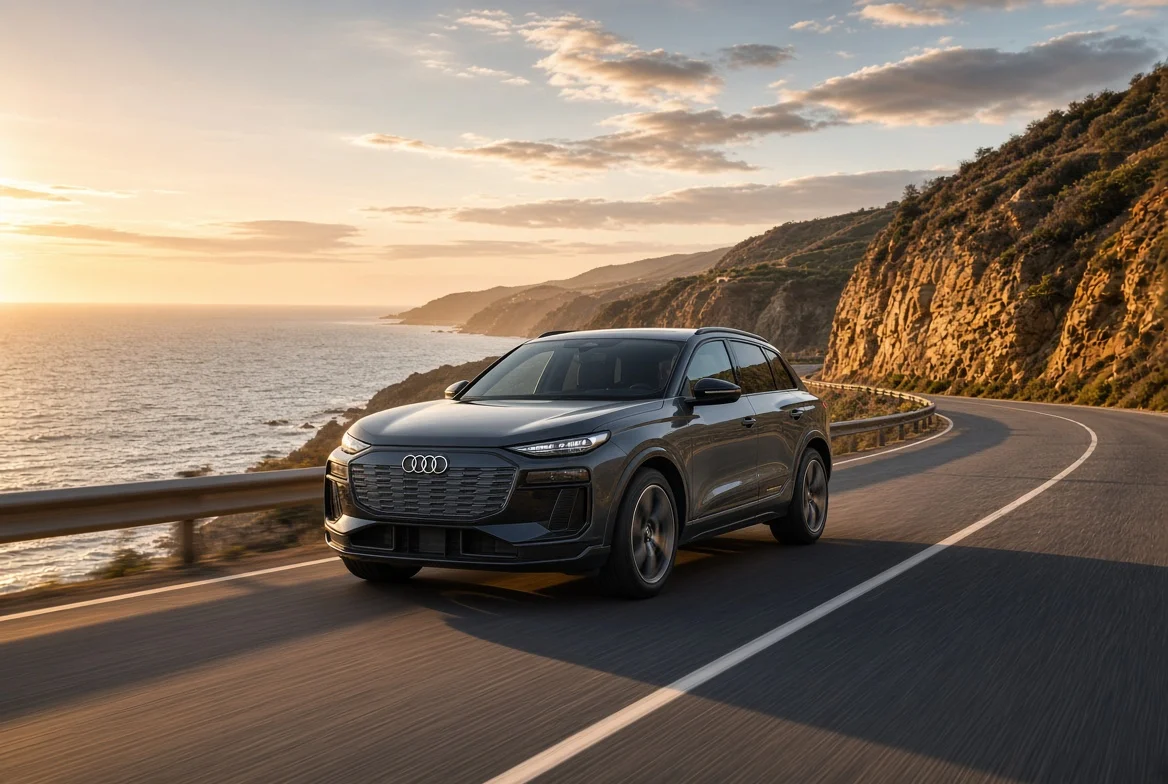

Audi Q6 e-tron — complete buyer's guide
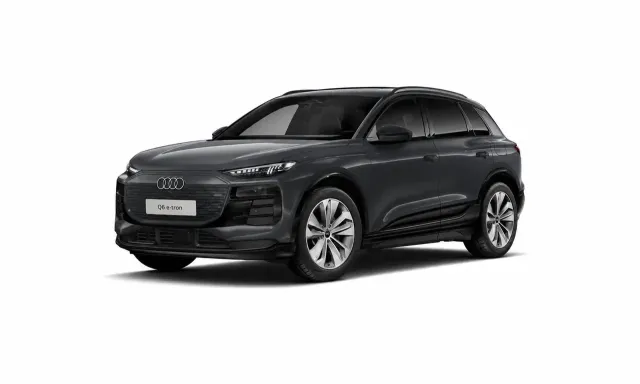
The complete reference for the Audi Q6 e-tron (2024–present): platform, dimensions, battery and power, model-year updates, known issues and a used-buyer checklist.
Production and platform
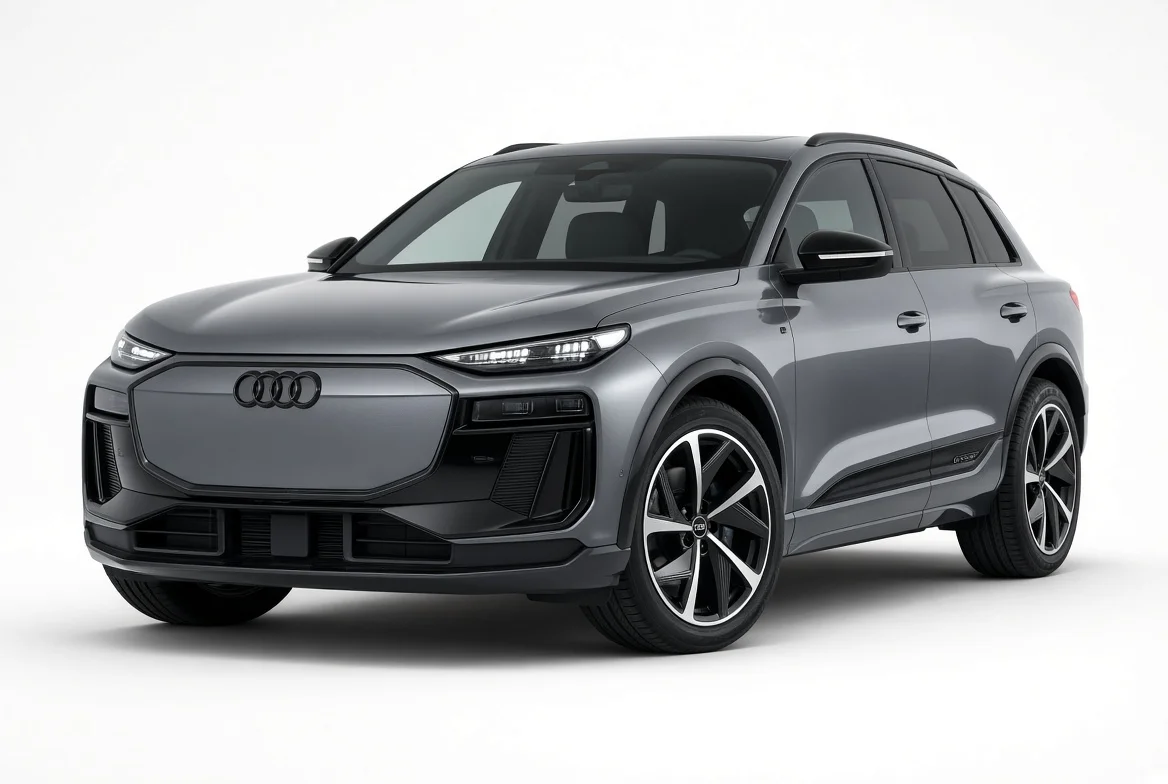
Produced from late 2023 / 2024 onwards. Battery-electric compact luxury crossover SUV. Available as five-door SUV and Sportback (coupé-style SUV). Built on the Premium Platform Electric (PPE), developed jointly with Porsche. Related models include the Porsche Macan Electric and Audi A6 e-tron. Rear-wheel drive base architecture; dual-motor all-wheel drive (quattro) available on higher variants. SQ6 e-tron performance variant also offered. Assembled primarily in Ingolstadt, Germany (some markets supplied from other plants). First Audi production model on the PPE platform with 800-volt architecture.
Dimensions and practicality
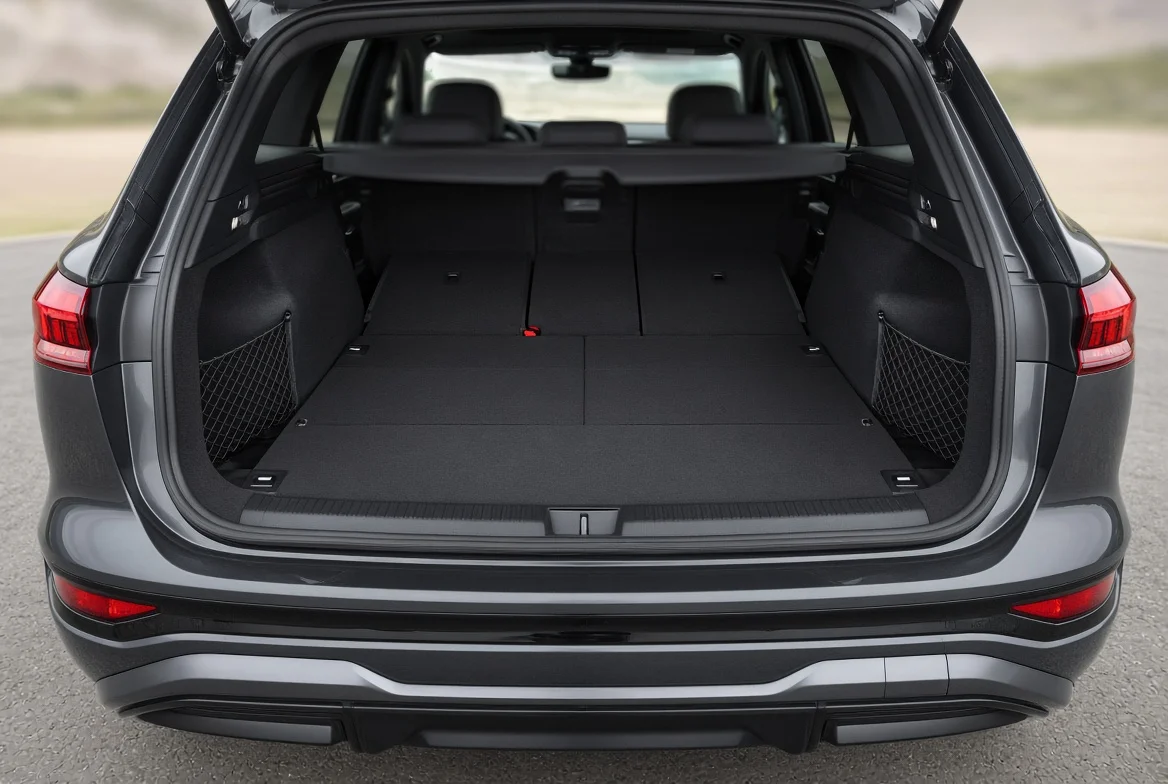
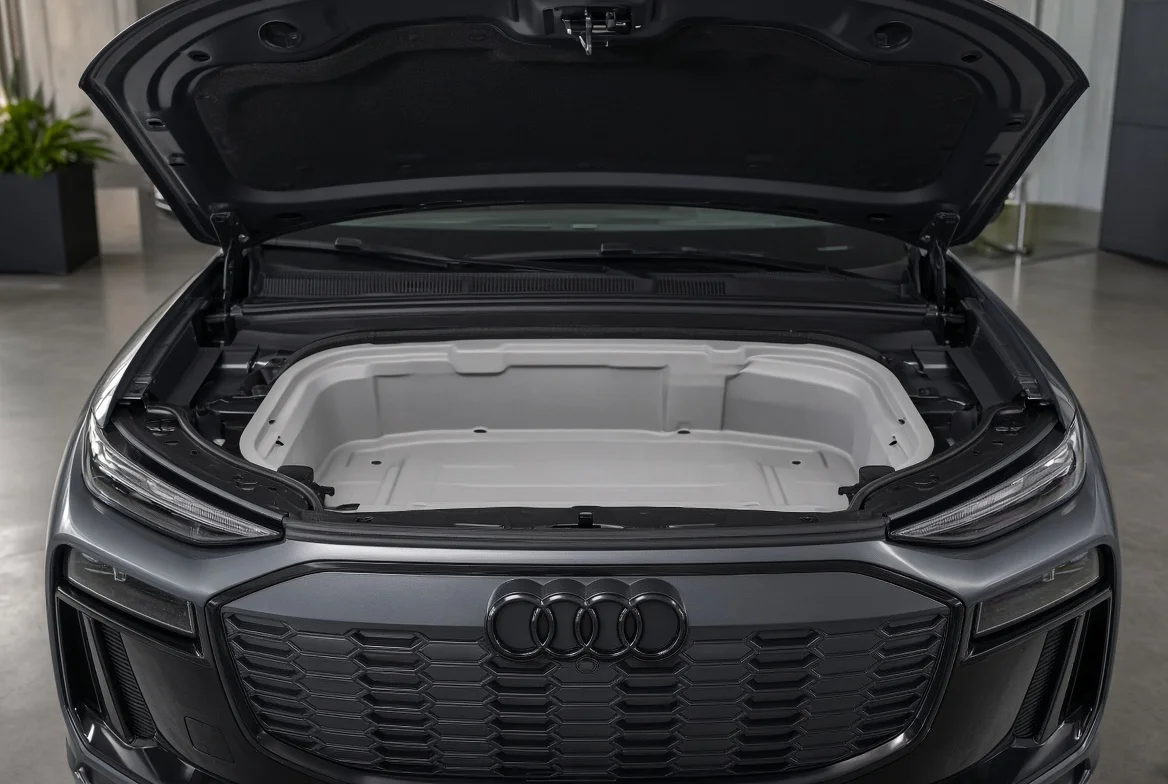
Length approximately 4,771 mm. Width around 1,939–1,965 mm. Height around 1,648–1,685 mm. Wheelbase approximately 2,889–2,899 mm. Boot volume approximately 526 litres (seats up); maximum volume with seats folded typically 1,529 litres (SUV). Optional front boot (frunk) of approximately 64 litres. Rear seats fold in 40:20:40 configuration. Ground clearance typically around 180–190 mm. Towing capacity typically up to 2,000 kg braked depending on variant. Overall size sits between the Q4 e-tron and Q8 e-tron. Rear space is adequate for adults; boot volume is competitive for the class but not class-leading.
Powertrain and battery
Battery options
- Smaller battery: 83 kWh gross / approximately 75.8 kWh usable (NMC). Peak DC charging up to 225 kW. WLTP range typically 458–545 km depending on variant and equipment.
- Larger battery: 100 kWh gross / approximately 94.9 kWh usable (NMC). Peak DC charging up to 260–270 kW. WLTP range typically 540–661 km depending on variant and equipment.
Power outputs
| Engine | Power | Torque | 0–100 km/h | |
|---|---|---|---|---|
| Basis achterwielaandrijving | RWD | 252–292 hp185–215 kW | — | 7.0–7.6 s |
| Performance achterwielaandrijving | RWD | 306–326 hp225–240 kW | — | 6.6–6.7 s |
| quattro dual-motor | AWD | 388–428 hp285–315 kW | — | 5.1–5.9 s |
| SQ6 e-tron | AWD | 489–517 hp360–380 kW | — | 4.3–4.4 s |
Charging and transmission
Single-speed transmission. 800-volt architecture. AC charging up to 11 kW standard (22 kW optional on some markets). DC charging 10–80% typically around 21–22 minutes under ideal conditions. Real-world range is typically 15–25% below WLTP figures in mixed or highway driving, depending on temperature, speed, and equipment.
Model-year updates
No traditional facelift has occurred yet. Incremental updates for the 2026 model year in some markets included increased power on certain quattro variants (up to 315 kW), expanded standard equipment (Matrix LED headlights, adaptive cruise, improved MMI software), and refined regenerative braking. Software updates continue to address early launch issues. Production remains ongoing.
Known issues and weak points
As a new model on a new platform, long-term data is limited. Early reports focus on software and electronics rather than mechanical failures:
Software and electronics
- MMI infotainment freezes, black screens, loss of audio, and connectivity issues (CarPlay, online services) reported on early cars. Software updates have addressed many of these; verify latest version.
- Driver-assistance systems (adaptive cruise, lane keep, emergency braking) can behave inconsistently or deactivate on some examples. Sensor and software related.
- Rearview camera image quality or delay issues covered by recalls on 2025 cars; hardware or software fixes applied.
- Seat belt retractor recalls on some 2025–2026 examples.
- Charging interruptions or reduced AC charging rate reported on some cars; usually resolved with software or onboard charger diagnostics.
- Door lock and entry system intermittent faults reported on a small number of early cars.
- Harmonic resonance or motor noise at certain speeds noted on some examples; addressed with software or mechanical updates in later production.
Battery and drivetrain
Battery and drivetrain long-term durability data is not yet available. High-voltage battery is covered by an extended warranty in most markets (typically 8 years / 160,000 km or similar).
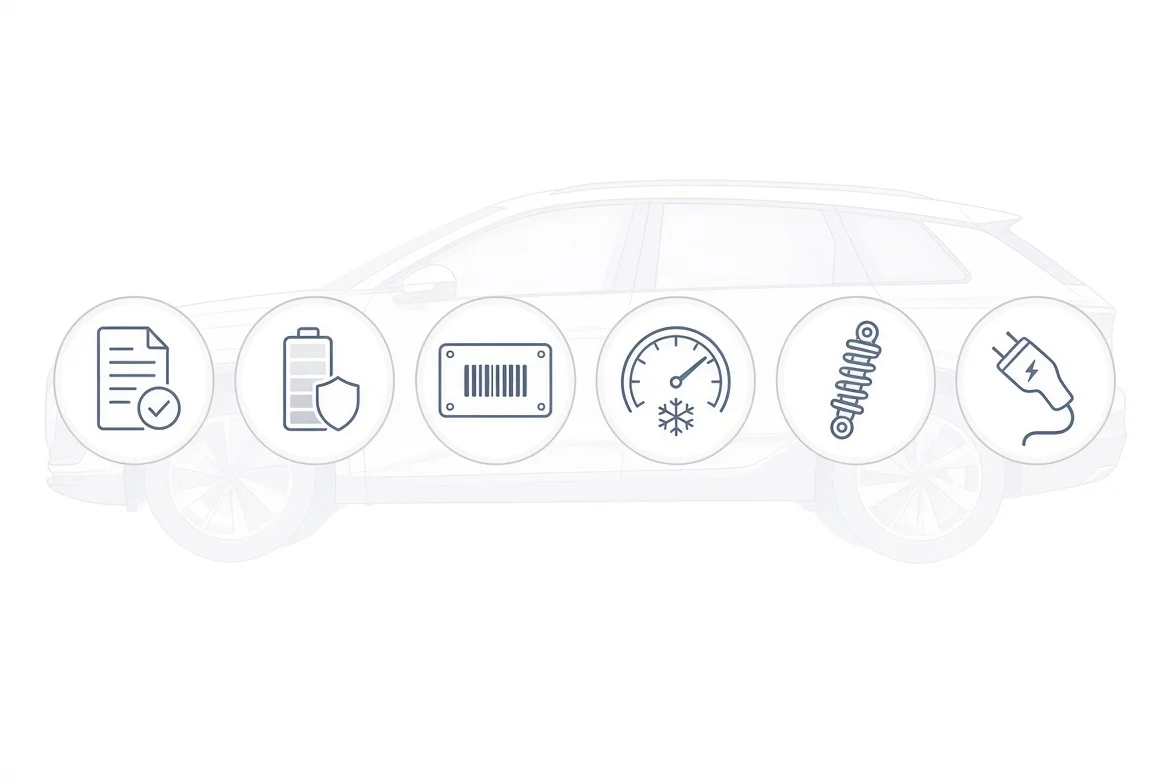
What a buyer should check
- Full service history and software update status. Confirm the latest MMI and vehicle software version is installed.
- VIN-specific recall status (rearview camera, seat belt retractor, and any other campaigns).
- Charging behaviour on both AC and DC (verify peak rates and session stability).
- Infotainment system thoroughly (MMI menus, navigation, connectivity, audio, Virtual Cockpit).
- Driver-assistance systems function on a road test (adaptive cruise, lane guidance, parking aids).
- High-voltage system warnings and battery state of health (dealer diagnostics recommended).
- Door locks, tailgate, and entry systems.
- Suspension and braking behaviour on a road test.
- For higher-mileage examples: tyre wear pattern and overall condition of suspension components.
- Frunk and boot practicality for the intended use.
Belgian/EU market notes
The Q6 e-tron is positioned as a premium electric SUV for company and private use. Company-car tax treatment in Belgium is favourable for battery-electric vehicles compared with combustion equivalents. WLTP range figures are used for official documentation. Charging infrastructure access (public HPC networks) is relevant for long-distance use. Car-Pass documentation is required for Belgian sales. Early examples may still be under manufacturer warranty; software updates are typically free. Real-world range and charging performance depend heavily on temperature, driving style, and charger availability.
Summary
This is a new model with limited long-term reliability data. Early ownership reports centre on software and electronics issues that have been addressed through updates and recalls. Mechanical and battery durability remain unproven at high mileages. Buyers should prioritise examples with complete software update history, verified recall status, and a clean high-voltage system diagnostic. The main practical advantages are the 800-volt charging speed, competitive range on the larger battery, and modern digital cockpit.
Used Audi Q6 e-tron for sale
View all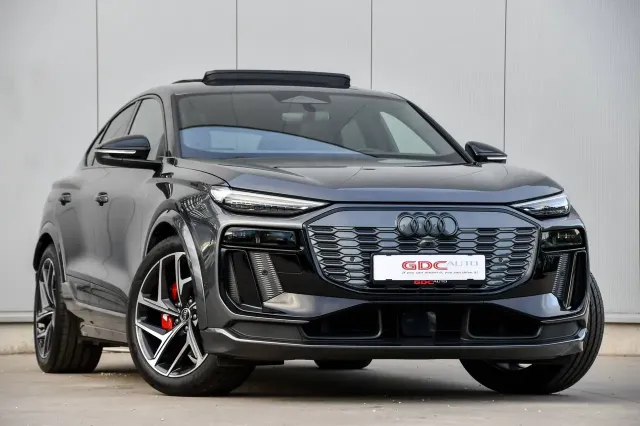 Cars
Cars
Audi SQ6 e-tron electric · Panoramic roof · 360° camera · CarPlay
 GDCauto
 Cars
Cars
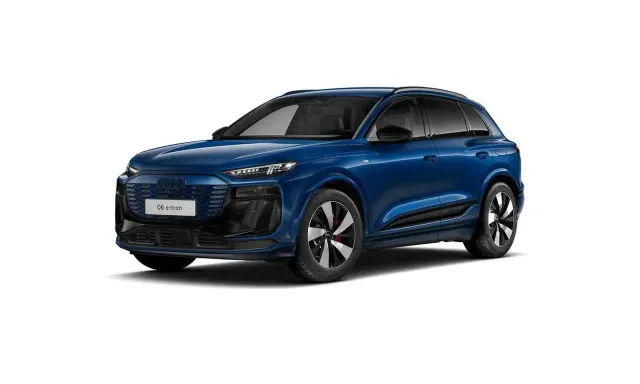
Audi Q6 e-tron electric · S line · 360° camera · CarPlay · LED
GDCauto
 Cars
Cars
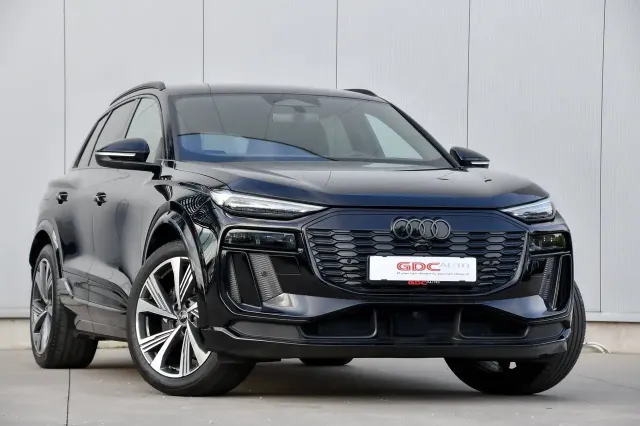
Audi SQ6 e-tron Quattro · electric · 360° camera · CarPlay · LED
GDCauto
 Cars
Cars
Audi Q6 e-tron Quattro · electric · Panoramic roof · 360° camera · Car…
GDCauto